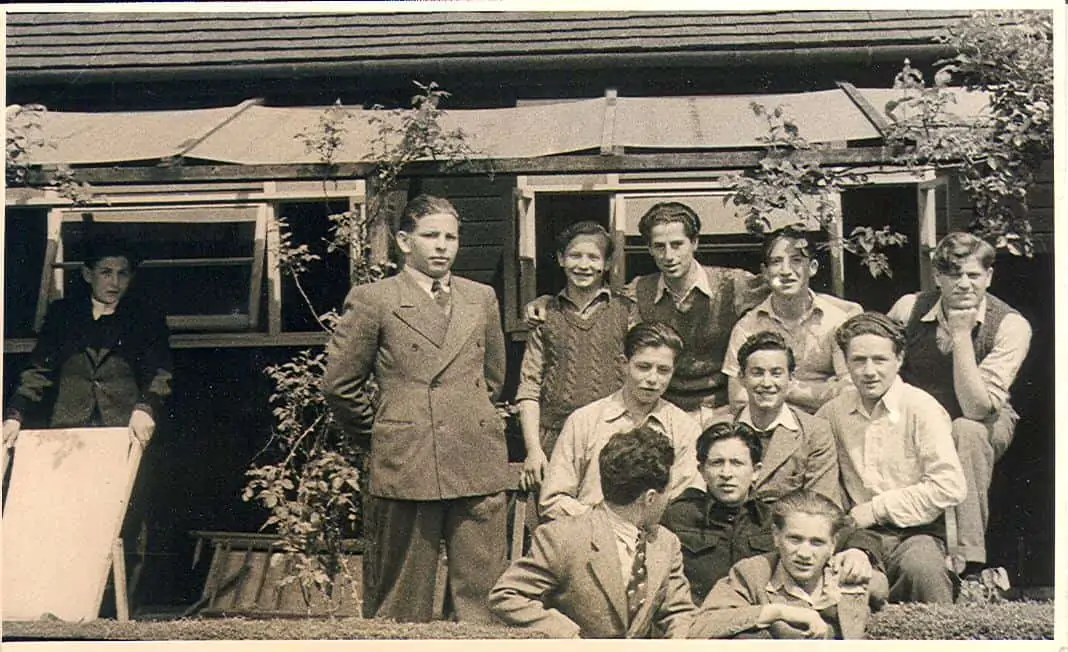
The Boys were teenage and child-Holocaust survivors, who were brought to the UK after the war for rest and rehabilitation.
The Boys had survived the Holocaust as slave labourers in the Nazi concentration camp system, in hiding and by living alone.
After arrival in the UK, members of the Boys spent time in the reception centres before being moved to children’s homes known as hostels. Others were sent direct to boarding school or yeshivas, and those who were sick spent time in sanatoriums.
Ashford Sanatorium was one of these hospitals.
Overview
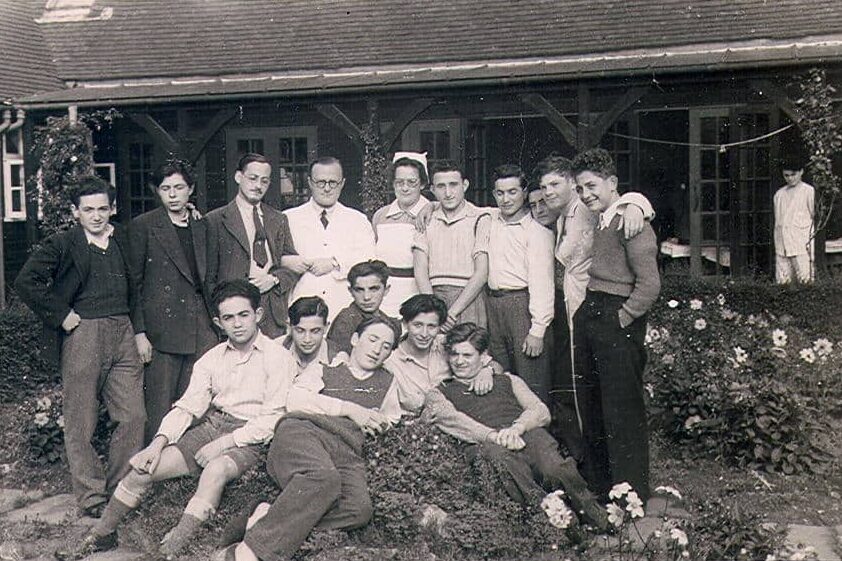
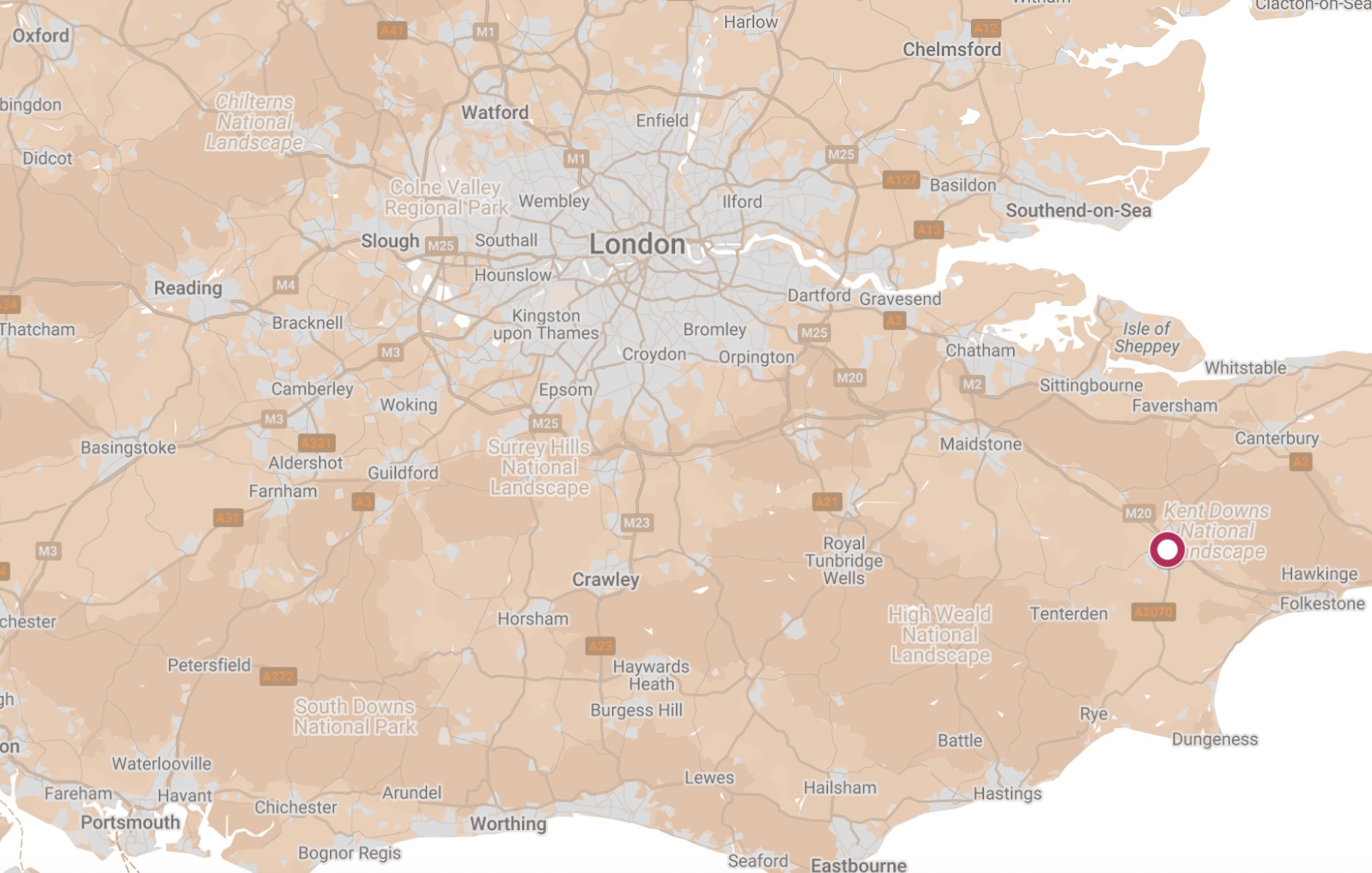
Ashford Sanatorium was located in Ashford, a town in Kent, southeast England. The building was called Grosvenor Hall, but originally known as Bockhanger Hall. It was built as a private home. In 1913 it was brought by Percy H. Jones who converted it into a tuberculosis sanatorium, used to care for soldiers who were sick with tuberculosis during World War I.
Advances in antibiotics following World War II gradually made tuberculosis sanatoriums obsolete. Grosvenor Hall closed in 1955. It was then used at a cadet training centre by the Metropolitan Police. Eventually it was demolished and the site is currently the Kingswood Learning and Leisure Centre.
The Staff
Sister Maria was the matron. Born in Berlin in 1903, she married the father of one of the Boys and went to the USA. Dr Pine was part of the regular staff. Erna Regent, who had been in Windermere, also worked at the sanatorium, as did Marie Paneth, who had also been in Windermere.
The Ashford Story
Within weeks of the children arriving in Windermere it was clear that 40 of them had tuberculosis and needed to be cared for in isolation. A leading member of the Committee for the Care of the Concentration Camp Children, Lola Hahn-Warburg, arranged for the use of an empty ward at the Grosvenor Sanatorium, which was run directly by the CBF.
Michael Perlmutter recalled the sanatorium as large sprawling and that the Boys were placed in a small building adjacent to the main one. Each had a room of their own.
“At the Ashford Sanatorium we, the survivors, had a wing to ourselves. The doctor was Dr. Pine from the regular sanatorium staff. Professional nurses and lay people attended us. All were relief workers hired by the Refugees Committee. The sister-in-charge was Sister Maria, who took care of our overall welfare in addition to our medical problems. Treatment here consisted of bed rest, good food and little else.
Those who were allowed out of bed were able to play ping-pong or cards or learn English from the resident teacher, Mr Engelhart (I believe), or go for walks. Some of the staff were themselves survivors, but were paid for their services. Some had accompanied us from Windermere, and a few even from Theresienstadt. One of those who came with us from there became my special friend Erna Regent (now Kohn). She is now married in New York and I am still in contact with her. Such friendships last!
As we recovered, we went on outings, led by Mr Engelhart, to some places of interest. The places we visited included Dover, and Folkstone at the English Channel – very beautiful places.”
In the autumn of 1946, the ward was closed and those still in need of care were transferred to the Quare Mead hostel. Papers related to the hostel are embargoed until 2050.

 About
About History
 Education
 Quilts
 FIlms
FIlms Photos
 News Media & Events
 Publications
 Donate