The Boys were teenage and child-Holocaust survivors, who were brought to the UK after the war for rest and rehabilitation.
The Boys had survived the Holocaust as slave labourers in the Nazi concentration camp system, in hiding and by living alone.
After arrival in the UK, members of the Boys spent time in the reception centres before being moved to children’s homes known as hostels. Others were sent direct to boarding school or yeshivas, and those who were sick spent time in sanatoriums.
Some of the members of the Boys were lucky enough to find relatives or were taken in by foster families but the majority were moved to hostels.
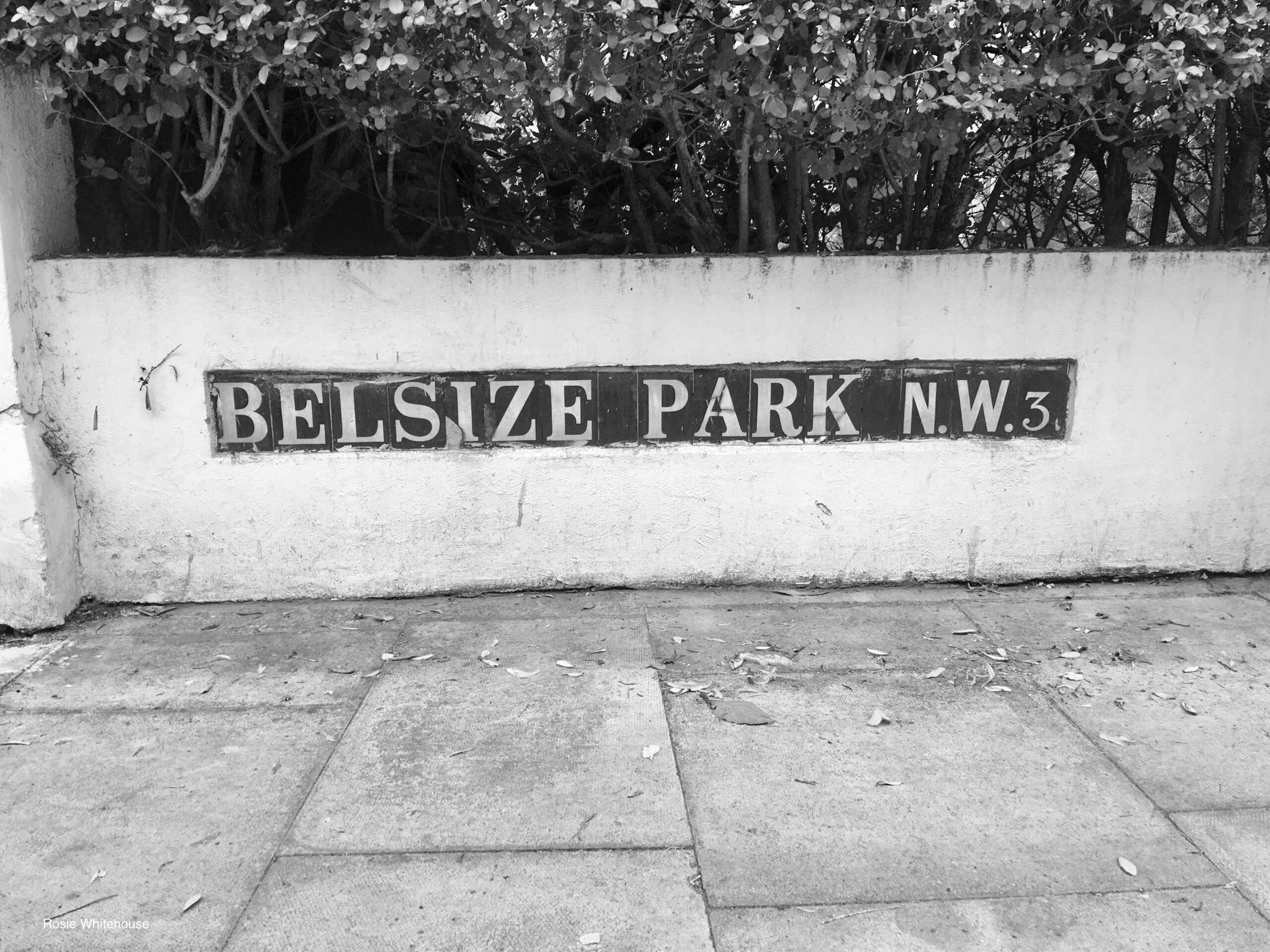
Belsize Park was one of these hostels.
Overview
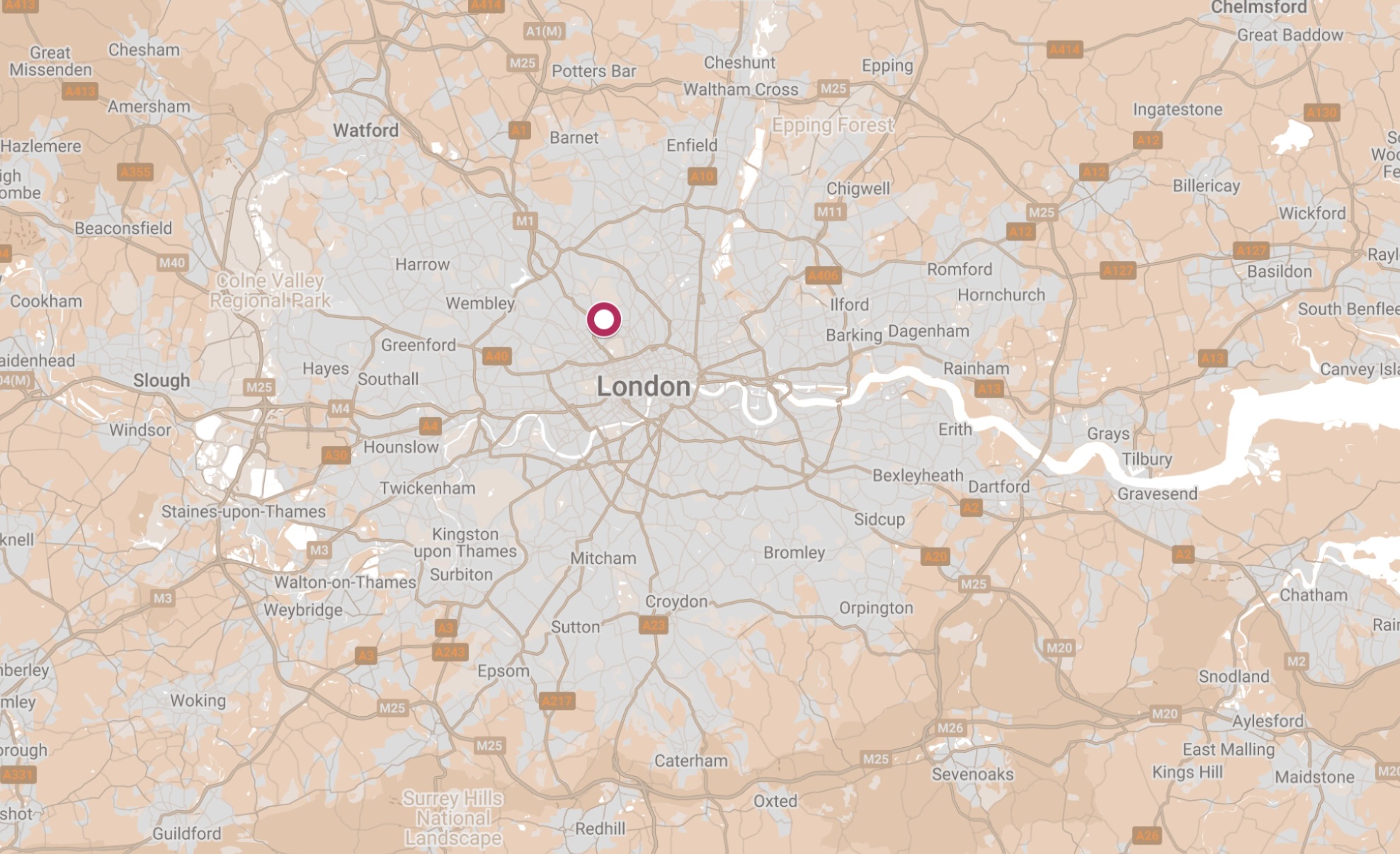
The hostel opened in the summer of 1946, in a large white Victorian semi-detached house in the neighbourhood of Belsize Park, north-west London. The property is now divided into flats.
Many of the Boys moved there from the hostel in Loughton.
The Primrose Club
The hostel was above the Primrose Jewish Youth Club, a club run by Yogi Mayer, a German Jewish youth leader who had escaped to Britain before the war. The club was established in summer 1947, as a way to encourage Jewish boys and girls to meet, an important step for the Boys to further integrate into life in Britain.
Julie Mahrer was the cook, who had originally worked at the hostel in Glasgow, and the Boys especially enjoyed her Viennese pastries on Sundays.
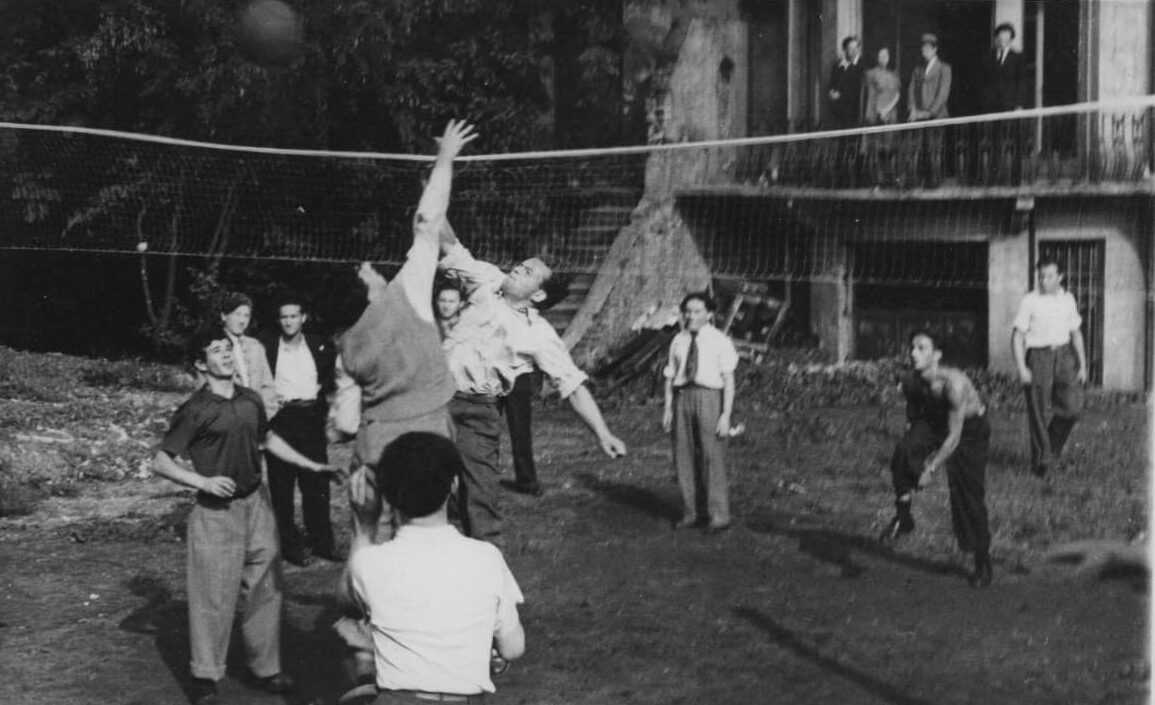
By September 1947, the club was open five days a week, offering a range of activities from chess, volleyball and formal dances to music, drama and talks on current affairs. The Hot Pot Restaurant, which occupied one of the buildings, served a three-course kosher dinner for one shilling and three pence.

David Herman London, c. 1946.
“The club soon became a second home to me and the rest of the young survivors I had come over with. We took part in many sporting activities, socialised, and could get cheap meals. The club was key to helping me adjust to my new life in England. Through this club, we came into contact with the wider Jewish community, and subsequently the British population at large. Before this, we had been a very tight-knit group, but the club widened our horizons.”
David Herman, David’s Story (Herman Press, 2016).
The Boys had four football teams which participated in the Jewish Youth leagues, and also joined local swimming championships. They has their own magazine, the Primrose Leaves, organised sporting events, dances, day trips and holidays. In total, the Primrose Club had about 200 members, including the Boys and other local Jewish youth, especially girls, who were encouraged to join the club.
The club and hostel ran until 1949, when the building lost its lease, and it moved into new premises on nearby Finchley Road. The club continued to be an essential hub for the Boys over subsequent years. Many of the Boys formed lasting friendships there and a number of them met their spouses at the club.
Ben Helfgott wrote that Mayer “constantly extended the scope of our activities and introduced wide-ranging activities that enriched all our lives.” Club leader Thelma Marcus recalled, “the club was a life-saver”, while Zigi Shipper wrote “I felt I was at home again. I found my family”.