The Boys were teenage and child-Holocaust survivors, who were brought to the UK after the war for rest and rehabilitation.
The Boys had survived the Holocaust as slave labourers in the Nazi concentration camp system, in hiding and by living alone.
After arrival in the UK, members of the Boys spent time in the reception centres before being moved to children’s homes known as hostels. Others were sent direct to boarding school or yeshivas, and those who were sick spent time in sanatoriums.
Some of the members of the Boys were lucky enough to find relatives or were taken in by foster families but the majority were moved to hostels.
Liverpool was one of these hostels.
Overview
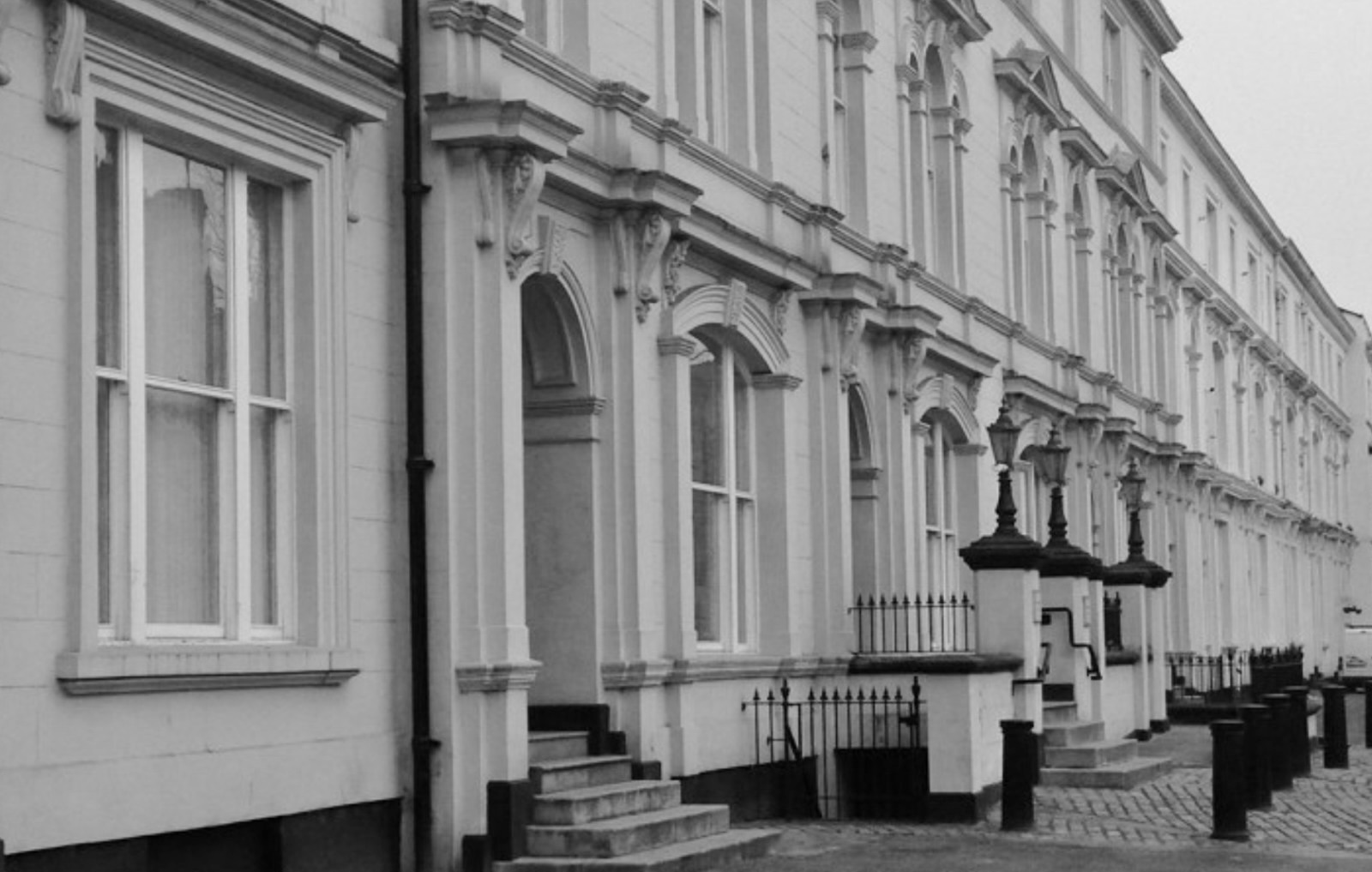
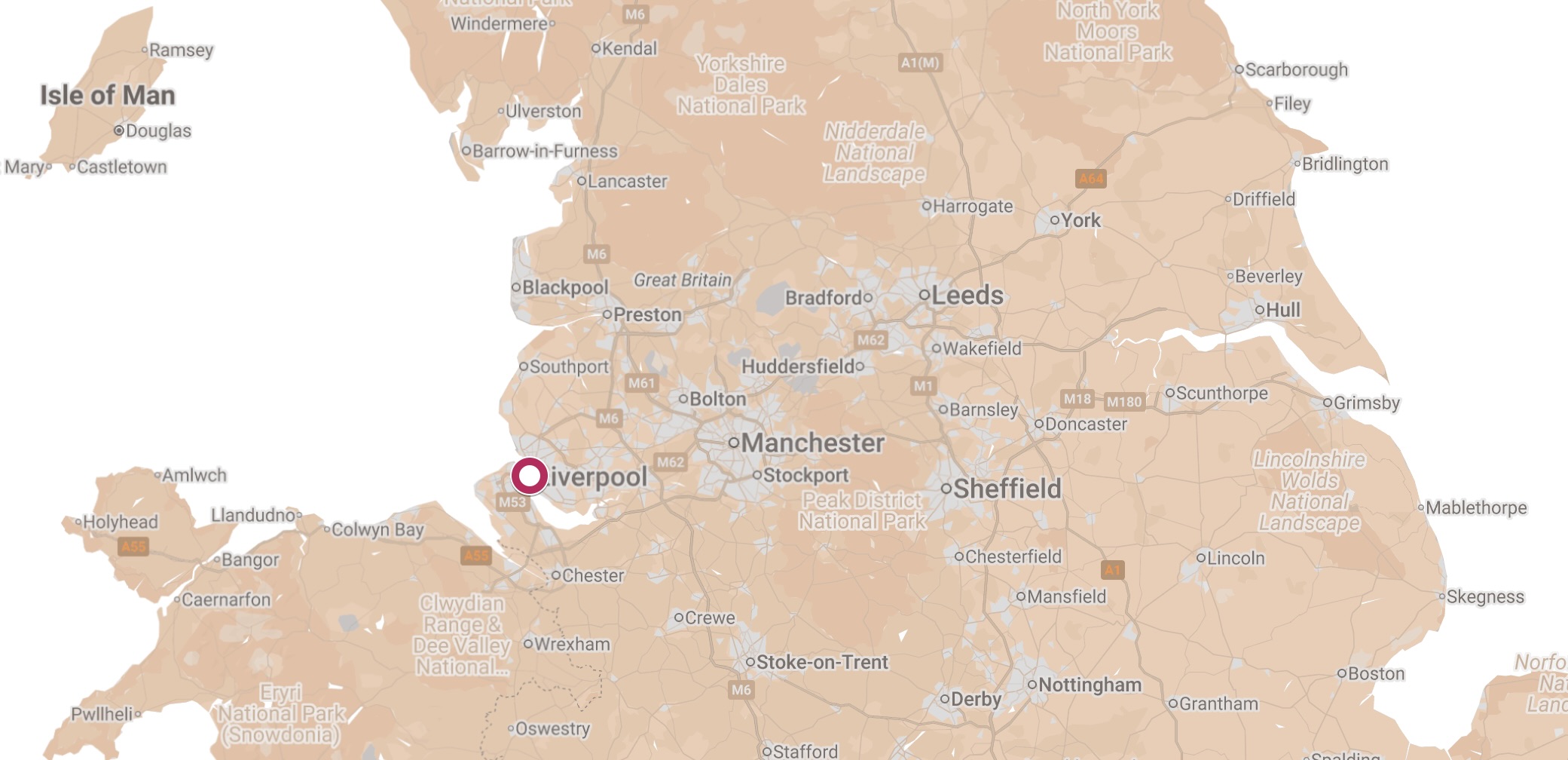
The hostel was located in the port city of Liverpool, in the north west of England.
It was on Princes Road, opposite the famous Princes Road synagogue, home to Liverpool’s Old Hebrew Congregation.
The hostel was run by the religious Zionist movement Bachad, who owned the building and put it at the disposal of the Liverpool Jewish Refugees Committee, run by Mrs B A Cowan, Mr B Webb and Rabbi Isser Yehuda Unterman.
The building is now student accommodation.
The Staff
Walter and Sarah Hirschberg, from Cologne, were the wardens. Rabbi Isser Yehuda Unterman, later Chief Rabbi of Israel from 1964-72, taught the Boys at the hostel. Israel Cohen and Regine Saalkind accompanied the Boys from Windermere.
Bachad members of staff also included: Hanna Lehmann, Cilli Esthezorn, who later moved to Manchester with the boys, Alice Levy (from Golders Green Bachad) and Berish Lerner
“On the day we left Trout-Deck-Bridge we were accompanied to Windermere railway station by all the remaining boys and girls. They sang to us in Hebrew the farewell song (Shalom Uveracha ) by then we had grown into one big family and it was sad to part from each other.
It was in the middle of November 1945 when we arrived at our new temporary home. We were greeted by all the staff of the hostel and some people from the Liverpool Jewish community, including the Chief Rabbi of Liverpool Dr Rabbi Unterman. It didn’t take us long to settle into our new environment and with the help of the staff and guidance by Walter and Sara Hirshberg, two wonderful people who themselves were refugees from Germany and were now responsible for our welfare and the running of the hostel, made our stay in Liverpool more enjoyable.
The hostel, being associated with the Mizrachi religious movement, we were issued with a daily prayer book and a pair of phylacteries (Tefylim). Our day began with the Morning Prayer which was not compulsory for everyone to join in but nevertheless the majority of the boys took part.
On the second week we started to have daily morning lessons in English, Arithmetic, Geography, History and Hebrew. After lunch we had free time so we went for long walks with or without our Madrichim [leaders]. The evening dense fog and the orange street lights of Liverpool fascinated us. We had never seen fog before and in the damp and cold days or nights we only wore shirts without a jacket. None of us felt the cold and people used to look at us and thought that we were all mad which more likely we were.”
Chaim Szlamberg, later Charles Shane, written testament 1995.
The Liverpool Story
On 9 November 1945, 19 of the Boys arrived in Liverpool from the Windermere reception centre. The children were met at the station by the Chairman of the Bachad and Chairman of the Welfare sub-committee Mrs Cowan, where they were taken to the house in private cars. On Shabbat, an official welcome was held and Rabbi Unterman addressed them.
Arek Hersh, one of the Boys who was in Liverpool, recalls that the hostel was “Zionist and we were taught about Palestine.” On Saturdays, they were given lectures by Rabbi Unterman, who later became Chief Rabbi of Israel. Hersh asked him, “If there is a God, how could he allow children and Rabbis to be taken to the camps? How could he allow this to happen? He couldn’t give an answer. He said nobody could give an answer.”
Hersh says, “We were happy in Liverpool. We went to concerts. Philanthropists bought us all the same hats and suits. We went to Liverpool Philharmonic Orchestra. It was The New World Symphony by Dvorjak – it was lovely.”
Amos Ben Gurion, son of David Ben Gurion, the first Prime Minister of Israel, visited the hostel.
The emphasis in the hostel was on teaching English and Maths. There were classes in Jewish studies, sports and walks. The Bachad records show that stress was placed on discussing the Boys’ future with them. They recorded that ‘All of them intend to go to Palestine’. In preparation, the children spent time at the St Asaph training farm in Wales, and at Thaxted, a kibbutz-style farm, where they would spend half the day working on the farm and the other half studying.
The Boys lived at the Liverpool hostel for about eight months before being brought to Manchester, where they were merged with the Boys at the Singleton Road hostel.

 About
About History
 Education
 Quilts
 FIlms
FIlms Photos
 News Media & Events
 Publications
 Donate