The Boys were teenage and child-Holocaust survivors, who were brought to the UK after the war for rest and rehabilitation. They had survived the Holocaust as slave labourers in the Nazi concentration camp system, in hiding and by living alone.
After arrival in the UK, members of the Boys spent time in the reception centres before being moved to children’s homes known as hostels. Others were sent direct to boarding school or yeshivas, and those who were sick spent time in sanatoriums. Some of the members of the Boys were lucky enough to find relatives or were taken in by foster families but the majority were moved to hostels.
Loughton was one of these hostels.
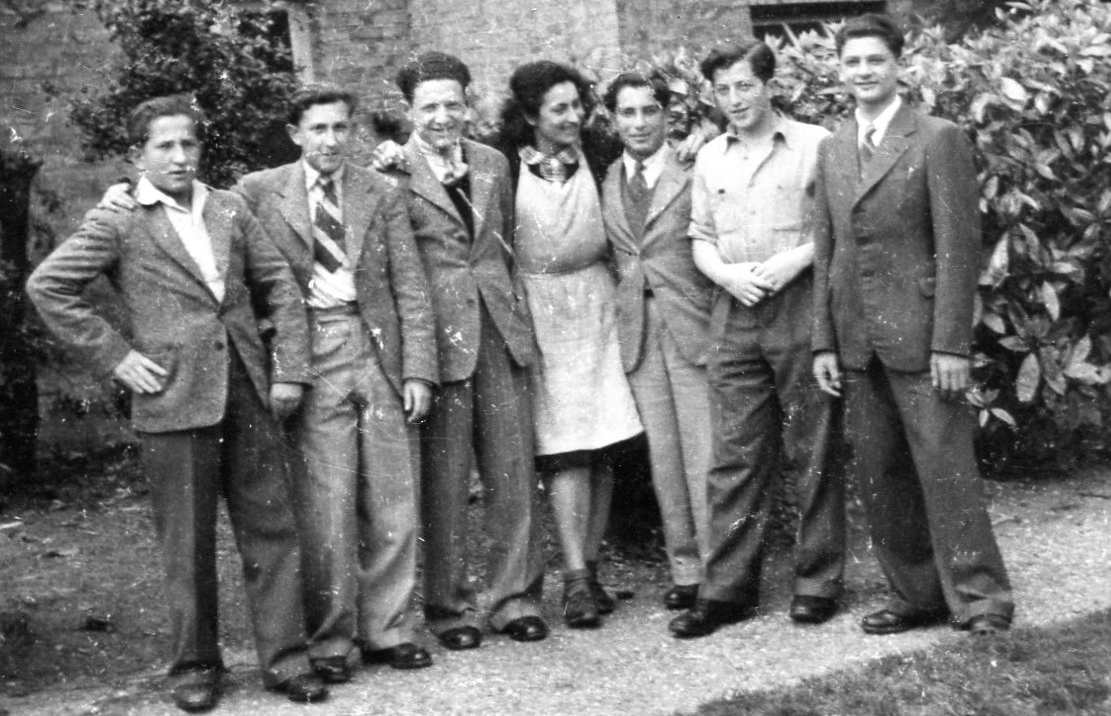
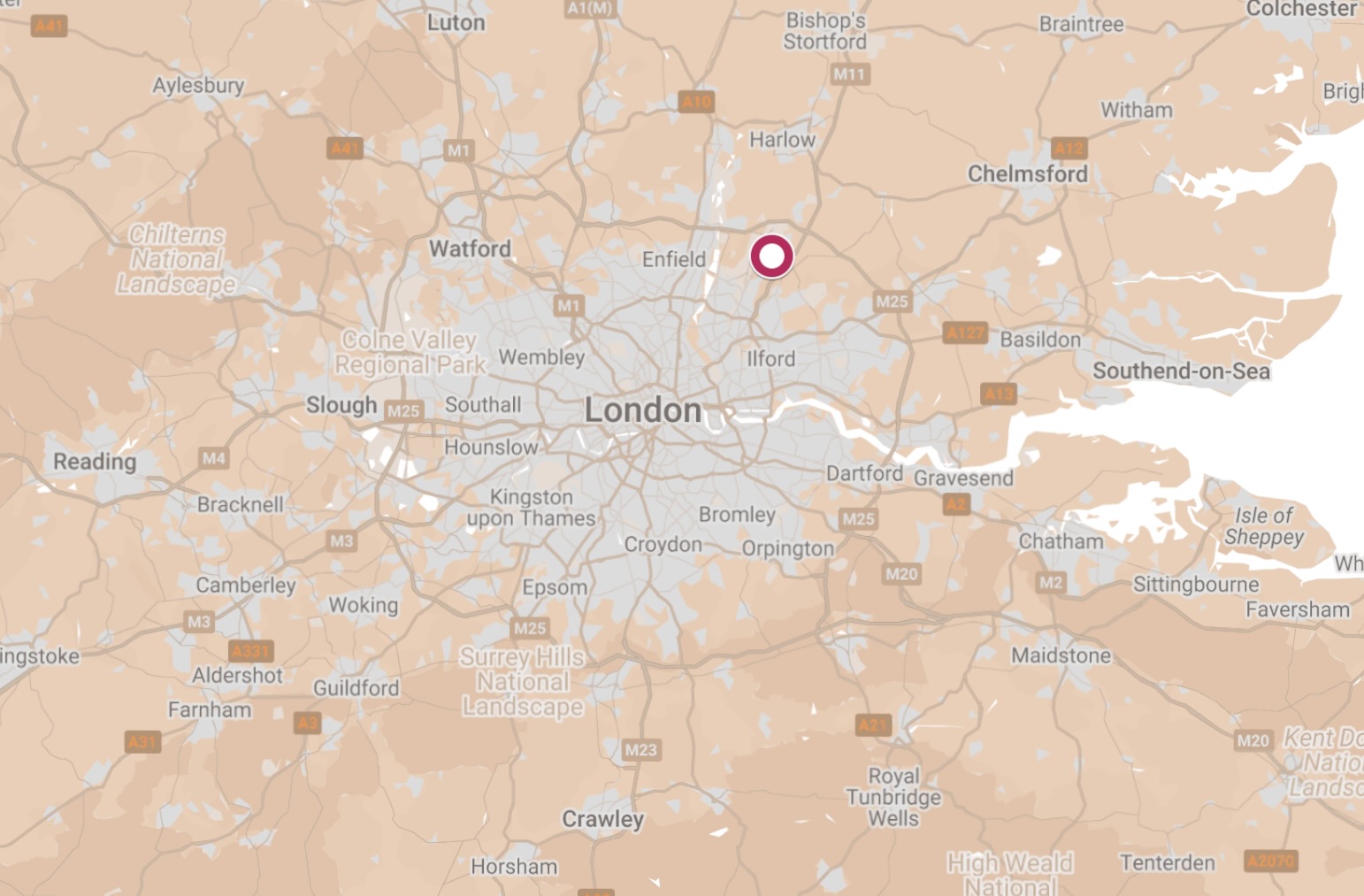
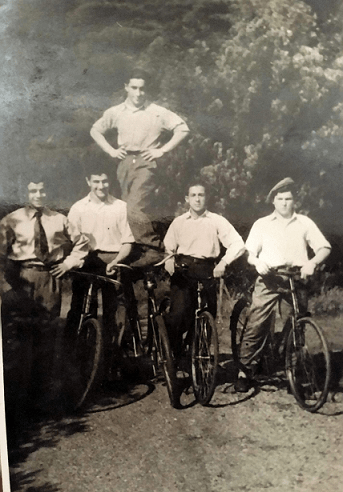
The Loughton hostel in was the town of Loughton in Essex, about 16km north-east of London. It opened in January 1946 and in December 1947. The hostel was run by Habonim, a socialist Zionist youth movement. The hostel was in Holmehurst House, a large country house, which is now a private home.
Staff
The staff included Eva Cohn, Miriam Henda, Malka Tettenbaum and Reuma Schwartz. Schwartz was from the Palestine Mandate and had come to London on a teacher-training course. She later married the President of Israel Ezer Weizman.
Yitzchak Souder from the religious Zionist organisation Bachad was also assigned to Loughton. Heini Goldberg was a counsellor who had been with the boys in the Windermere reception centre. Born in Breslau and had come to Britain before the war. He married Hilda Solomon who was also on the staff. Fay Nachmani was the cook.
The Loughton Story
To greet the boys, the staff set the table with sandwiches, cakes, chocolates and biscuits.
Reuma Schwartz recalled the difficulty of keeping discipline in Loughton. ‘They were so rough in the yard. The only way to get them quiet was to say ‘food, food’.”
Every morning there were three hours of English lessons. On Friday night there was always had a special meal, with a white tablecloth, wine and candles.
Tattenbaum collected together a group of people to act as friends of the hostel. Traders in the East End of London generously contributed food to supplement the rations.
Eva Cohn, who was one of the staff, had come to the UK on the Kindertransport before the war. She and other staff had rooms in the attic at the top of the house. One of The Boys told her he thought that they should have had the single rooms, instead of being made to share rooms with others in bunk beds. They had had enough of big dormitories.
Cohn described her time at Loughton: ‘In the afternoons, I did all the laundry work – washing, sorting and mending The Boys’ socks plus packing up all the other clothing for an external laundry. I sorted out the clothes upon their return from the laundry… After the discipline of the war work, it was totally different in Loughton where my role was very unstructured. I made sure that I had my hour for lunch. There was a swimming pool nearby and I went there many times during my lunch breaks. I feel guilty to this day that I did not take any of the Boys swimming with me or when I went to a cinema, but I was young and had not thought it through properly.’
There was much debate in the hostel about Palestine, then part of the British Empire. The Boys’ interest in Zionism was heightened in the summer of 1946, when, in a surprise dawn raid, British security forces entered a large number of Jewish settlements in Palestine and seized weapons that were being hidden there. In London, the Zionist organisations called for a mass protest demonstration in Trafalgar Square. Many boys left their hostels to participate, under their own banner. “We played a part,” Ben Helfgott, one of the Boys, later reflected, with pride. It was their first public involvement in post-war politics.
Aftermath
In 1948, many of the boys from Loughton went to fight as volunteers in the Israeli forces.
Tattenbaum also recalled that she “noticed that in the dining-room a photograph of Stalin had been put up. I understood the reason for this – the Red Army had liberated some of the camps – but after discussion the warden and I persuaded them to substitute a photograph of Herzl, explaining the importance of the Zionist vision of a homeland for the Jews.
Epping Forest Council have set up a project which launched in 2021 and aims to commemorate the Loughton hostel.
 About
About History
 Education
 Quilts
 FIlms
FIlms Photos
 News Media & Events
 Publications
 Donate