The Boys were teenage and child-Holocaust survivors, who were brought to the UK after the war for rest and rehabilitation.
The Boys had survived the Holocaust as slave labourers in the Nazi concentration camp system, in hiding and by living alone.
After arrival in the UK, members of the Boys spent time in the reception centres before being moved to children’s homes known as hostels. Others were sent direct to boarding school or yeshivas, and those who were sick spent time in sanatoriums. Some of the members of the Boys were lucky enough to find relatives or were taken in by foster families but the majority were moved to hostels.
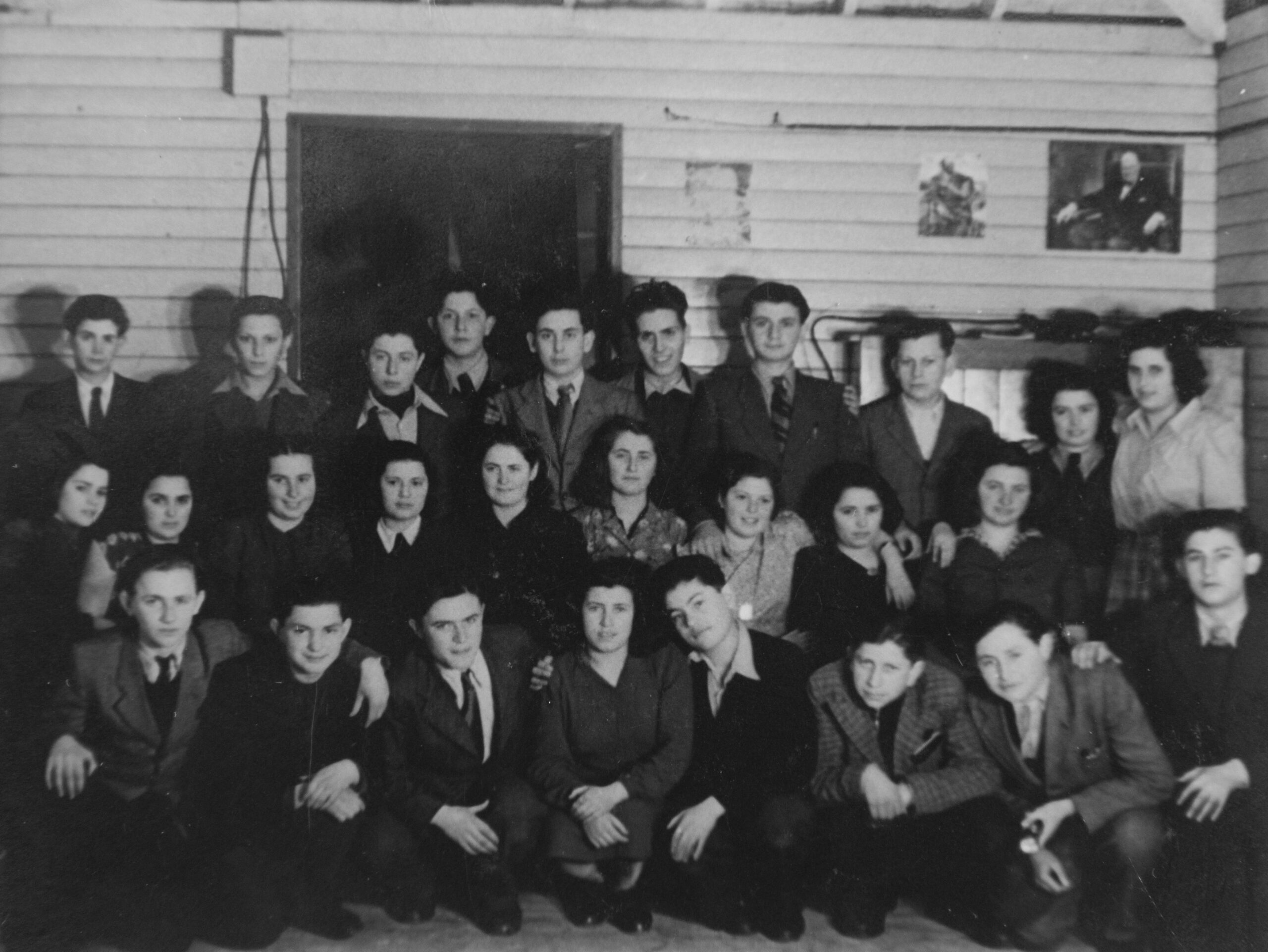
The hostel in Millisle was used as a reception centre for part of the Third Group of the Boys, who arrived in the UK in March 1946.
Overview
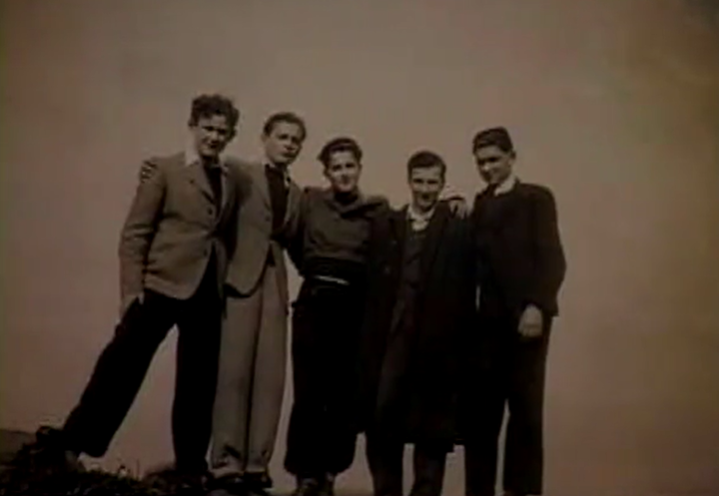
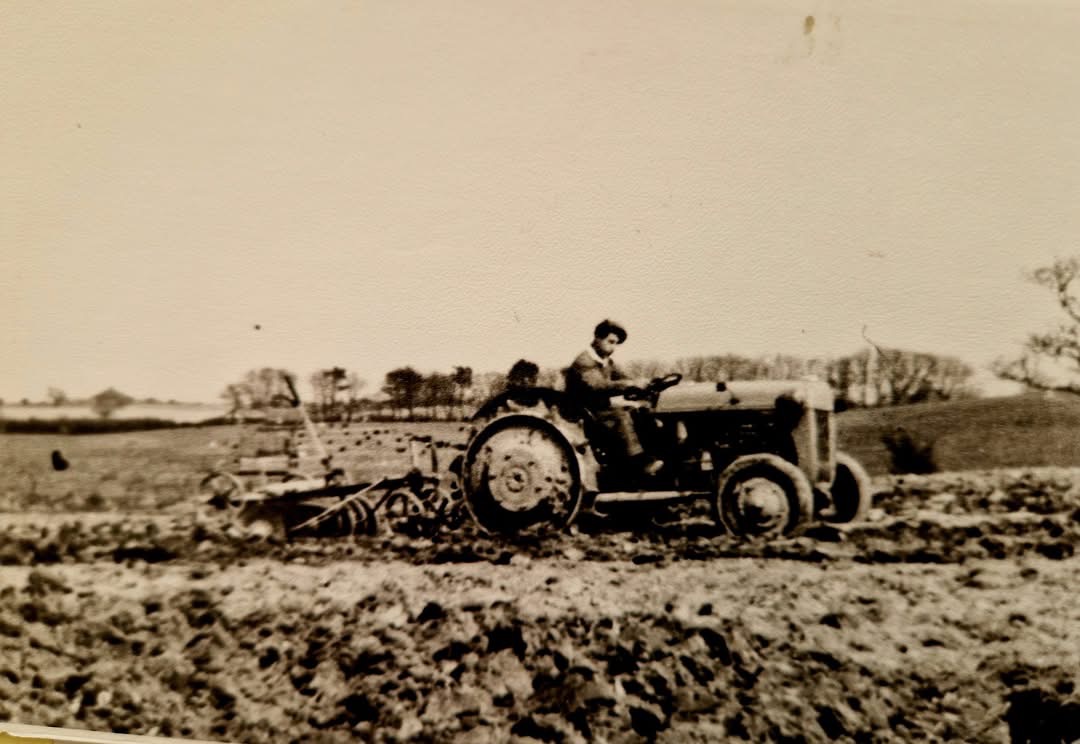
The hostel in Millisle was a training farm. It functioned between 1938 and 1948 and before the Boys arrived it had been used to house children who had come to Britain on the Kindertransports.
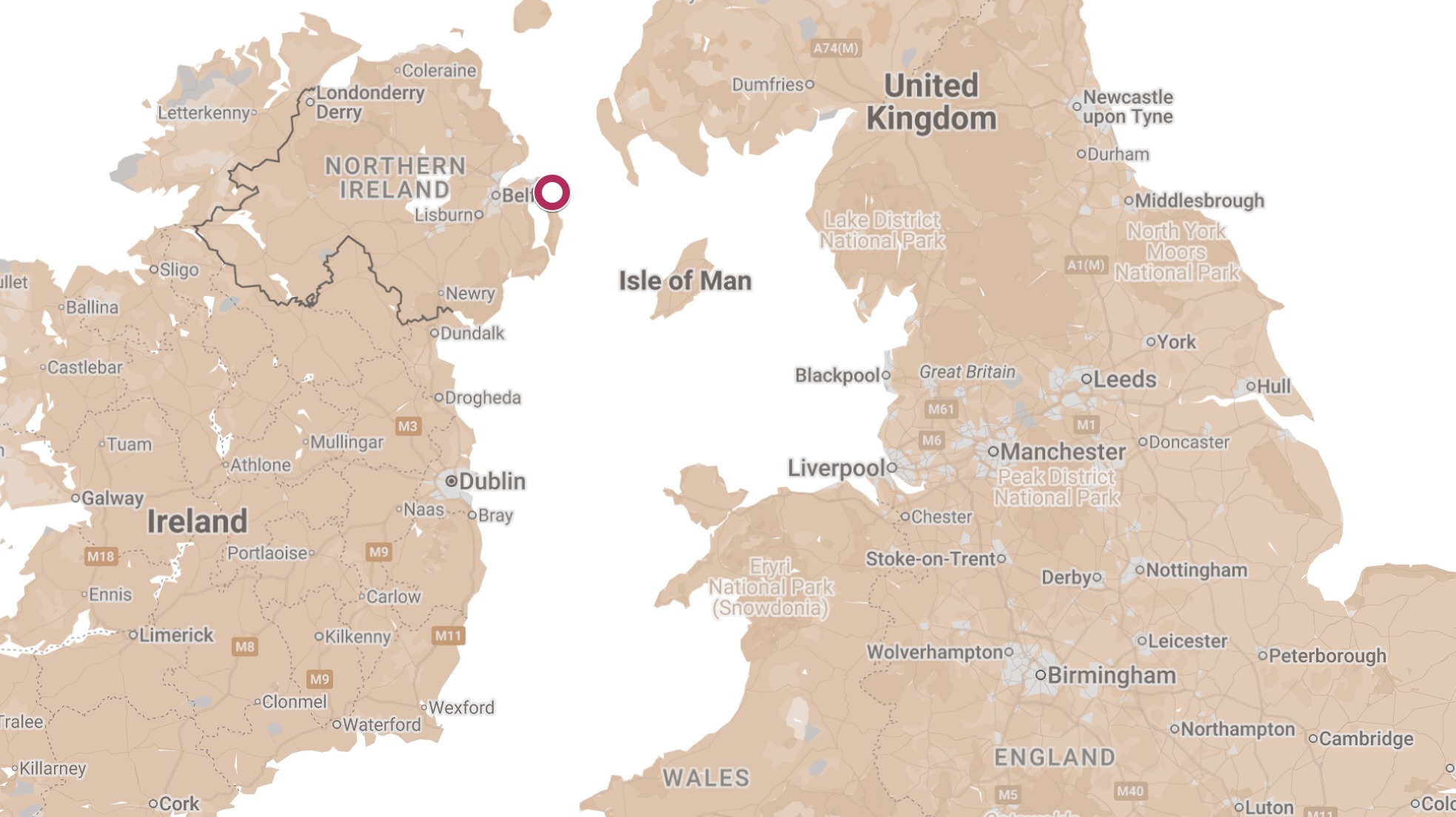
It was near the village of Donaghadee, 32km south of Belfast in Antrim county. There were close links with the Belfast and Dublin Jewish communities.
The Committee for the Care of the Concentration Camp Children knew that if given a choice the children would be reluctant to choose to go to Northern Ireland, so it was decided that a group would be flown directly there.
Forty-nine children were flown from Prague to Belfast in February 1946. Bachad’s Pummin Engle from Thaxted Farm went to Millisle to settle the group in.
The Millisle Story
When the Boys first arrived at Millisle, they were presented with a large meal in the dining hall. The children however grabbed the food in a desperate manner and rushed to hide it under their beds.
The daily routine began with prayers before a hearty breakfast. The morning was taken up with English lessons and the afternoon devoted to physical exercise and gardening.
The Boys slept in dormitories and the dining room had views of the fields nearby. They were given half a crown of pocket money each week to go to the cinema and amusement arcade in Donaghadee.
The hostel was often visited by people from the local Jewish community and occasionally by the Rabbi of Belfast. During the summer, the children were invited on holidays by the Dublin Jewish community. They were usually split into pairs and each pair would be allocated to a family in the community. Victor Greenberg (Vilem Greunberg), one of the Boys described this as “a wonderful luxurious revelation.”
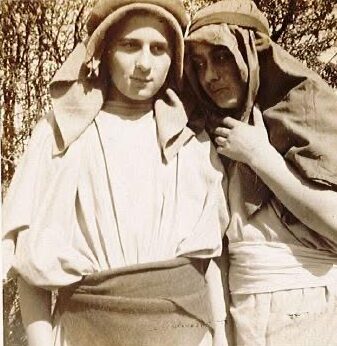
The group at Millisle once performed a play for the Jewish community in Dublin written by Dr Fridolin ‘Ginger’ Friedmann and one of the Boys Isaac Brandstein.
Later, a house was purchased in Donaghee and a group of 35 were moved to live there.
Some of the children were not happy in these remote rural communities and although many of them wanted to go Palestine, they wanted to go with qualifications and training, not just knowing how to milk a cow. Friedmann said the children felt ‘deceived’ by the conditions in which they were brought to the UK.
“My brother and I came to Ireland on a plane – first time ever – and we got to Belfast. In Belfast we were welcomed by the Jewish organisation there. They had a farm arranged for us all to live on called Millisle near Donaghadee and this farm had all the home produce as a farm would have so that we would recuperate there, we would get healthy and learn the language … after one month we were all X-rayed and taken to doctors and hospitals where we were tested and all sorts of things. They discovered that my brother had tuberculosis and he had to be transported to England to a sanatorium.”
The Staff
Dr Fridolin ‘Ginger’ Friedmann, who had run the reception centre in Wintershill Hall took over the running of the farm when the third group arrived. His initial reaction was that the hostel had a barracks like atmosphere and he feared it was over-crowded.
He was then replaced by Bachad’s Erwin Seligmann and Mrs Friedman was replaced as matron by Sidi Levy, from Thaxted Farm.
The religious Zionist organisation Bachad played an important part in running the Millisle hostel. Although, The Committee for the Care of the Concentration Camp Children were not happy with the way that Bachad ran the Millisle hostel.
Overseeing Millisle for Bachad was Efraim Kritzler. Bachad’s members at Millisle were: Bobbie Vogel, who oversaw education, Anne Sakz, Freida Cohen, Josef Honig and Traudel Honig.
Millisle Today
Millisle hostel is now a private farm.
There is a primary school next door with a Holocaust memorial garden commemorating “The safe haven which the farm, the school and the community of Millisle offered to hundreds of Jewish refugees during the years 1939-1949.”
In 2018, Holocaust survivor, Ruzena Solomovic, now Rachel Levy, returned to Millisle and her visit was documented by the BBC.
 About
About History
 Education
 Quilts
 FIlms
FIlms Photos
 News Media & Events
 Publications
 Donate