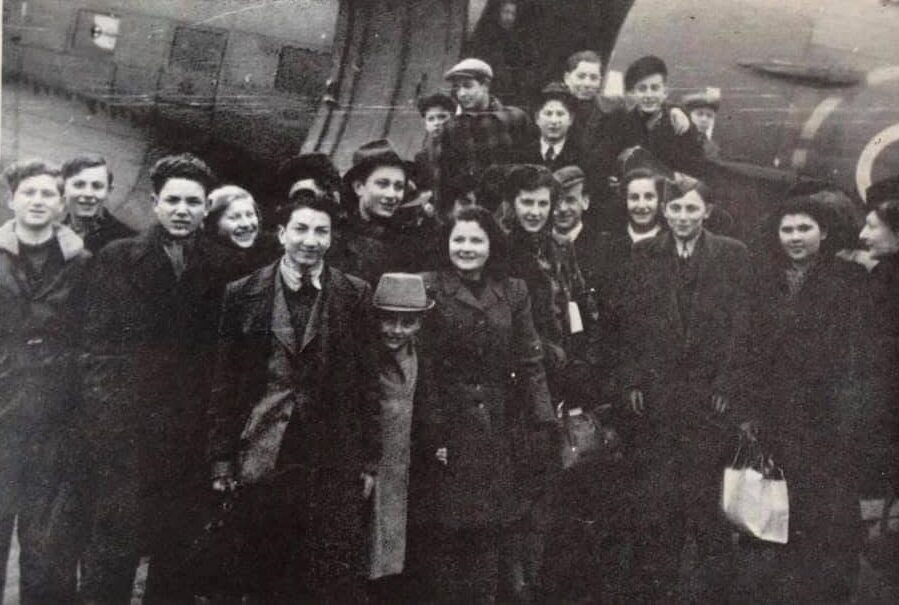
The Boys were teenage and child-Holocaust survivors, who were brought to the UK after the war for rest and rehabilitation.
The Boys had survived the Holocaust as slave labourers in the Nazi concentration camp system, in hiding and by living alone.
After arrival in the UK, members of the Boys spent time in the reception centres before being moved to children’s homes known as hostels. Others were sent direct to boarding school or yeshivas, and those who were sick spent time in sanatoriums.
Some of the members of the Boys were lucky enough to find relatives or were taken in by foster families but the majority were moved to children’s homes known as hostels.
Polton House was used as a reception centre for part of the Third Group of the Boys, who arrived in the UK in March 1946.
Overview
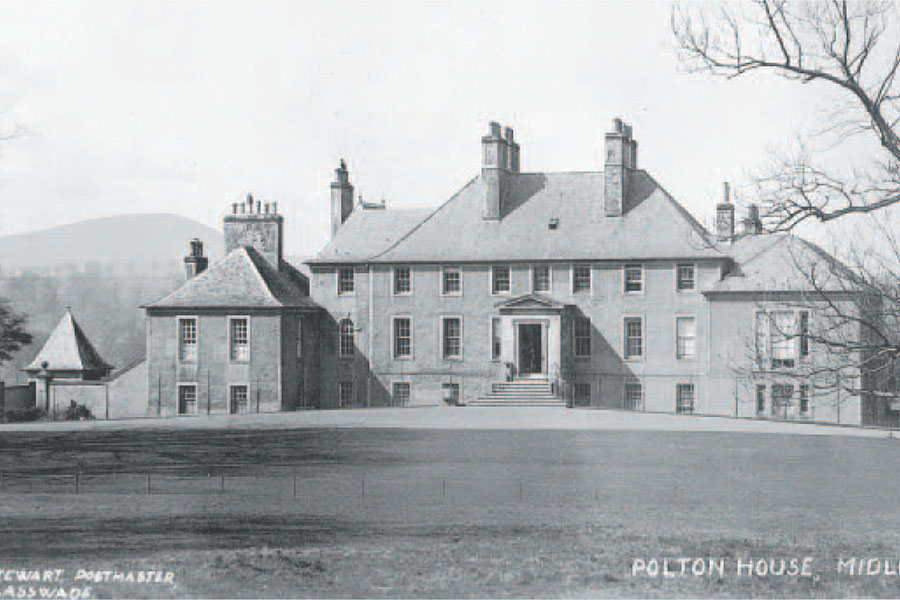
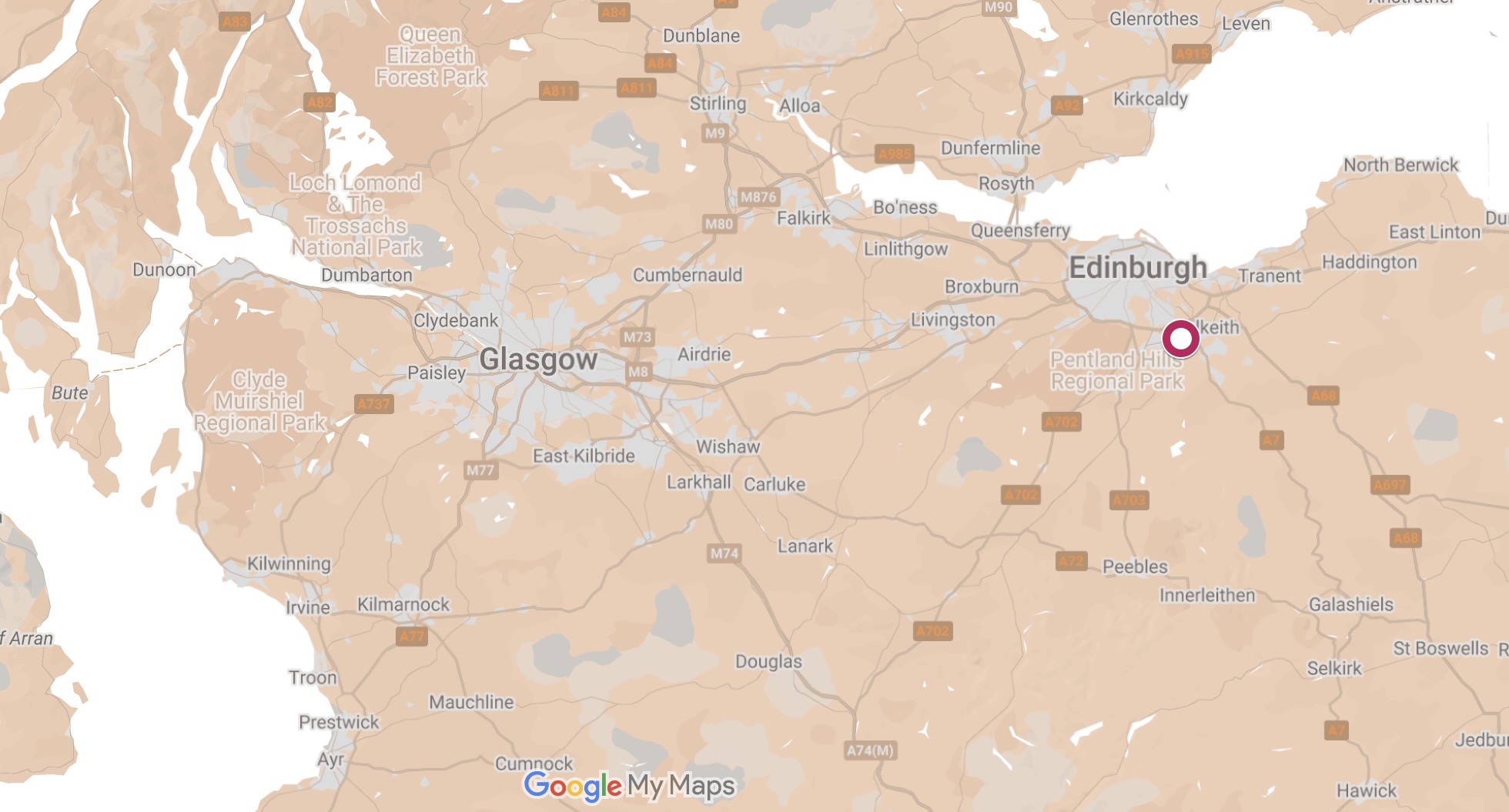
The hostel was a Zionist training farm, in Lasswade, Scotland, 12km south of Edinburgh. Polton House was originally used to house German Jewish refugee children from the Kindertransport before and during the war.
The hostel functioned between January and December 1946 and 40 of the Boys stayed here.
Polton House was an 18th century house, which was probably built on the site of an older property dating back to at least the 16th century. The house belonged to Sir Philip Dundas, the founder of the Scottish branch of Alcoholics Anonymous. It was surrounded by flat countryside and was a large farmstead with a manor house, where the legend was that Mary Queen of Scots had been imprisoned.
There were classrooms up and downstairs and a large recreational area in the basement. The house was demolished and is now an industrial estate. The principal was Mr Zulawel.
Marcus, one of the Kindertransport children from Germany cared for at Polton House during the World War II, returned to care for the children. He was killed in 1948 in the Israeli War of Independence.
“We flew from Prague Airport to Prestwick, Scotland in January 1946. We were placed at Polton House, a farm school in Midlothian. It was a beautiful mansion with lovely grounds. Mary. Queen of Scots, was said to have been imprisoned in the lodge at one time. We were there for about a year learning English, going to school in the village and discovering how to get on with each other. Many of us have stayed friends till today. Our Scottish teacher was Mr Harboth who had graduated from Heidelberg. He taught us arithmetic and the British currency system, weights and measures. From there, we joined the group in Bedford; they were preparing to go to Israel. Others went to London hostels. Lots of them went on to the States.”
Berta Fischer, ‘45 Aid Society Journal 2000
The Polton House Story
Scotland’s first training farm was Whittinghame Farm School in East Lothian. The school was in Whittinghame House, the former home of the British politician A. J. Balfour, where he had written the 1917 Balfour Declaration, a statement issued by the British government supporting the establishment of a Jewish homeland.
Balfour’s nephew, who inherited the house, offered it to house Kindertransport children before World War II and to prepare them for life in the Palestine Mandate on a training farm. In 1941, the school closed down and the remaining children moved to Polton House.
The Committee for the Care of the Concentration Camp Children had originally intended to send 50 of the second group, who arrived in October 1945, to Polton House, but the children refused to go to Scotland. The committee then decided it would be best to send a group of children directly to Polton House.
Those children were part of the third group to arrive in the UK, who were flown to Prestwick airport in the spring of 1946 and taken by bus to Polton House.
The committee made an arrangement with the dairy farm next door to train the children. The situation in Polton House, however, was unsatisfactory. Some of the children were unhappy in the remote rural community and although many of them wanted to go Palestine, they wanted to go with qualifications and training, not just knowing how to milk a cow.
The Boys attended a local school but had great difficulty understanding the Scottish accent so after a few weeks they were taught at Polton House.
 About
About History
 Education
 Quilts
 FIlms
FIlms Photos
 News Media & Events
 Publications
 Donate