The Boys were teenage and child-Holocaust survivors, who were brought to the UK after the war for rest and rehabilitation.
The Boys had survived the Holocaust as slave labourers in the Nazi concentration camp system, in hiding and by living alone.
After arrival in the UK, members of the Boys spent time in the reception centres before being moved to children’s homes known as hostels. Others were sent direct to boarding school or yeshivas, and those who were sick spent time in sanatoriums.
Some of the members of the Boys were lucky enough to find relatives or were taken in by foster families but the majority were moved to hostels.
Weir Courtney was one of these hostels.
Overview
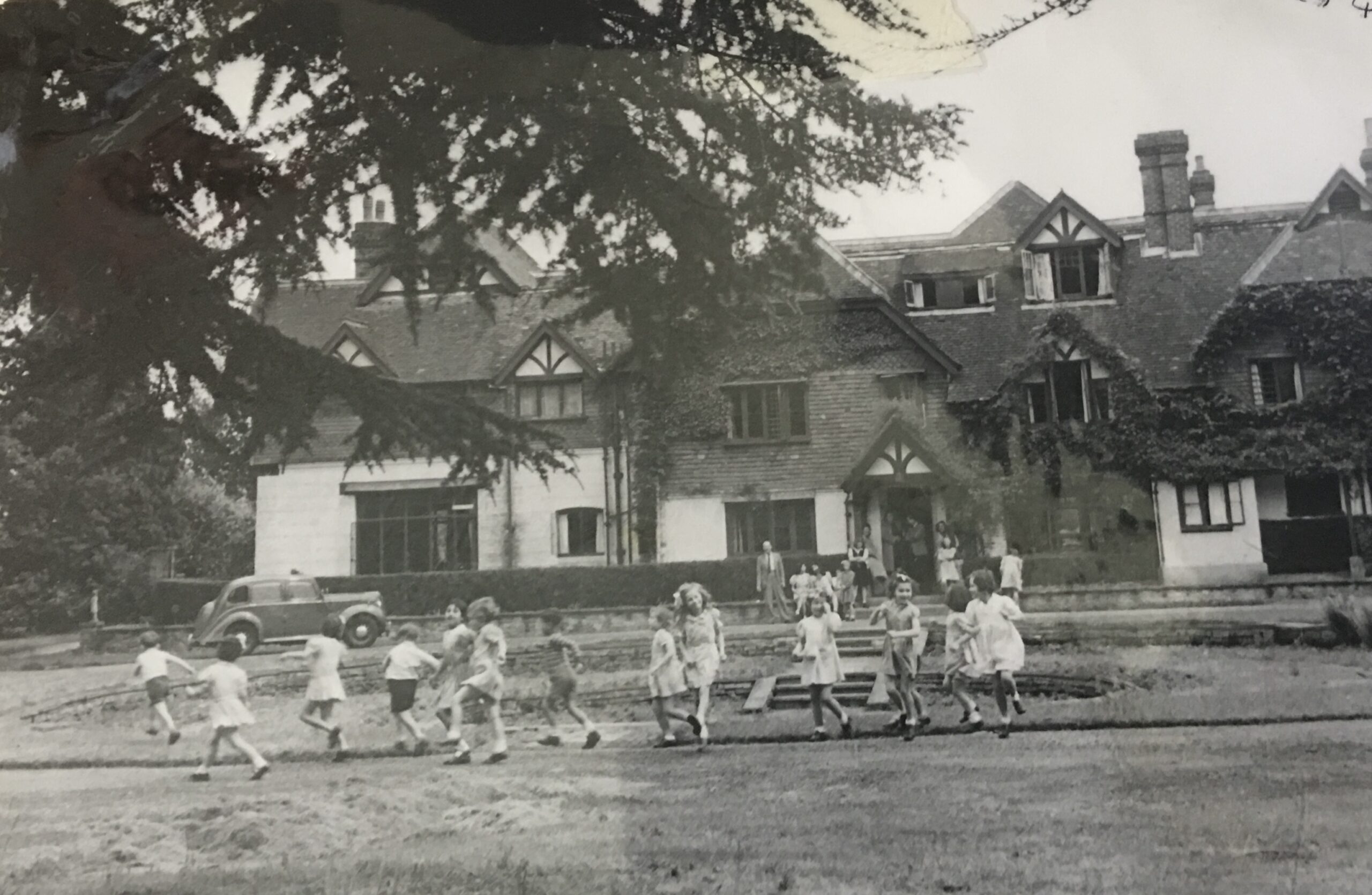
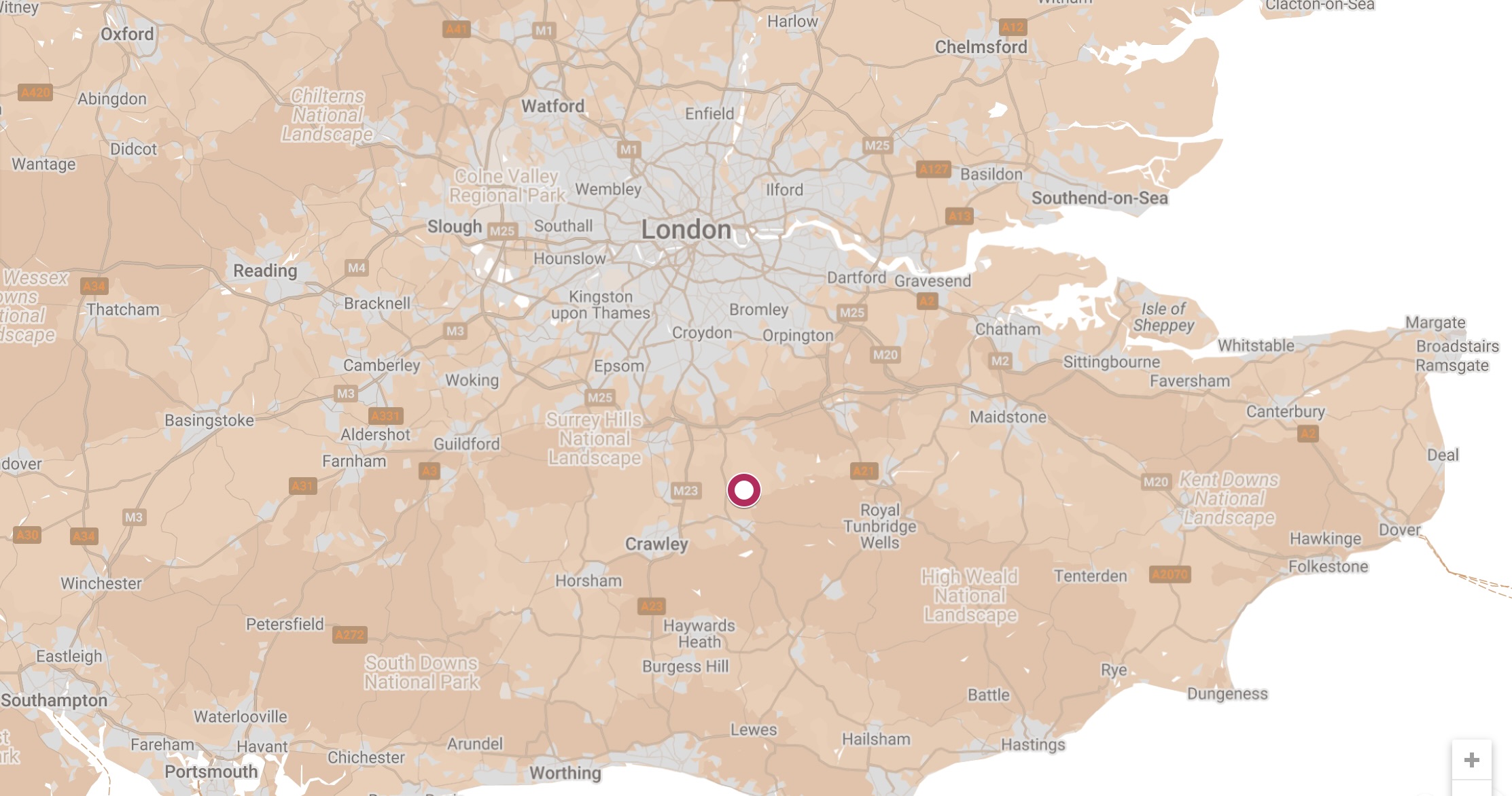
Weir Courtney was a large country house outside Lingfield, a village in Surrey, about 40km south of London.
The House
Weir Courtney stood on a gentle rise surrounded by fields, woods and orchards. It had three floors and 26 rooms and backed onto the Lingfield racecourse. Situated slightly outside the village of Lingfield, it gives the impression of having been a secure and secluded place to house the child survivors.
The house was built as a family residence, probably in the 1880s, but has a history as a place of sanctuary. From 1898 to 1901 it served as temporary accommodation for destitute and elderly clergymen.
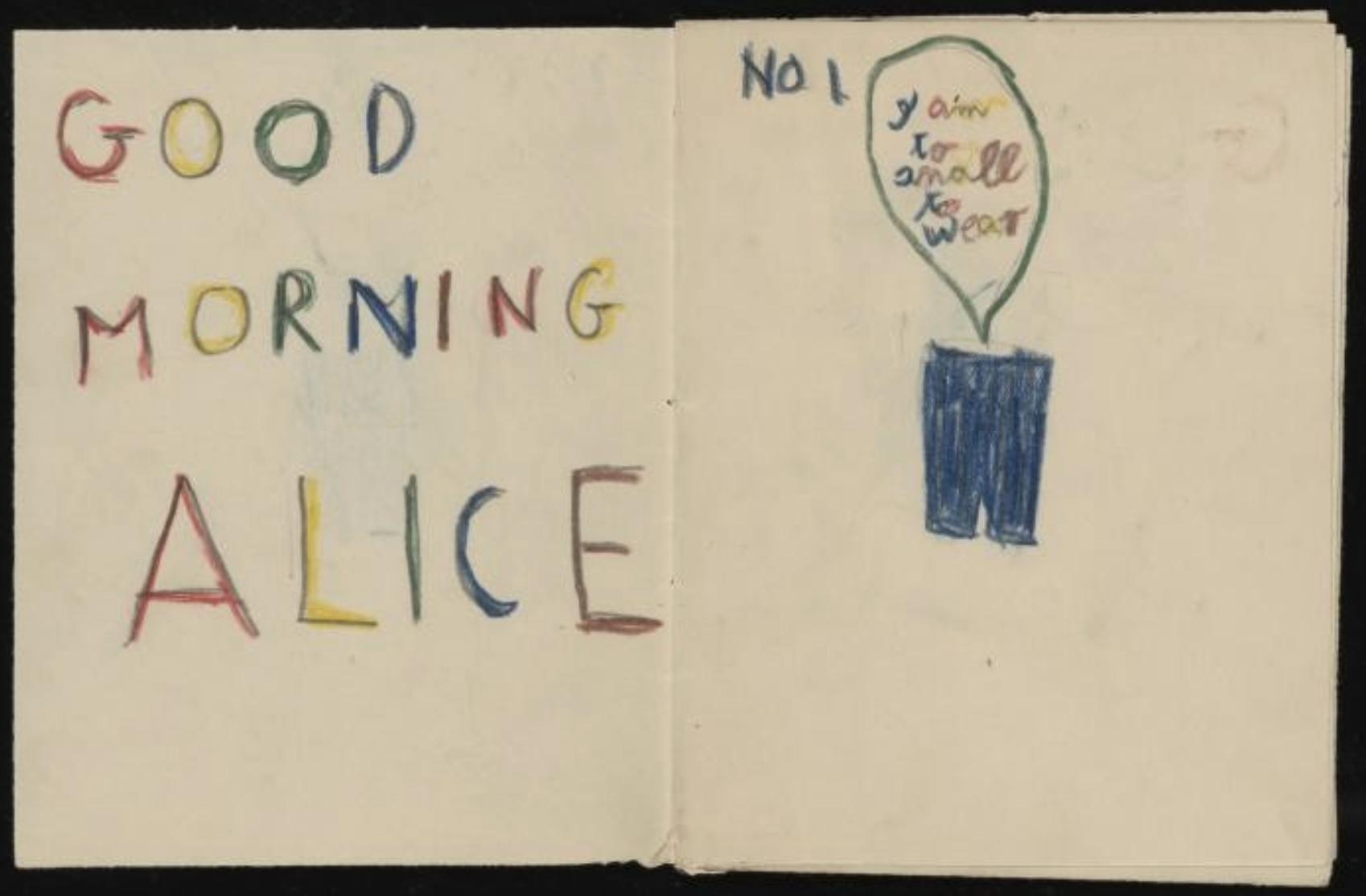
“The children arrived at night. It was the first night of Chanukah [1945], the Festival of Rededication commemorating the ancient victory of the Jews over the power of Hellenism. The house was filled with guests waiting to welcome the children, including people from the West London Synagogue who had undertaken financial support.
‘The children’s faces as they came in,’ Alice remembers, ‘are unforgettable to me – eyes so wide; most were shy at first. But it did not take long and they were discovering the place, running upstairs to see the rooms where they would sleep, calling to each other to show things. Then we got them together, helped them to light the first Chanukah candle while Rabbi Reinhart sang the blessing. To see these children singing and happy was so gratifying to us.'”
In 1930, Weir Courtney was purchased by Sir Benjamin Drage as a weekend and holiday home. On the outbreak of war, the house was home to several evacuees and between 1942 and 1943 it was also used as a war nursery.
The houses still exists. The estate at Weir Courtney has been divided up and there is a new house built in the grounds.
The Weir Courtney Story
At the end of World War II, Sir Benjamin and his wife leased Weir Courtney rent-free to the Central British Fund as a home for a group of some of the youngest Holocaust survivors arriving in Britain.
The hostel was financed by the West London synagogue and initially also received financial support from The American Foster Parents Plan.
“The centre had begun its work some months before we arrived (the first group of children had come from Prague in August 1945). As soon as we got there we were taken to a room full of toys. It was a real Land of Toys for us, who hadn’t touched a toy in more than two years. And what toys! There was an enormous doll’s house, with rooms and furniture and all the rest; an almost life-sized horse; and a lot of little cars. It may seem silly, but when we entered that room of toys we felt instantly revived. It was an almost immediate sensation – out heart skipped a beat.”
Andra & Tatiana Bucci, Always Remember Your Name: The Children of Auschwitz (Manilla, 2022).
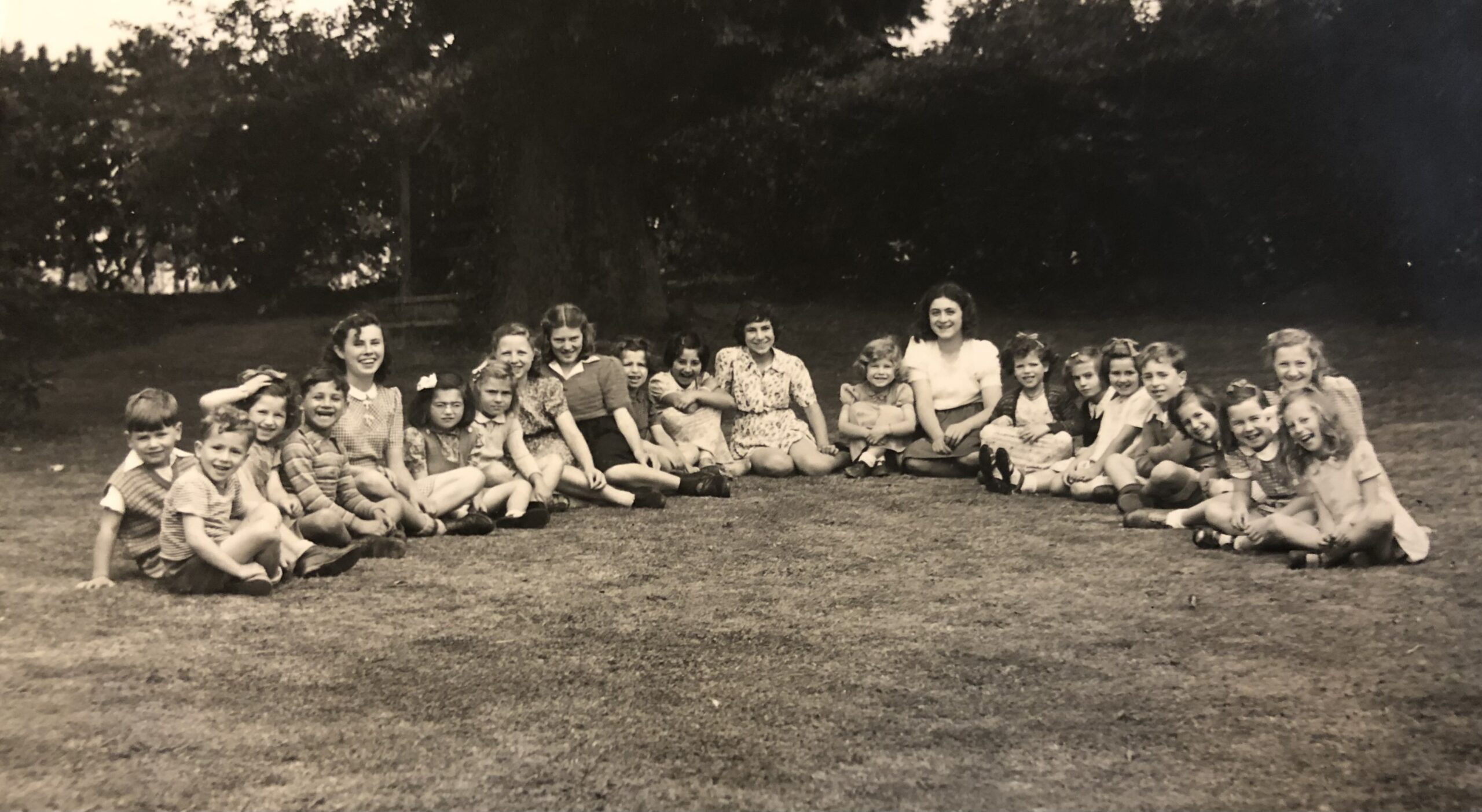
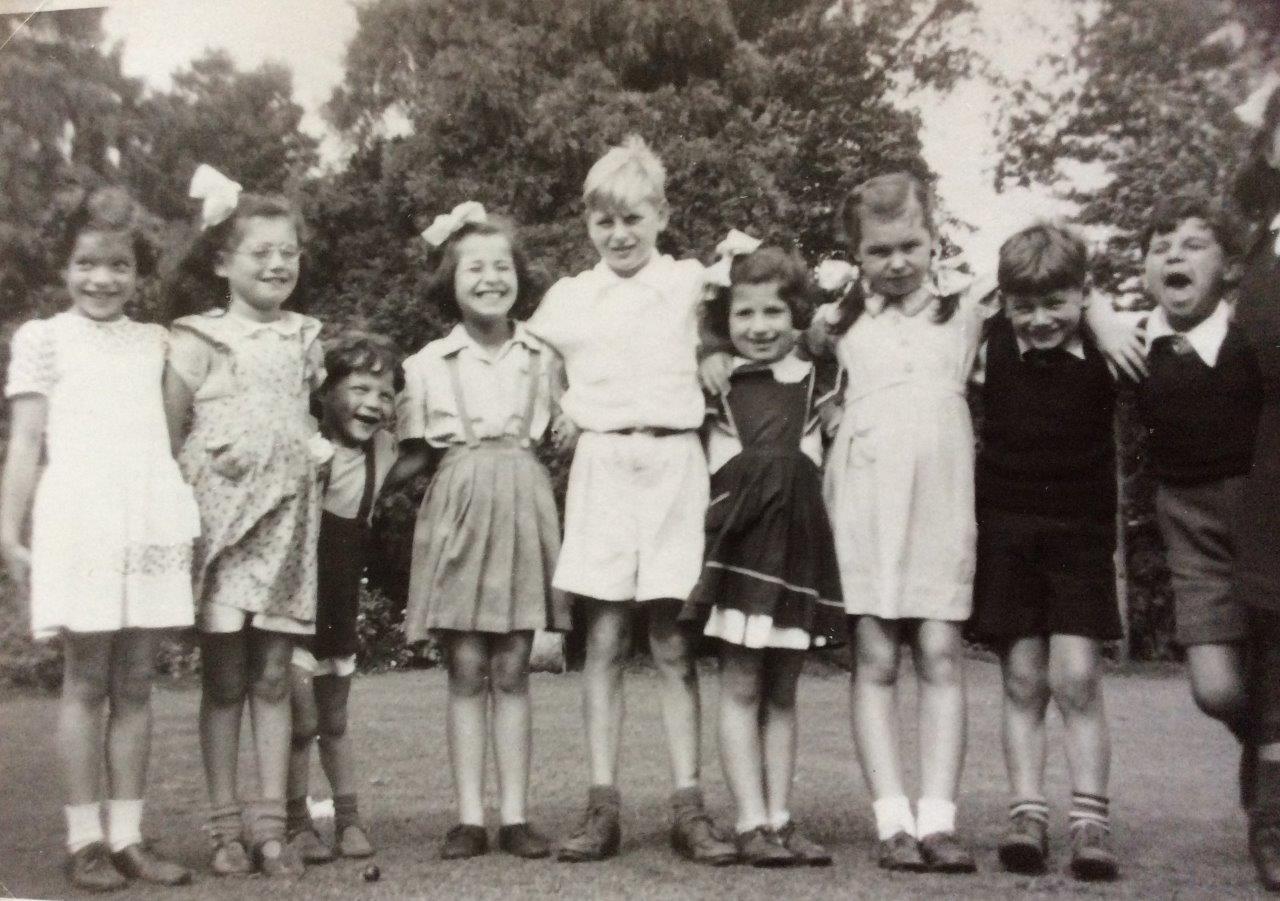
The majority of the children cared for at Weir Courtney were between three and eight years old on arrival in England in 1945, and were of German, Czech, Hungarian and Italian origin. Many had been in hiding during the war or had survived the Theresienstadt Ghetto or the Auschwitz II-Birkenau concentration camp.
The hostel was run by the child therapist Alice Goldberger, who was also a Jewish refugee. Other staff members included Hilda Katz, Etta Pickhart, Manna Weindling and Sophie Wutsch.
The first group from the Windermere reception centre arrived on the first evening of Hanukah, December 1945. The house was full of people to greet them including members of the West London synagogue.
In her first report to sponsors in April 1946, Goldberger reported that the children at the ‘Lingfield Colony’ had started at the village school a few weeks after their arrival.
Records of Jewish children from Weir Courtney appear later in the 1947 Dormansland school registers held at Surrey History Centre. They recall that they sat alone and were referred to as the German children.
The first group of children were followed by two further groups in 1946. Some of the children believed Weir Courtney was a Nazi trick and took time to settle.
The children were petrified of dogs and the appearance of German prisoners of war, of which there were many in the locality. They were also disturbed by rumours in the press that Hitler was not dead. Goldberger would pull out her harmonica to calm the children when they became agitated.
They ate dinner at eight separate tables and Goldberger would take turns to sit at each. On Friday night and Saturday lunch the tables were all put together and Alice sat at the head of the table. They had orange juice, chicken and an individual challah, traditional Jewish bread eaten.
At night, the children would say the Shema Yisrael prayer before bed and get a piece of chocolate, which was exceptional at the time as chocolate was rationed.
In a report of April 1946 to sponsors, Alice Goldberger wrote:
“Striking is the friendliness and love towards each other – the children are not bitter, as one would expect, but care for and protect everybody and are most thankful for any love and attention are given to them.”
A month later she added:
“The close contact between older and younger children gives them some feeling of family life and home which they have lost.”
In 1946, the youngest children who had been cared for at Bulldogs Bank arrived at Weir Courtney. Three of those children were then adopted from Weir Courtney.
In December 1948, the hostel moved to nearby Lingfield House, and Weir Courtney was sold in 1949. Lingfield continued to care for the children until 1957.

 About
About History
 Education
 Quilts
 FIlms
FIlms Photos
 News Media & Events
 Publications
 Donate