Members of the Boys were held in Nazi labour and concentration camps and used as slave labourers.
From 1933-1945 Nazi Germany operated over 1,000 concentration camps and subcamps in its own territory and across German occupied Europe. Among them was the Dachau concentration camp.
As the camps were dissolved thousands of people among them members of the Boys endured horrific evacuations from the camps on foot, in freight wagons and open top trains, as well as perilous journey across the Baltic Sea.
The Boys were teenage and child-Holocaust survivors, who were brought to the UK after the war for rest and rehabilitation.
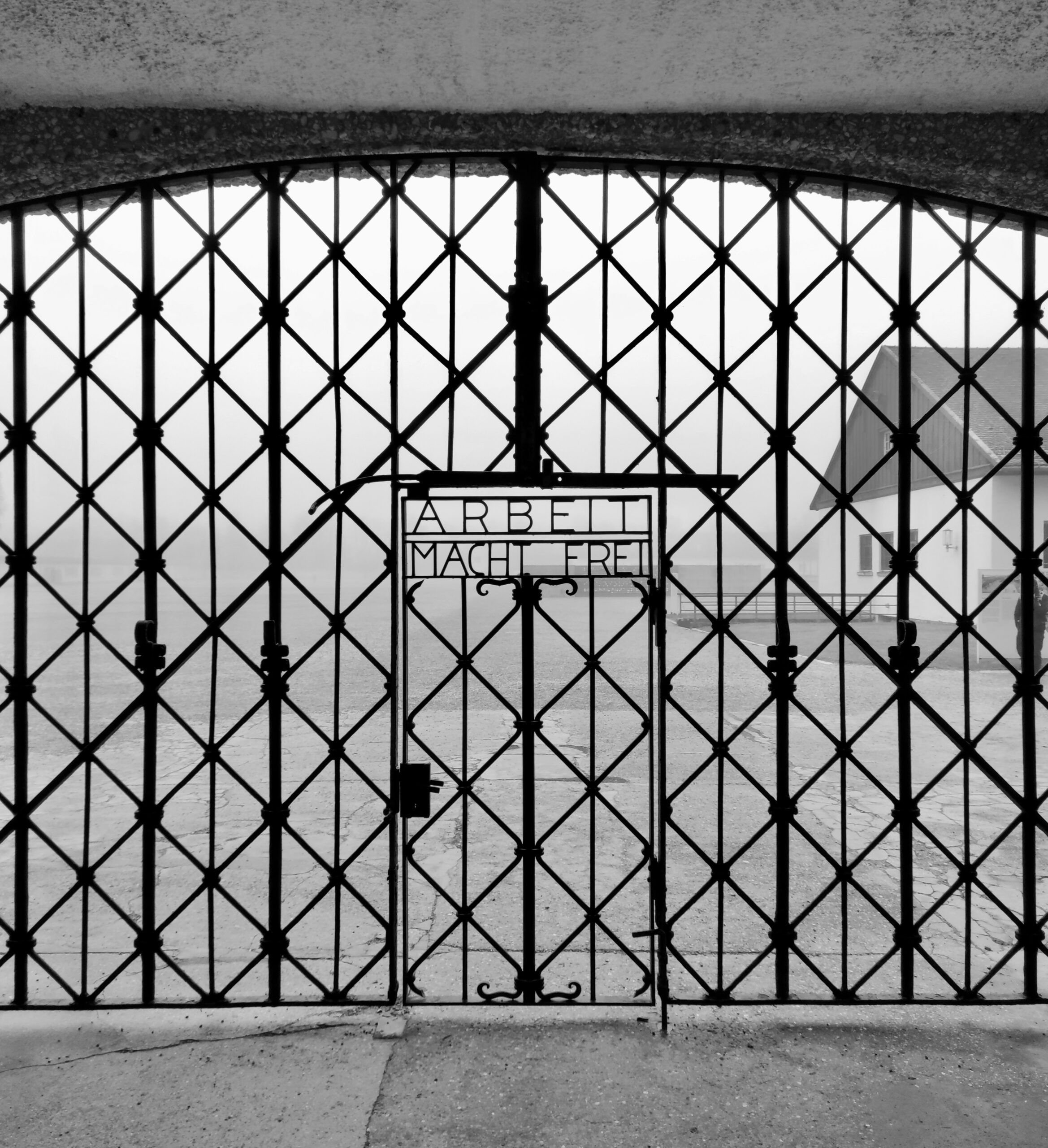
Overview
Due to its location in the interior of the Reich, the Dachau concentration camp and its subcamp of Allach became a collection point for prisoners who came from the concentration camps of Auschwitz, Natzweiler-Struthof, Flossenbürg and Buchenwald. The camp was overwhelmed and the deathrate skyrocketed.
Aware that Germany was about to be defeated in World War II, the SS began to destroy evidence of the crimes it had committed in Dachau and drew up a plan to murder the prisoners. These plans were abandoned and in mid-April as the Red Army advanced on Berlin plans to evacuate the camp by sending prisoners toward Tyrol were drawn up.
Death March to the Tyrol
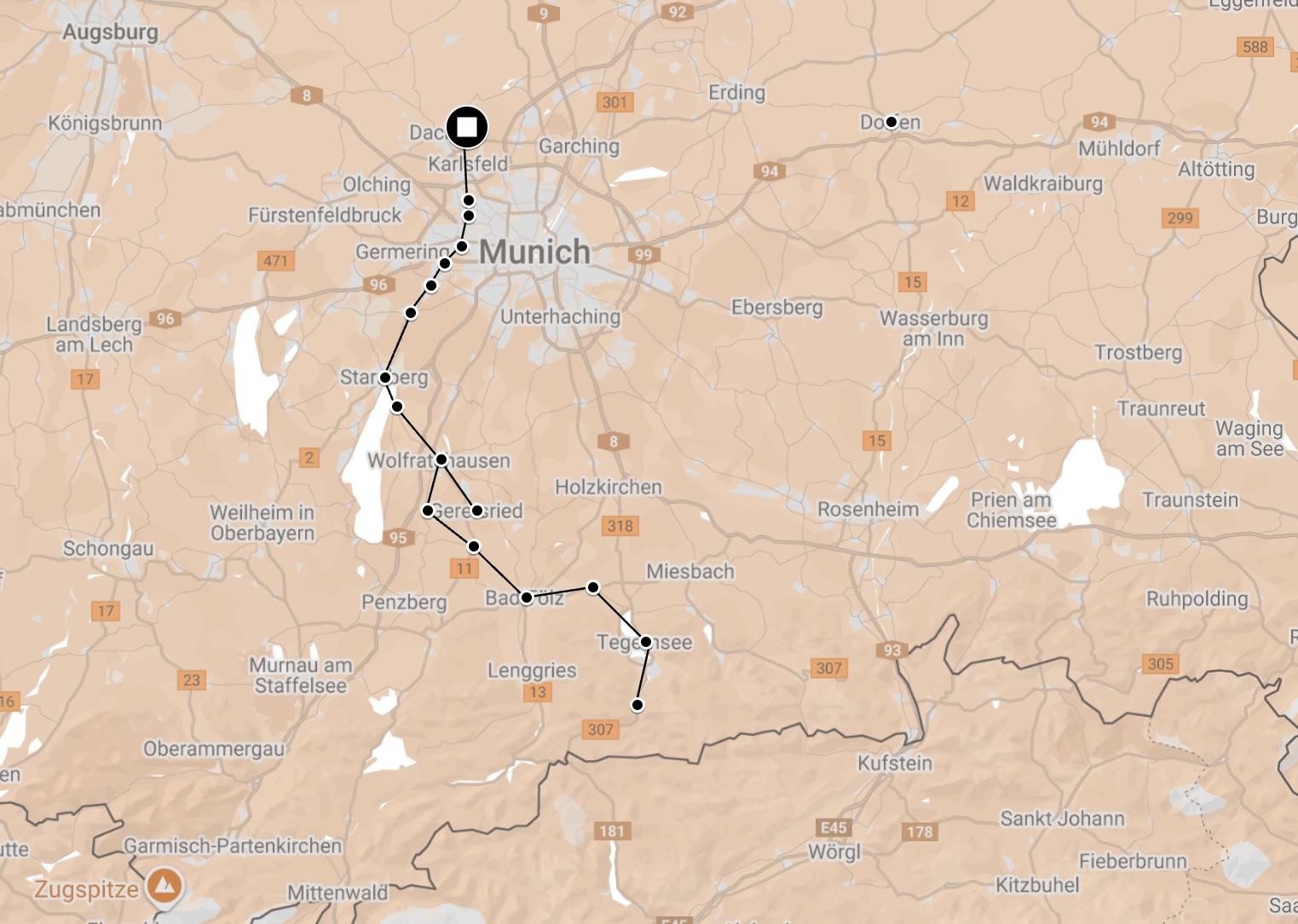
The order to evacuate the Dachau concentration camp and its satellite camps was only given a few days before the arrival of the American troops. On April 23, 1945, the dissolution of satellite camps of the Kaufering complex began and that of Muhldorf on 24 April 1945. A train transport joined with one from the the Muhldorf subcamp in Munich and went to Seefeld (see Death Mach from Muhldorf).
The prisoners were segregated as they marched. Soviet prisoners were in the front, Jews in the middle and Germans at the back of the column. The Jewish prisoners were marched back into Germany and were drowned in a flood or shot by the SS.
Route
The march went through Obermenzing – Allach – Pansing – Gräfelfing – Krailling – Gauting to Starnberg. It then continued via Berg and Dorfen through Wolfratshausen to Geretsried, where part of the march terminated. The rest of the prisoners carried on via Eurasburg – Konigsdorf – Bad Tölz – Waakirchen – Tegernsee and stopped in Krueth.
The marches were mainly carried out in the dark so that they would not be detected by Allied aircraft. Exactly what the SS intended to do with the prisoners is unclear. It is possible that the SS hoped to use them as bargaining chips in negotiations with the Allies, wanted to use the prisoners to build fortifications or simply intended to murder them.
The prisoners on the death march were liberated on 2 May 1945.

 About
About History
 Education
 Quilts
 FIlms
FIlms Photos
 News Media & Events
 Publications
 Donate