Members of the Boys were held in Nazi labour and concentration camps and used as slave labourers.
From 1933-1945 Nazi Germany operated over 1,000 concentration camps and subcamps in its own territory and across German occupied Europe. Among them was the Dachau concentration camp.
As the camps were dissolved thousands of people among them members of the Boys endured horrific evacuations from the camps on foot, in freight wagons and open top trains, as well as perilous journey across the Baltic Sea.
The Boys were teenage and child-Holocaust survivors, who were brought to the UK after the war for rest and rehabilitation.
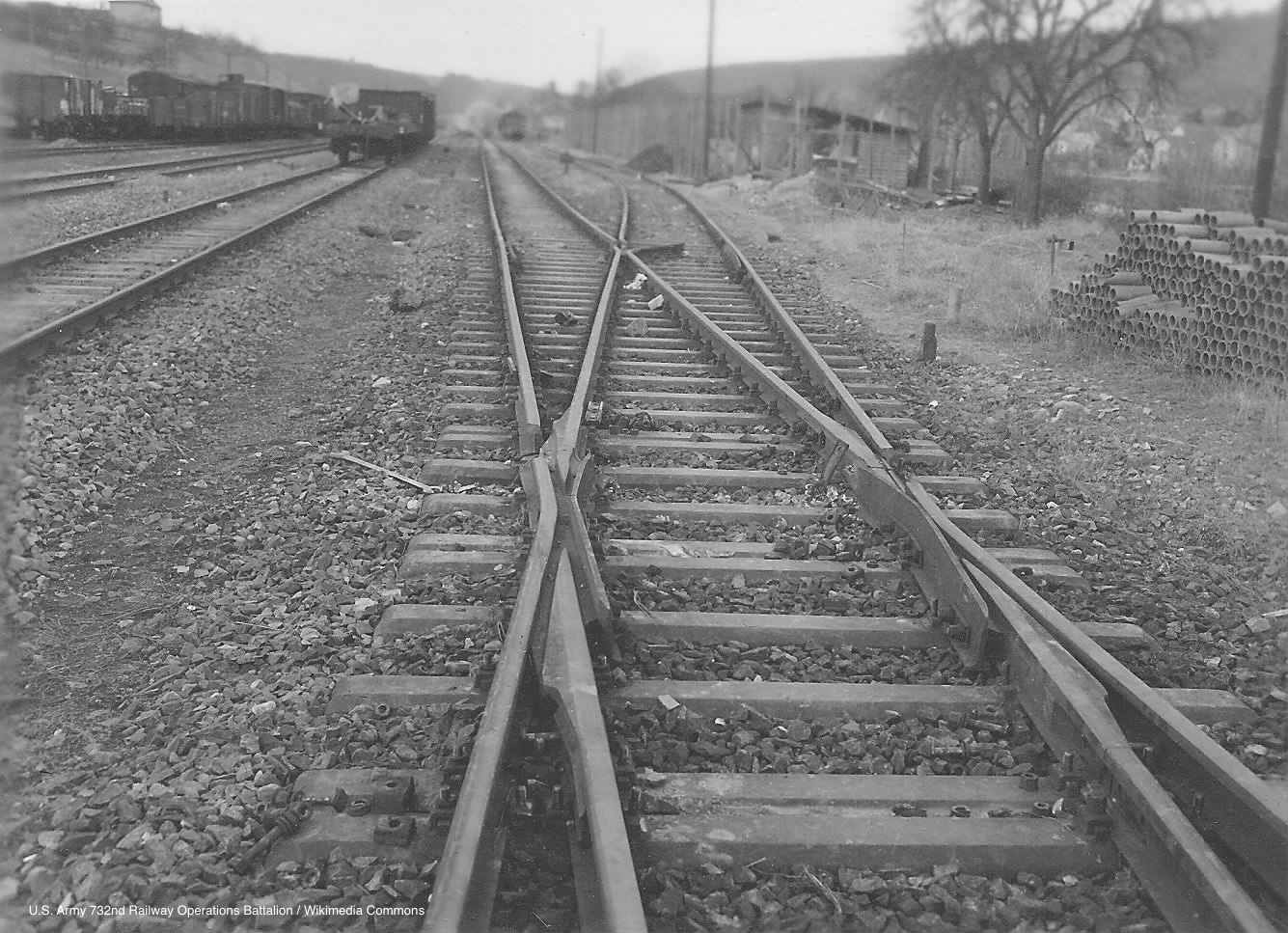
As the war drew to a close, the Germans intended to murder all the Jewish prisoners in the Dachau subcamps of Kaufering and Mühldorf, in a plan code named Aktion Wolkenbrand – Action Fire Cloud. The plan was abandoned and in late April, but as the US army approached the camp, the SS guards evacuated some 3,600 prisoners from Mühldorf on a death march/death train towards the Alps.
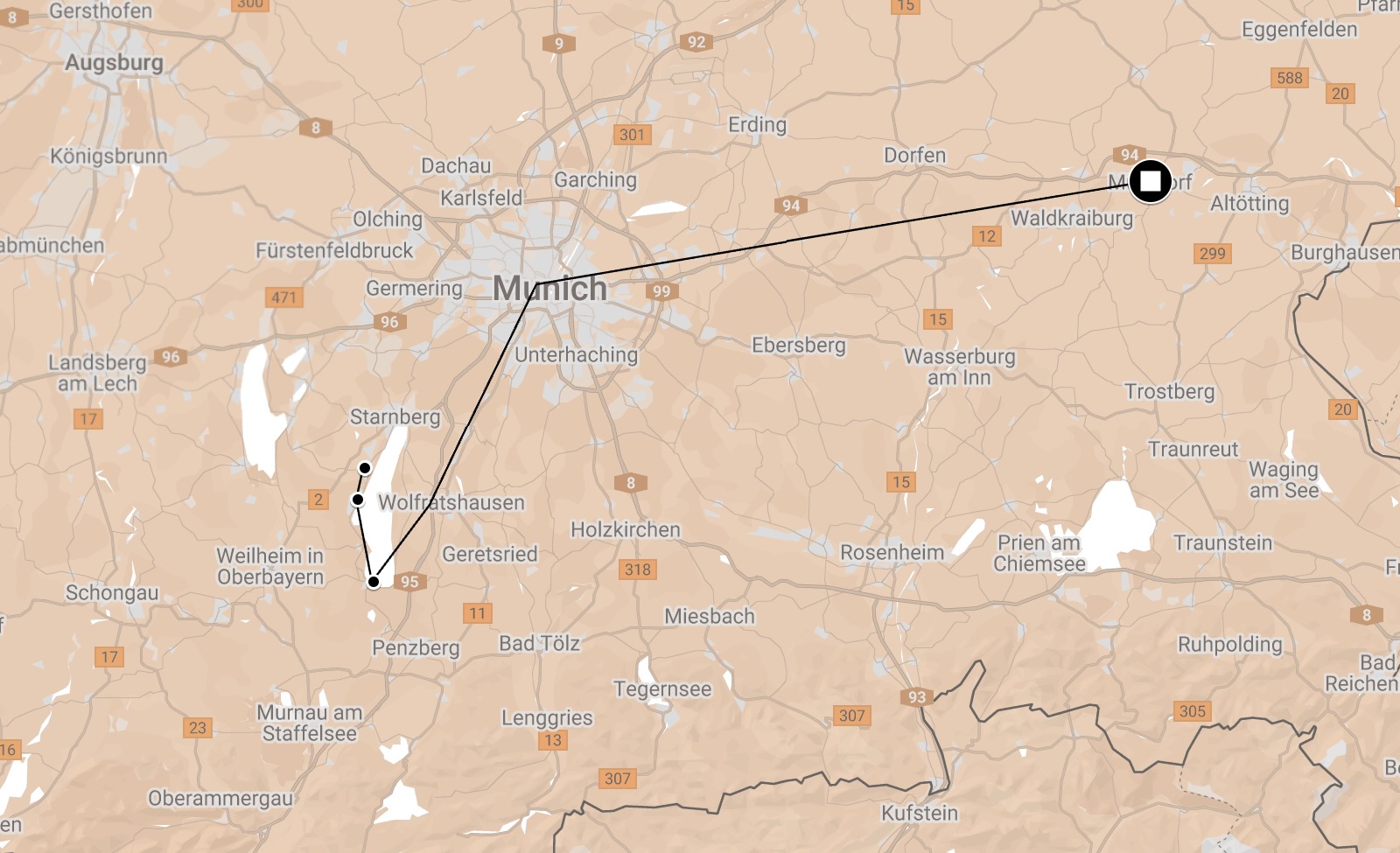
One of the evacuation trains was bombed and 200 of the prisoners killed. The remaining prisoners were freed at the end of April 1945 or the beginning of May 1945 in Seeshaupt, Tutzing, and Feldafing am Starnberger See.
The Mühldorf rail transport continued south from Munich into the Isar Valley. However, for unknown reasons, it was split into two trains in Munich or Wolfratshausen.
The first part of the train went via Wolfratshausen, Bichl to Seeshaupt, where it was attacked for a third time by low-flying aircraft on 29 April 1945, and then to Bernried near Tutzing on the western shore of Lake Starnberg. Its destination was Innsbruck. On 30 April 1945, the Mühldorf prisoners on this transport were liberated by American troops in Bernried and initially taken to Tutzing. There, 54 bodies were counted in the Mühldorf train.
The second train from Mühldorf was coupled to a prisoner train from Dachau in Beuerberg on 29 April 1945 after a low-level attack on the train. The double train reached Kochel on 30 April and from there drove back to Seeshaupt on Lake Starnberg. The transport got stuck there because the locomotive driver refused to drive any further and uncoupled himself from the prisoner wagons to avoid further low-level attacks. The Americans reached Seeshaupt on the same day.

 About
About History
 Education
 Quilts
 FIlms
FIlms Photos
 News Media & Events
 Publications
 Donate