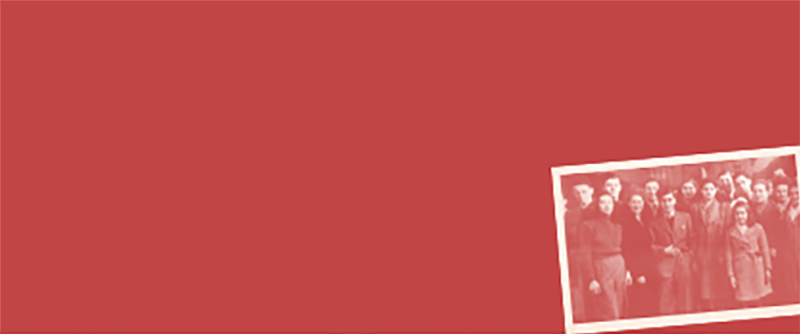
Members of the Boys were imprisoned in the Tarnogród Ghetto.
The Tarnogród Ghetto was one of a network of ghettos set up by Nazi Germany in which Jews were forced to live in occupied Poland. As with other ghettos in Czechoslovakia, Latvia, Lithuania and Poland, the Tarnogród Ghetto was established to contain the region’s Jews and isolate them from the rest of the population until Nazi leadership could decide on an answer to the so-called “Jewish Question.”
The Boys and their families spent years living in dire conditions. The ghettos were not designed for the vast numbers of people forced to find space to live within them. As a result, multiple families shared cramped and insanitary accommodation.
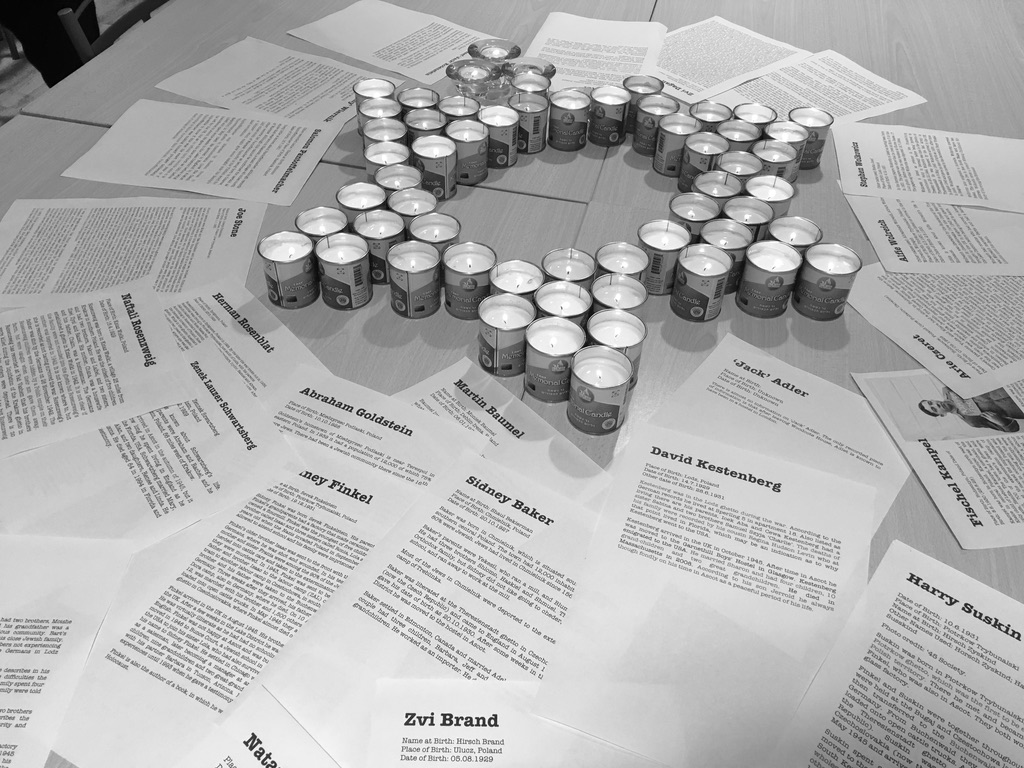
The Boys were teenage and child-Holocaust survivors, who were brought to the UK after the war for rest and rehabilitation.
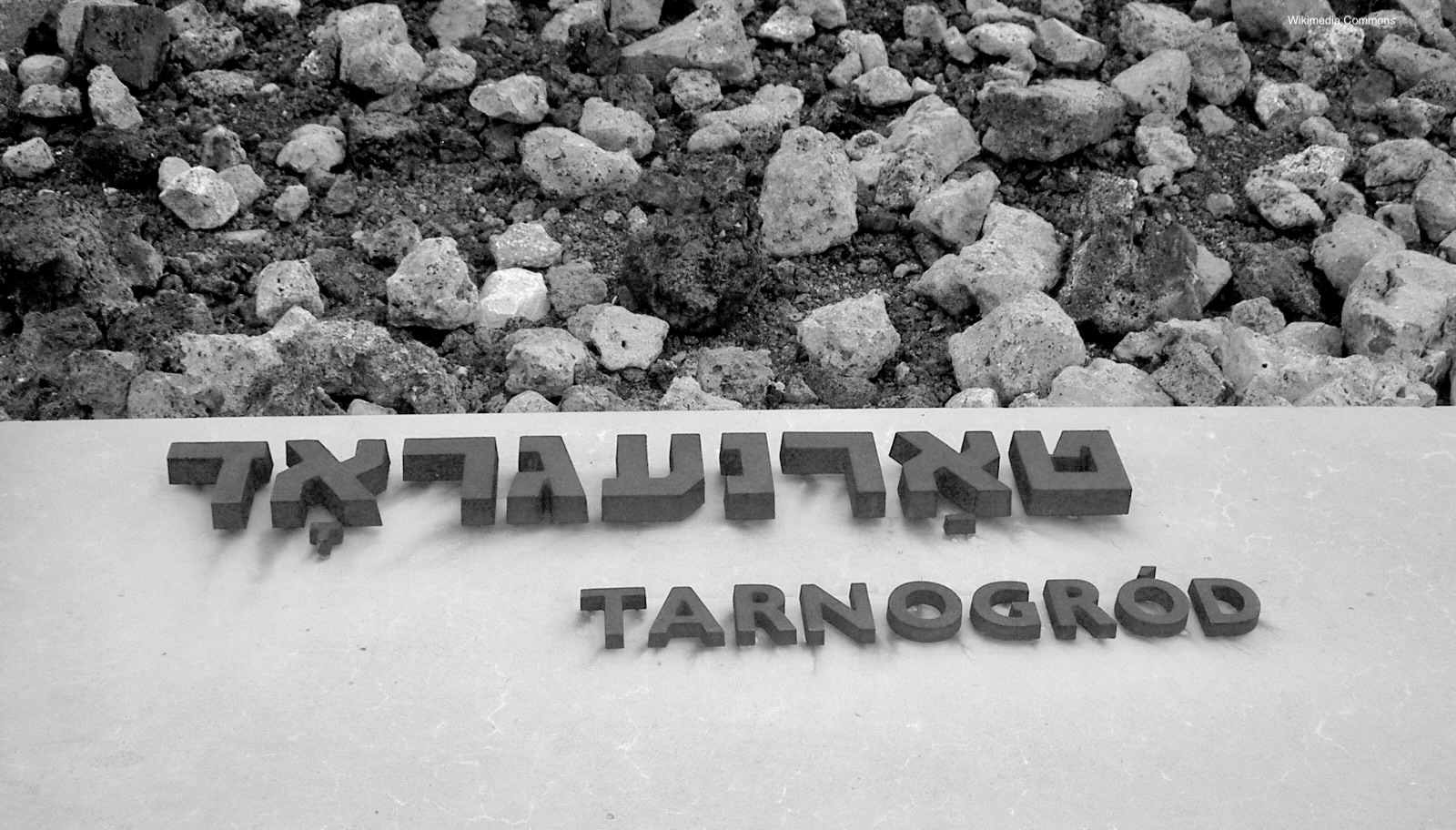
Overview
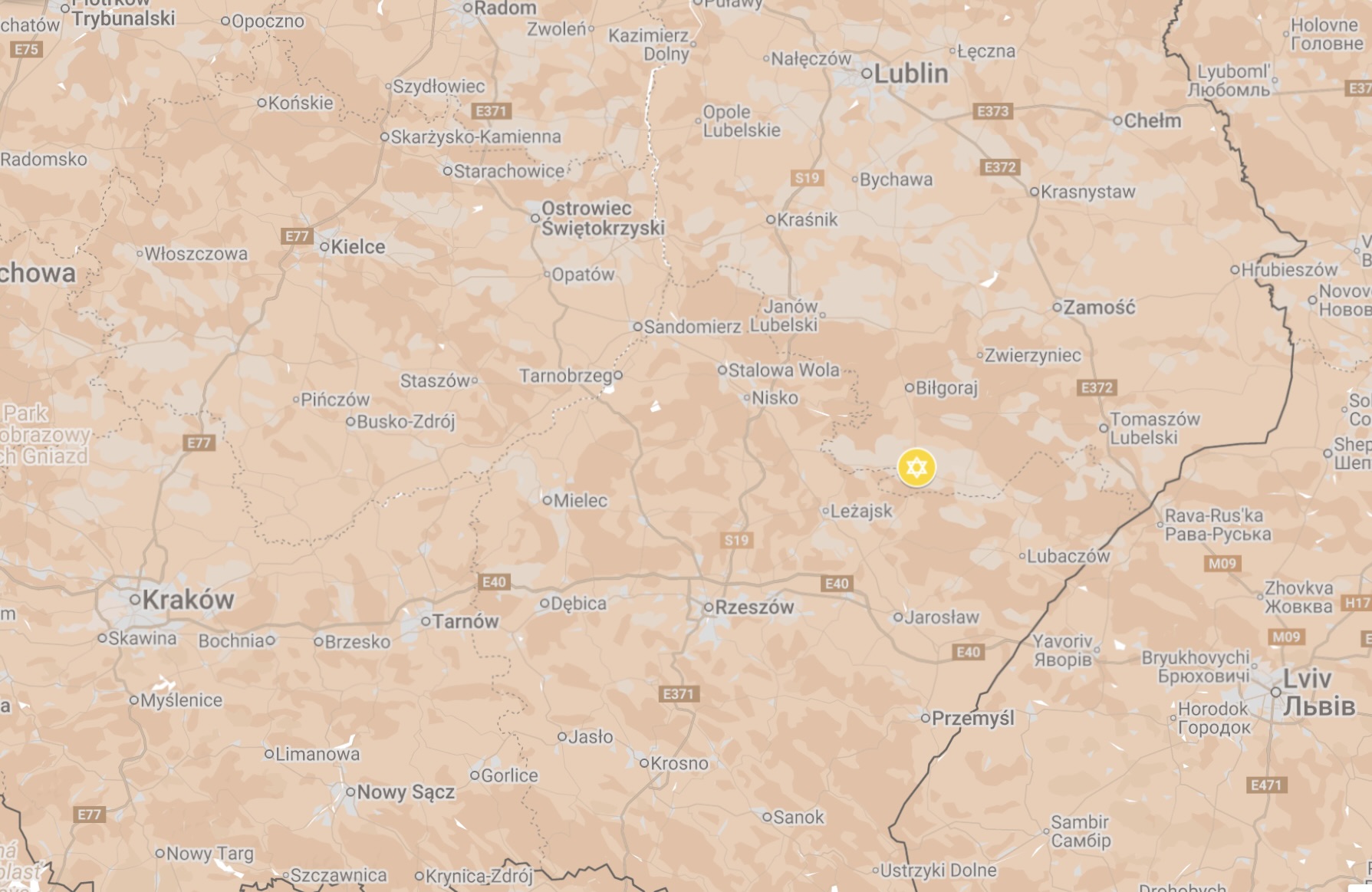
The Tarnogród Ghetto was established in occupied Poland in 1940. At its peak, the ghetto held an estimated 2,000 Jews, including those deported from nearby villages.
Layout
The ghetto was concentrated in the centre of Tarnogród, encompassing streets where Jewish families had lived before the war. It was enclosed by barbed wire and wooden fences, with strict entry and exit controls enforced by German Ordnungspolizei (Order Police) and Polish Blue Police.
Daily Life
Conditions in the Tarnogród Ghetto were dire. Families were forced into overcrowded wooden houses and sanitation was almost non-existent, leading to outbreaks of typhus and dysentery. The Judenrat (Jewish Council), ran by local leaders under German orders, tried to distribute food and medical aid, but resources were extremely limited.
The official food rations provided by the Germans were inadequate, forcing many people to barter their remaining possessions or smuggle food from outside the ghetto. Hunger was widespread, and deaths from starvation became a daily reality.
Many men and boys were forced into labour at nearby German construction projects, farms, and industrial workshops, while women were often made to sew uniforms or work in the fields. Religious traditions were maintained in secret, with clandestine prayer gatherings and informal schooling for children.
Deportations
The first deportation from the Tarnogród Ghetto took place in mid-1942, when the German authorities transported hundreds of families to forced labour camps in the region. During this operation, the elderly and sick were shot on the spot.
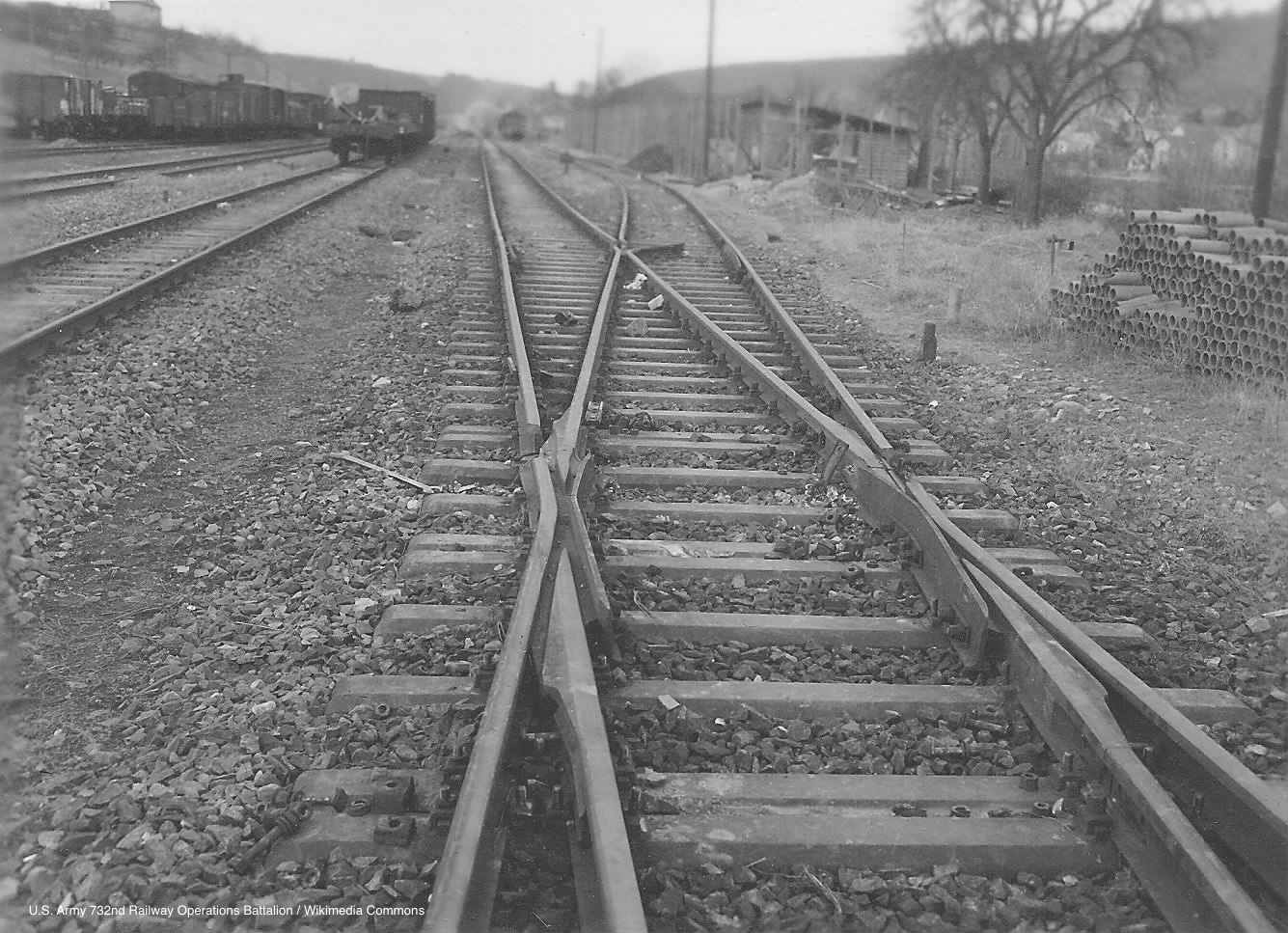
In November 1942, the final deportation was carried out. Nearly all remaining Jewish residents were rounded up and forced onto freight wagons bound for the Bełżec extermination camp, where they were murdered upon arrival. A small number of skilled workers were sent to the Janowska forced labour camp in Lwów (modern-day Lviv).
Liquidation
The final liquidation of the Tarnogród Ghetto took place in November 1942. SS and German police forces, assisted by local collaborators, stormed the ghetto at dawn. Anyone attempting to hide was executed in the streets or in mass graves on the outskirts of the town.
A handful of Jews managed to escape into the forests, seeking shelter with Polish families or joining Jewish partisan groups in the region. However, many of these escapees were later captured and executed by German forces.
Jewish Resistance
There was no organised armed resistance in the Tarnogród Ghetto, but individual acts of defiance occurred.
Memorialisation
Today, the Jewish history of Tarnogród is commemorated by a memorial at the site of the town’s Jewish cemetery, where some of the victims were buried in mass graves. Occasional remembrance ceremonies are held by Jewish heritage organisations and local historians. To find out about visiting the region where the ghetto was located and the Boys who grew up there click here.
The ’45 Aid Society is active in Holocaust Education. To find out more about the resources we offer click here.
Our Education Team can advise on how to deliver the story of the Boys by booking a suitable speaker and can help teachers devise lesson plans.
Aktion A Nazi military or police operation to forcibly assemble Jews prior to shootings or deportation.
Deportation Forced removal of Jews in the Third Reich and German occupied countries from their homes.
Extermination Camp A camp set up by the Nazis for the mass murder of Jews, primarily by poison gas.
Ghetto Under the Nazis a ghetto was a very clearly defined district, often walled or fenced in and surrounded by armed guards, in which only Jews were forced to live in the worst possible conditions. All, except the Theresienstadt Ghetto, were eventually dissolved and the Jews were murdered. The word ghetto was first used in Venice in 1516 to describe an area of a town or city where Jews were required to live.
Judenrat Jewish councils set up to maintain order and carry out the orders of the German army.
Selection A term for the process of separating Jews deemed suitable for hard labour from the remainder, who were then sent to their deaths. This usually took place either in a ghetto roundup or on arrival at a concentration camp.
To see the full Glossary click here.

 About
About History
 Education
 Quilts
 FIlms
FIlms Photos
 News Media & Events
 Publications
 Donate