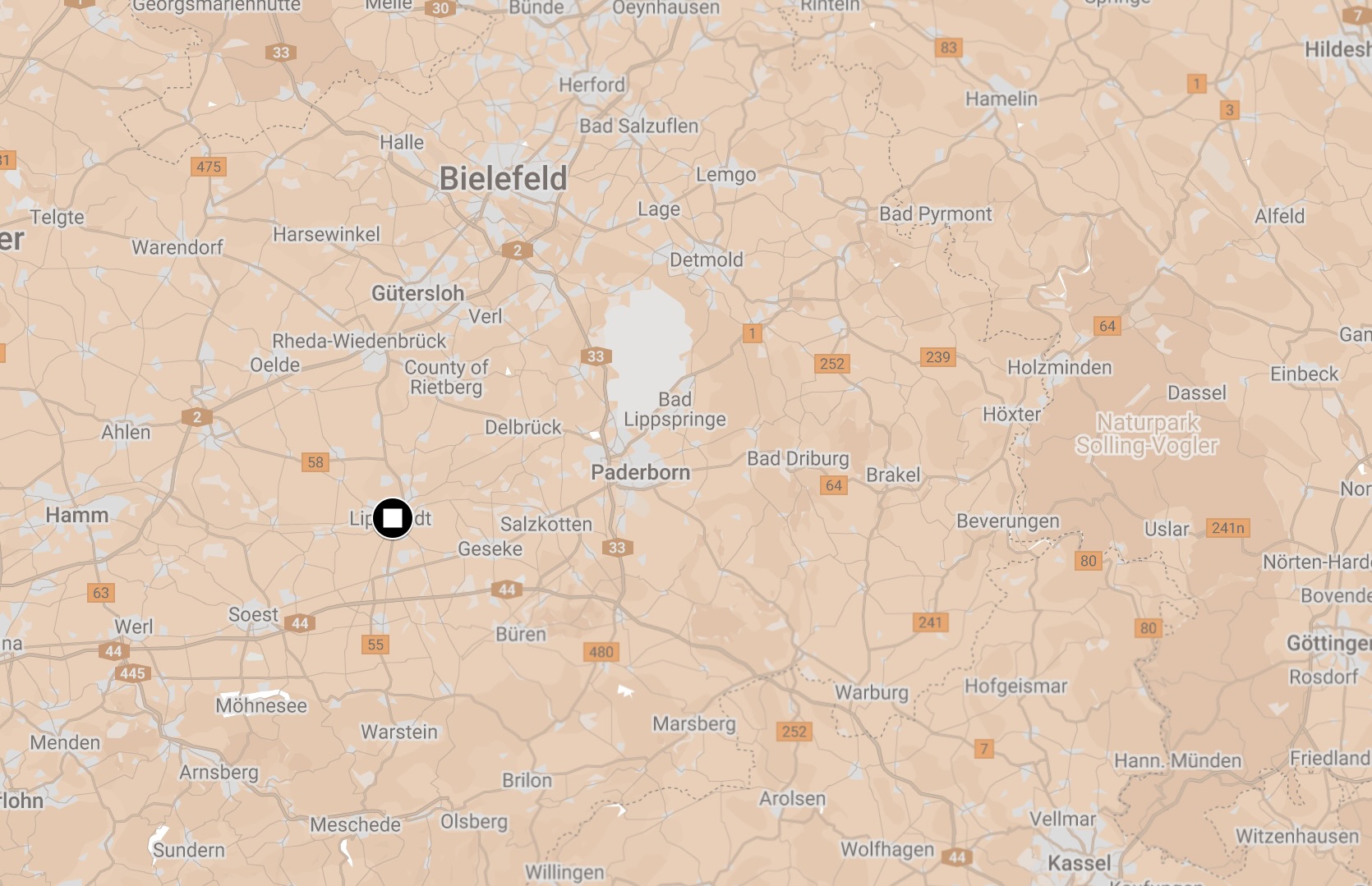
Members of the Boys were slave labourers in the Lippstadt labour camp, a subcamp of Buchenwald.
The Buchenwald concentration camp was operated by Nazi Germany in occupied Poland. The camp had 139 subcamps.
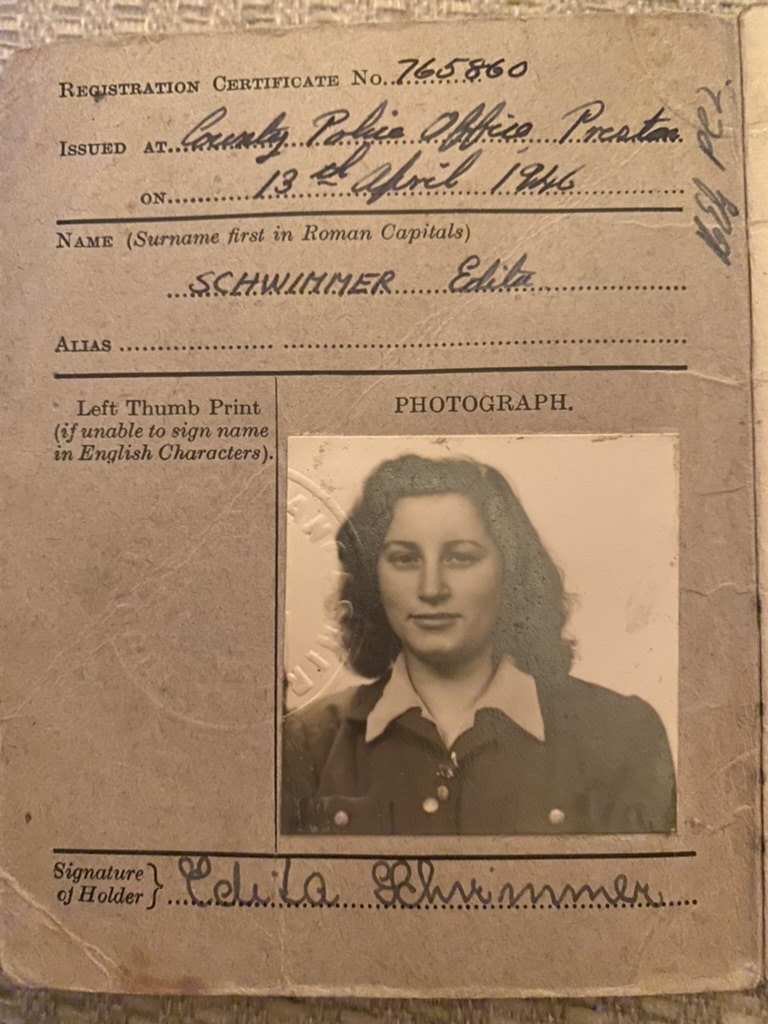
The Boys were teenage and child-Holocaust survivors, who were brought to the UK after the war for rest and rehabilitation.
History
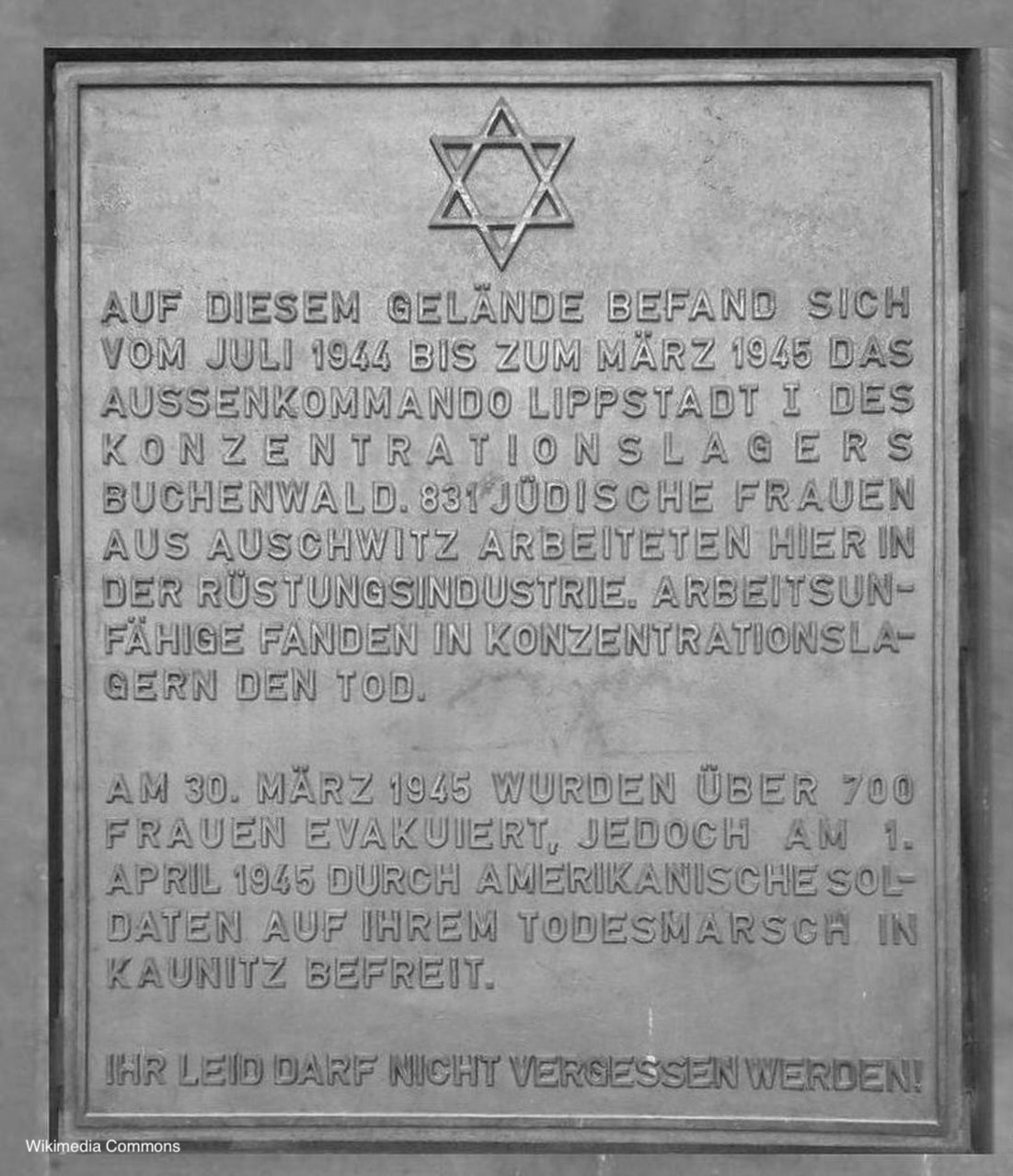
Lippstadt I camp was established at the end of July 1944 with 530 Hungarian Jewish women from Auschwitz. Prisoners were transported directly to Lippstadt. On 9 December 1944, the prisoners were included in the statistics of Buchenwald concentration camp.
With further transports, consisting of Slovak, Polish, Hungarian, and some Western European women, the population rose to 832 prisoners by the end of November 1944. Some of the women who arrived later had already been imprisoned in various concentration camps for several years and were correspondingly weakened. At least six of them died in Lippstadt, most of them from typhus. A total of seven fatalities are known by name.
Structure
The women were housed in a camp near the factory, at Cappeler Landstraße 132 (today: Beckumer Straße). The accommodations were good compared to other satellite camps; for example, each woman had her own bed. However, the food supply was inadequate, and medical care was also almost non-existent.
Dissolution
In December 1944, the SS sent prisoners on a death march to Bergen-Belsen for the first time. A second transport with 72 women followed in February 1945. Only a few of them survived liberation. The third and final transport was liberated by Americans in Kaunitz near Gütersloh at the end of March 1945.
 About
About History
 Education
 Quilts
 FIlms
FIlms Photos
 News Media & Events
 Publications
 Donate