Members of the Boys were held in the Ungvár Ghetto.
Ungvár Ghetto was one of a network of ghettos set up by Nazi Germany after it invaded in Hungary in March 1944.
The Boys were teenage and child-Holocaust survivors, who were brought to the UK after the war for rest and rehabilitation.
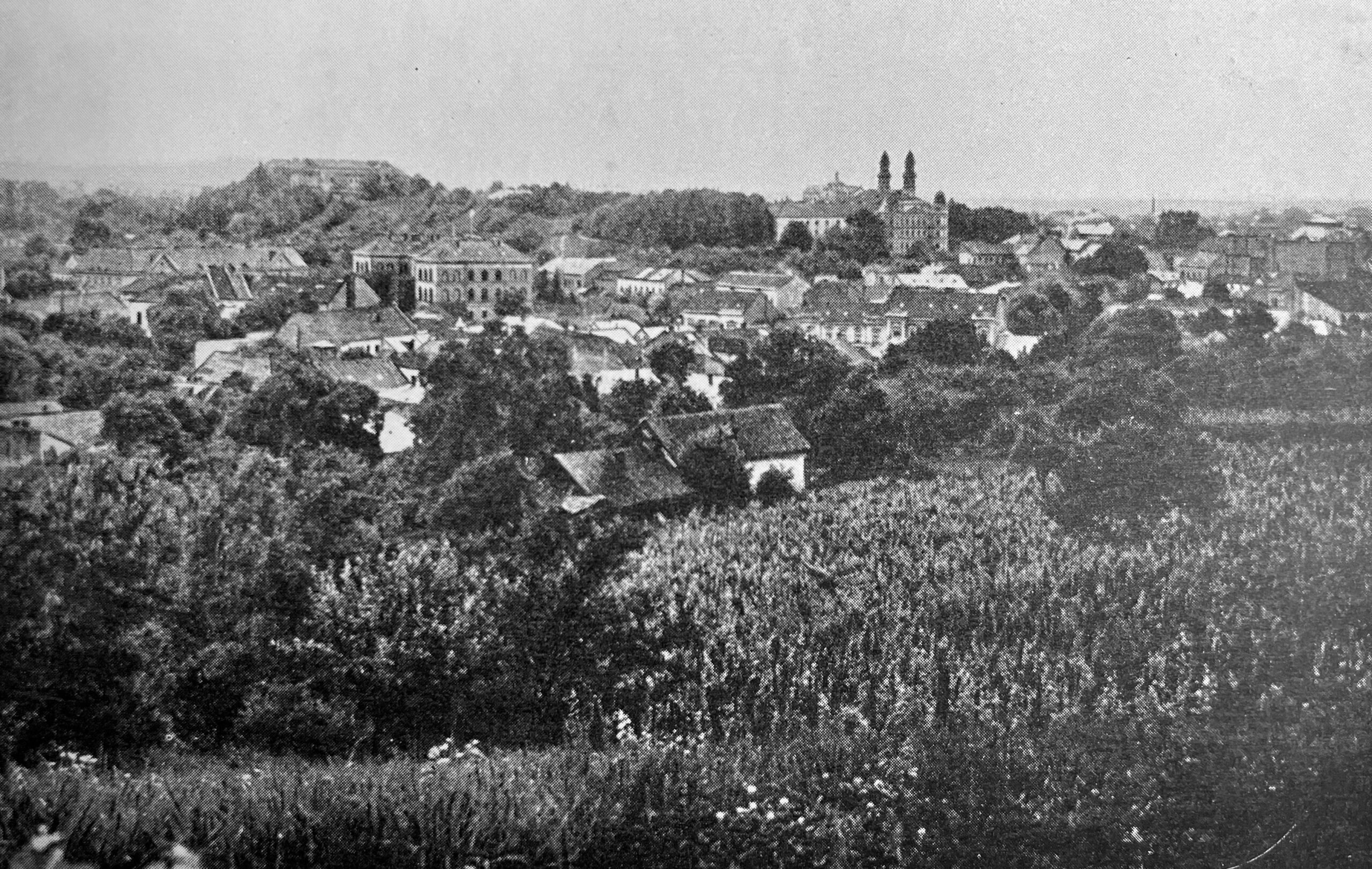
Overview
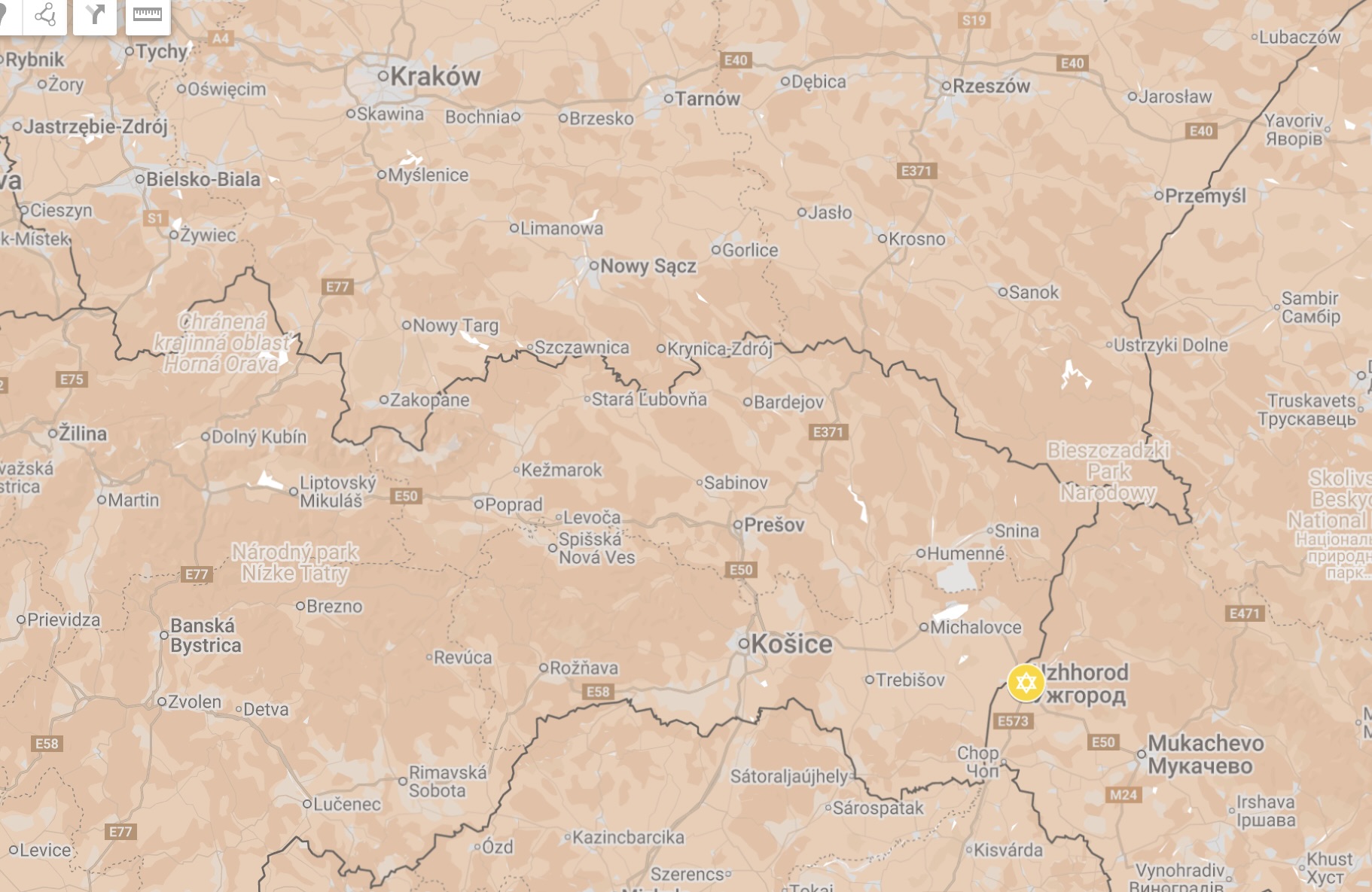
Užhorod was occupied by Hungary and formally incorporated into Hungary in 1939. It was then known by its Hungarian name of Ungvár. To find out more about the city and the Boys who grew up there click here.
On 19 March 1944, three days after the Germans occupied Hungary, trucks loaded with troops entered Ungvár. They established a Judenrat (Jewish council) and improvised ghetto was set up.
During Passover (21–23 April) 1944, all the Jews of Ungvár and the surroundings were concentrated in a ghetto in a former brickyard.
Layout
The Ungvár Ghetto was initially confined to the Moskovits brickyard, which was located on Minai Street. The area was enclosed by a fence and guarded by Hungarian and German forces. Once the brickyard reached its capacity, a second location was established at the Gluck lumberyard.
Daily Life
Life in the Ungvár Ghetto was extremely difficult; there was extreme overcrowding, shortages of food, and poor sanitation, which led to the spread of disease. Malnutrition was widespread.
The Judenrat attempted to provide basic services, but their resources were extremely limited. The German and Hungarian authorities offered little in the way of assistance, as the ghetto was essentially a holding place for the Jews before their final deportation.
Despite the dire situation, some attempts were made to maintain cultural and religious practices. Secret prayer services were held, and efforts were made to provide some form of education for the children.
Deportations
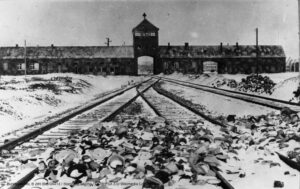
From 17–31 May 1944, the Jews of the Ungvár Ghetto were deported in five transports to Auschwitz II-Birkenau concentration and extermination camp in occupied Poland.
The first transport departed on 17 May, and the last transport left on 31 May 1944.
During the deportations, a handful of Jews managed to escape into the nearby forests, but most were captured by the Nazis or local collaborators. Those who were deported were almost all murdered at Auschwitz.
Memorialisation
Today, the memory of the Ungvár Ghetto is preserved through memorials and periodic commemorations.
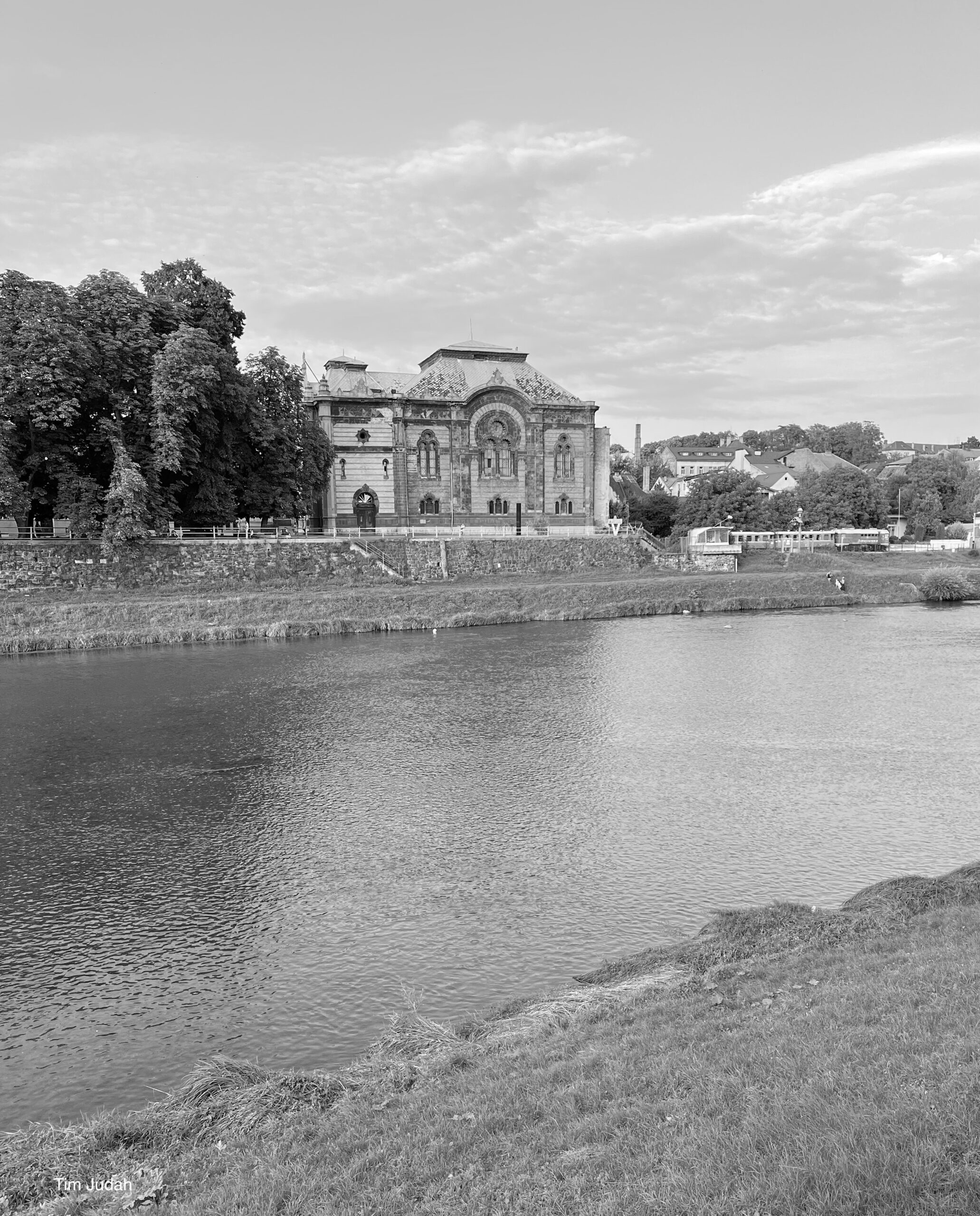
The Jewish cemetery in Uzhhorod, though heavily damaged during and after the war, still exists and is maintained by local Jewish organisations.
To find out more about visiting Uzhhorod click here.

 About
About History
 Education
 Quilts
 FIlms
FIlms Photos
 News Media & Events
 Publications
 Donate