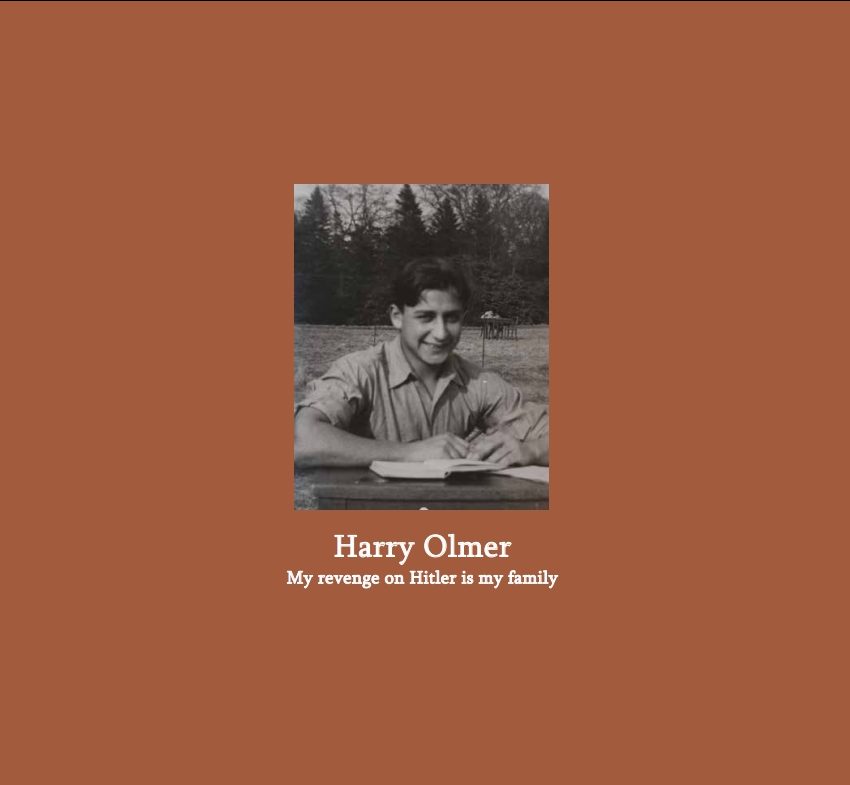
Harry Olmer was born in 1927 in Sosnowiec in south-west Poland. He and his five siblings had a happy childhood, staying with their grandmother Rochel Leah every summer in Charsznica, a rural area surrounded by woods.
When war broke out, Harry and his family left for Charsznica then returned to Sosnowiec a month later to find the Germans had taken over their town, having dynamited the synagogues and shut the Jewish schools. Harry started working for the Germans – clearing snow off the roads and doing back-breaking work in a brick factory.
In 1942, the Jews were assembled and everyone was loaded onto trucks. Stopping in an open field, men were separated from women and Harry’s mother, two sisters, grandmother and aunts were all taken to Belzec and murdered. Harry was taken to a concentration camp in Płaszów, working 12-hour shifts at a railway embankment on a small cup of coffee and lump of bread. His father escaped to Charsznica and was murdered; Harry still doesn’t know exactly where or when.
Harry was sent to Skarżysko-Kamienna where he worked with deadly picric acid which turned everything yellow and killed anyone working with it for longer than three months. He managed to attach himself to a transport company – a move which saved his life.
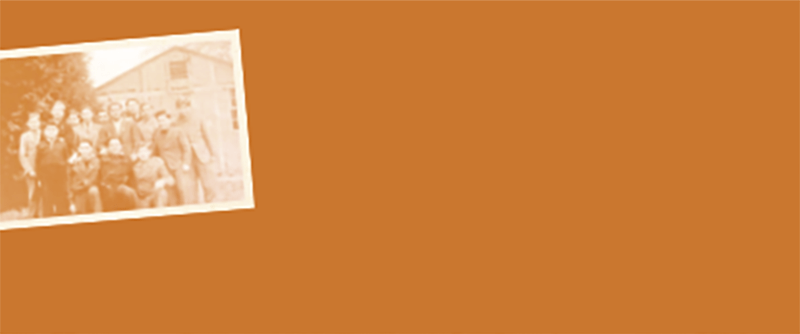
Gruelling labour at Buchenwald and Schlieben left Harry dreadfully ill and liberation couldn’t come soon enough. In 1945, he came to England as one of the Windermere ‘Boys’. Despite arriving in the UK with nothing, Harry built a successful life, studying dentistry at Glasgow University, marrying Margaret Lunzer, having four children and eight grandchildren and only recently retiring as a dentist at 86.
 About
About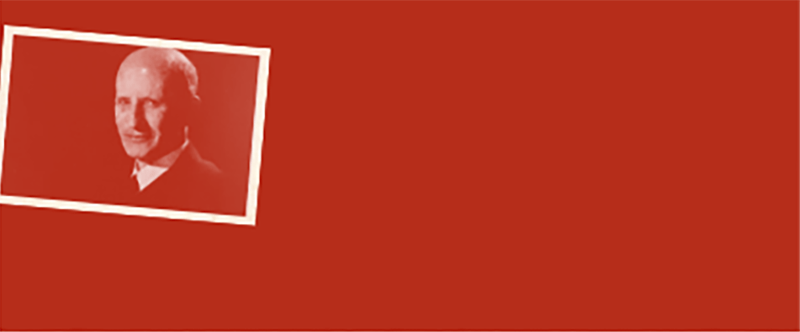 History
 Education
 Quilts
 FIlms
FIlms Photos
 News Media & Events
 Publications
 Donate