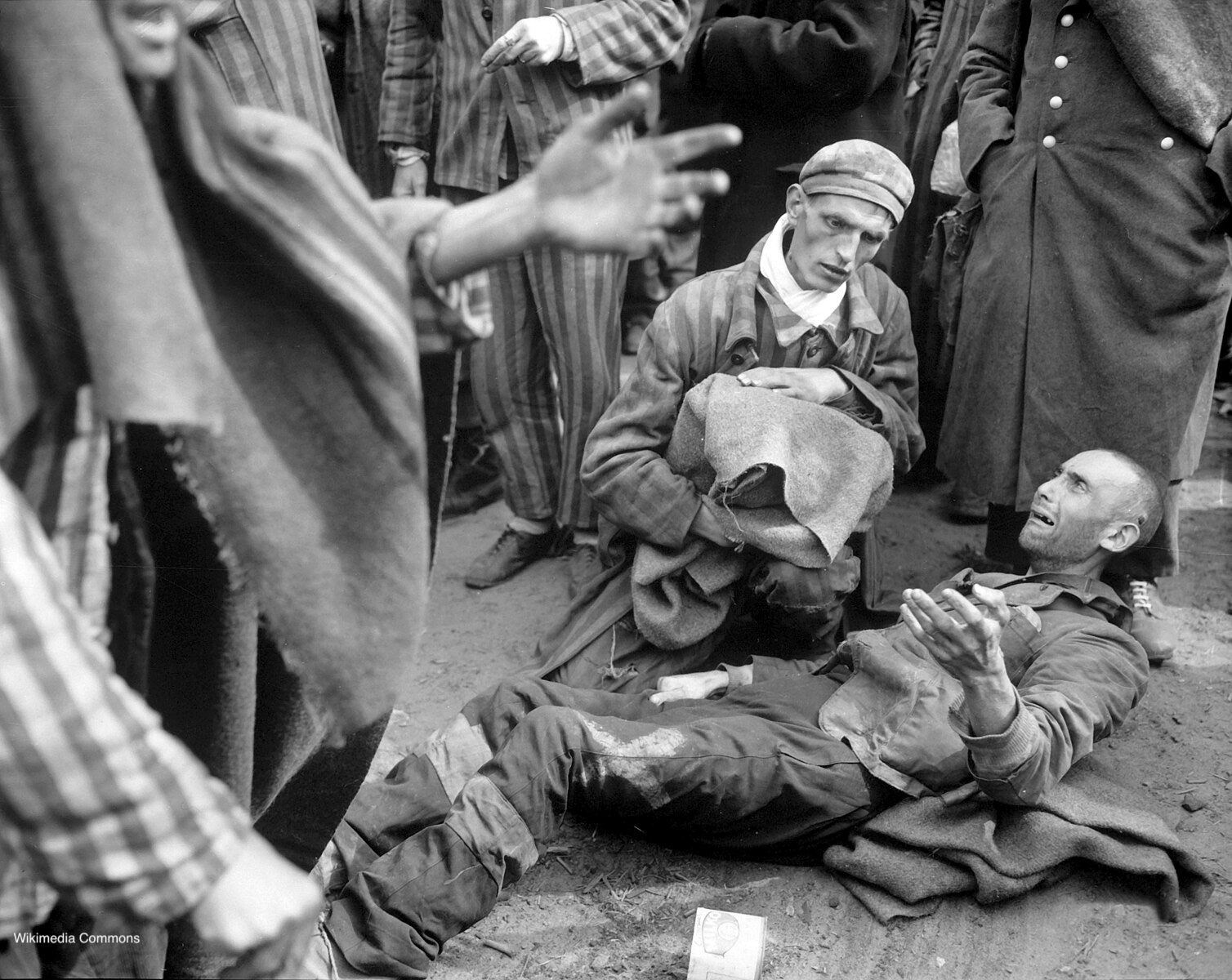
Members of the Boys were held in Nazi labour and concentration camps and used as slave labourers.
From 1933-1945 Nazi Germany operated over 1,000 concentration camps and subcamps in its own territory and across German occupied Europe. Among them was the Natzweiler-Struthof concentration camp.
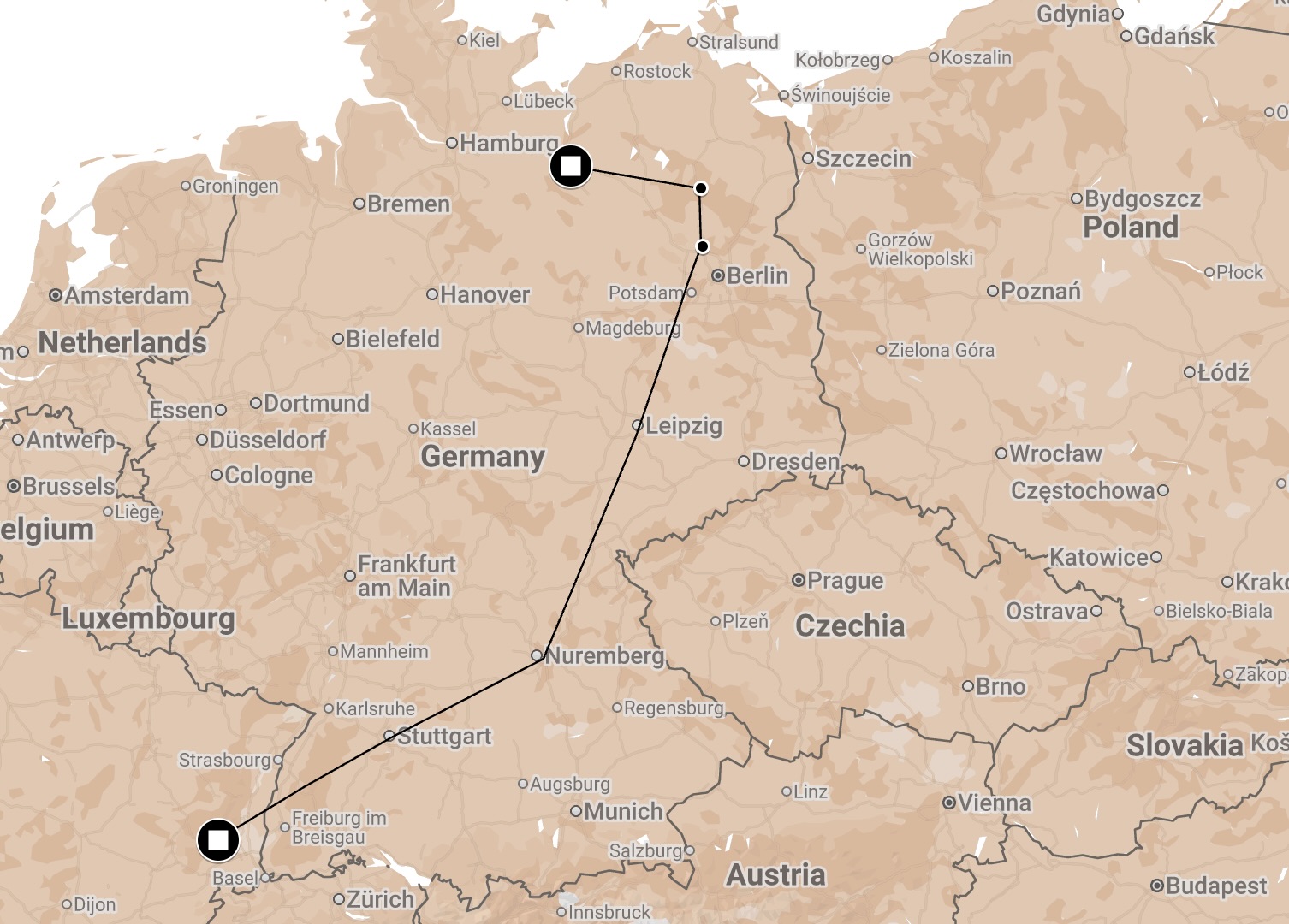
As the camps were dissolved thousands of people among them members of the Boys endured horrific evacuations from the camps on foot, in freight wagons and open top trains, as well as perilous journey across the Baltic Sea.
The Boys were teenage and child-Holocaust survivors, who were brought to the UK after the war for rest and rehabilitation.
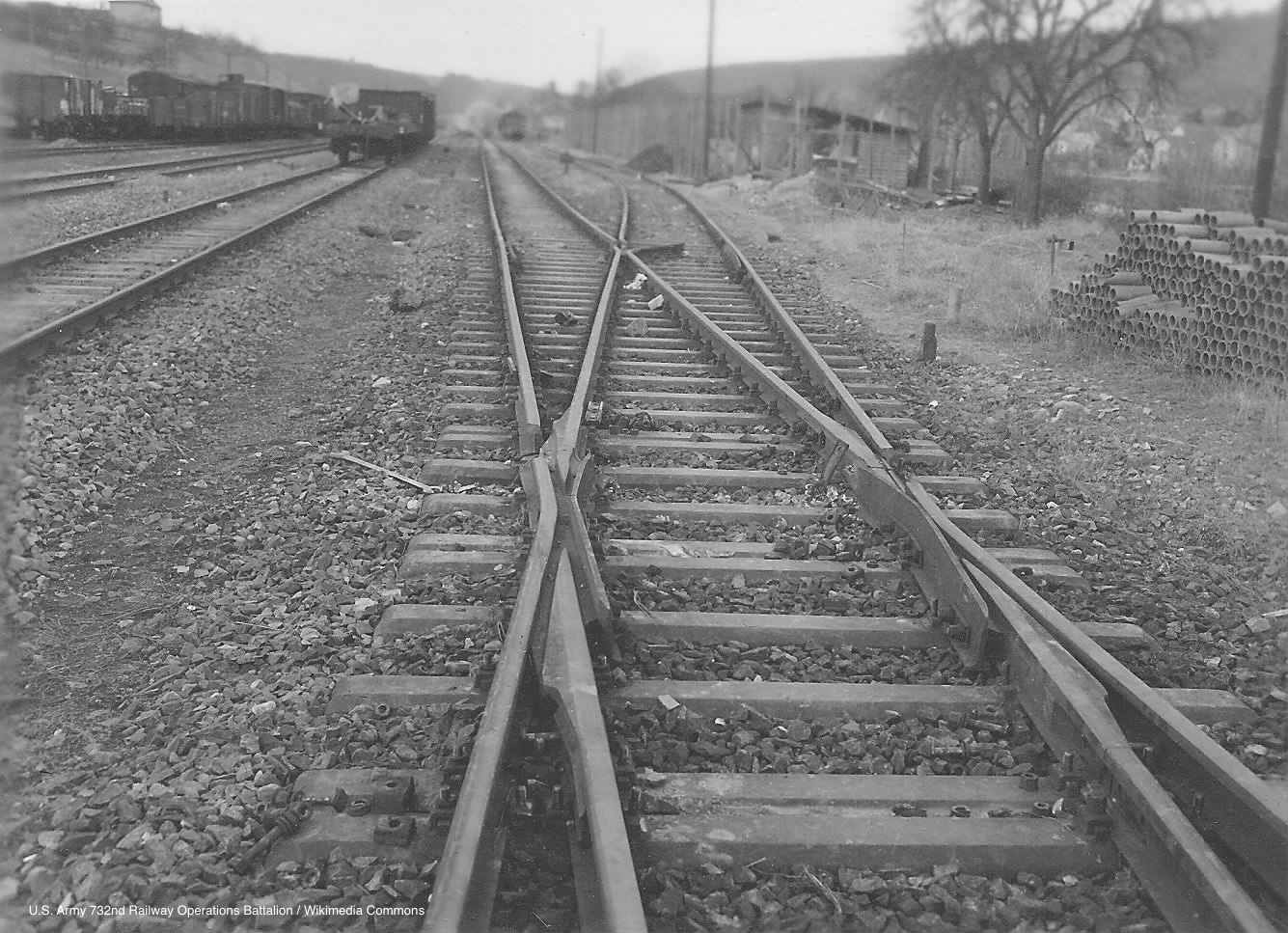
The Jewish detainees from the concentration camp at Flossenbürg were assigned to manufacture diesel engines for Luftwaffe aircraft in the Urbés tunnel. In July 1944, they were transferred to the camp at Natzweiler Struthof via various camps including Kraków-Płaszów, Kraków-Wieliczka and Auschwitz.
“Evacuated again, they gave each of us a loaf of bread and put us on a train. I finished the bread in half an hour and was hungry. I rolled back and forth on the train for eight days and night without food. The many different stations came and went, the only one I recognised was Oranienburg, near Berlin. The monotonous rhythm of the train went on and on, as did our hunger. They finally unloaded us in Ravensburck. Out of forty-five hundred prisoners, only fifteen hundred disembarked.
We were left there a few days with a mixture of French, Belgian, Dutch, Polish, Russians, Hungarians and Czechs. And for the first time we received a Red Cross package. People were dying by the minute on the grounds, and were stacked up like logs in the side of the forest and trucked out. I believe they cremated them but I am not sure. From there, they evacuated us for the last time, and brought us to the last camp. I believe they called it Ludwigslust. They just dropped us there like living dead. No food. Lice eating us alive. Some Ruissians started eating dead corpses. Prisoners were dropping like flies.
I could hardly walk anymore. We were just laying on a dirt floor and dying slowly. One morning, after a week or more, we realized that the Americans had arrived …
Six of us walked to the next town. First, we stopped at a barracks abandoned by the guards. We met foreign civilian workers, joined a crowd and picked up clean clothing. We finally threw away out louse-infected, striped uniforms. We felt much better … I picked up two loaves of bread. A German woman with two small children approached me asking for food. She said that they had not eaten for a day. I gave her a loaf of bread.”

 About
About History
 Education
 Quilts
 FIlms
FIlms Photos
 News Media & Events
 Publications
 Donate