Members of the Boys were held in Nazi labour and concentration camps and used as slave labourers.
From 1933-1945 Nazi Germany operated over 1,000 concentration camps and subcamps in its own territory and across German occupied Europe. Among them was the Neckarelz concentration camp.
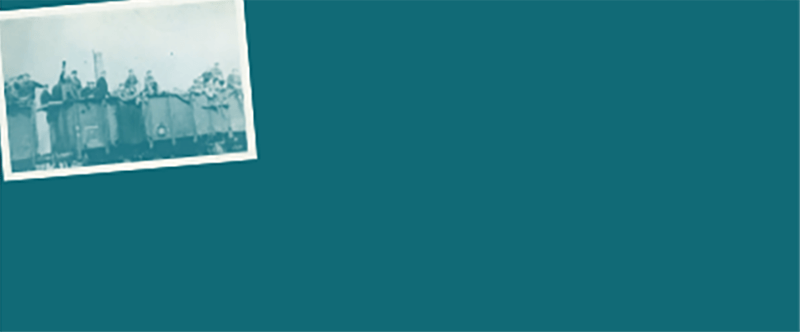
As the camps were dissolved thousands of people among them members of the Boys endured horrific evacuations from the camps on foot, in freight wagons and open top trains, as well as perilous journey across the Baltic Sea.
The Boys were teenage and child-Holocaust survivors, who were brought to the UK after the war for rest and rehabilitation.
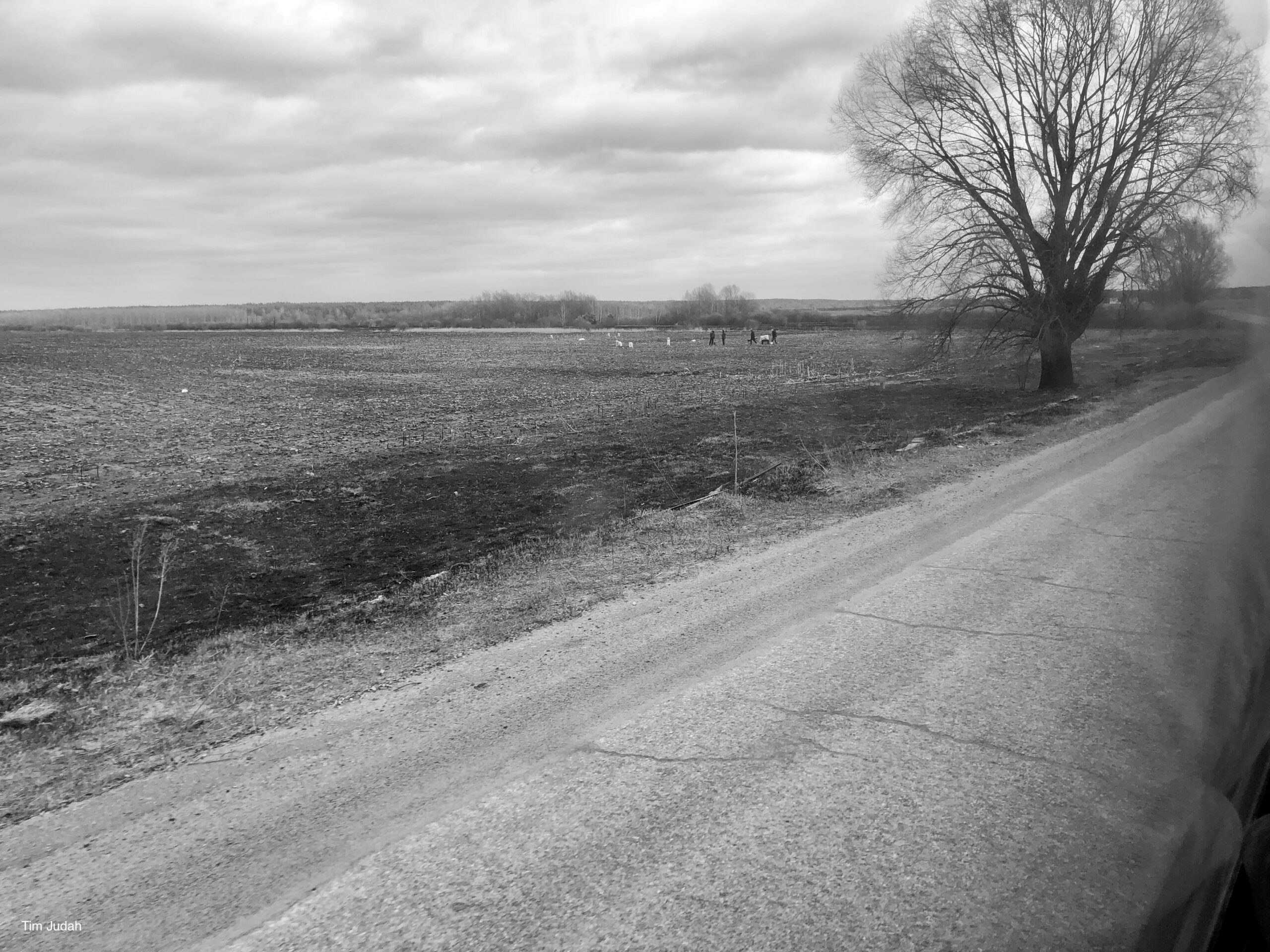
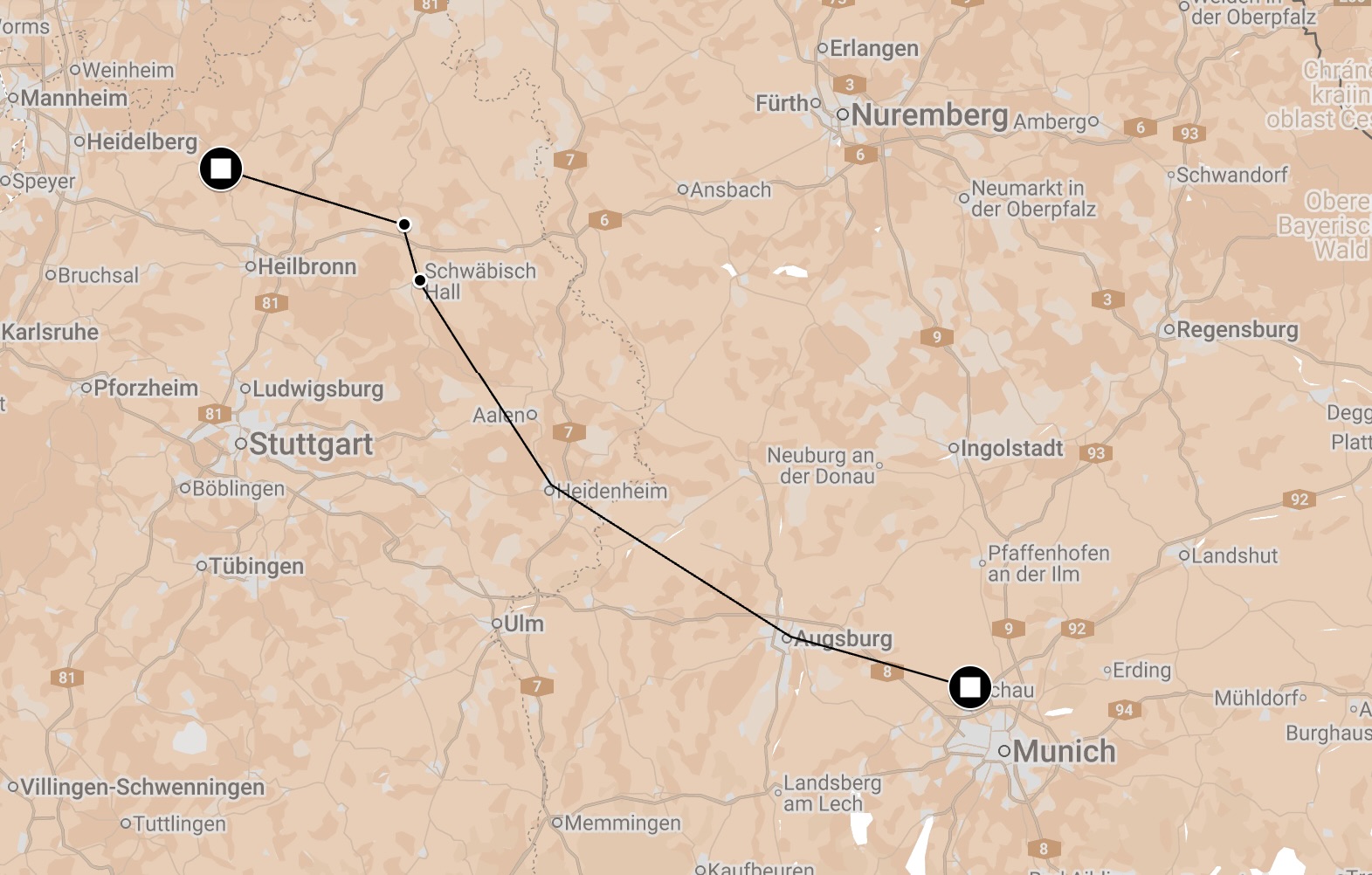
On 25 March 1945, the prisoners in Neckarelz were forced on a death march.
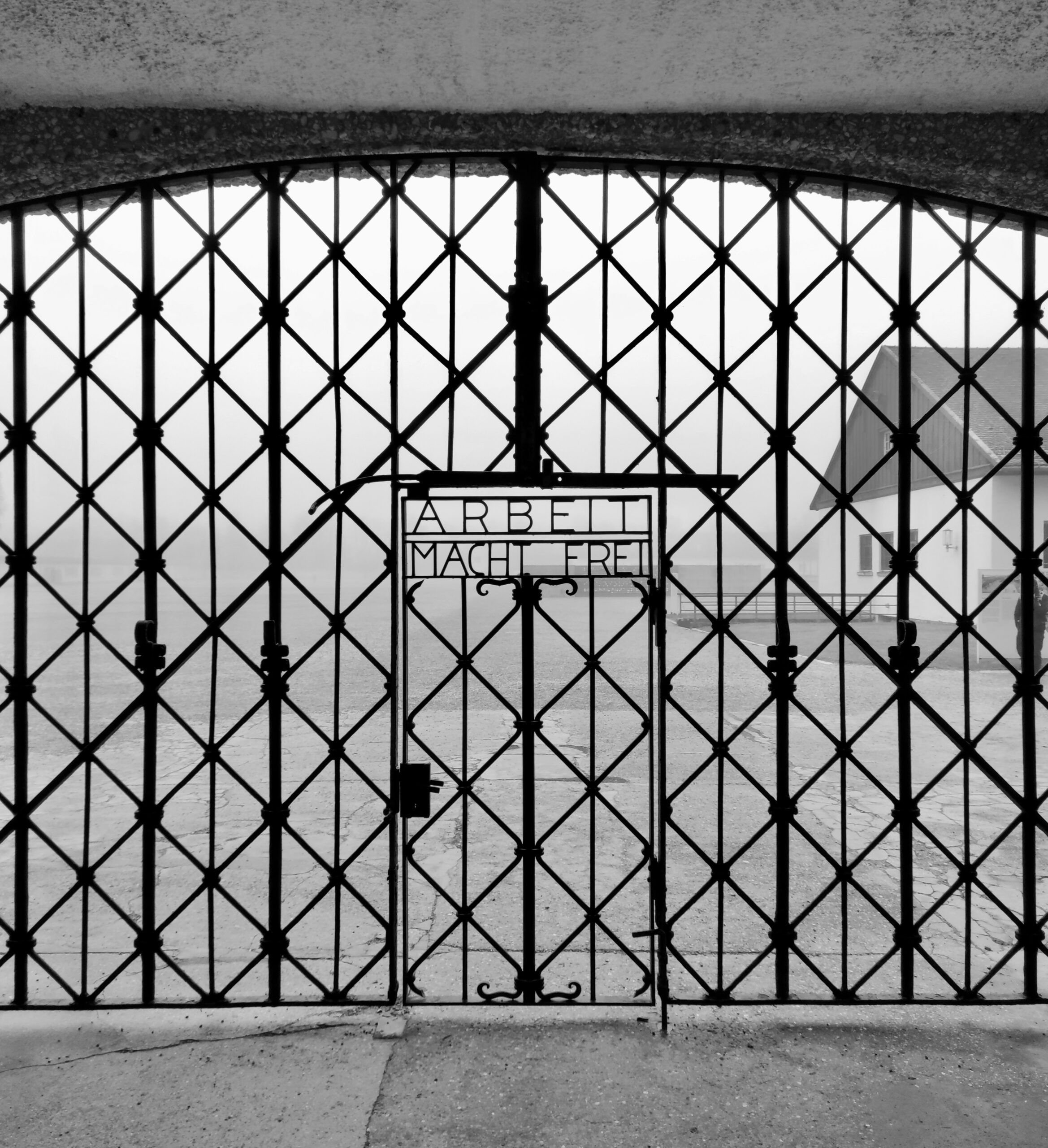
On 29 March, they arrived at Kupferzell, where they stayed for two days. The death march continued in the direction of Schwäbisch-Hall, where approximately 2,000 prisoners boarded a freight train that took them to Dachau; 1,655 arrived alive.
On 28 April, 441 additional Neckarelz inmates arrived at Dachau, having covered the distance on foot.
A freight train transported another 287 inmates incapable of walking. Because bombardments had destroyed the tracks, the train stopped at Osterburken.
After four days of waiting, the prisoners were liberated by American troops.
 About
About History
 Education
 Quilts
 FIlms
FIlms Photos
 News Media & Events
 Publications
 Donate