Members of the Boys were born in the Kuyavian-Pomeranian Voivodeship, Poland.
The Boys were teenage and child-Holocaust survivors, who were brought to the UK after the war for rest and rehabilitation.
Members of the Boys were held in Nazi labour and concentration camps and used as slave labourers. They had also survived World War II in hiding or as lone children.
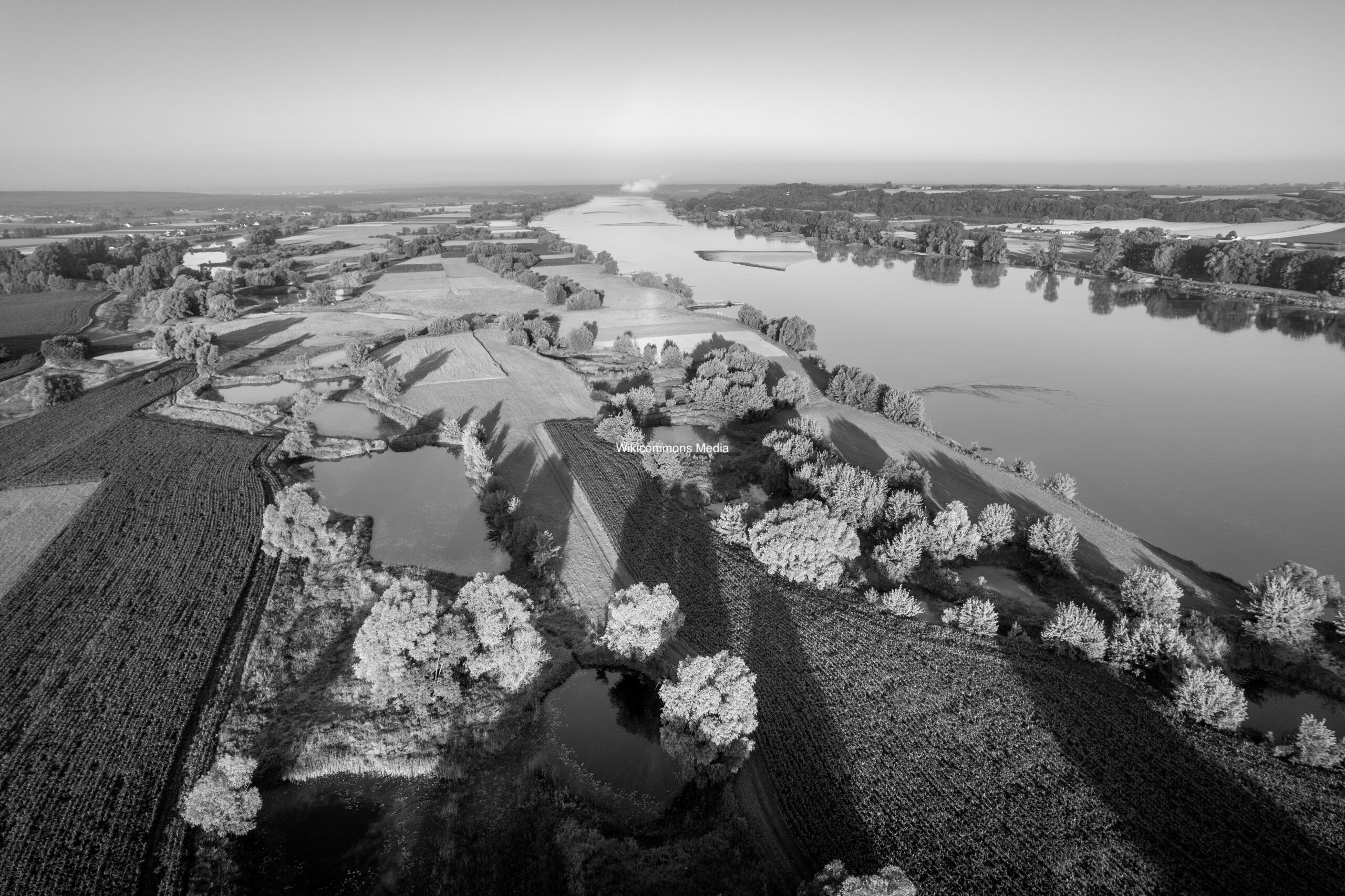
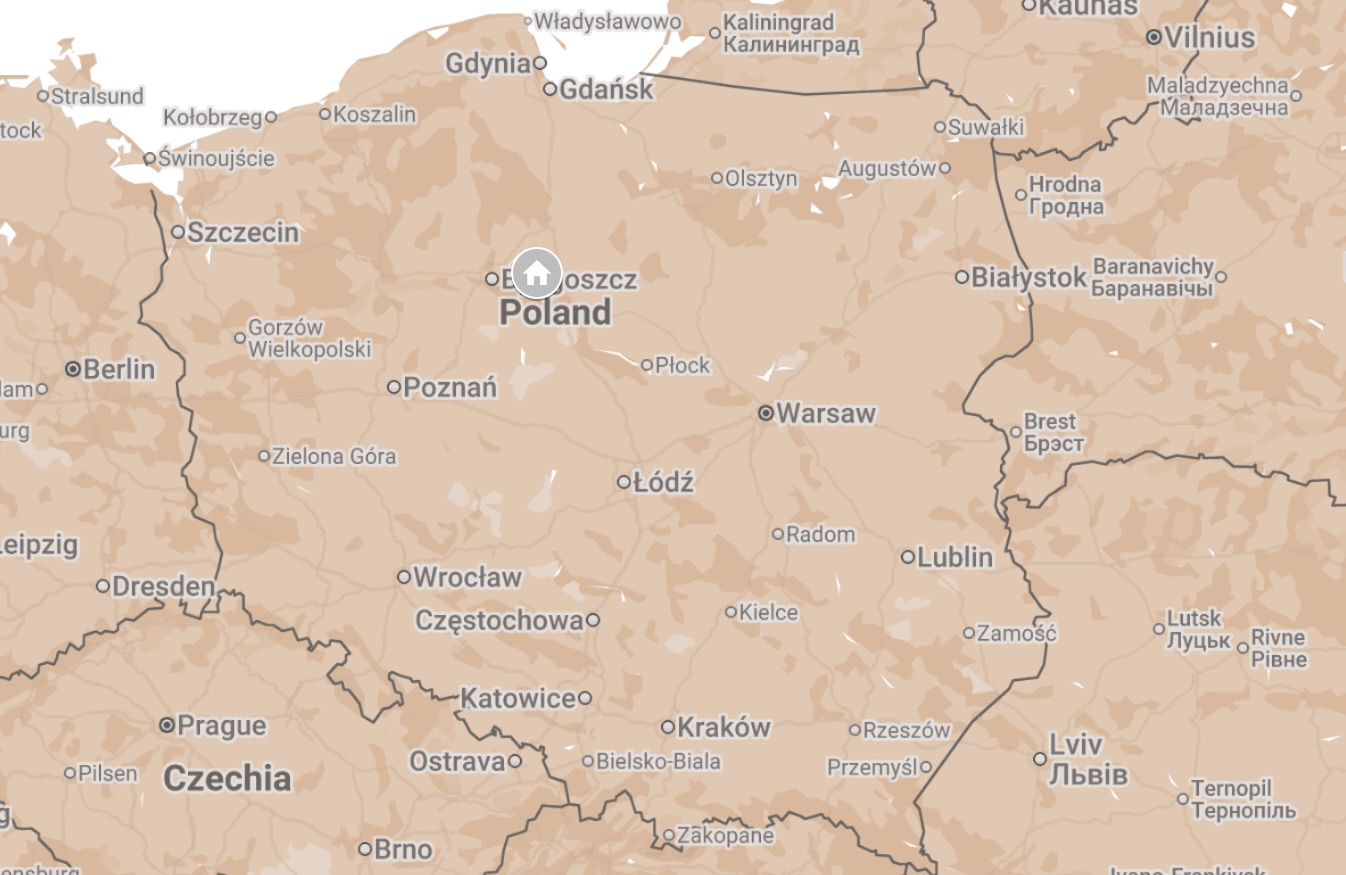
The Kuyavian-Pomeranian Voivodeship is located in north-central Poland. It has two capitals: Bydgoszcz and Toruń.
Wartime
Following the German invasion in 1939, the region was annexed directly into the Third Reich and incorporated into the Reichsgau Danzig-West Prussia.
The Jewish population was subjected to immediate persecution, including arrests, forced expulsions, and the destruction of communal institutions. Many were deported to ghettos in the General Government or sent directly to the extermination camps of Chełmno and Auschwitz-Birkenau, with many passing through the Łódź Ghetto.
Aftermath
After the war, few Jewish survivors returned to the area, and most of the region’s pre-war Jewish life was not re-established.
Getting there Fly to Bydgoszcz or take the train from Warsaw or Poznań.
Bydgoszcz In the home of Herman Rosenblat, a stone commemorates the Jewish community. It was unveiled in 2012 at the site of the former synagogue (Jan Kazimierz ul), which was burned down in 1939.
Chodecz There is little left to see of the Jewish heritage in Roman Halter’s hometown.
What to read
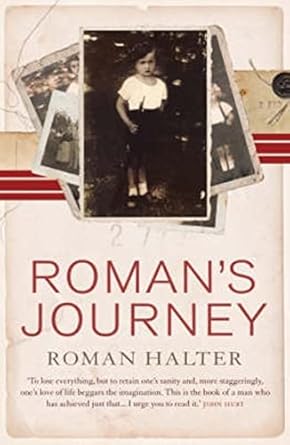
Roman’s Journey (Granta, 2007) Roman Halter. Roman Halter was one of the Boys. He was a celebrated architect and artist. He designed the gates to Israel’s holocaust memorial, Yad Vashem, and his paintings, testifying to his experiences during WW2, have been shown widely, including at Tate Britain. to find out more about the book click here.
 About
About History
 Education
 Quilts
 FIlms
FIlms Photos
 News Media & Events
 Publications
 Donate