Members of the Boys were born in Lower Silesian Voivodeship, Poland.
The Boys were teenage and child-Holocaust survivors, who were brought to the UK after the war for rest and rehabilitation.
Members of the Boys were held in Nazi labour and concentration camps and used as slave labourers. They had also survived World War II in hiding or as lone children.
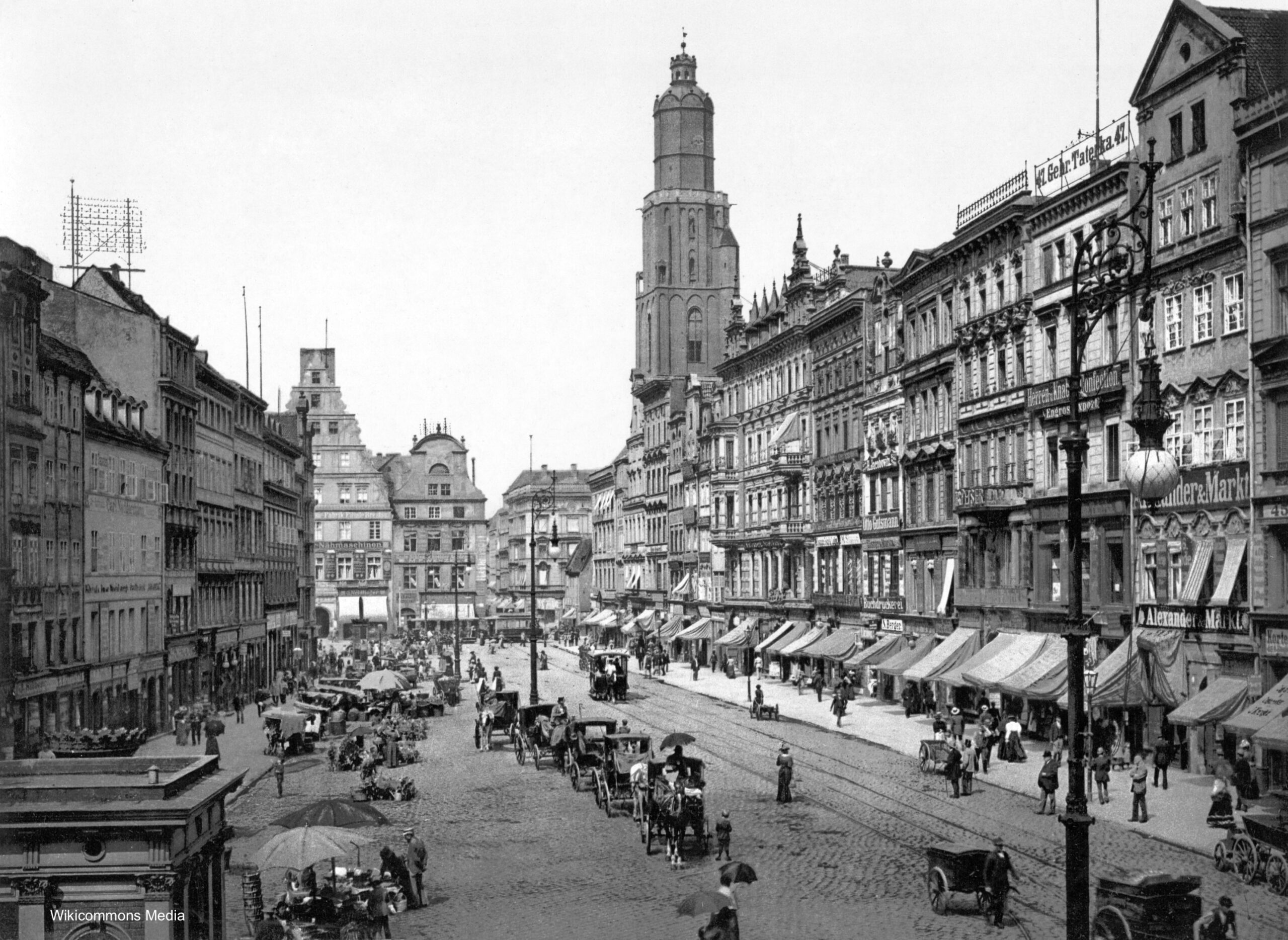
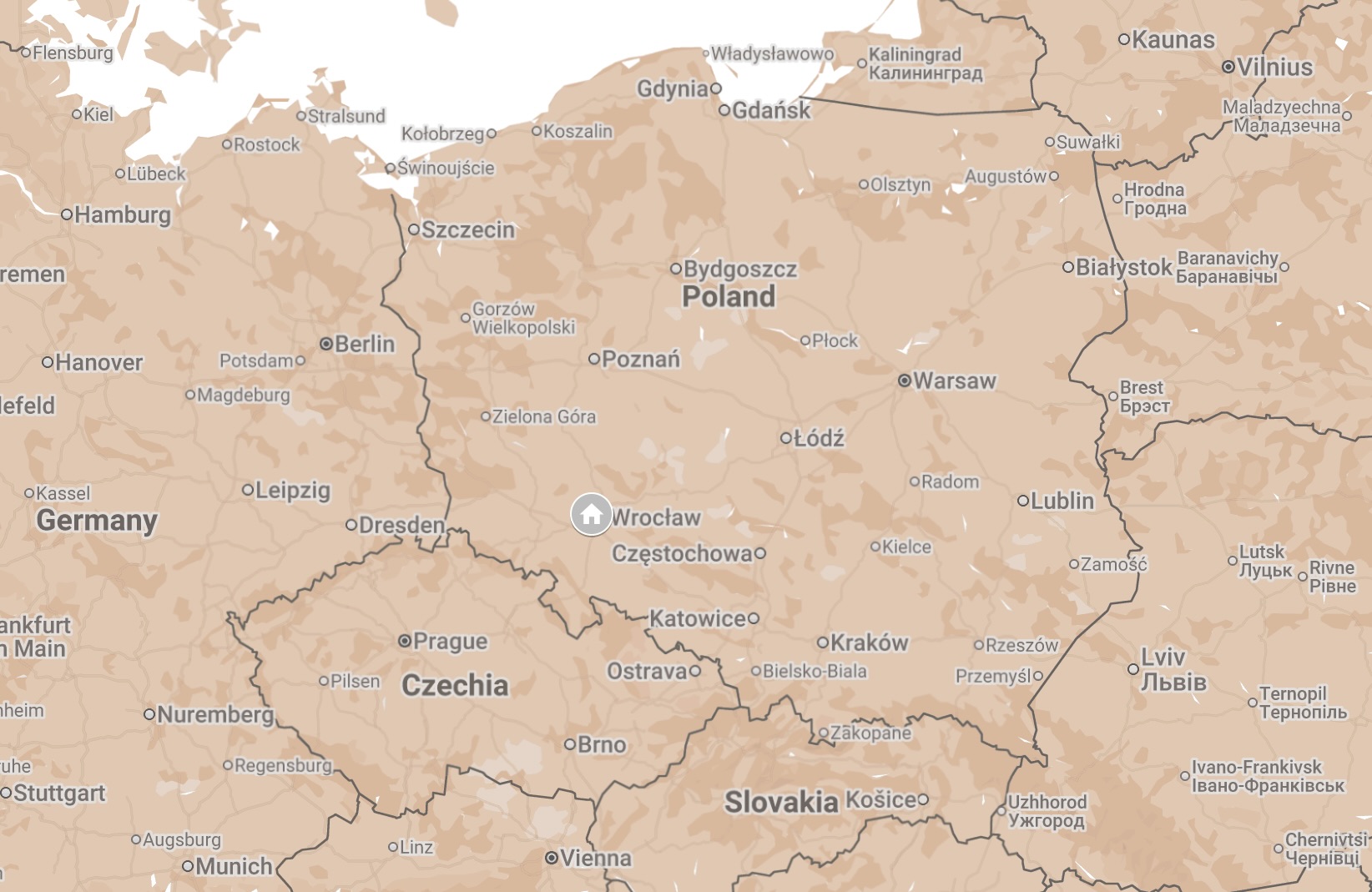
Lower Silesian Voivodeship is located in south-western Poland. Its modern-day capital is Wrocław, a city that was historically known as Breslau, home to members of the Boys.
To find out more about the history of Wrocław and its Jewish heritage click here.
The Lower Silesian Voivodeship was created on 1 January 1999 from the former Wrocław, Legnica, Wałbrzych, and Jelenia Góra Voivodeships.
Before the war, Lower Silesia was home to long-established Jewish communities. The region played a key part in the story of the Boys as it was home to many of concentration camps, notably Gross Rosen and subcamps of Auschwitz, in which they were held and was also the site of numerous death marches.
After 1945, Lower Silesia was incorporated into Poland and became a key resettlement area for survivors from across Eastern Europe. Wrocław, in particular, emerged as a post-war centre of Jewish life in Poland during the immediate aftermath of the Holocaust.
The point of entry is Wrocław. For details of how to get there click here.
The city is the best base for exploring the region and has many hotels.
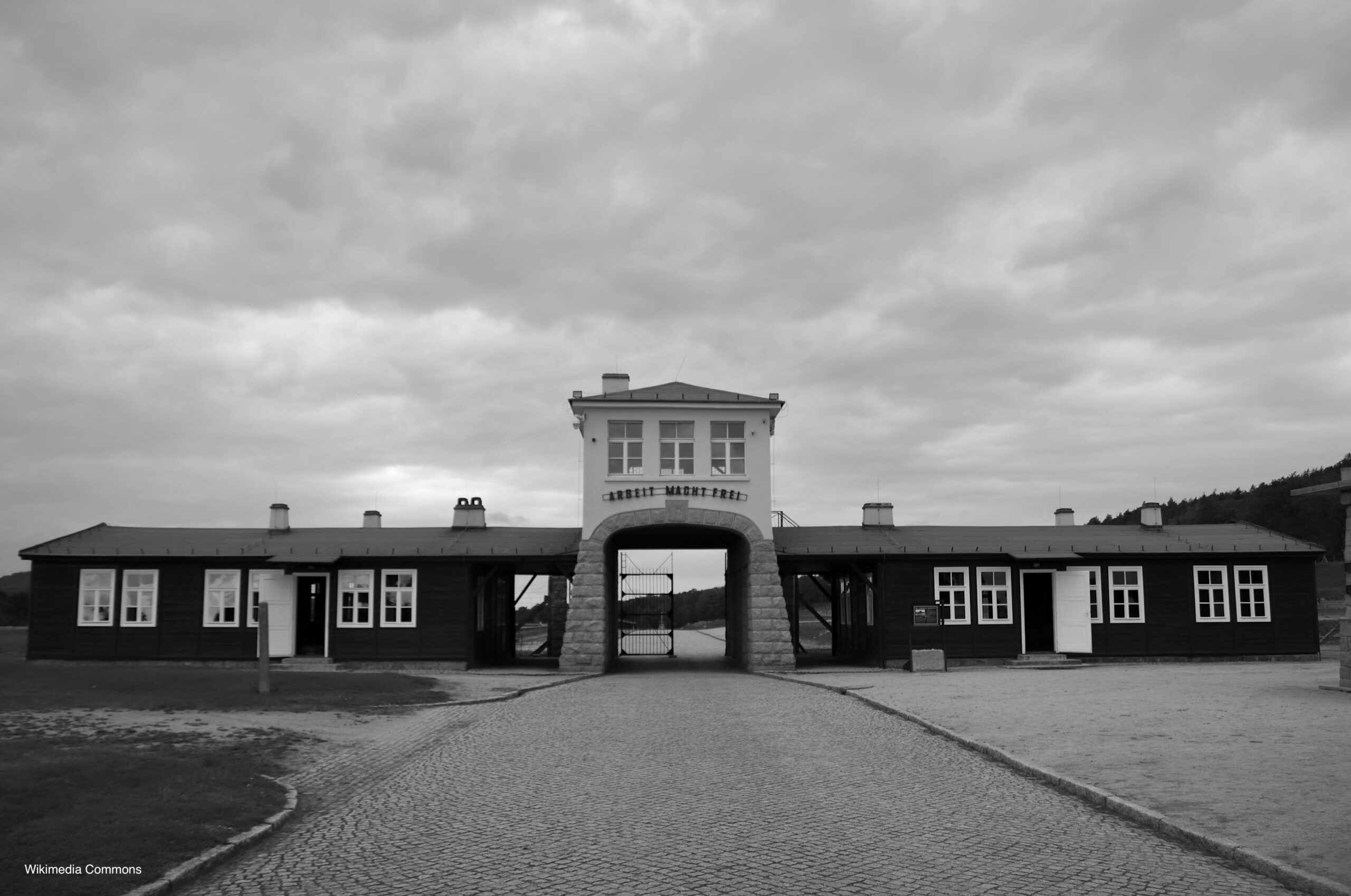
The main site of interest for the story of the Boys is the Gross Rosen concentration camp. Subcamps of Auschwitz where the Boys were held are also located in the region.
Visiting Gross Rosen
Muzeum Gross-Rosen (Muzeum Gross-Rosen w Rogoźnicy; Ofiar Gross Rosen; w gross-rosen.eu; free) Initially a satellite of Sachsenhausen, Gross Rosen became an independent camp in 1941. Until 1943, it held mostly Polish and German political prisoners, when 57,000 Jewish prisoners were imprisoned here. Prisoners worked in the granite quarry. It was also a destination for many of the death marches endured by the Boys.
The camp was evacuated in February 1945; some of the original buildings remain.
Note that Gross-Rosen and its subcamps are not easy to visit if you don’t have a car.

 About
About History
 Education
 Quilts
 FIlms
FIlms Photos
 News Media & Events
 Publications
 Donate