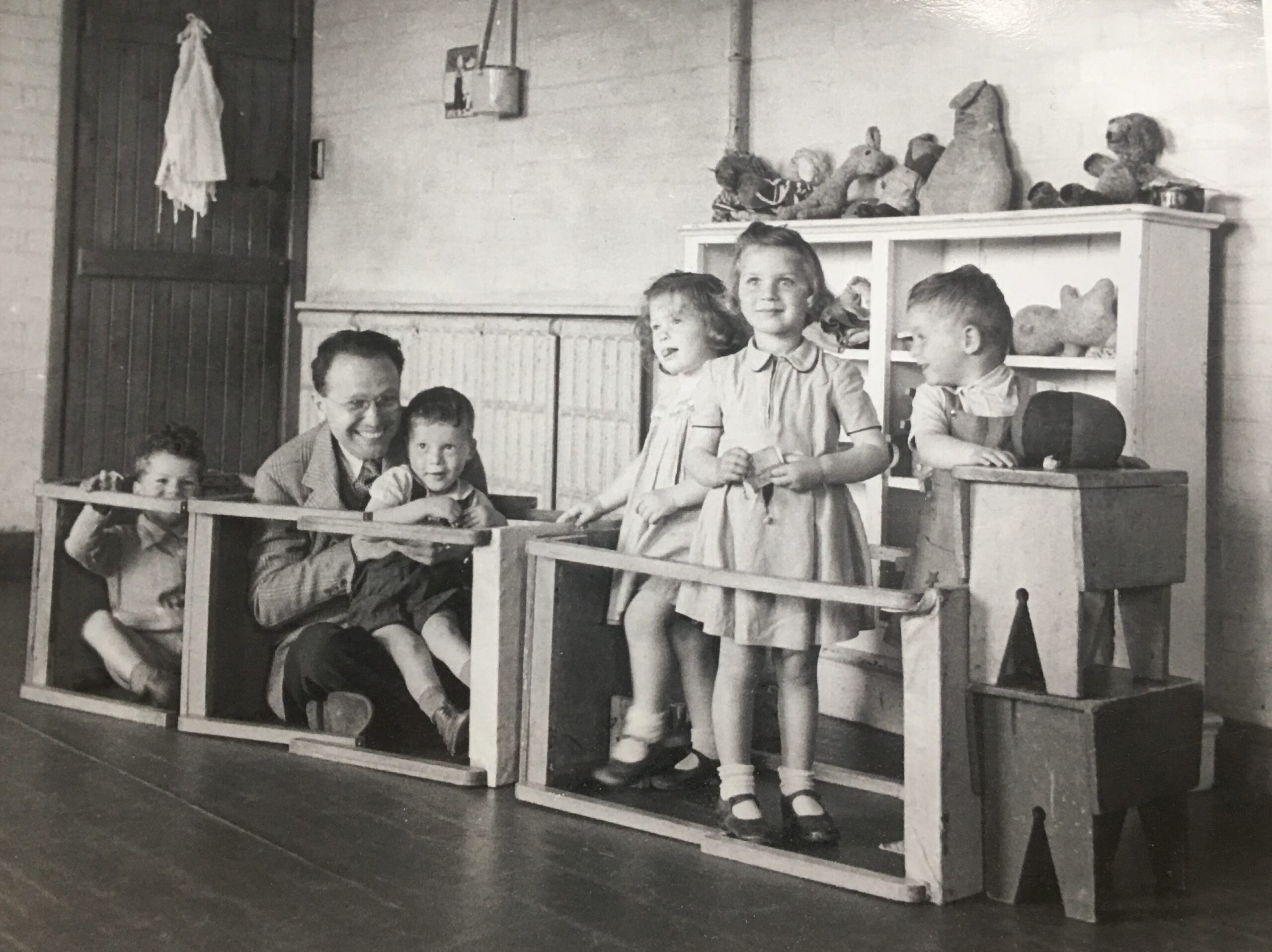
The Central British Fund (CBF) put together a large team of people to look after the Boys. Anna Freud was one of these carers.
The Boys were teenage and child-Holocaust survivors, who were brought to the UK after the war for rest and rehabilitation.
The British government offered 1,000 visas to bring the Boys to the UK but the caveat was that the CBF were responsible for their care and would pay all the expenses.
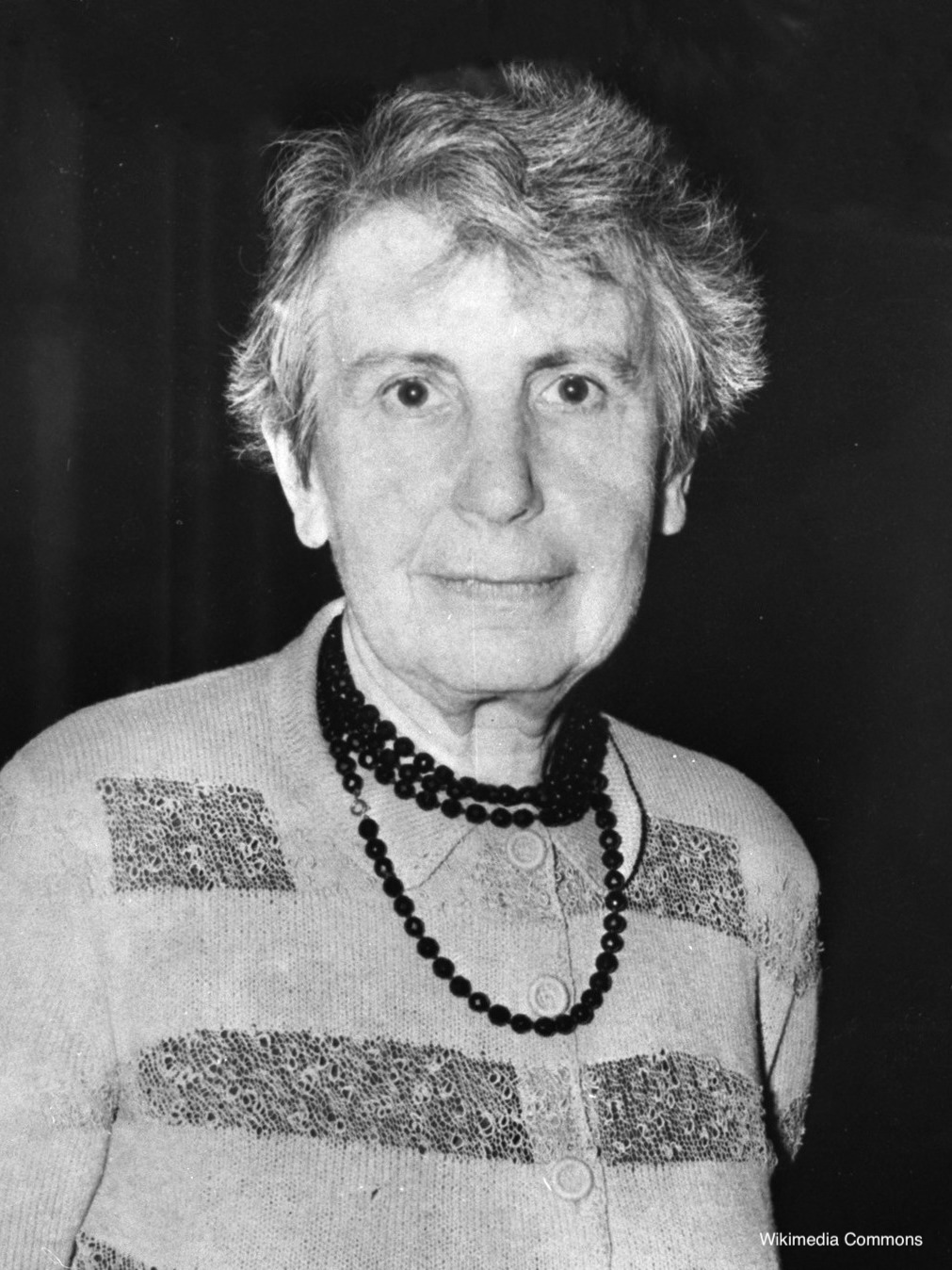
Anna Freud was born in Vienna in 1895, the youngest daughter of Sigmund Freud. She followed in her father’s footsteps, becoming a pioneering psychoanalyst and one of the founders of child psychoanalysis.
As the Nazis took power in Austria, Freud, who was Jewish, fled with her father to Britain in 1938. During World War II, she worked with evacuated and traumatised children in London. She co-founded the Hampstead War Nurseries with Dorothy Burlingham, which provided care for children who had been separated from their families during the Blitz.
Following the end of the war, Anna Freud turned her attention to child Holocaust survivors. In 1945, she oversaw the psychological care of some of the youngest members of the Boys.
Her approach focused on creating a stable, nurturing environment with consistent routines, emphasising the importance of play, peer relationships, and slowly rebuilding trust in adults. Freud’s clinical observations of the children at Bulldogs Bank written with Sophie Dann An Experiment in Group Upbringing was published in 1951. It became a seminal work in child psychology
Later, she developed her work at the Hampstead Child Therapy Clinic, which she directed until her death. The clinic became a leading centre for training child therapists and treating children affected by war, neglect, and psychological distress.
Freud died in 1982.

 About
About History
 Education
 Quilts
 FIlms
FIlms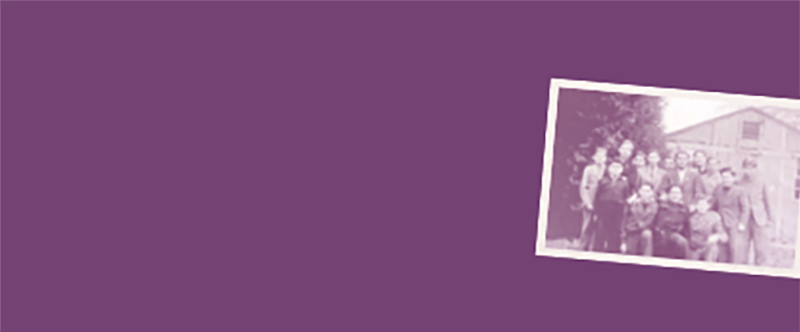 Photos
 News Media & Events
 Publications
 Donate