The ’45 Aid Society is here to support and help teachers who would like to use the story of the Boys to study the Holocaust.
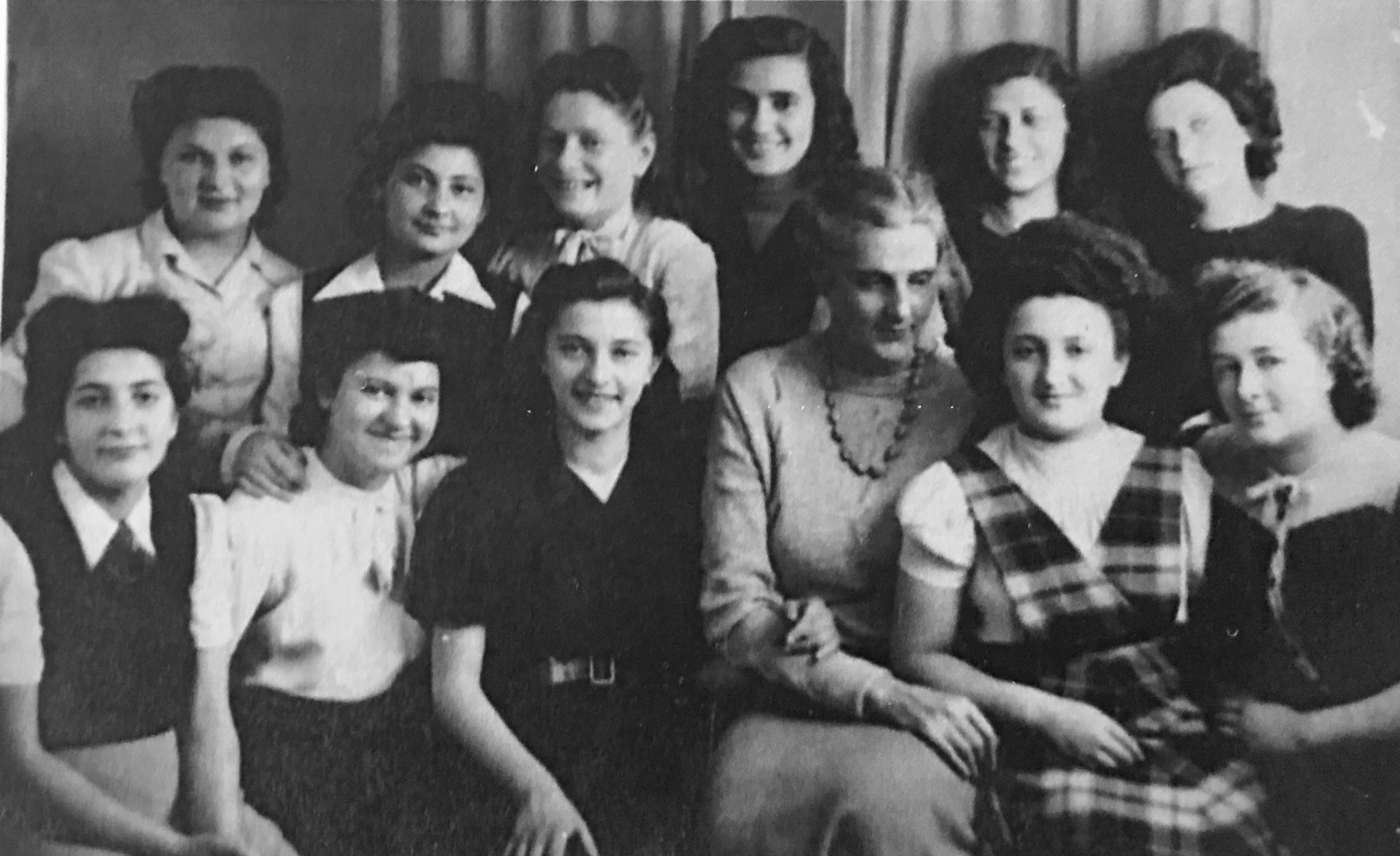
The ’45 Aid Society represents the teenage and child-Holocaust survivors and their descendants who were brought to the UK after World War II for rest and rehabilitation. The group is known as ‘the Boys’ despite the fact that it included over 200 girls.
Members of the Boys were held in Nazi labour and concentration camps and used as slave labourers. They had also survived World War II in hiding or as lone children.
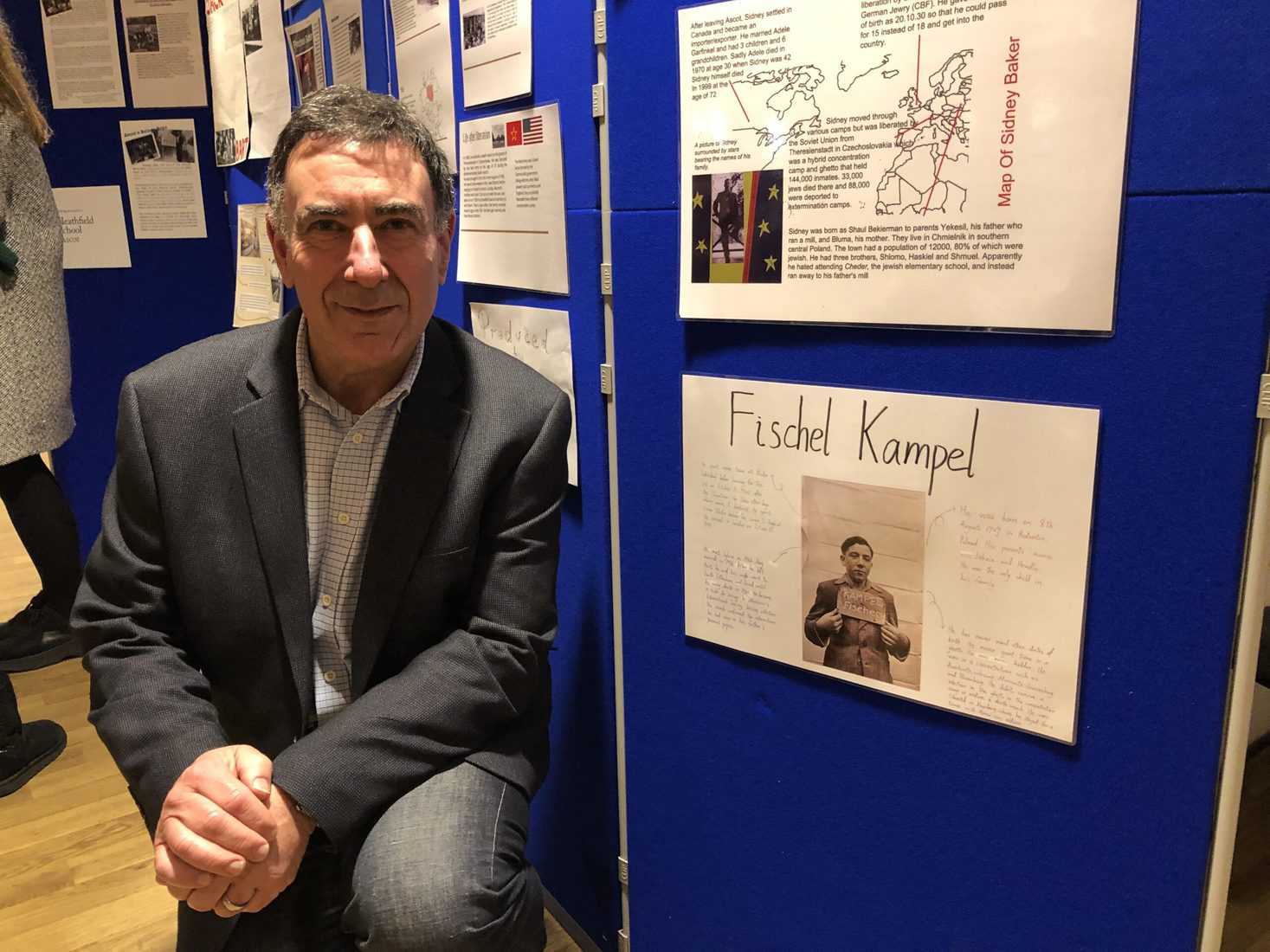
The Boys story is an intensely personal way of looking at the Holocaust.
The ’45 Aid Society are committed to telling the story of their families – both the Boys who came to the UK after the Holocaust and those who lost their lives during it.
This is a unique way of engaging students in the subject.
If you would like to book a speaker click here.
Why Teach the Story of the Boys?
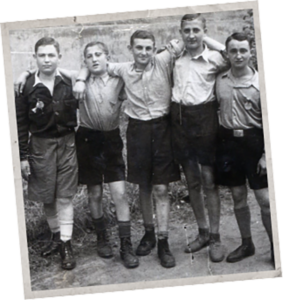
Statistics are impersonal and difficult, if not impossible, to grasp. Focus on individual experiences makes understanding the enormity of what happened more personal. This is the unique importance of the story of the Boys.
Students can find difficulty relating to the Holocaust. The Boys were all the same age as school and college students, which makes their story so relatable.
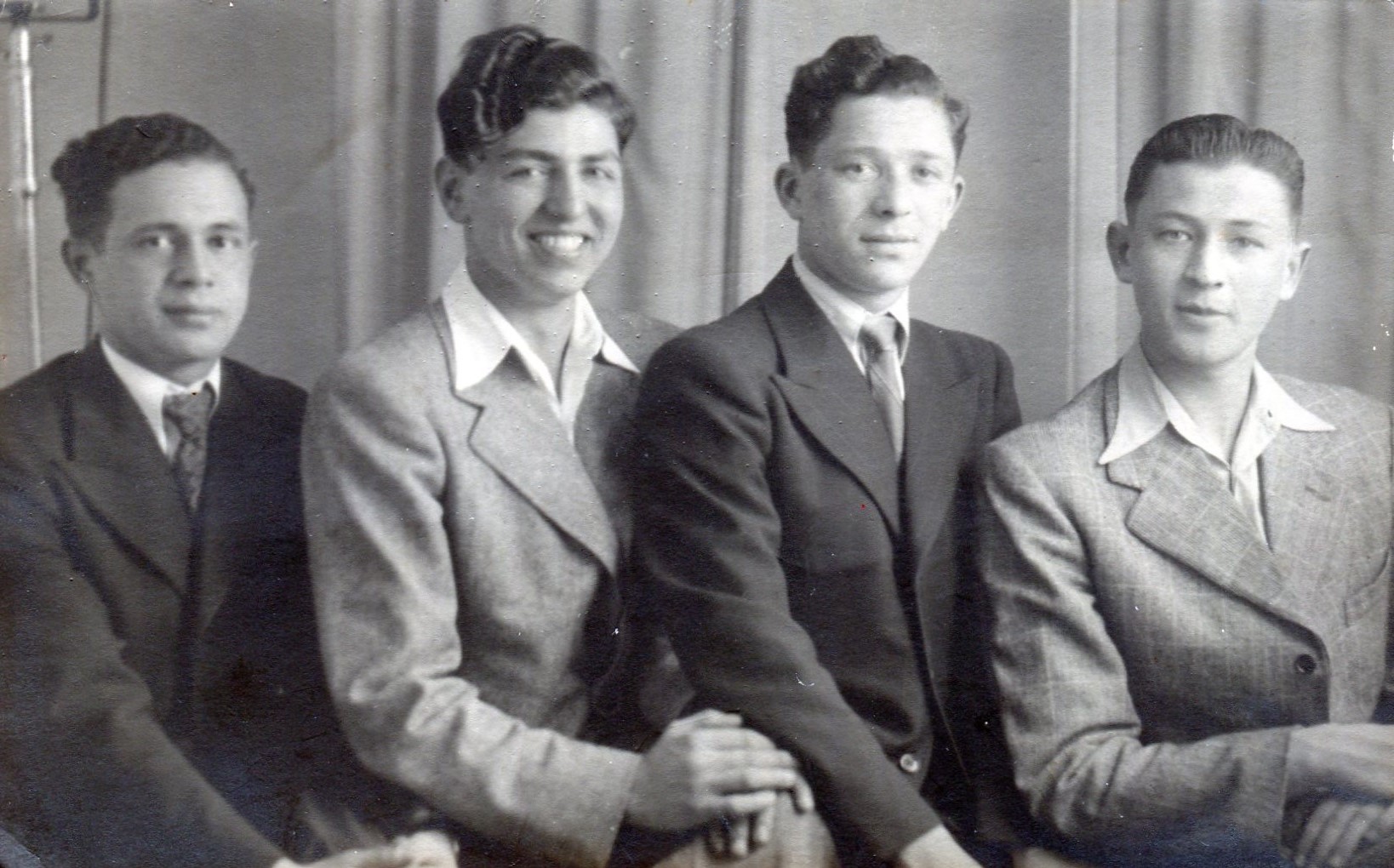
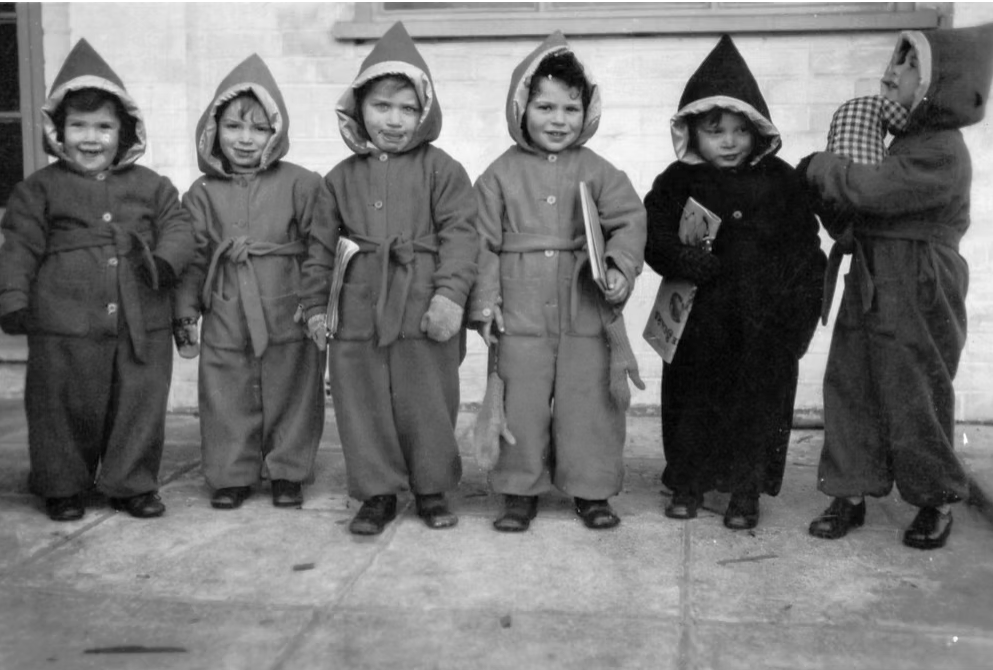
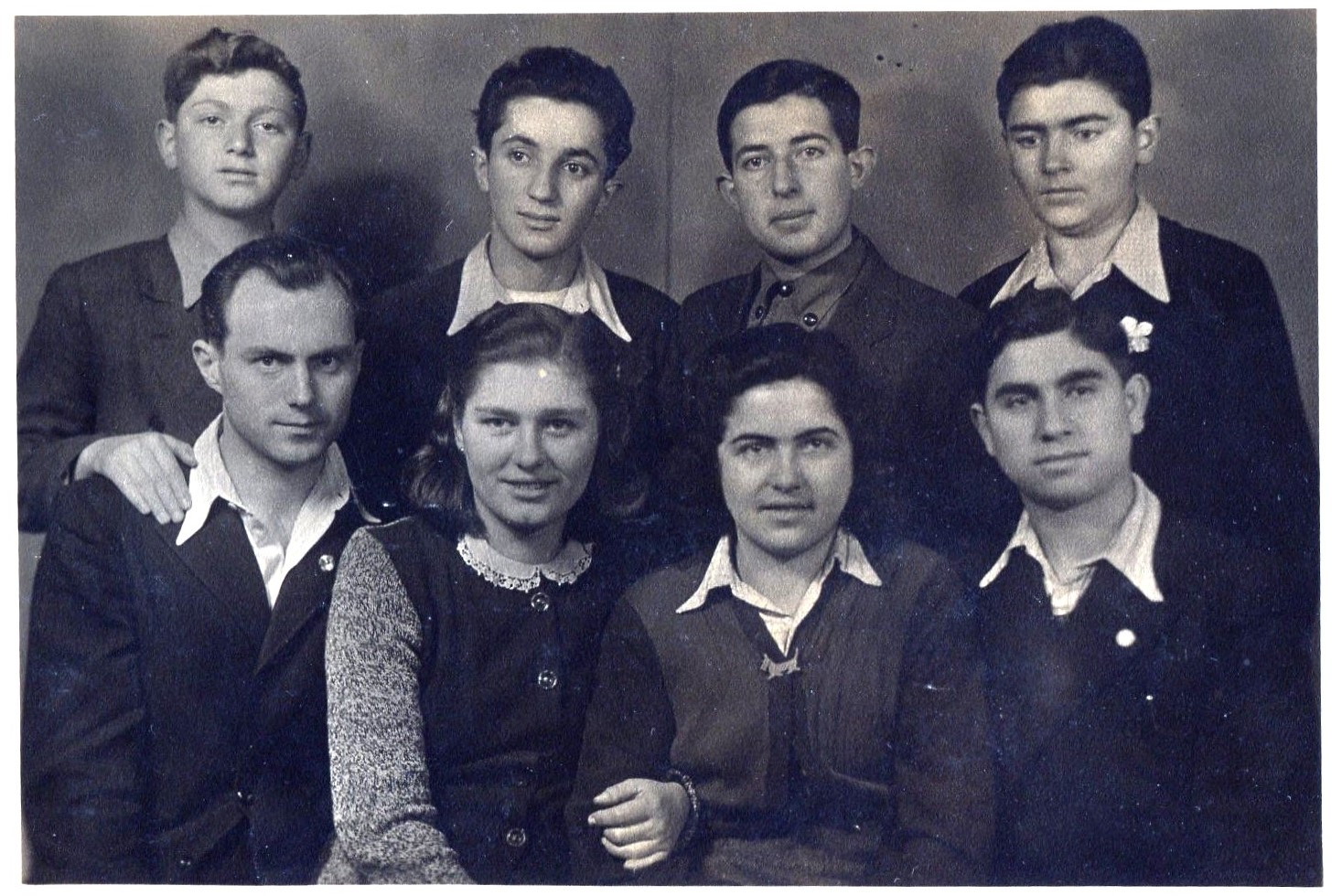
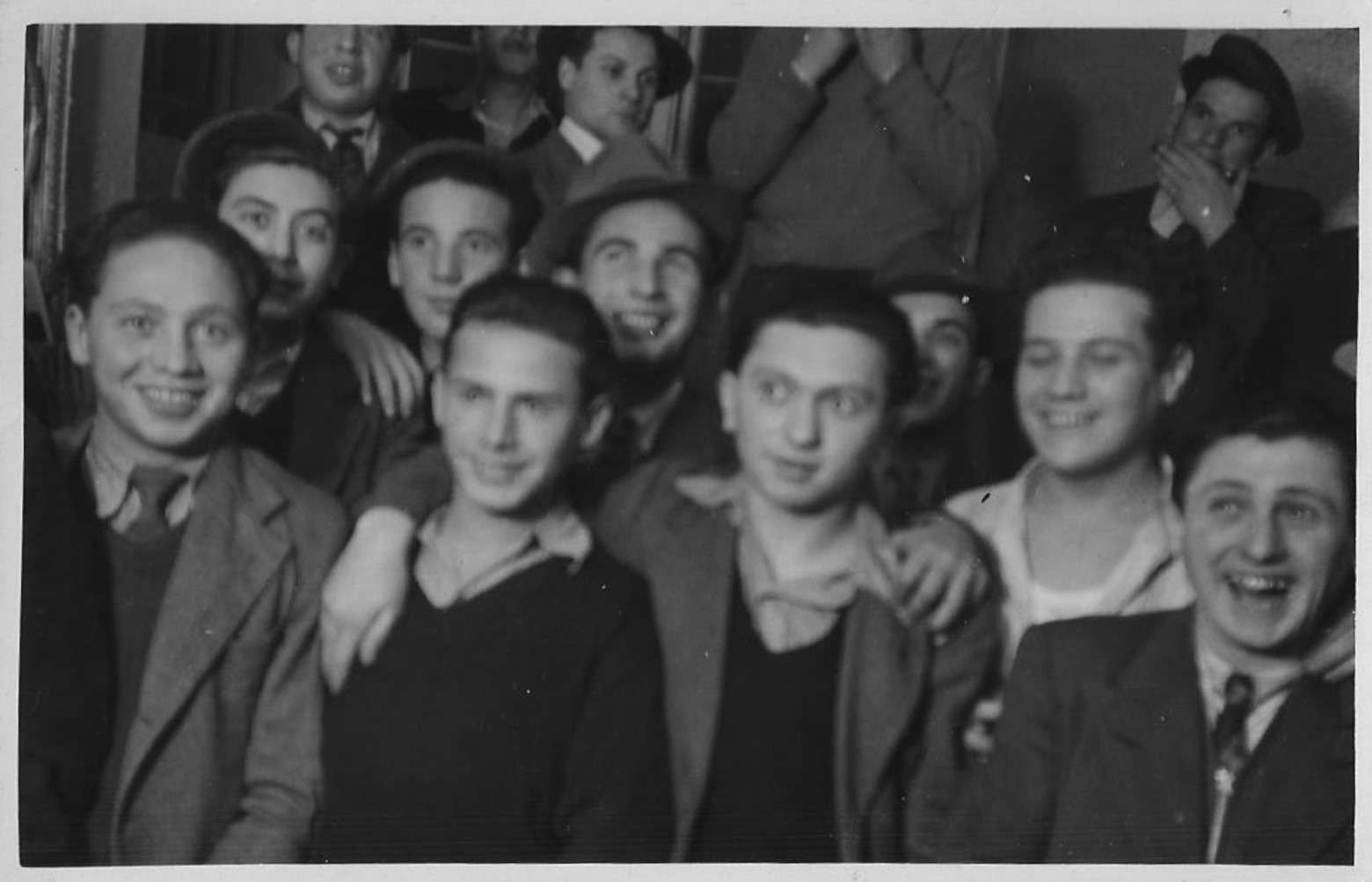
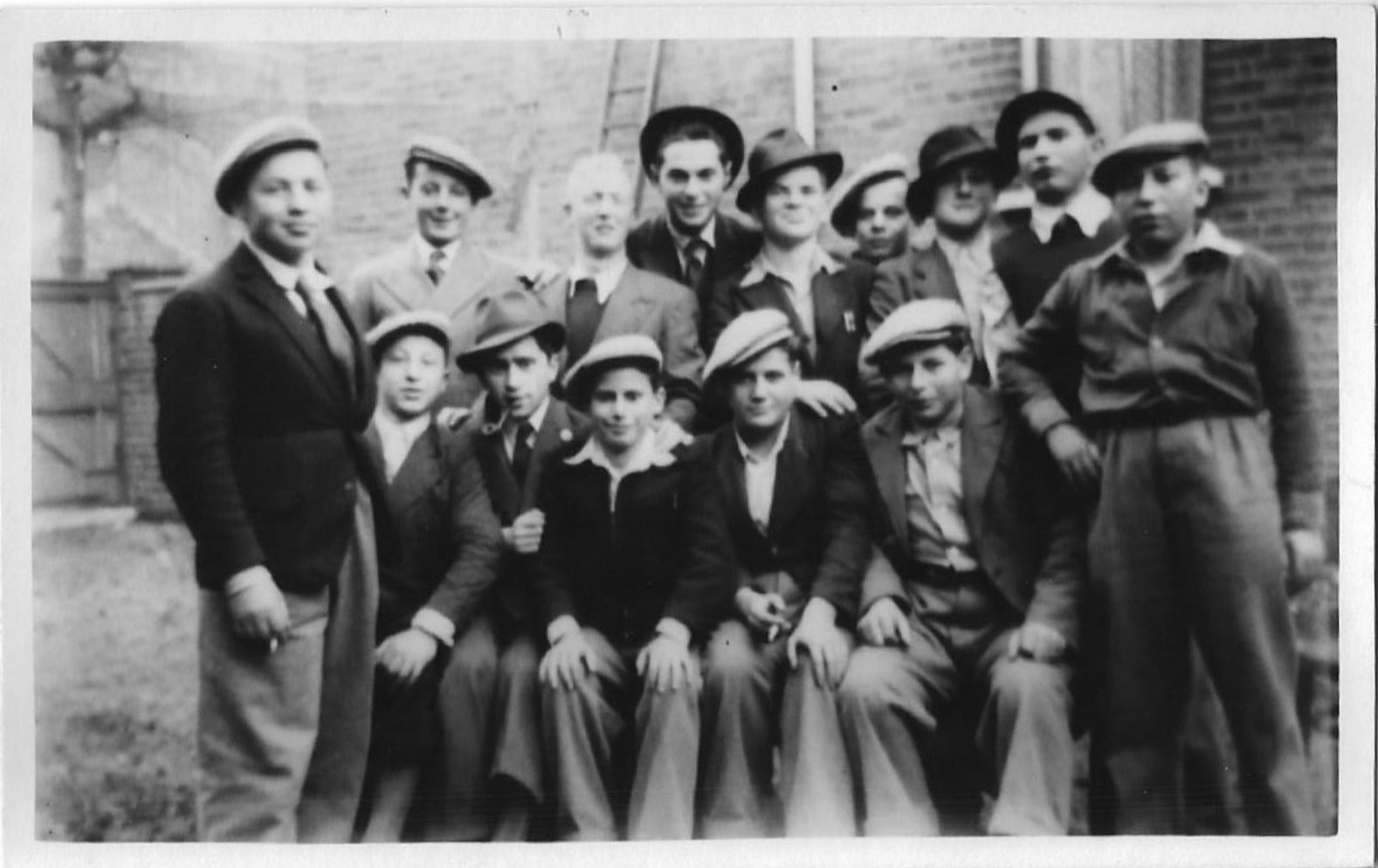
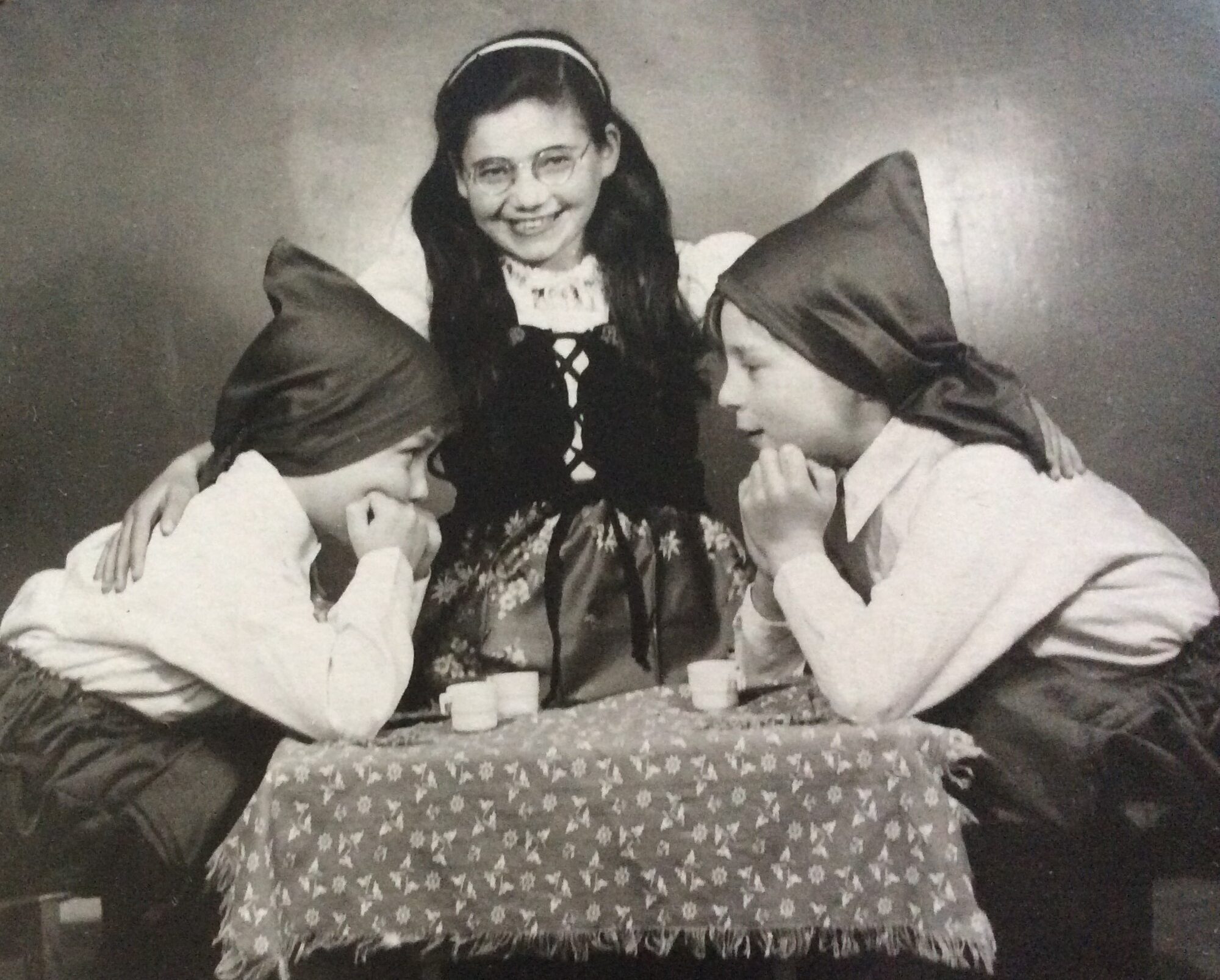
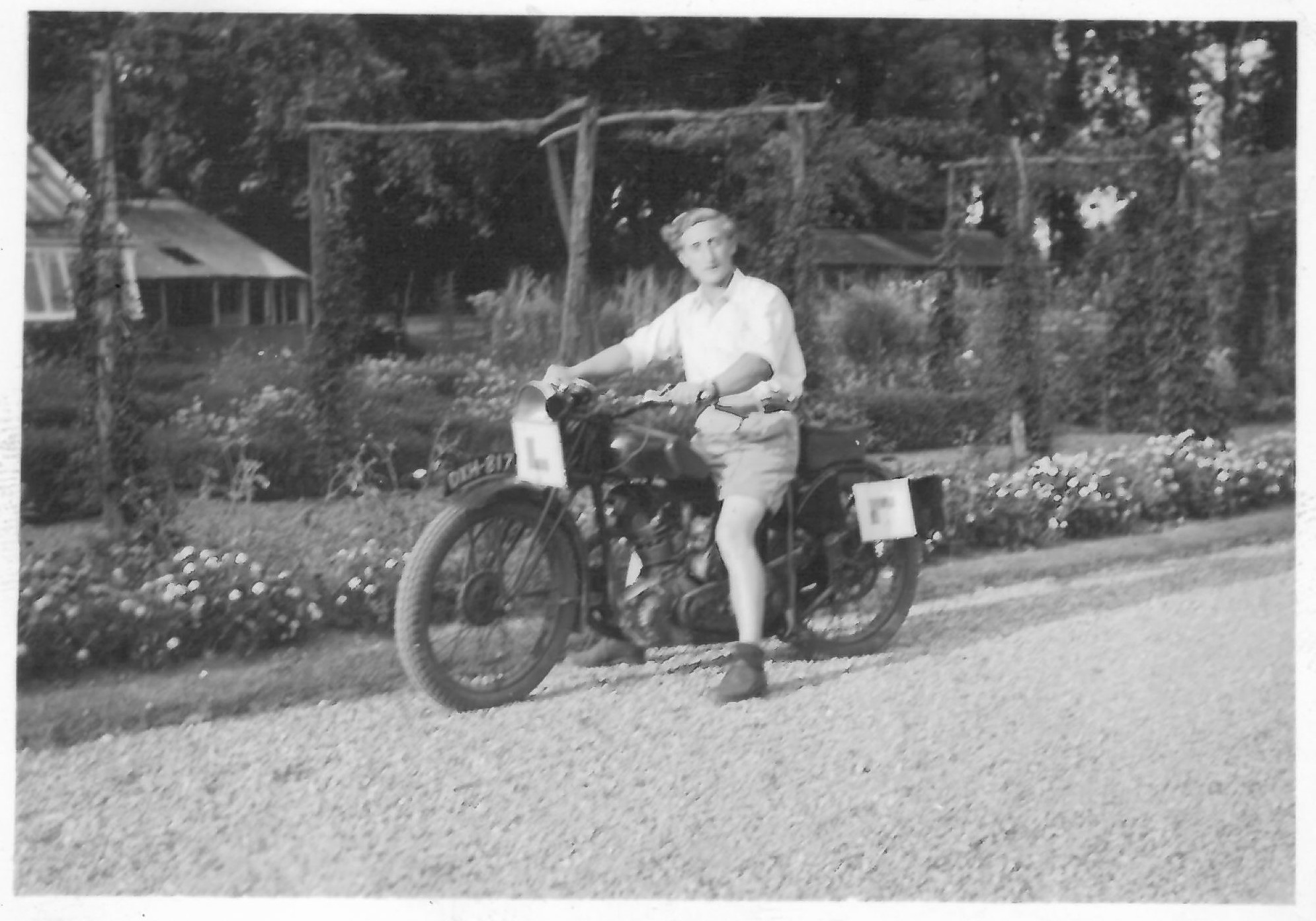
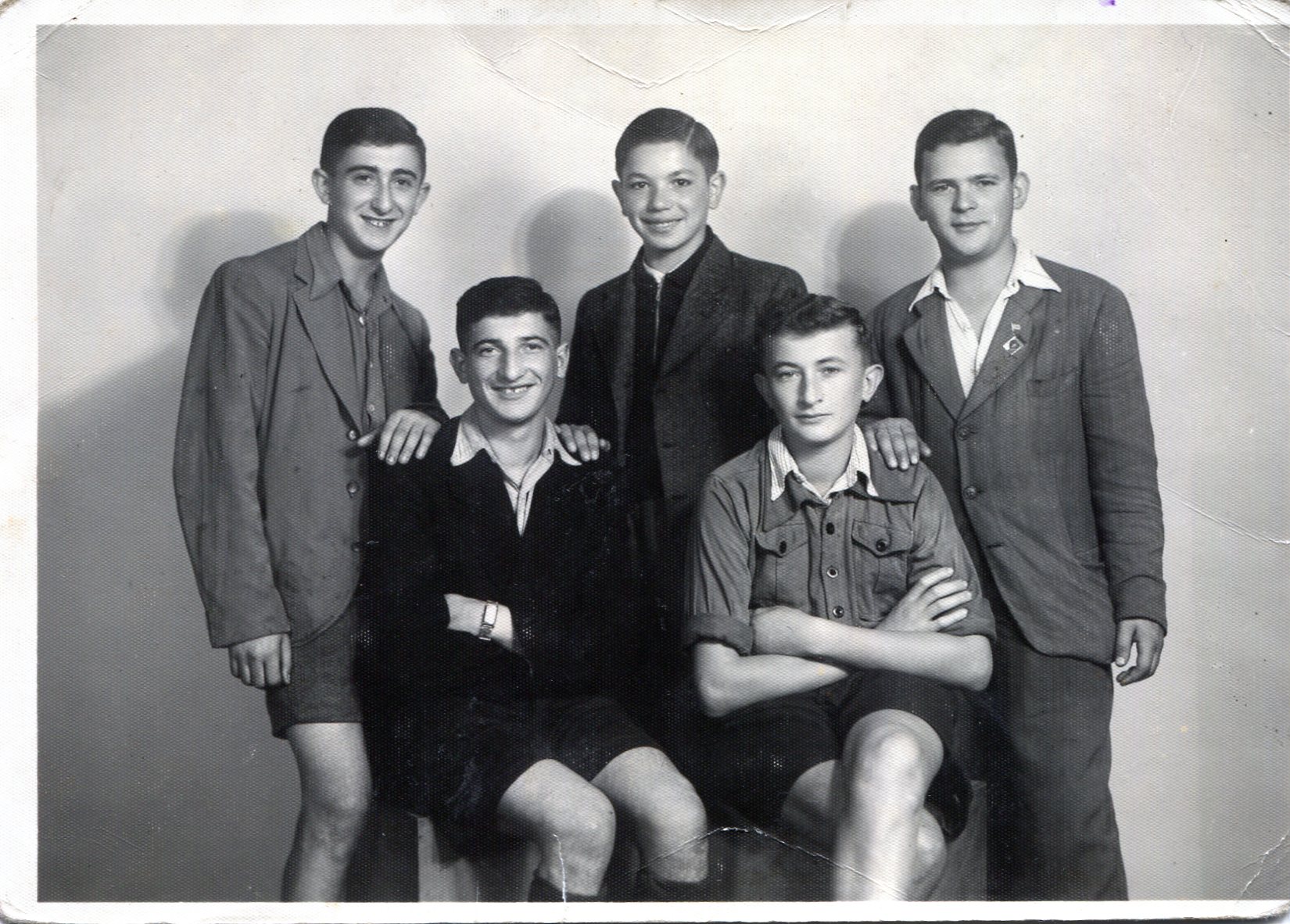
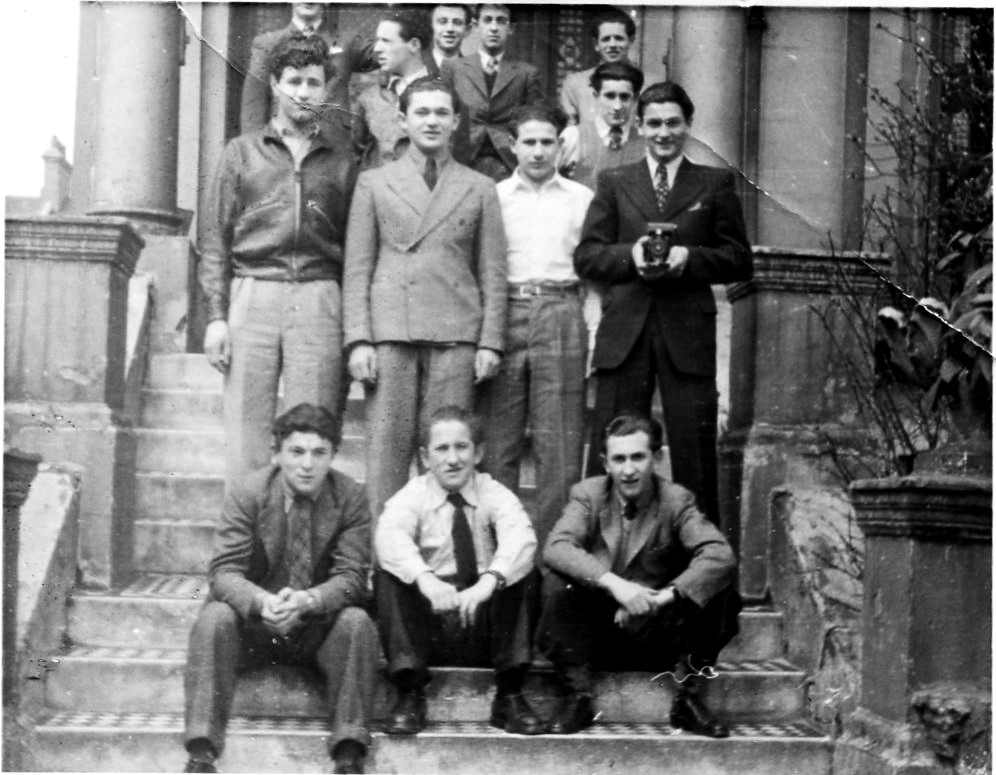
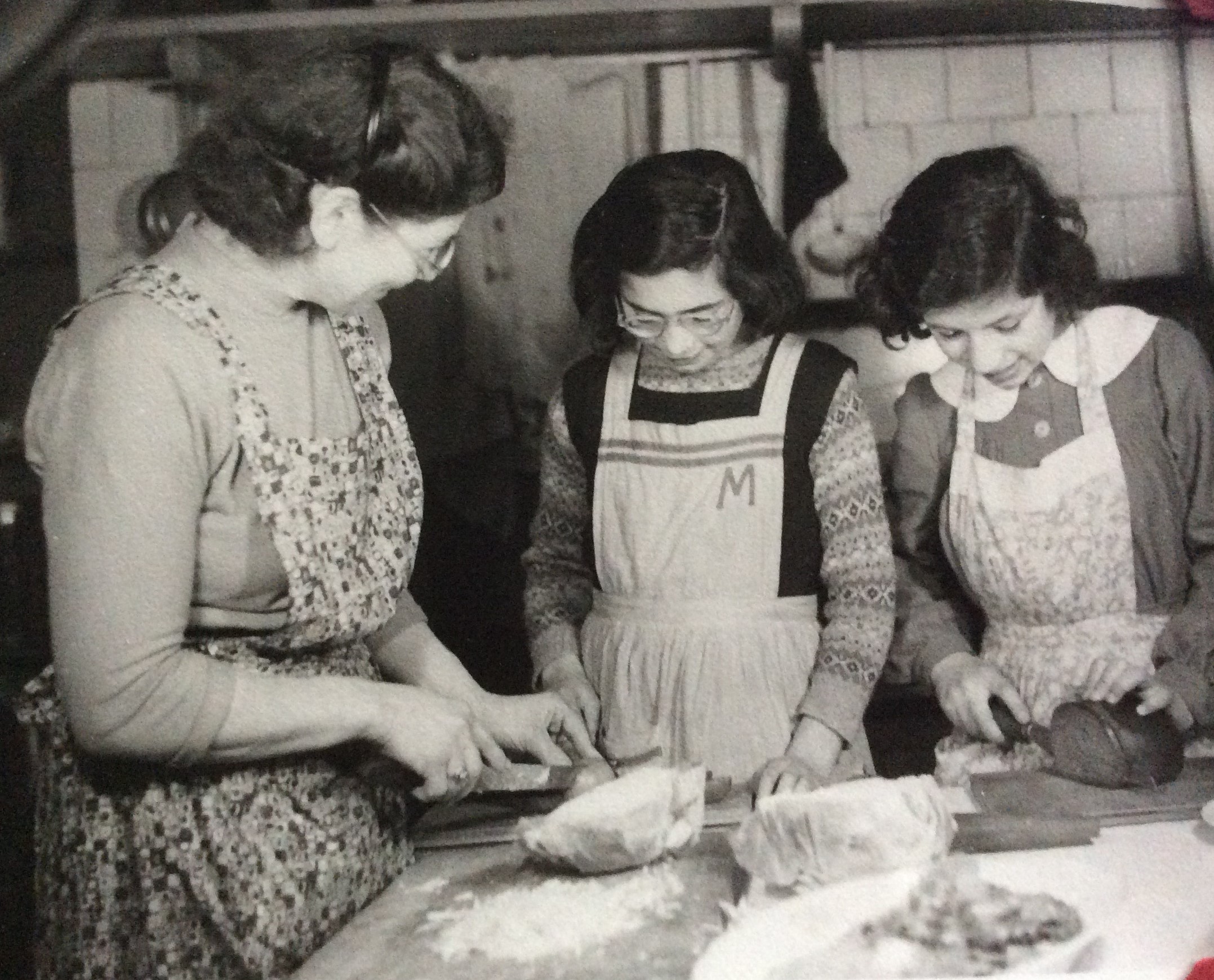
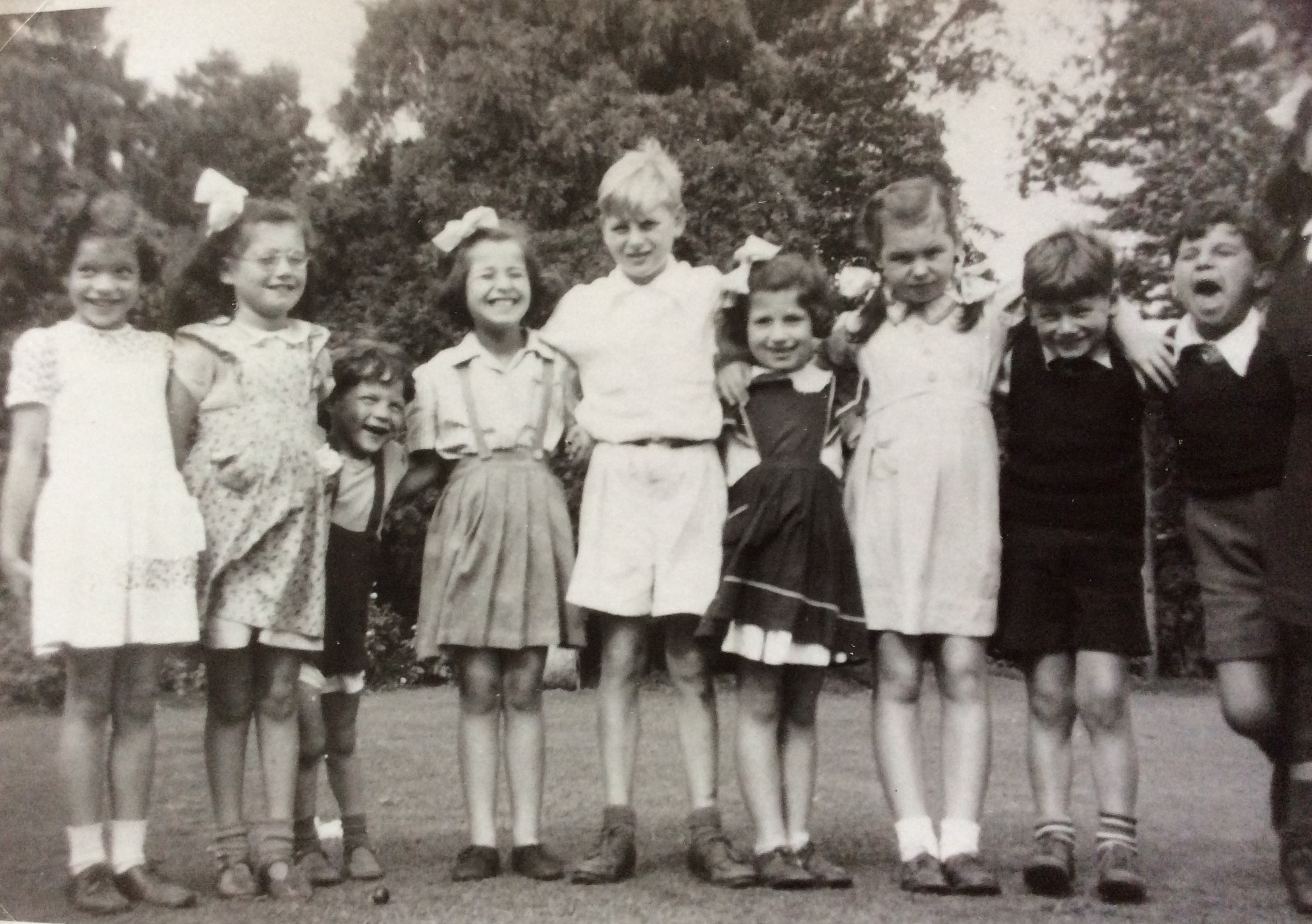
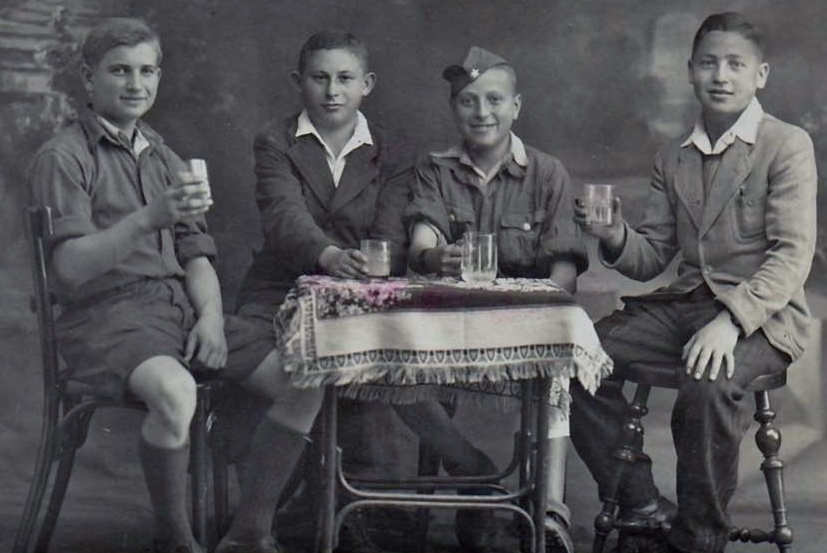
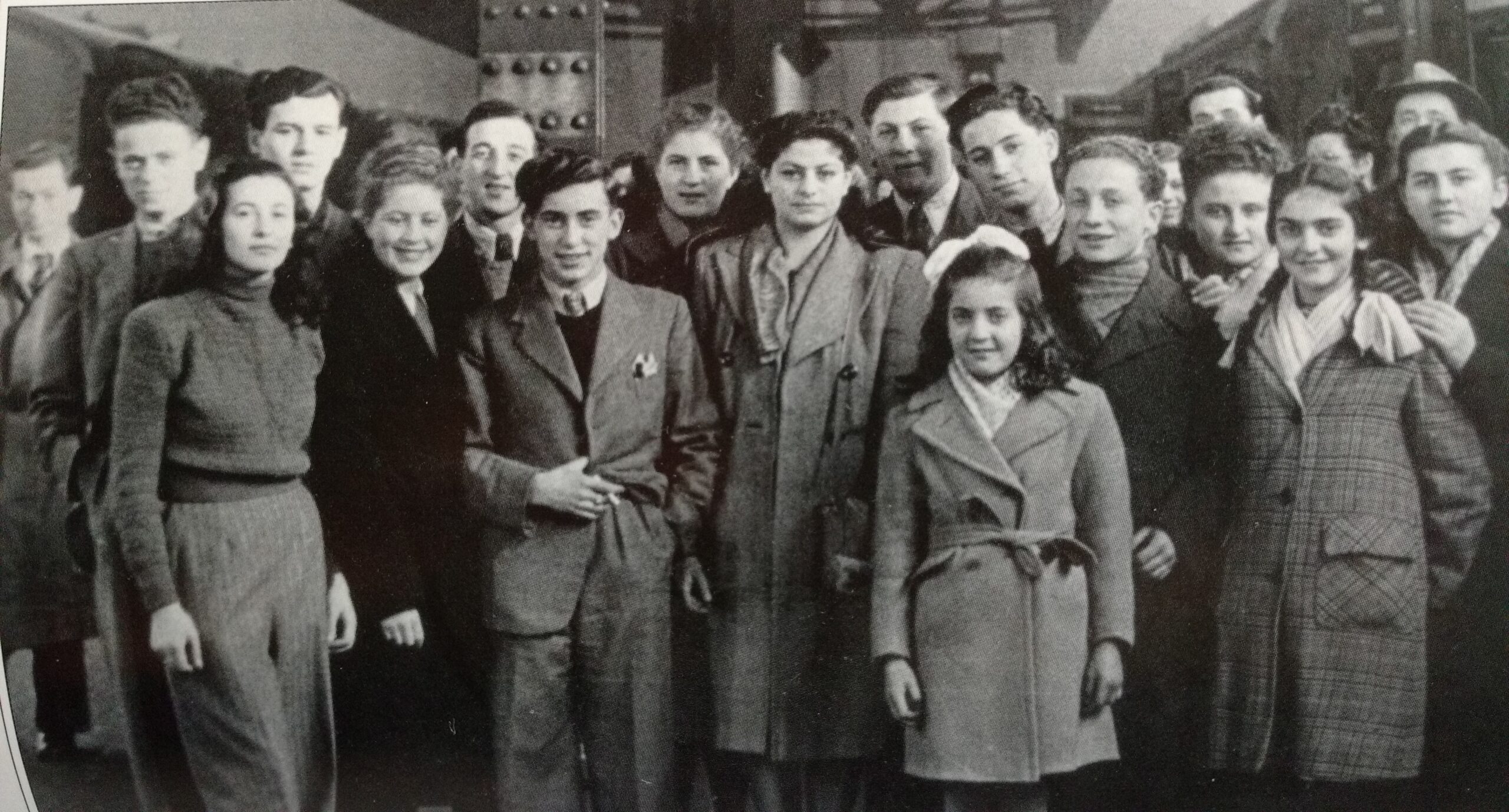
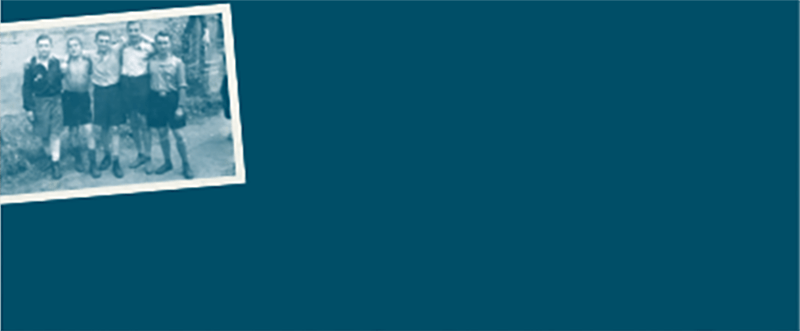
Using the story of the Boys provides primary source material in their photographs, memoirs and testimonies.
The story of the Boys allows students to study the places they grew up in and families they lost as well as their experiences in hiding, in the ghettos and camps and on the death marches.
Teaching the Boys Story through their Books, Testaments & Photographs
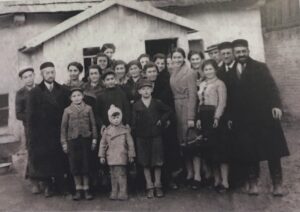
The ’45 Aid Society website has a unique collection of photographs, memoirs and testaments that can help teach the Holocaust.
The photographs offer a hugely personal way of approaching the Holocaust from the pre-war period right through to the present day. The photographs in the Birthplaces section on this website in particular relay scenes and events that are instantly recognisable for students.
On this website you can find links to the Boys memoirs and testaments, many of which are quoted from in the History pages.
You can also request one of their children or grandchildren to come to speak to your class.
Click here to find out more
The Hostels: A Unique Local History Project
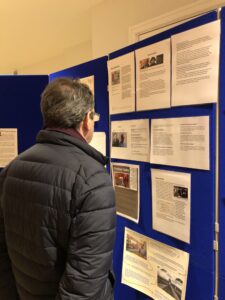
A key part of the story of the Boys is their life in the UK after liberation.
The Boys were housed in children’s homes known as hostels.
The hostels were scattered across Britain.
To find out more click here.
By studying the Boys cared for in one of the hostels students can discover the Holocaust through a unique local history project.
Each hostel had about 30 Boys in it – a ideal number for the classroom.
The Boys in the hostels came from different backgrounds and their life stories illuminate varying aspects of the Holocaust.
Some hostels cared for Boys who were ill, others for younger children.
To request a teacher’s pack click here.
Teaching the Holocaust through Art
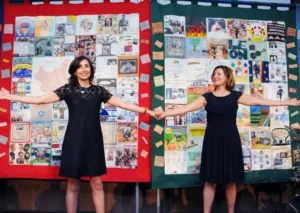 If you are following a wide-based curriculum approach to teaching the Holocaust, the Story of the Boys is an ideal option.
There are key aspects to the Boys’ Story that can be used to teach the Holocaust through art.
The Boys are remembered in an extraordinary Memory Quilt, made up of quilt squares that remember members of the Boys.
To discover more click here.
Among the Boys were also two renowned artists Sam Dresner and Roman Halter, whose work was inspired by the Holocaust.
To find out more about Sam Dresner click here and for more about Roman Halter click here.

 About
About History
 Education
 Quilts
 FIlms
FIlms Photos
 News Media & Events
 Publications
 Donate