Members of the Boys were held in Nazi labour and concentration camps and used as slave labourers.
From 1933-1945 Nazi Germany operated over 1,000 concentration camps and subcamps in its own territory and across German occupied Europe. Among them was the Natzweiler-Struthof concentration camp.
As the camps were dissolved thousands of people among them members of the Boys endured horrific evacuations from the camps on foot, in freight wagons and open top trains, as well as perilous journey across the Baltic Sea.
The Boys were teenage and child-Holocaust survivors, who were brought to the UK after the war for rest and rehabilitation.
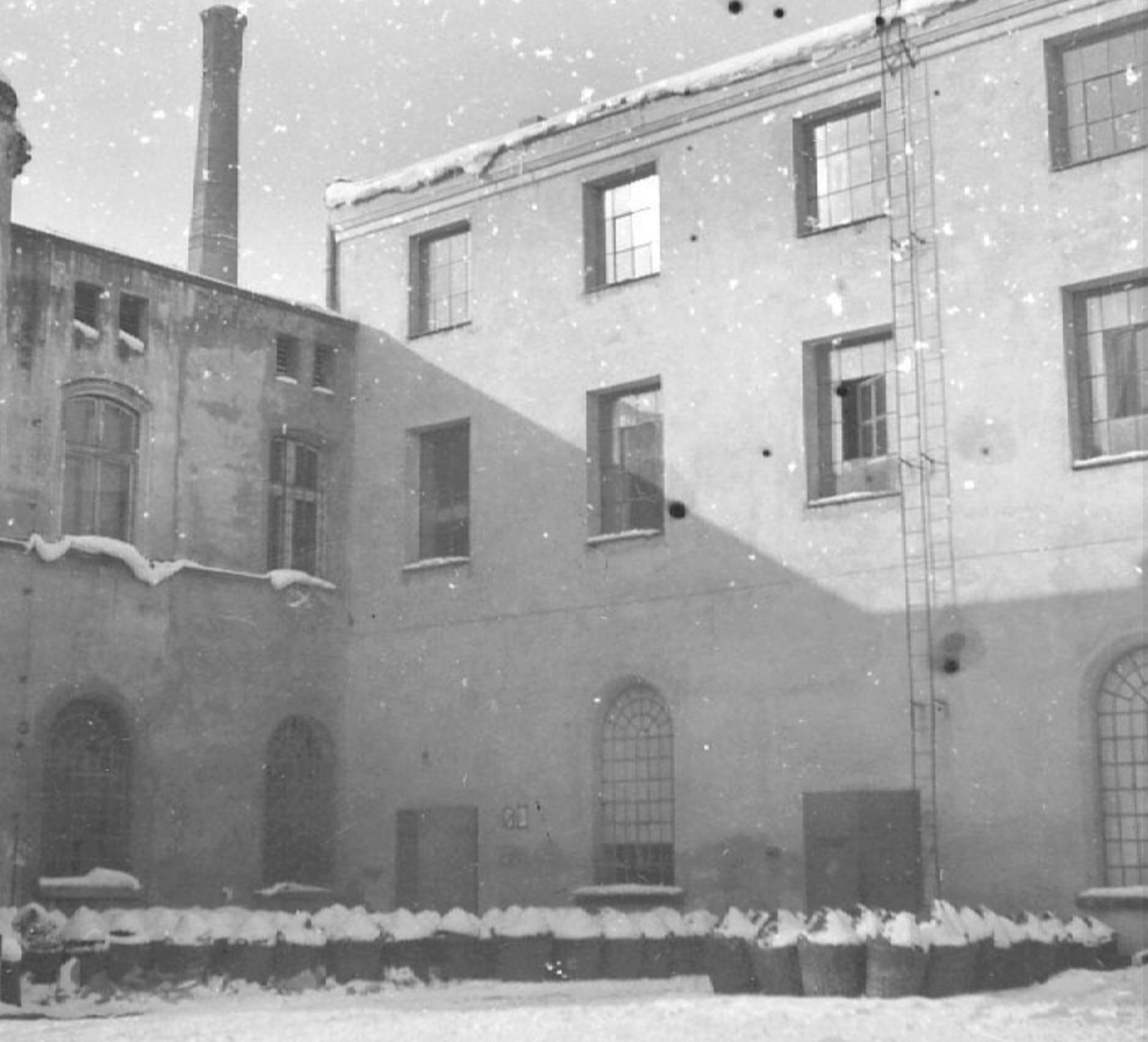
Arbeitslager Neustadt was located in modern-day Prudnik, Poland. It was a subcamp of Auschwitz concentration and extermination camp. It was founded in late September 1944 when about 400 women prisoners were brought from Auschwitz to work in the Schlesische Feinweberei AG textile mill. The evacuation of the camp took place on 19 January 1945 due to the approaching Soviet army.
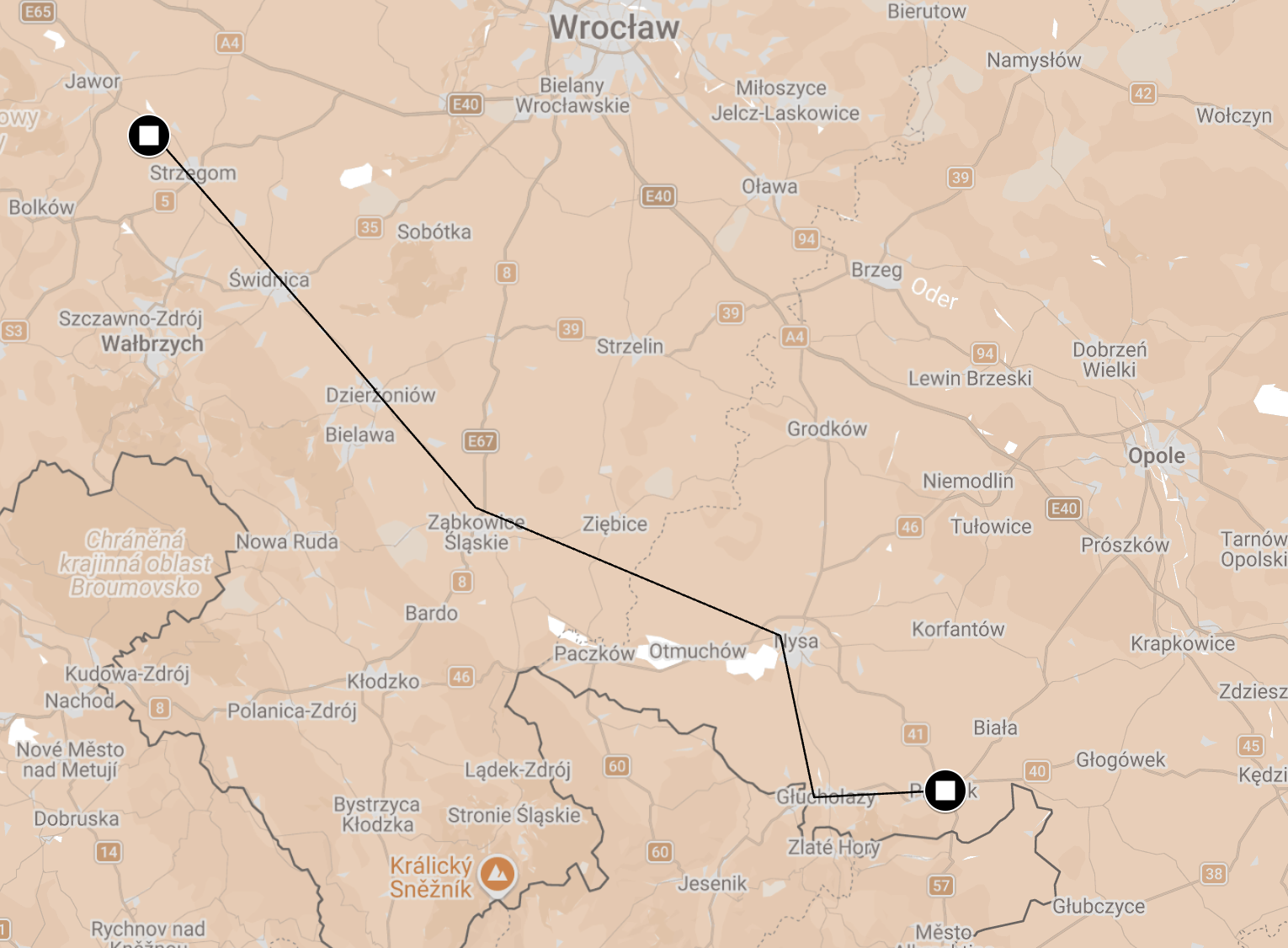
Route
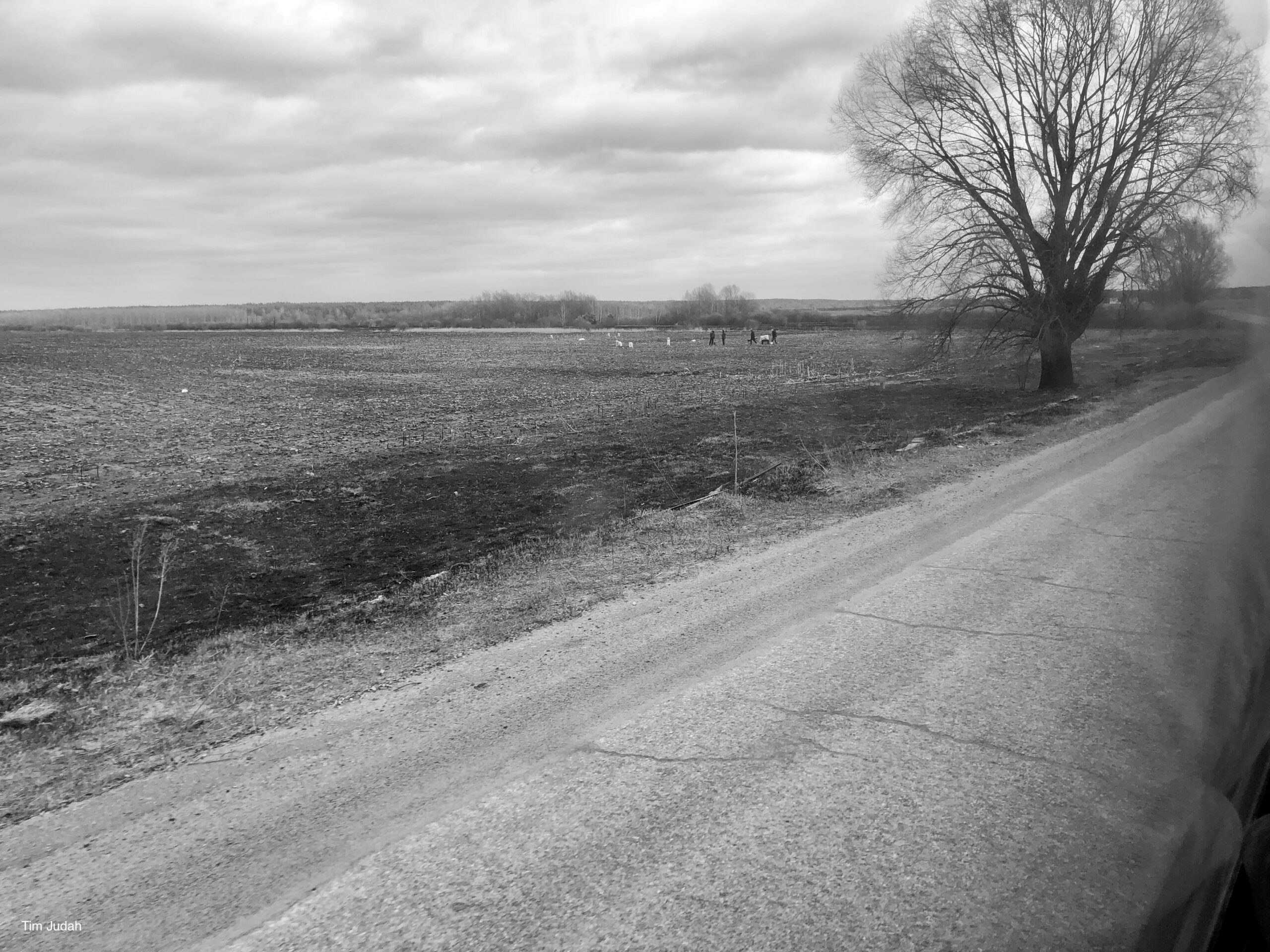
Approximately 400 women, mostly Hungarian Jews—were forced to leave the sub-camp on foot. The women were escorted by SS guards towards Głuchołazy (Ziegenhals). Like other death marches from the Auschwitz-Birkenau system, the prisoners suffered from extreme cold, starvation, and exhaustion. SS guards routinely shot those who could not keep pace.
From Gross-Rosen, surviving prisoners were later transported to the Bergen-Belsen concentration campGross-Rosen concentration camp and later transported to Bergen-Belsen.
Memorialisation
A symbolic tombstone exists in the Jewish cemetery in Prudnik (Neustadt O/S) to the memory of Polish Auschwitz prisoners.

 About
About History
 Education
 Quilts
 FIlms
FIlms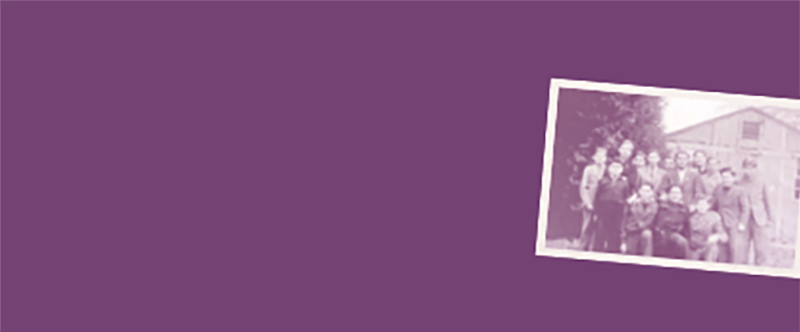 Photos
 News Media & Events
 Publications
 Donate