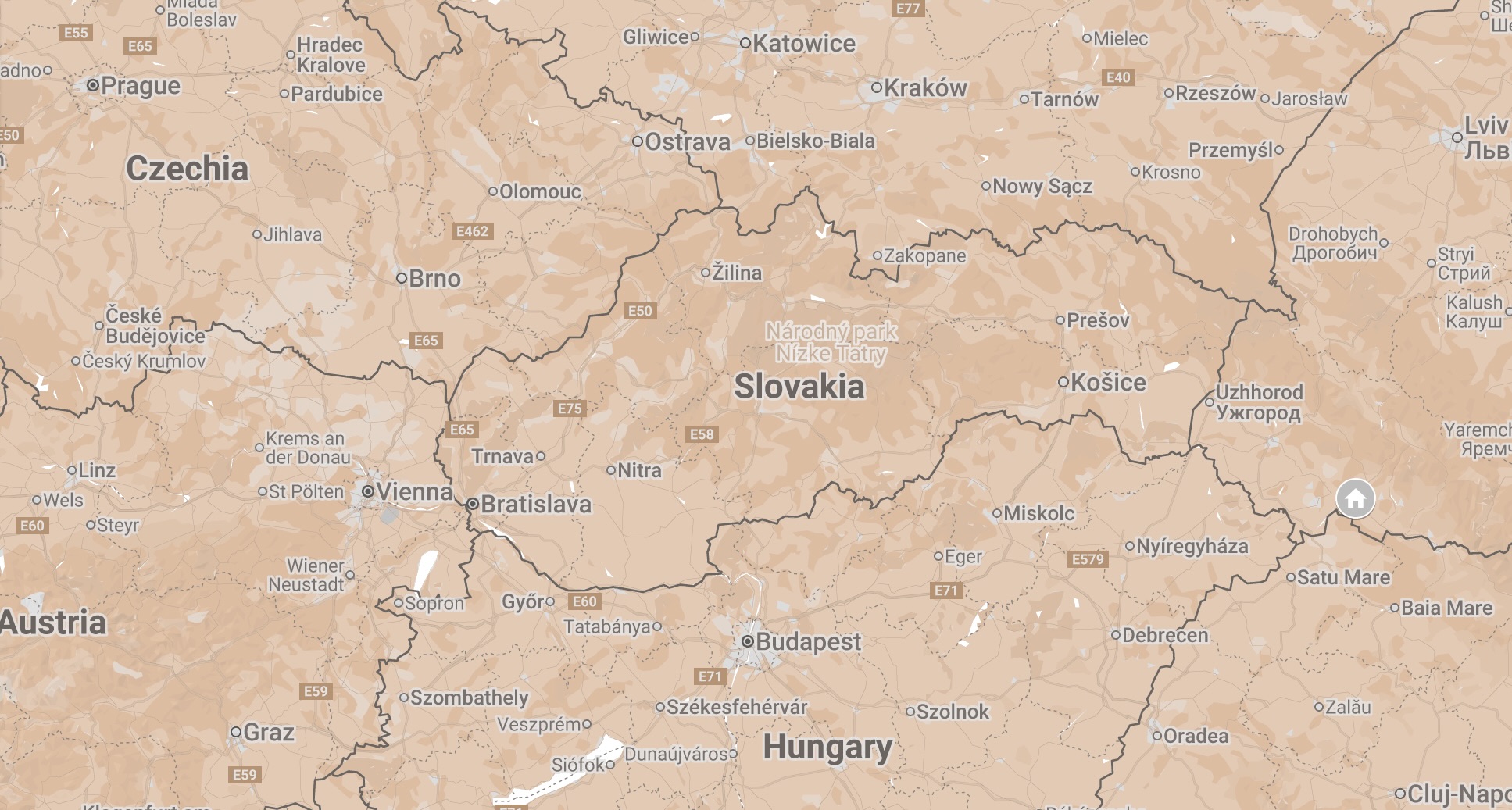
Members of the Boys were born in Chust in eastern Czechoslovakia, now Khust in Ukraine.
The Boys were teenage and child-Holocaust survivors, who were brought to the UK after the war for rest and rehabilitation.
Members of the Boys were held in Nazi labour and concentration camps and used as slave labourers. They had also survived World War II in hiding or as lone children.
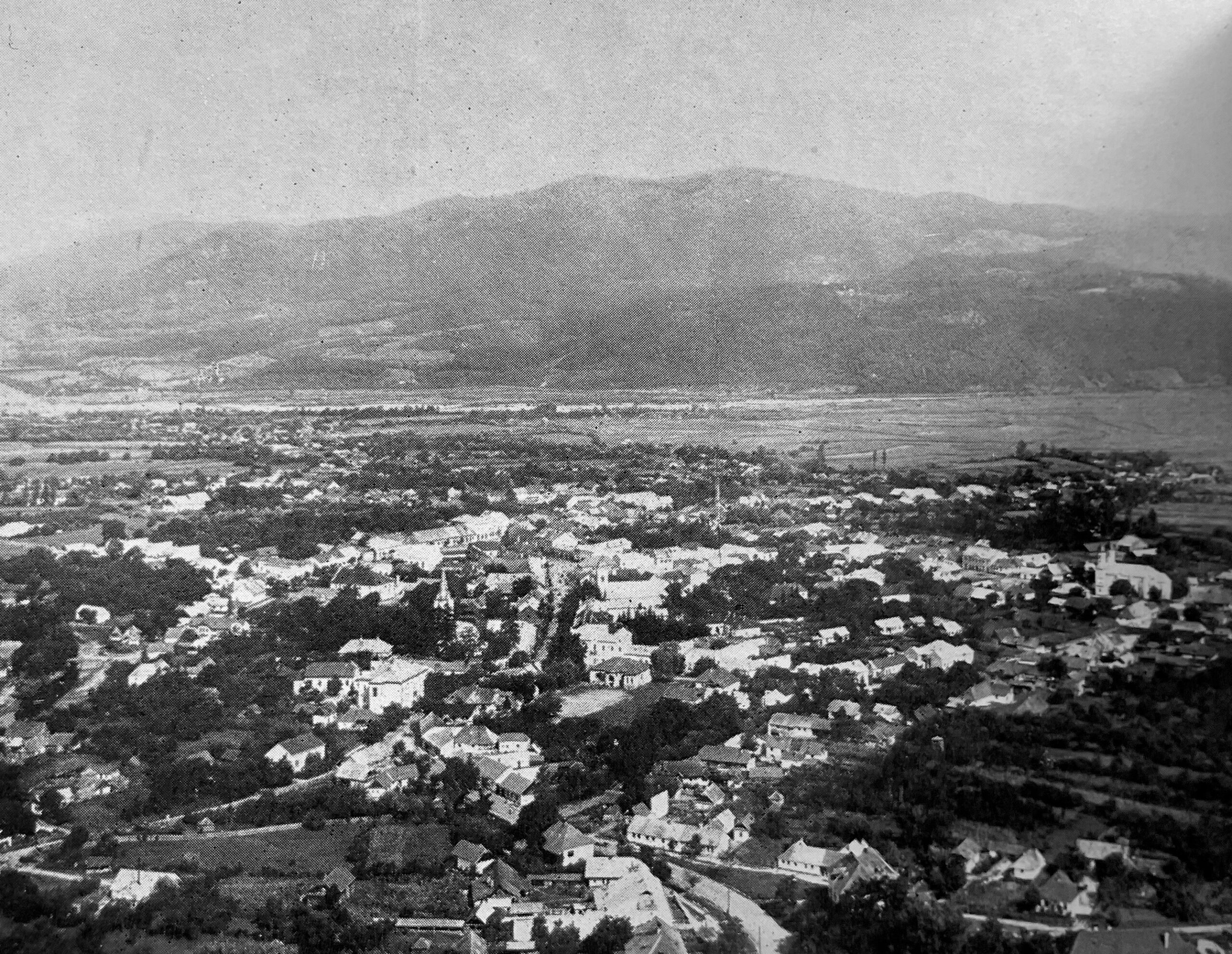
Located in the pretty Tisza river valley at the foot of the Carpathian Mountains, Chust, now Khust in Ukraine, is the third largest city in Transcarpathia and was home to 13 members of the Boys.
Slave labour played a major role in ensuring their survival. It was not only the antisemitism that greeted them on their return home but the annexation of the region by the Soviet Union after World War II that turned them into refugees.
Until the end of World War I, the city was part of the Austro-Hungary. In 1920, the Carpathian region became the most easterly part of the newly created state of Czechoslovakia
A Jewish community developed in Chust in the 18th century. The city was a centre of religious learning and was an important Hasid centre. The Chust yeshiva opened in 1861.
Pre-war
In the mid-19th century, the Jewish community of Khust became one of the largest and most influential in Transcarpathia.
By 1941, the Jewish population, just under a third of the total, had increased to 6,023.
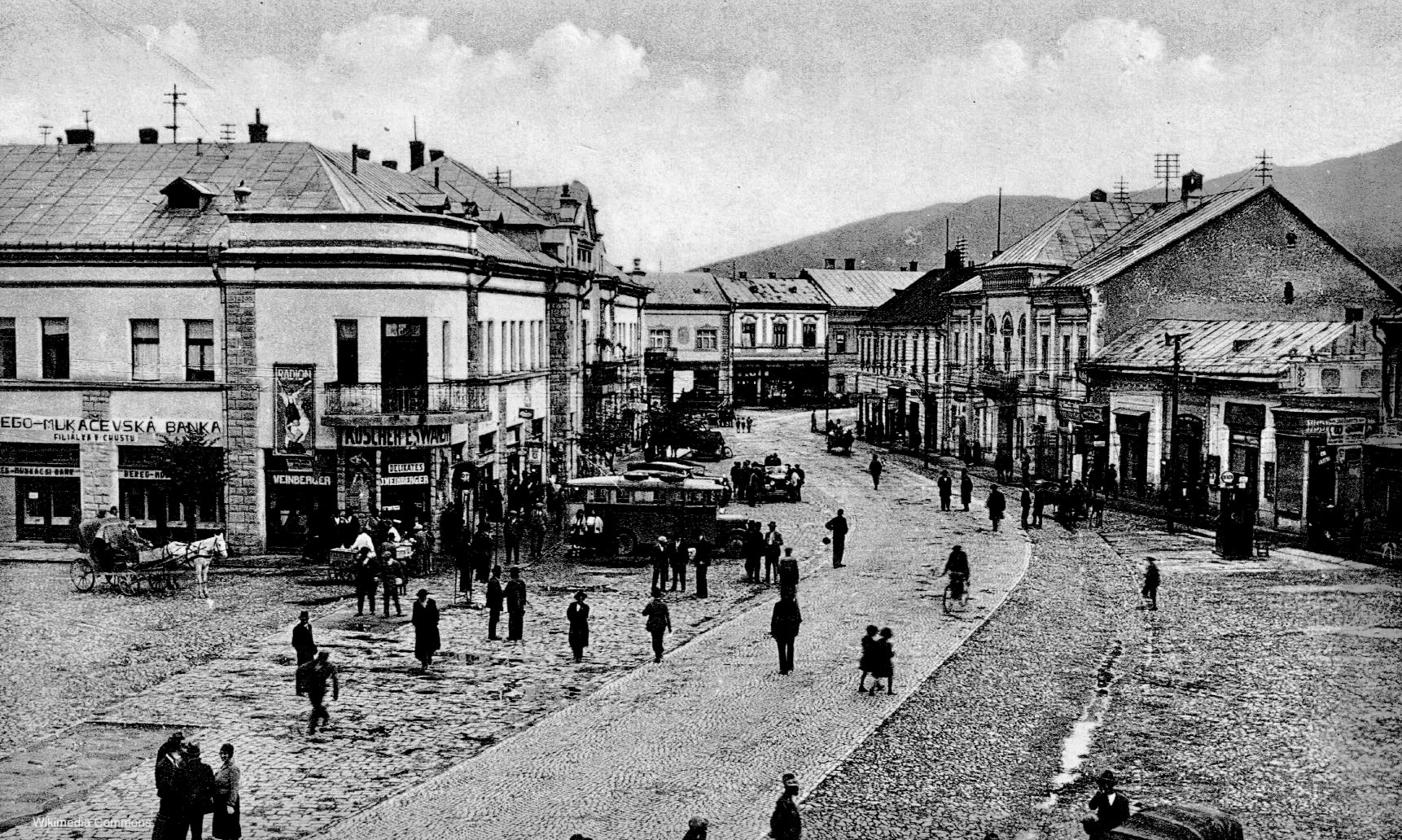
In the inter-war period, Jews were involved in all aspects of civic, cultural, and economic life. Most of the Jews of Chust were tradesmen or ran shops. Jews also owned cinemas, hotels, taverns, three banks, factories and flour mills. Many of them worked in liberal professions as doctors, pharmacists, lawyers, and clerks.
Various Jewish political parties were active in Chust. they included Agudas Israel, which represented newly formed political-religious Orthodoxy, as well as several Zionist parties.
Occupation
In October 1938, following the Munich Agreement, Chust became part of Hungary. Chust and the surrounding area was officially annexed to Hungary in 1939. Chust was now known by its Hungarian name of Huszt.
Chust’s Jewish families without Hungarian citizenship were expelled to the Nazi-occupied territory in present-day Ukraine. Many of them were executed in Kamianets-Podilskyi in 1941.
Many Jewish men were taken into labour battalions and sent to the Russian front.
In March 1944, Germany invaded Hungary.
In April 1944, three ghettos were set up in the area: one in Chust and two in the villages of Iza and Sokyrnytsia. Several dozen Jews managed to escape from Chust and join the Ukrainian partisan units.
Deportation
On 14 May 1944, Jews in the Huszt Ghetto were deported to the Auschwitz II-Birkenau concentration and extermination camp.
Liberation
On 24 October 1944, the Soviet Red Army liberated Chust and in February, the first Jewish survivors began to return to the city. By mid-1946, the Jewish population of Chust had grown to 400.
Most of the survivors found that their homes were occupied by strangers.
Transcarpathia was annexed by the Soviet Union in 1945. Most of Chust’s Jews were either very religious and, or, Zionists. It was not possible to practice religious observance under Stalinism and Zionist politics could lead to arrest. As a result most survivors left Transcarpathia.
The Soviet government deported the city’s German and Hungarian populations.
Present-day
Today, about 165 Jews live in Khust.
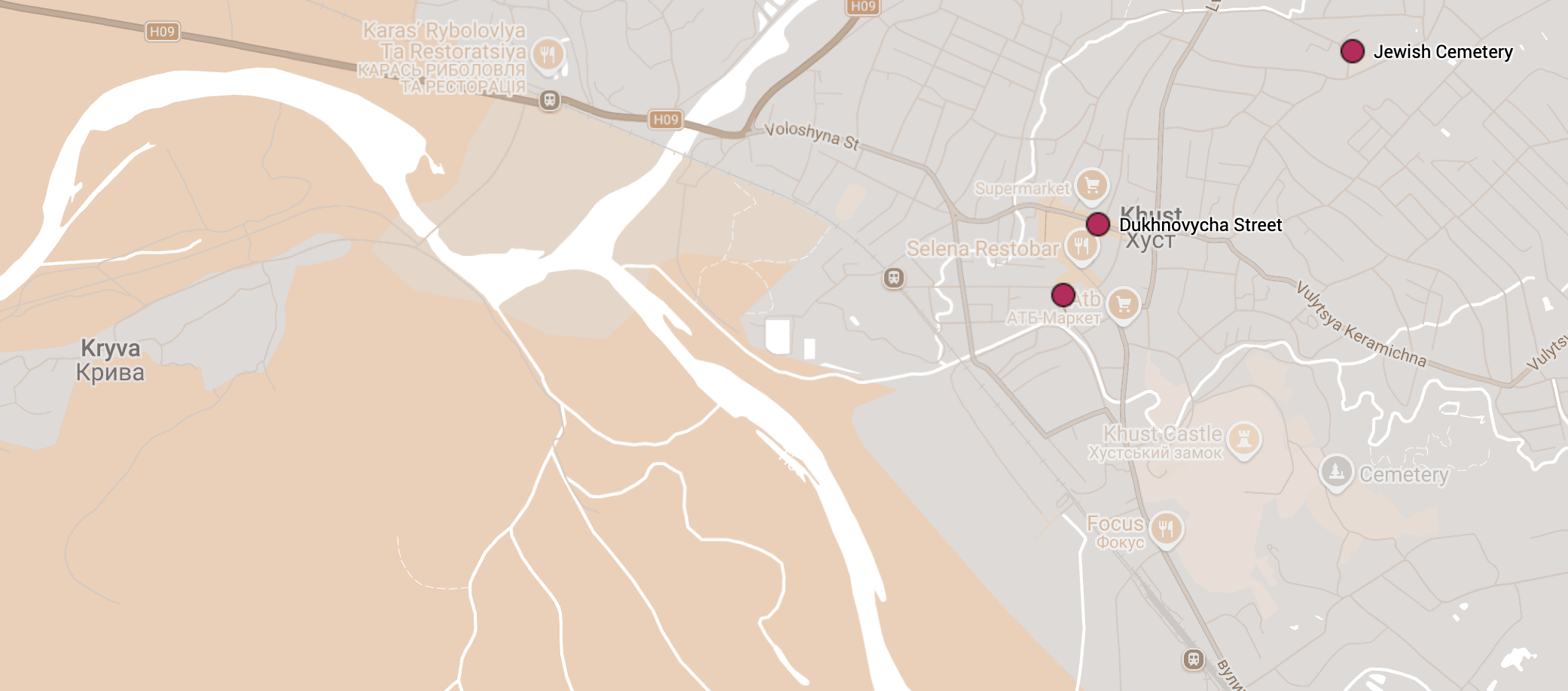
The area around Maidan Nezalezhnosti and Dukhnovycha was the principal Jewish quarter.
Getting there If you do not have your own transport, take the train to Chop and then change.
Getting around The city is small, and it takes less than an hour to walk anywhere.
Note that the UK Foreign Office advises against travel to Ukraine because of the ongoing Russian invasion.
Ghetto Location
There were three ghettos: one in Khust in the main Jewish quarter and two in the villages of Iza and Sokyrnytsia. Prior to deportation the Jews were held in a brickyard and other assembly points on Dobryanskoho st (now бывш. Lomonosova), Dukhnovycha and Khmyelnytskoho Sq.
Jews were also held in a camp in Kryvka before being shot on the bank of the Tisza River near Veliatynskyi Bridge. Their bodies were thrown in the river.
Synagogue
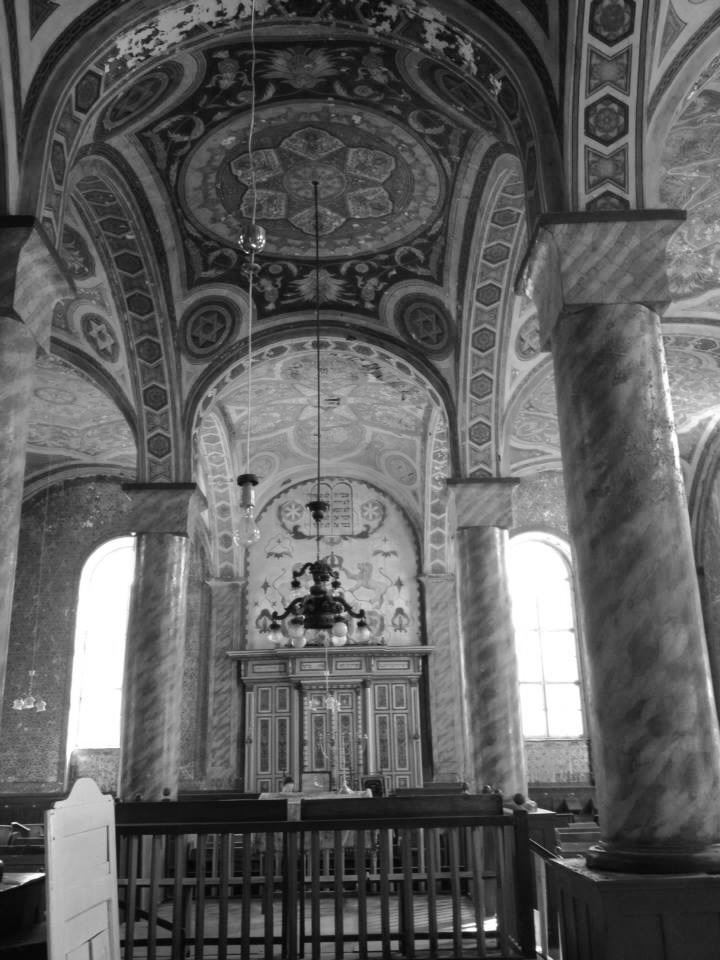
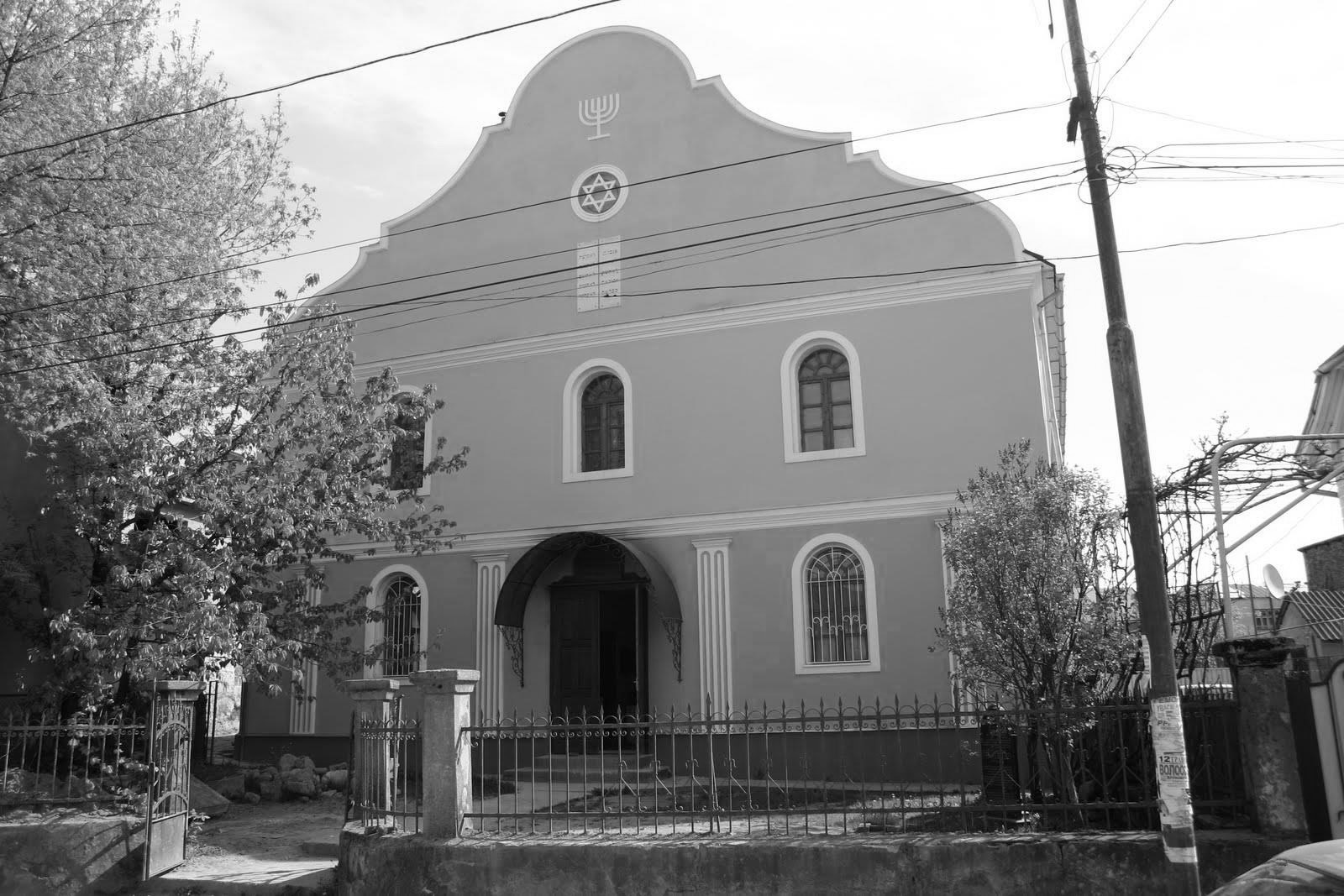
The New Synagogue (11 Maidan Nezalezhnosti) features an ornate interior with decorated vaults and is one of the few synagogues in the region to have survived with its interior largely intact. Built in a Neo-Baroque style, the building was never closed by Soviet authorities. It is the only synagogue in Transcarpathia which has operated continuously as a Jewish prayer house since its construction.
One of the other former synagogues is currently the library and another the Soviet era cinema.
Cemetery
Jewish Cemetery (Ostrovskoho Street) It has more than 1,500 matzevot. Those buried here include Rabbi Moshe Schick and Rabbi Moshe Grinwald, prominent rabbinic scholars and communal leaders. The cemetery was closed for burials in 1960.
The exact sites of mass burials of Khust Jews killed by Hungarian police as they attempted to flee the deportation are not known.
 About
About History
 Education
 Quilts
 FIlms
FIlms Photos
 News Media & Events
 Publications
 Donate