Members of the Boys were born in Vienna in Austria.
The Boys were teenage and child-Holocaust survivors, who were brought to the UK after the war for rest and rehabilitation.
Members of the Boys were held in Nazi labour and concentration camps and used as slave labourers. They had also survived World War II in hiding or as lone children.
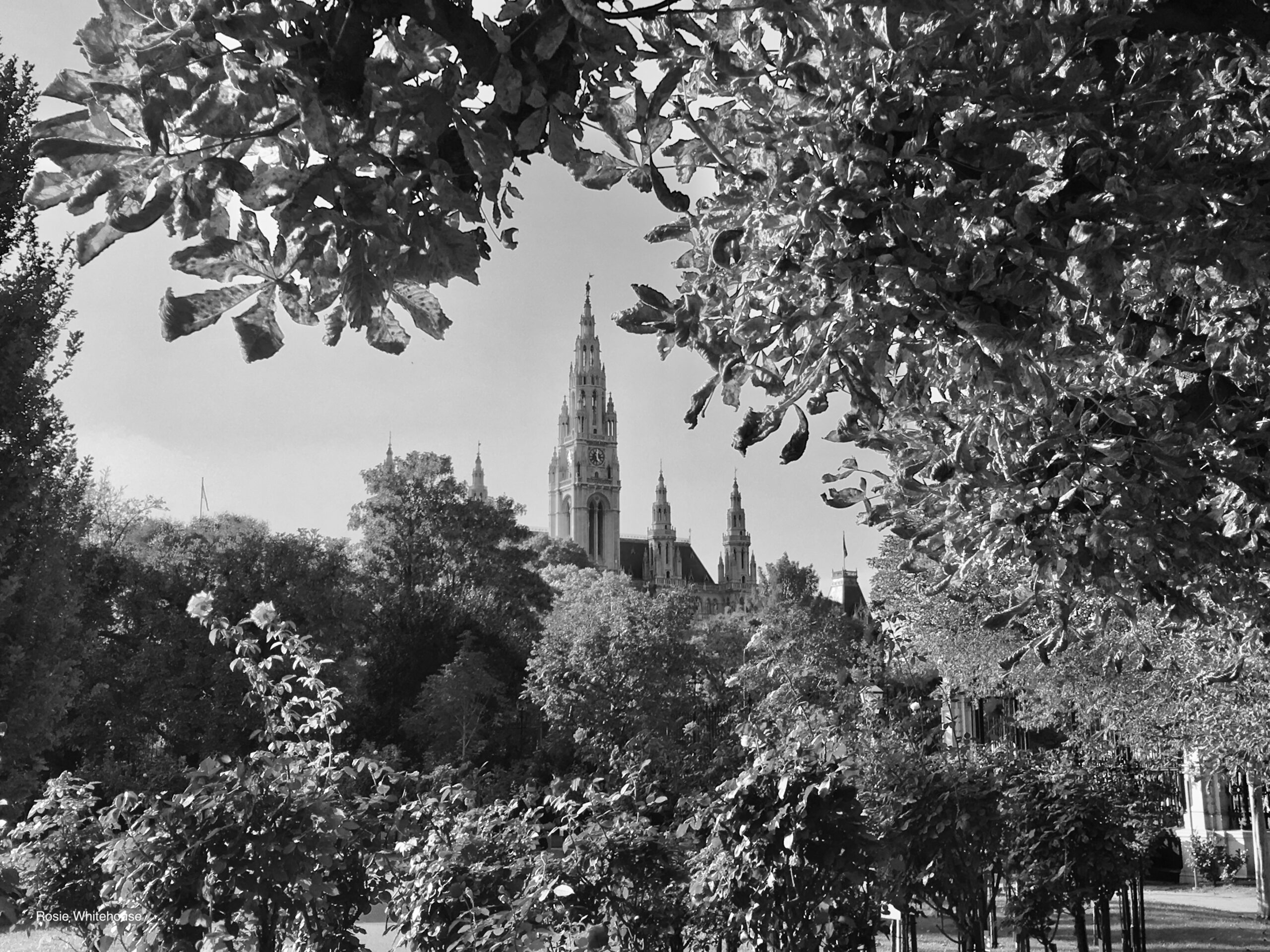
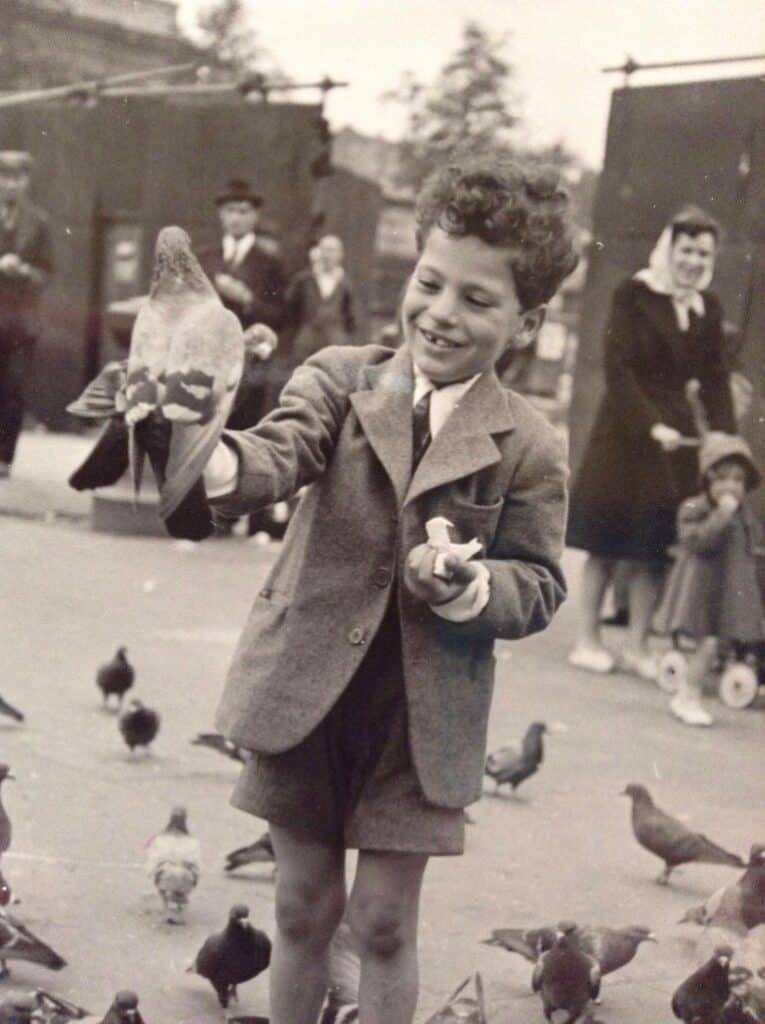
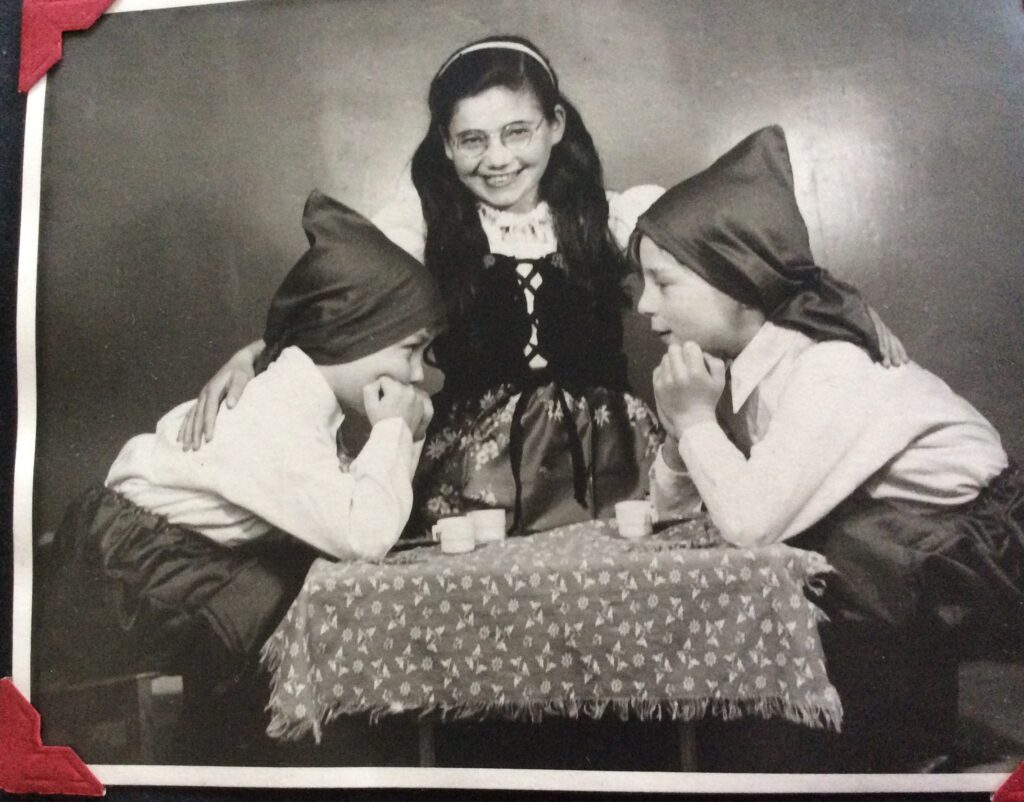
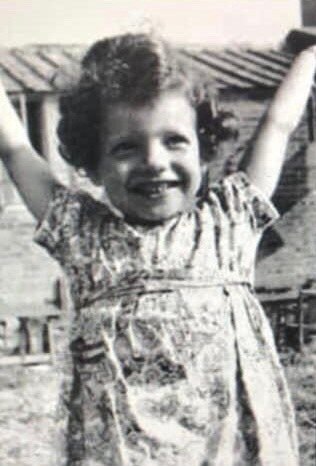
Vienna was home to some of the youngest members of the Boys. These photographs were all taken after World War II.
Interwar Years
In 1934, 174,034 Jews lived in Vienna making up 9% of the city’s population. The community represented all social classes and consisted of highly assimilated Jews as well as Orthodox. All political persuasions were also represented. The overwhelming majority of the country’s Jews lived in the capital Vienna but antisemitic political rhetoric was so widespread that you could be antisemitic without ever having met a Jew.
After Germany annexed Austria in the 1938 Anschluss, Adolf Eichmann was appointed the head of the Central Office for Jewish Emigration in Vienna. Persecution and humiliation of the Jews began immediately with the intention of driving Austria’s Jews to flee the country. In the months that followed 120,000 Jews left Austria.
It was extremely difficult to leave the Third Reich and a substantial departure tax had to be paid. It was also hard to obtain a visa to enter another country. Many of the children who left after the Anschluss were helped by the Central British Fund, who brought the Boys to the UK after World War II.
Deportation
When the decision was taken at the Wannsee Conference in January 1942 to annihilate the Jewish population, the Jews who had remained in Vienna became victims of the Holocaust.
Of the more than 65,000 Viennese Jews who were deported to concentration camps, only about 2,000 survived.
Liberation
In 1946, only 4,000 Jews remained in Vienna but the population swelled as Jews fled from antisemitism and communism in eastern Europe in the post war years.
After the liberation Austria housed approximately 300,000 refugees in displaced persons’ camps across the country.
Vienna was a centre for the Jewish underground who helped Jews leave Europe on route to the British controlled Palestine Mandate. Severe restrictions on Jewish immigration led many Jews to try to reach the territory illegally.
Present-day
Around 7,000 Jews live in Vienna today, the vast majority of them from the former Soviet Union.
Getting there Vienna has excellent internation air, rail and road connections.
Getting around Much of Vienna is accessible on foot. To drive on Austrian motorways, you will need to buy a vignette at the border.
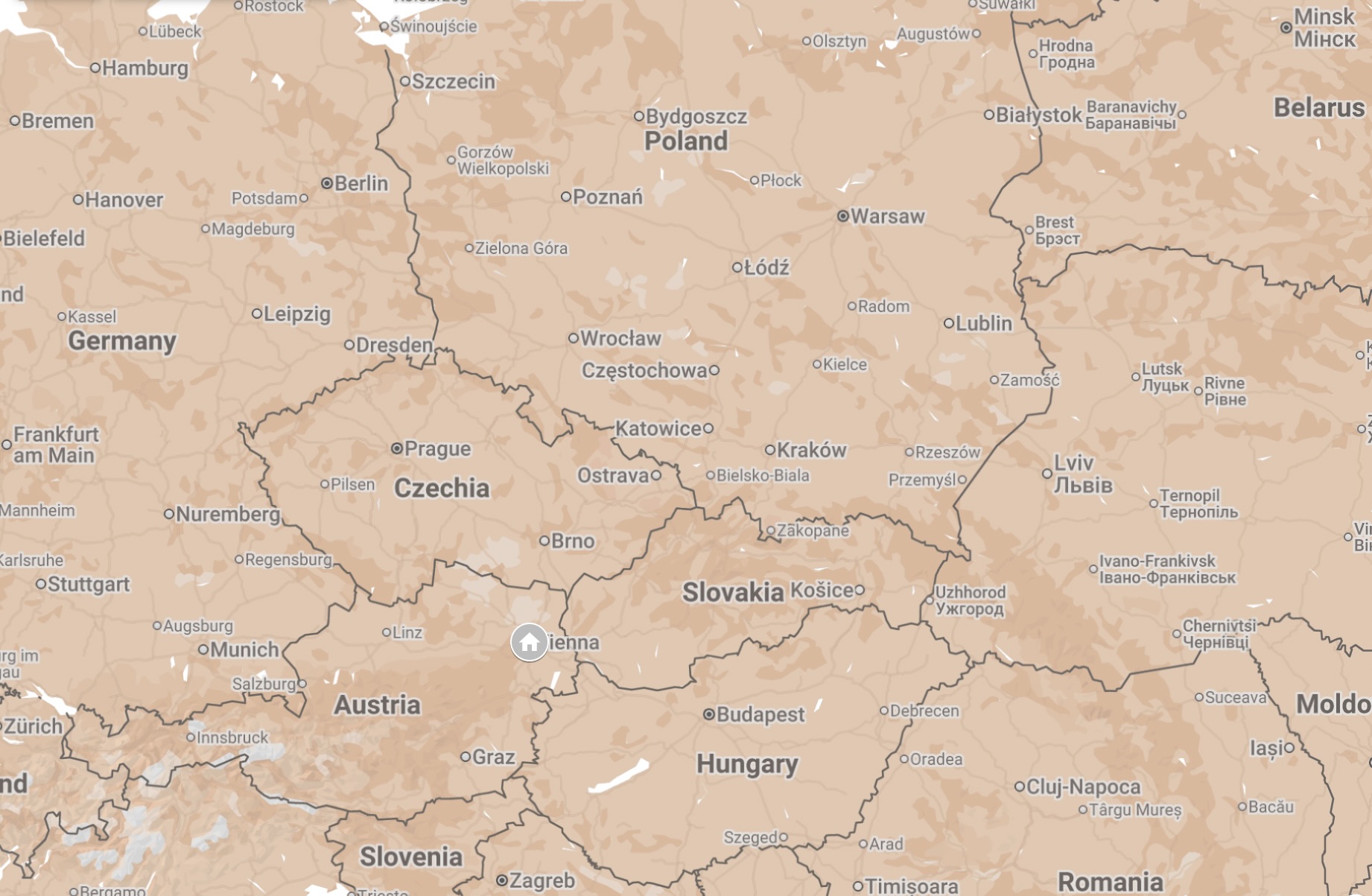
The former Mauthausen concentration camp can be reached by public transport, as can the subcamps of Ebensee, Gusen and Melk, where members of the Boys were held. For Mauthausen, take a train from Vienna to Linz, which is 22km from the memorial. Then from Linz, take bus 360. If returning by public transport, be aware that the last bus leaves well before the site closes. To see the Gunskirchen memorial, it helps to have a car.
Memorials
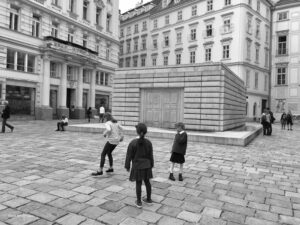
Judenplatz Holocaust Memorial Designed by British artist Rachel Whiteread, the monument, an inside-out locked library, is also known as the Nameless Library. The spines of the books face inwards symbolising the untold stories of the victims.
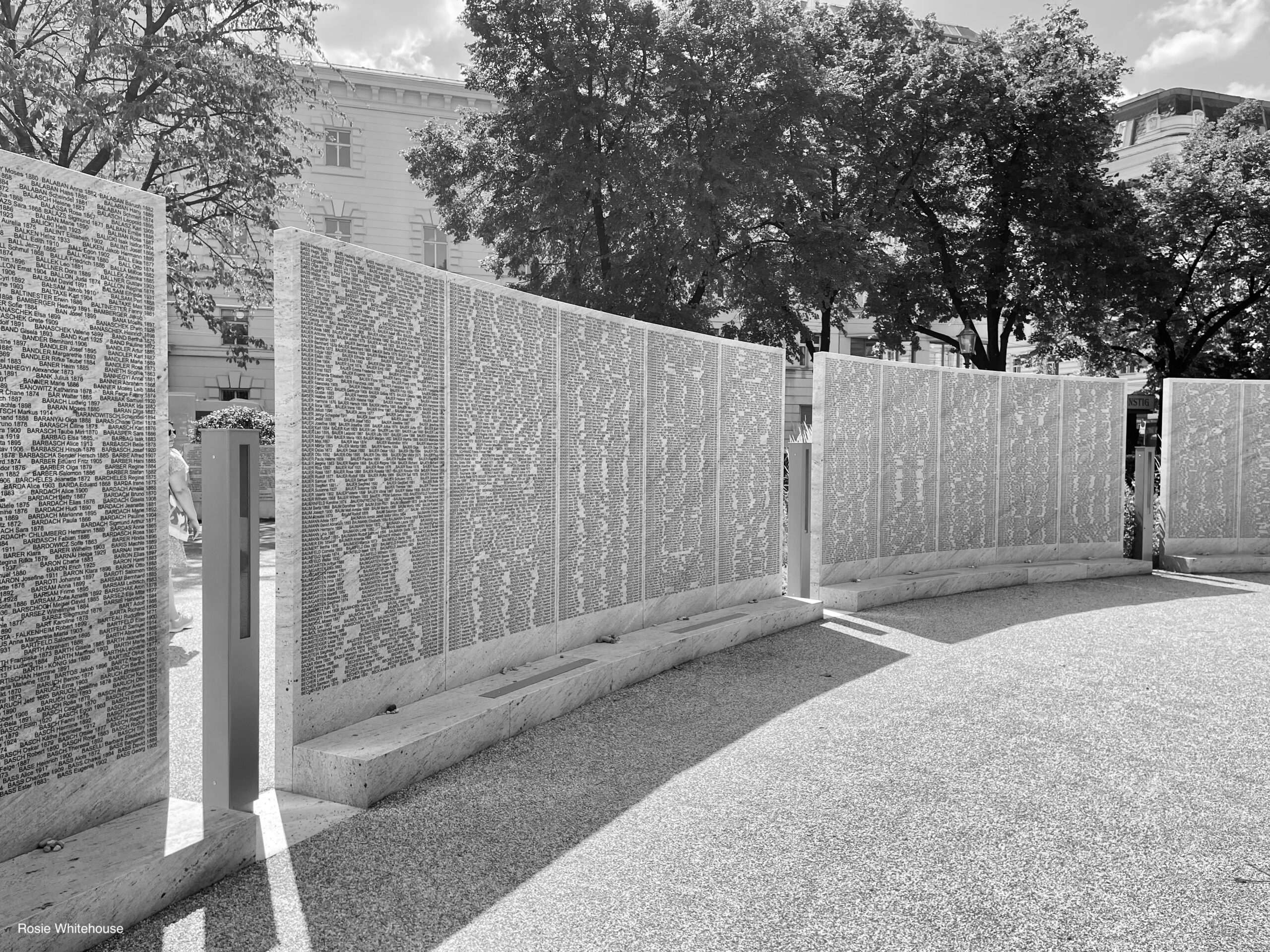
Shoah Wall of Names Memorial (Otto-Wagner-Platz) A large 200m elliptical loop of standalone walls are engraved with the names of 65,000 Jewish adults and children from Austria murdered between 1938 and 1945. Among them are members of the Boys families. The monument is particularly moving at night. It is opposite the Austrian National Bank but more significantly stands next to Vienna University. In 1938, some 2,700 Jewish teachers and students were expelled from the university, which before the Anschluss was a hotbed of antisemitism.
The Keys of Remembrance Memorial Created in 2008, it shows 462 keys with name tags of local Jews deported in the Holocaust set beneath a glass panel lowered in the pavement on the corner of Servitengasse and Grünentorgasse.
Aspangbahnhof Deportation Memorial (Leon-Zelman-Park, Rubin-Bittmann-Promenade 7) Between 1941-1942, 47,035 Jewish men, women and children were deported from Aspangbahnhof to camps, ghettos and killing fields of Nazi-occupied eastern Europe.
Leopoldstadt Synagogue Memorial (Tempelgasse 5) The largest synagogue in Vienna was set on fire in an arson attack in October 1938. The four tall white pillars which today mark the site give a sense of the synagogue’s enormity and grandeur. The buildings adjacent to the synagogue were left standing and the left annex, which still survives, was home to a children’s orphanage from 1942-1945 where members of the Boys were cared for. The complex served as a centre for survivors after the war.
Kleine Sperlgasse 2a A plaque marks the spot where Jews were gathered before deportation. From February-March 1941 and from October 1941 to the end of October 1942, the school at this site served as a transit camp, where tens of thousands of deportees were held. Many people committed suicide here.
Monument against War and Fascism (Albertinaplatz) Designed by Austrian sculptor Alfred Hrdlicka in 1988, the memorial is made up of four statues and stands on a bomb site where hundreds of people who had taken shelter in the cellars in March 1945 were killed. The Gate of Violence is made of granite quarried by prisoners in the Mauthausen concentration camp.
Museums
Jewish Museum (Dorotheergasse 11; entry fee) The main site of the Jewish Museum of Vienna has an exhibition that covers the Holocaust and its aftermath.
Vienna Wiesenthal Institute for Holocaust Studies (Rabensteig 3; free) dedicated to the Nazi hunter Simon Wiesenthal. Wiesenthal, who had been a prisoner in Mauthausen, made it his mission to bring the architects of the Holocaust to justice.
Sigmund Freud Museum (Berggasse 19; entry fee) The Freud family lived here from 1891 until they fled to the UK in 1938. The Freud family were among 110,000 Austrian Jews who managed to escape. In London Freud’s daughter, the child psychologist Anna Freud, played a key role in the rehabilitation of the Boys.
From 1939 onwards Jews were ordered into crowded designated buildings as their apartments were confiscated. Freud’s apartment was eventually confiscated in 1942. The newly renovated museum commemorates Freud’s neighbours and the 76 Jews detained in the building between the autumn of 1939 and spring 1942. Their names are recorded in the stairwell.
Viktor Frankl Museum Wien (Mariannengasse 1; entry fee) This museum remembers Viktor Frankl (1905–97), another great Viennese therapist and the founder of logotherapy and existential analysis. Frankl was a Holocaust survivor who spent three years in four camps: Theresienstadt, Auschwitz, Kaufering III and Türkheim. After his return from the camps, he wrote Man’s Search for Meaning (Rider, 2004) in just nine days. The book was published in German in 1946.
Synagogue
Stadttempel (Seitenstettengasse 4; w jewishinfopoint), Vienna’s main synagogue and the only one of the 93 synagogues and prayer houses in city in 1938 to survive the Nazis. Its interior was, however, badly damaged during Kristallnacht. Its proximity to people’s houses saved it from an arson attack. In the anteroom there is a Holocaust memorial, designed by architect Thomas Feiger, inaugurated in 2002.
Mauthausen Memorial
Many members of the Boys survived Mauthausen and its subcamps click here to find out more.
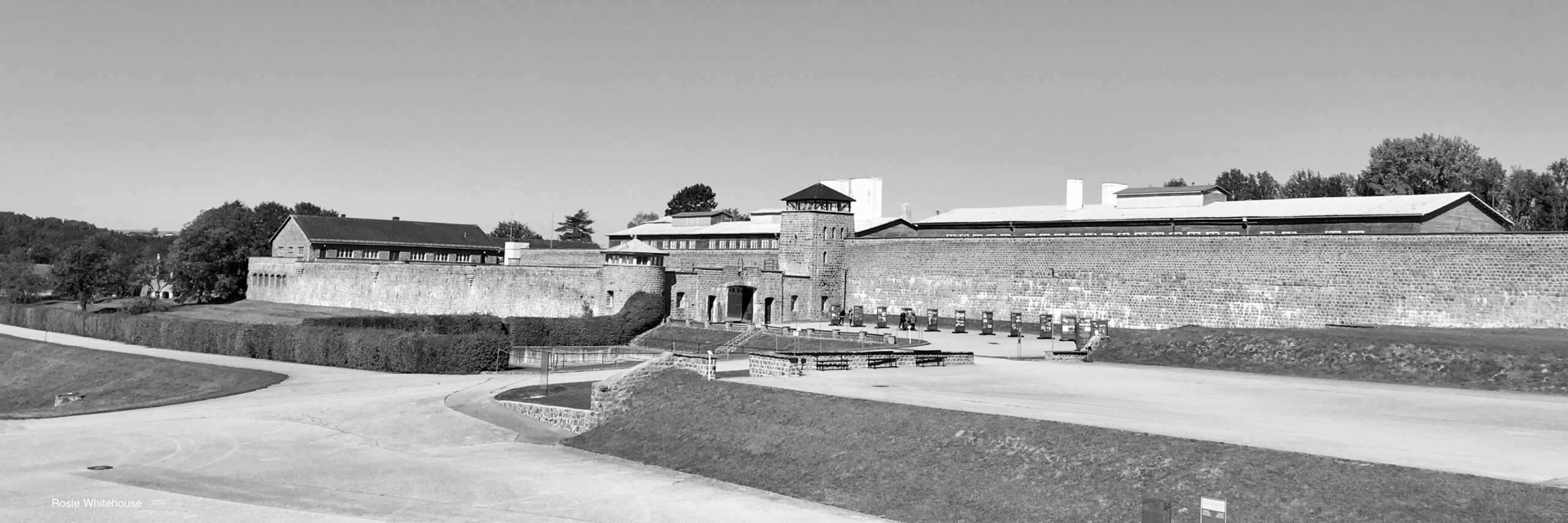
Mauthausen Memorial complex (Erinnerungsstrasse 1; w mauthausen-memorial.org; free) The memorial includes a fascinating museum with full explanations in English. There are copies of the lists of those who arrived here on the death marches, and a detailed part of the exhibition is dedicated to the aftermath of the Holocaust.
The subcamps There are interesting memorials at some of Mauthausen’s subcamps where the Boys were held.
Gusen
Much of the modern village near the main camp is built on the footprint of the camp destroyed in 1945. Several original buildings survive, but today are used as private residences. While it is difficult to comprehend this, it is far from unusual. There is a small visitors’ centre and memorial (Georgestrasse 7, Langenstein; w gusen.org; free).
Ebensee
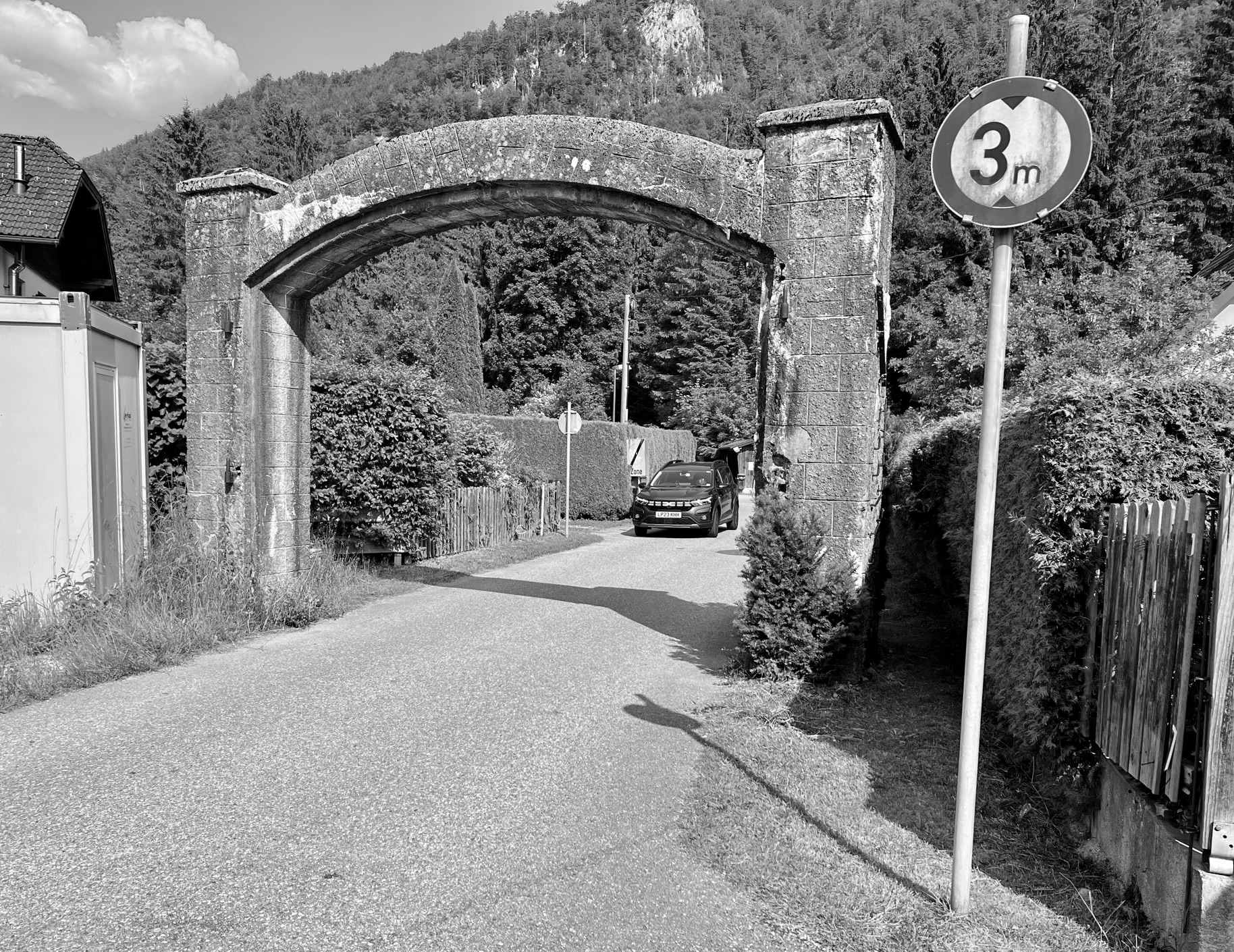
Ebensee Contemporary History Museum (Kirchengasse 5; entry fee) has an excellent exhibition which traces the rise of the Austrian Nazi Party and the local history of the Ebensee camp. The museum is 3 minutes’ walk from the station, which is also the easiest place to park. The site of the actual camp and tunnels is in Ebensee-am-Traunsee a 40-minute walk from the museum. Alternatively take bus 505/555 and walk the last 15 minutes. The camp itself was demolished in 1949 and is now a suburban housing estate entered through the original camp gateway. It is a peaceful place with kids on bikes and neatly kept gardens. It is possible to visit the vast tunnels dug into the foot of the Seeberg Mountain and there is a memorial in the cemetery.
Melk
Melk Memorial (Schießstattweg 2; present a valid photo ID at the entrance of the Melk barracks (Freiherr Karl von Birago Pionierkaserne, Prinzlstrasse 22) to get the key)
Gunskirchen Memorial
There are two memorials to the camp where many of the Boys were liberated after death marches. One is on Route 1 from Wels to Lambach opposite the turning for Saag. The other is off the road leading to Saag, on the left in a tiny glade.
 About
About History
 Education
 Quilts
 FIlms
FIlms Photos
 News Media & Events
 Publications
 Donate