Members of the Boys were born in Warsaw in Poland.
The Boys were teenage and child-Holocaust survivors, who were brought to the UK after the war for rest and rehabilitation.
Members of the Boys were held in Nazi labour and concentration camps and used as slave labourers. They had also survived World War II in hiding or as lone children.
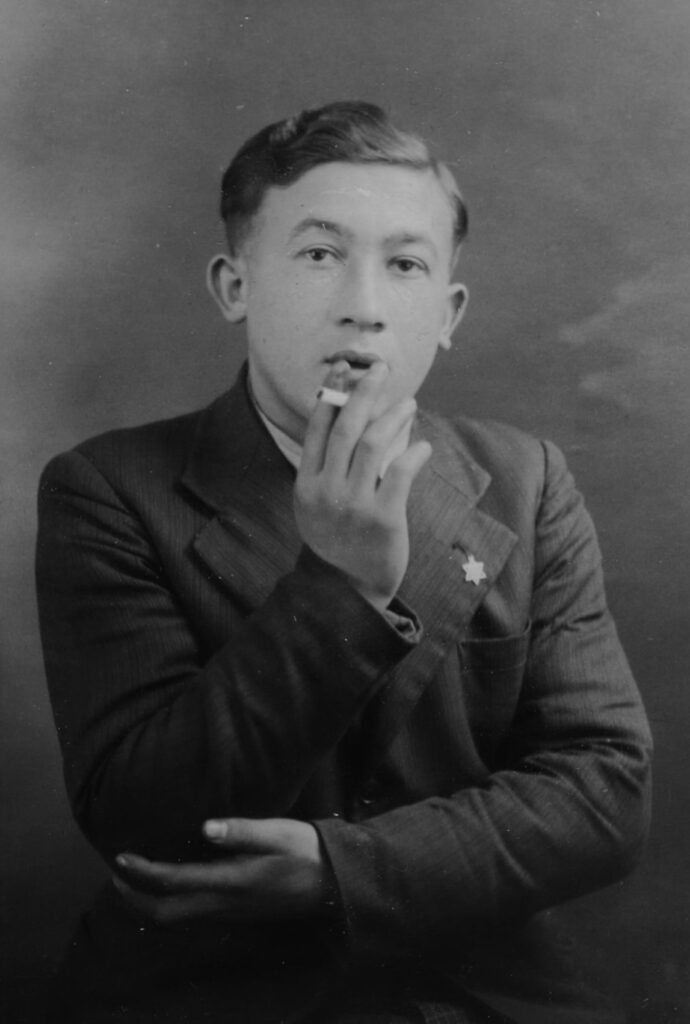
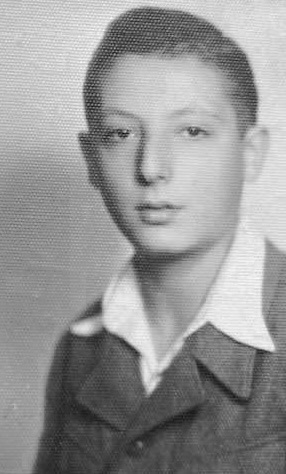
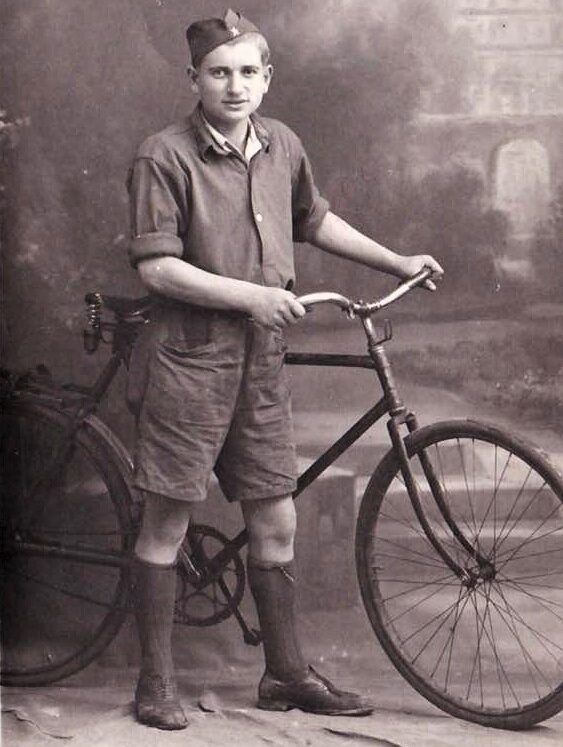
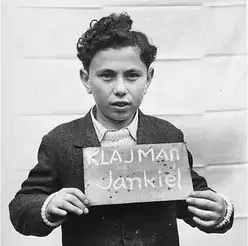
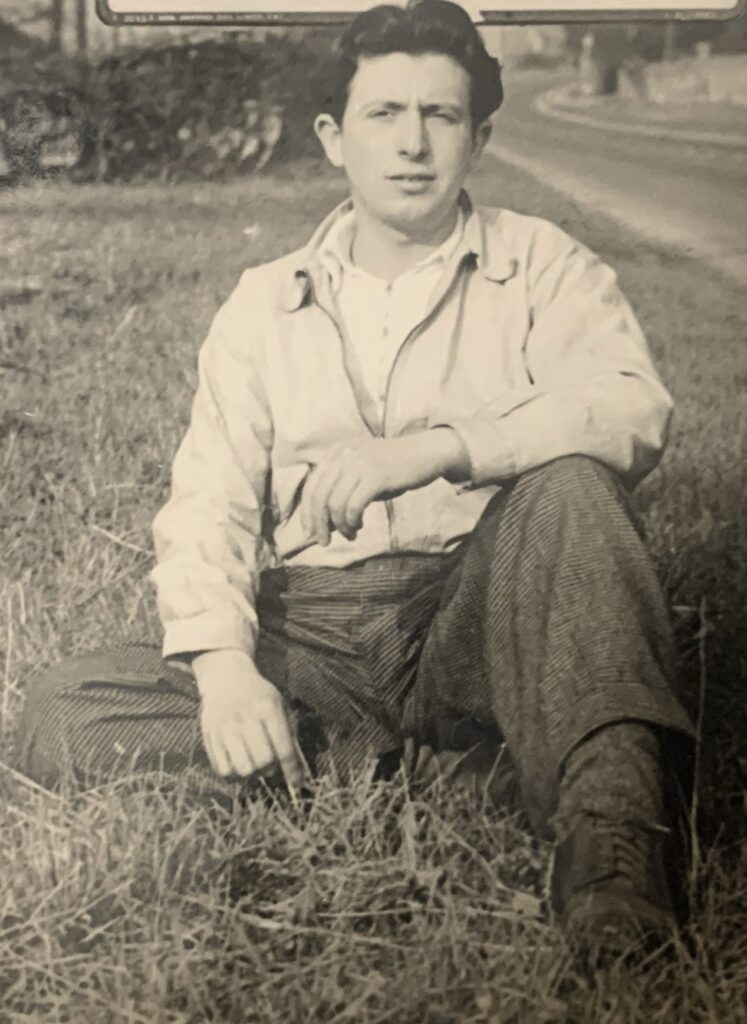
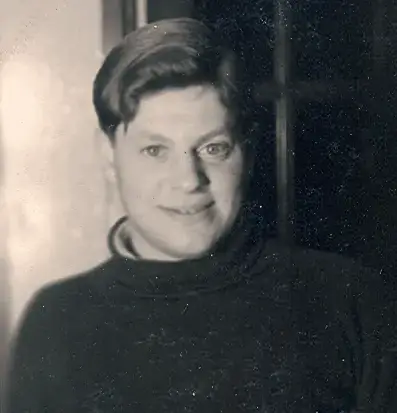
Some of the Boys for whom Warsaw was home. These photographs were all taken after World War II.
The Ghetto
In November 1940, the Germans established a ghetto in Warsaw in the district of Muranow. It was the largest ghetto in occupied Poland and at its height 460,000 Jews were imprisoned there. To find out more about the ghetto click here.
The Uprising
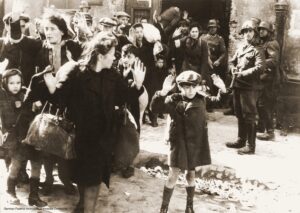
When the liquidation of the ghetto began on 19 April 1943, the Germans encountered a massive and unexpected resistance. It was the first large scale act of resistance by any civilian population in occupied Europe.
The ghetto was completely demolished in May 1943 and a number of the members of the Boys were brought to Warsaw from labour camps to sort through and level the ruins.
The Uprising is regarded as the symbol of Jewish resistance and is often mistakenly cited as an exception. Jewish resistance was far more common than is widely believed. Members of the Boys took part in the Uprising.
Liberation
About 2,000 Jews were liberated in Warsaw and by the end of 1945, 5,000 Jews settled in the city. The population doubled when Jews who survived the war in Russia returned to the capital. The city became the seat of the Central Committee of Polish Jews and a number of Jewish cultural institutions were opened in 1949.
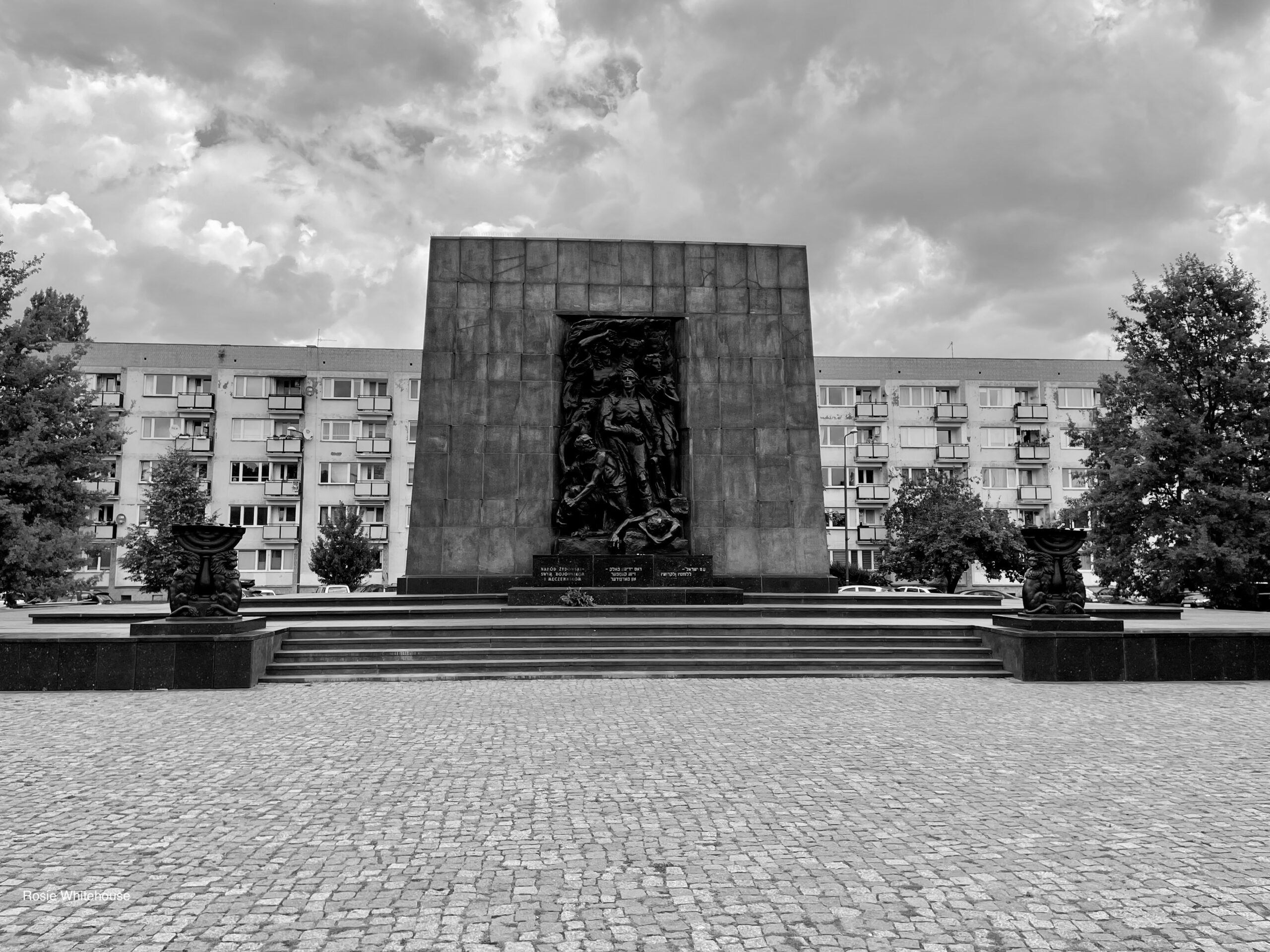
The community immediately set about raising money to build a monument to commemorate the uprising which had already been designed by Nathan Rapoport while in exile in the Soviet Union. It was unveiled in 1948.
Antisemitism and communist persecution drove many Jewish survivors out of Poland in the post-war period, others left in the late 1950s and after the anti-Zionist campaign of the 1960s.
Present-day
About 2,000 Jews live in Warsaw today, although the figure is probably far higher as many of the Jews who live in the city are secular and come from families that hid their Jewish identity under communism.
Getting there & around
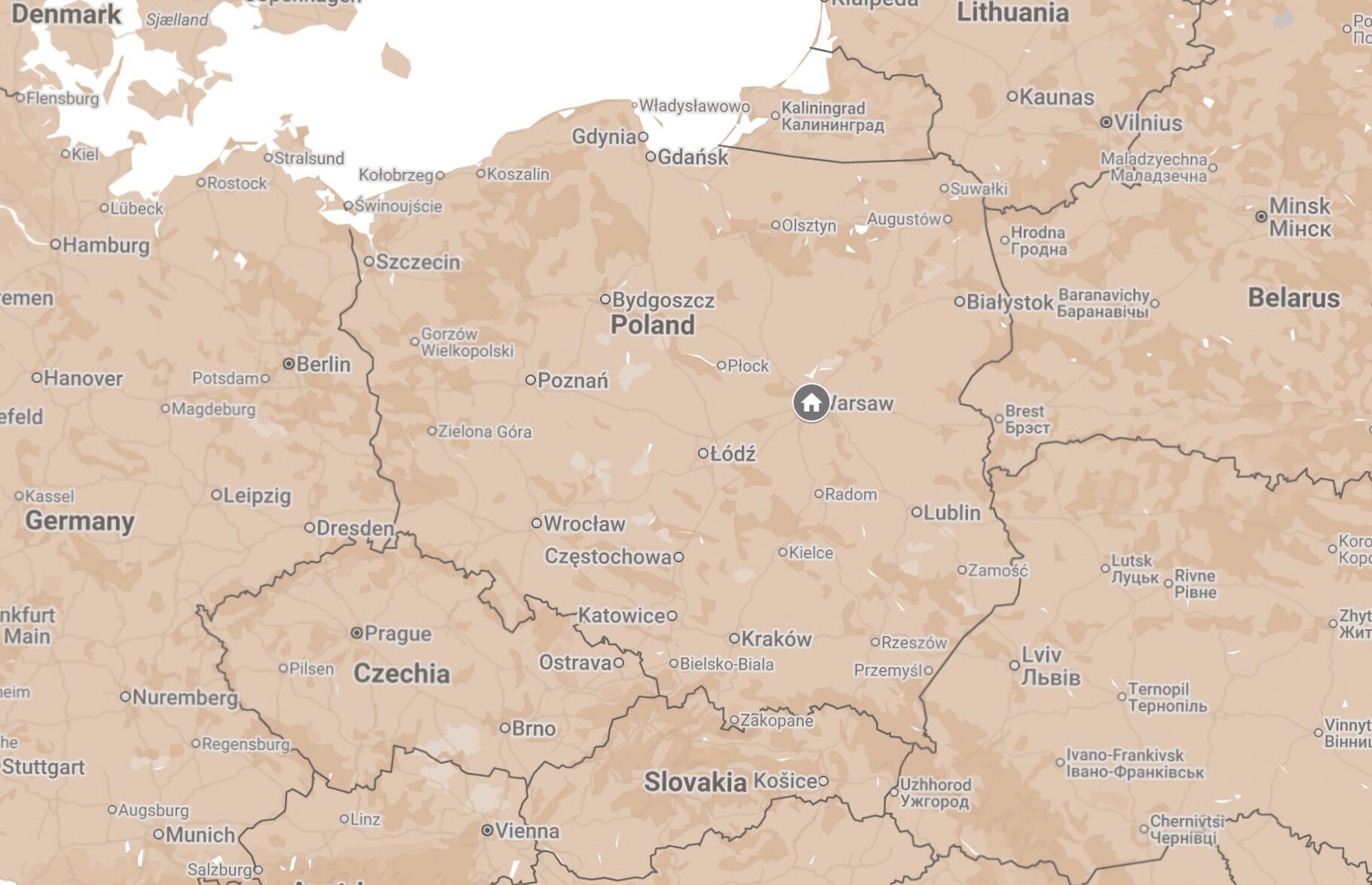
Warsaw is a hub for air and rail travel and easily reached. Most of the sites in Warsaw in both the area of the former Small Ghetto and around the POLIN Museum can be reached on foot. Buses link the two areas.
The Great Ghetto Area
The heart of the Warsaw Ghetto was the Murańow district, 1km east of the Old Town.
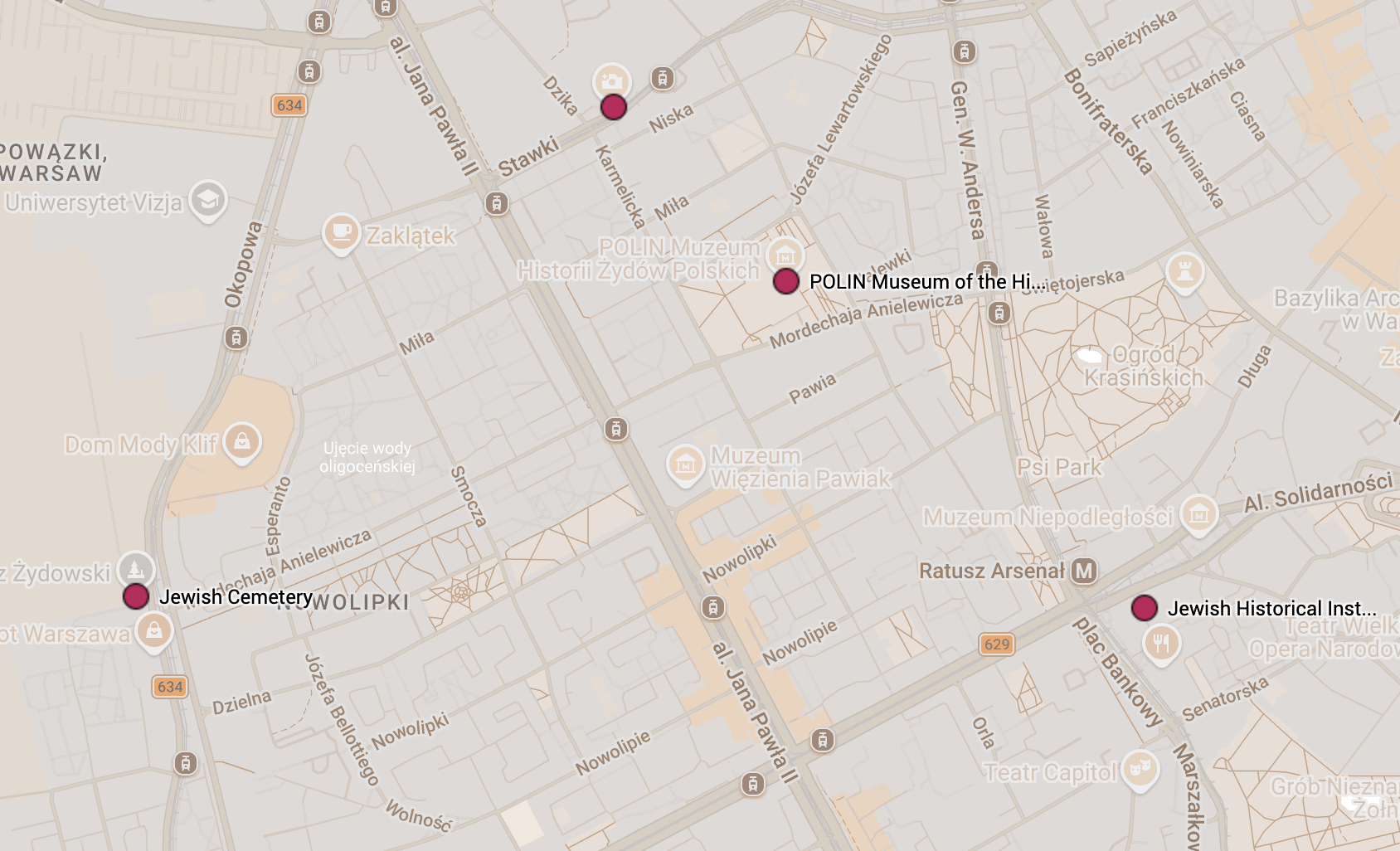
POLIN Museum of the History of Polish Jews (Mordechaja Anielewicza 6; entry fee) The museum tells the story of the Jewish community from their arrival in the country in the Middle Ages. Polin is the Hebrew name for Poland. Outside the museum on a bench is a statue of Jan Karski, who was a leading member of the Polish resistance.
Monument of the Ghetto Heroes (Opposite the entrance to the POLIN museum) The Memorial Route of Jewish Martyrdom and Struggle that begins here is marked by 16 granite blocks. They include:
The Anielewicz Mound (Mila 18, located in a small park) The bunker was the headquarters of the operations of the Jewish Combat Organisation led by 24-year-old Zionist Mordechai Anielewicz. When the bunker was discovered by the Germans on 8 May 1943, Anielewicz and 120 other fighters committed suicide by blowing up themselves up, while the others surrendered.
Umschlagplatz (Stawki 10) Before the war the station here had been used as a freight terminal. The Germans gathered up to 300,000 Jewish people here prior to deportation to the extermination camps. A memorial, in the form of a 4m-long wall with a black stripe on the front, was unveiled in 1988.
The vast Jewish Cemetery is located at the end of ul. Niska on Okopowa. The mass grave of those who died of hunger, disease and exhaustion is in the southeastern corner. This is where members of the Boys sneaked out of the ghetto to search for food for their families.
Warsaw Concentration Camp Memorial Plaque (ul. Anielewicz 34 by the Jewish Cemetery) The Germans opened a concentration camp in Warsaw in 1943. They brought 4,000 foreign Jews among them members of the Boys to sort through the rubble after the Ghetto Uprising. To find out more click here.
The Memory Bridge (ul. Chłodna) Marks the site of the wooden bridge across Chłodna built by the Germans to link the two areas of the ghetto. i
The Small Ghetto Area
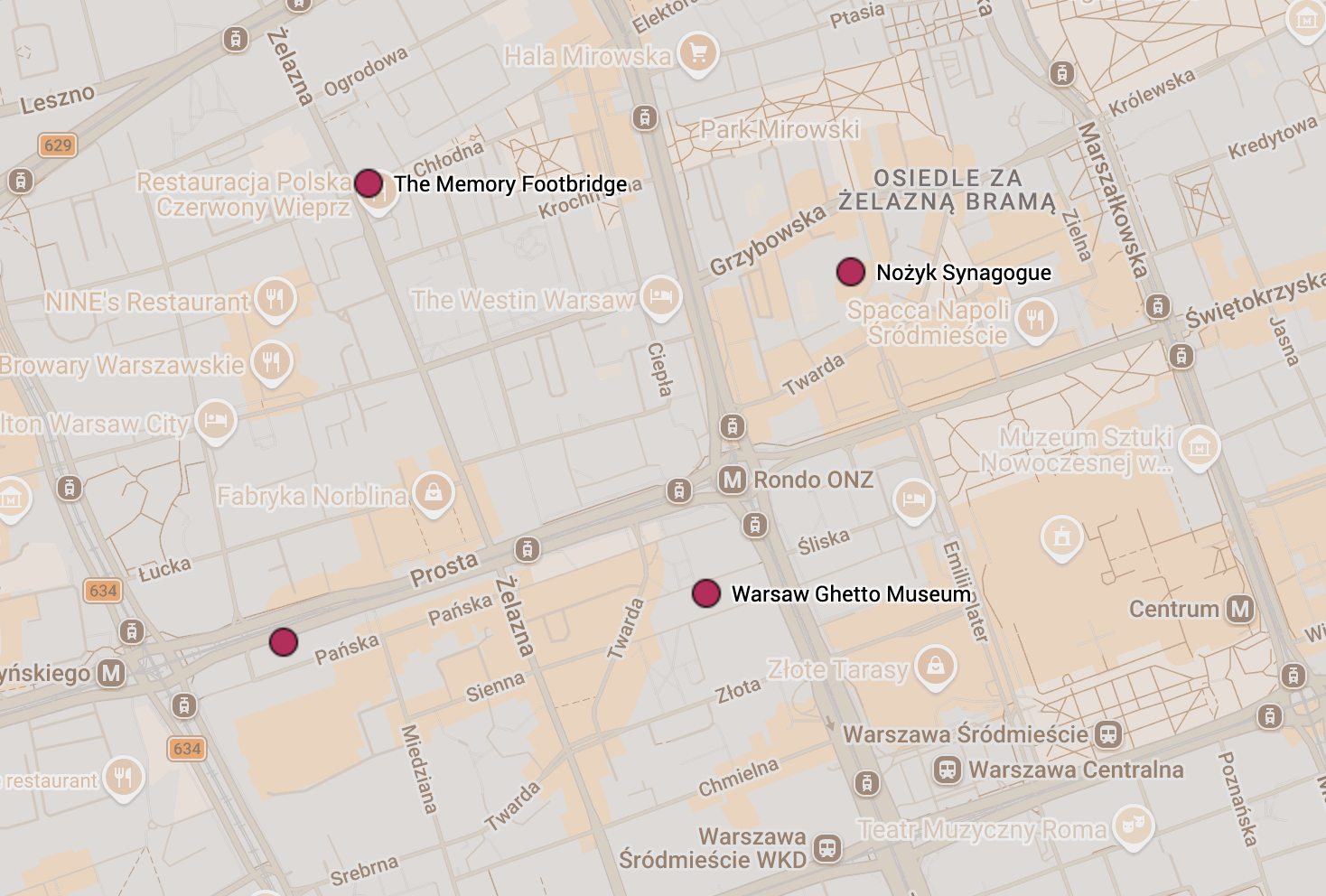
Plac Grzybowski was the site of the Judenrat office (pl. Grzybowski 26/28).
Monument to the Evacuation of the Warsaw Ghetto Fighters (Prosta 51) marks the spot where some dozen ghetto fighters emerged from the sewers on the night of 8–9 May 1943 with the help of the Polish underground. One of the Boys Yossi Gerstein remembers encountering them as a feral child living on the streets of Warsaw.
Warsaw Ghetto Museum (ul. Śliska 51) The museum is housed in the former children’s hospital built in the 1870s. Most of its patients met their deaths in Treblinka. It was one of the few buildings to survive the war and was used as a children’s hospital until 2014.
Synagogue
Nosyk Synagogue (ul. Twarda 6), built in 1898–1902, was closed during the German occupation but reopened in 1945. It was restored in 1977–83 and holds regular services. The annual Singer Warsaw Jewish Cultural Festival (w shalom. org.pl) is held on nearby ul. Prozna, where tenement buildings that survived the destruction of the ghetto still stand.
The Ringelblum Archive
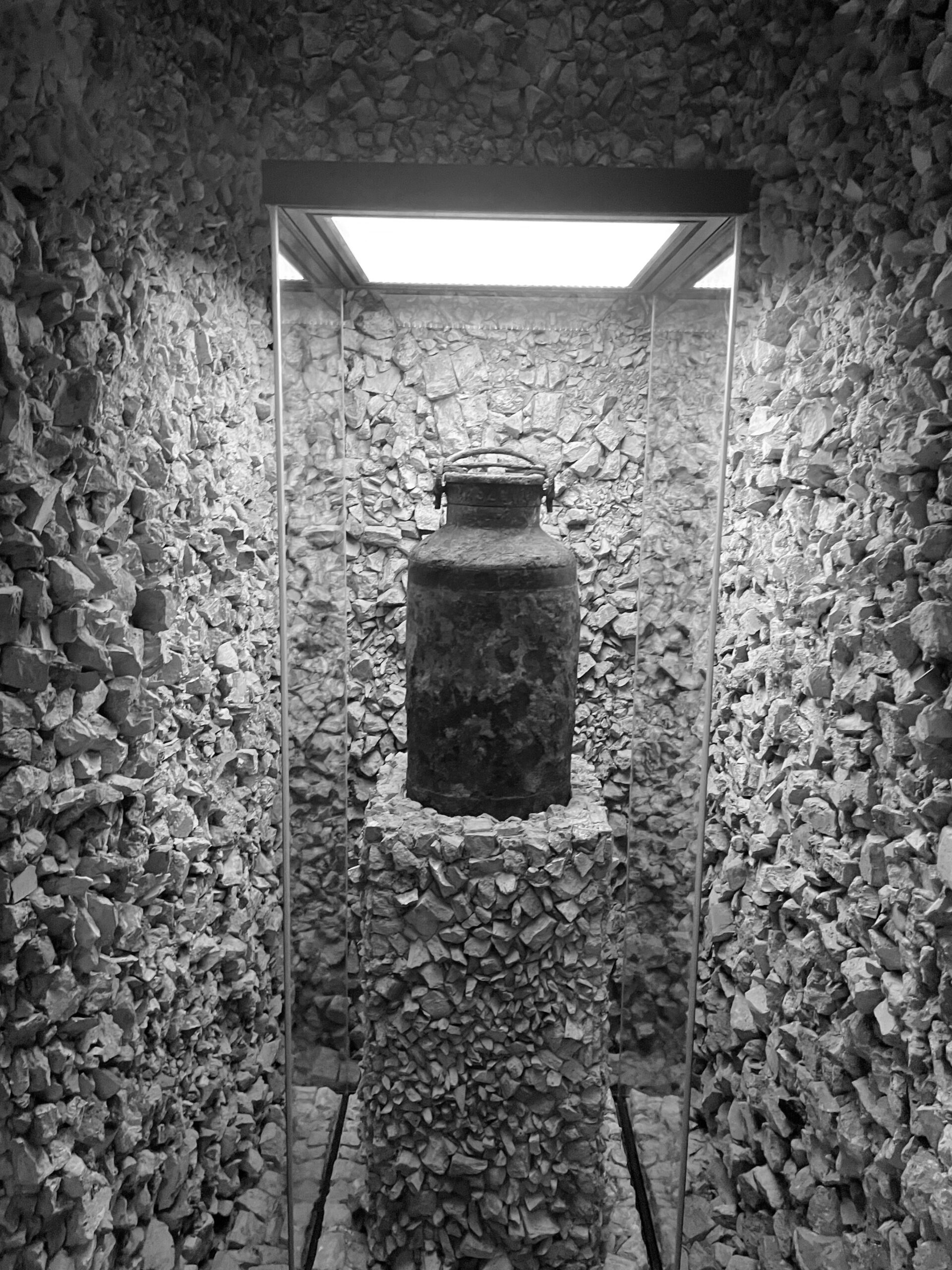
One of the most important items to survive the Warsaw Ghetto is a milk churn. In it was hidden one of the most significant collections of documents relating to the destruction of Poland’s Jewish community.
The churn is on display at the Jewish Historical Institute (ul. Tłomackie 5; entry fee) which was founded by survivors in 1947. The building dating to 1936 is original and was formerly the Main Judaistic Library, which had a collection of more than 30,000 volumes until it was plundered and the contents taken to Germany. It was included in the ghetto and housed the offices of a German-approved Jewish relief organisation, Aleynhilf (Self-Help).
One of its leaders was the social worker and historian Emanuel Ringelblum (1900–44), who believed that the Jewish people should tell their own story for themselves. In an act of intellectual resistance, Ringelblum and his colleagues created a secret group, calling themselves Oyneg Shabbat (Yiddish for ‘Joy of the Sabbath’) as they met at the institute on the Sabbath.
When in July 1942 it became clear that the ghetto was about to be liquidated, part of the archive was buried in ten metal boxes in the basement of the Ber Borochov school at ul. Nowolipki 28/30. Two large metal milk cans with more documents were also hidden here in February 1943. In 1946, two surviving members of the group retrieved the first part of the archive but the second part was only discovered by accident during construction work in 1950. A third cache of documents buried under the Brushmakers’ Workshop, now the Embassy of the People’s Republic of China at ul. Świętojerska 34, has never been found. Most of the members of Oyneg Shabbat, including Ringelblum, did not live to see the end of the war.
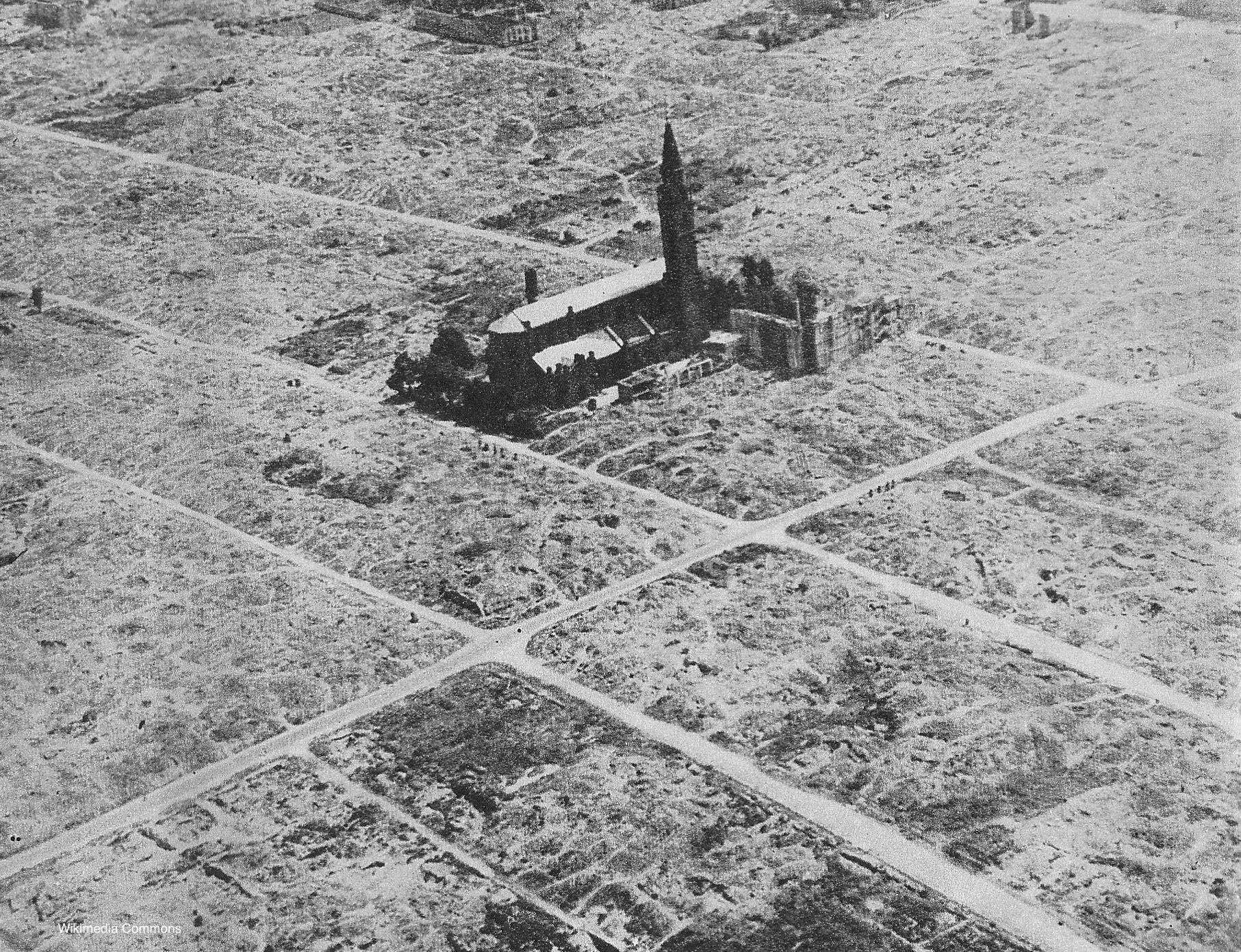
Treblinka
Treblinka was the site of one the Germans’ deadliest extermination camps, and some 800,000-920,000 Jews from ten different countries were murdered here between 1942 and 1943.
Close to the Bug River in remote countryside, Treblinka was chosen for the site of the camp as it was close to the main Warsaw–Białystok railway line. Today, it is a quiet, lonely place which gets few visitors.
What to see
The site at Treblinka is over 2km long. The main area which was once the extermination camp, Treblinka II, is a short walk from the car park. The labour camp, Treblinka I, is at the other end of the forest complex from the museum and main memorial. It is possible to drive there, where there is a second car park.
There is no need to book in advance to visit Treblinka, access is 24 hours and free.
The Treblinka Museum (open daily; free) is next to the main car park.
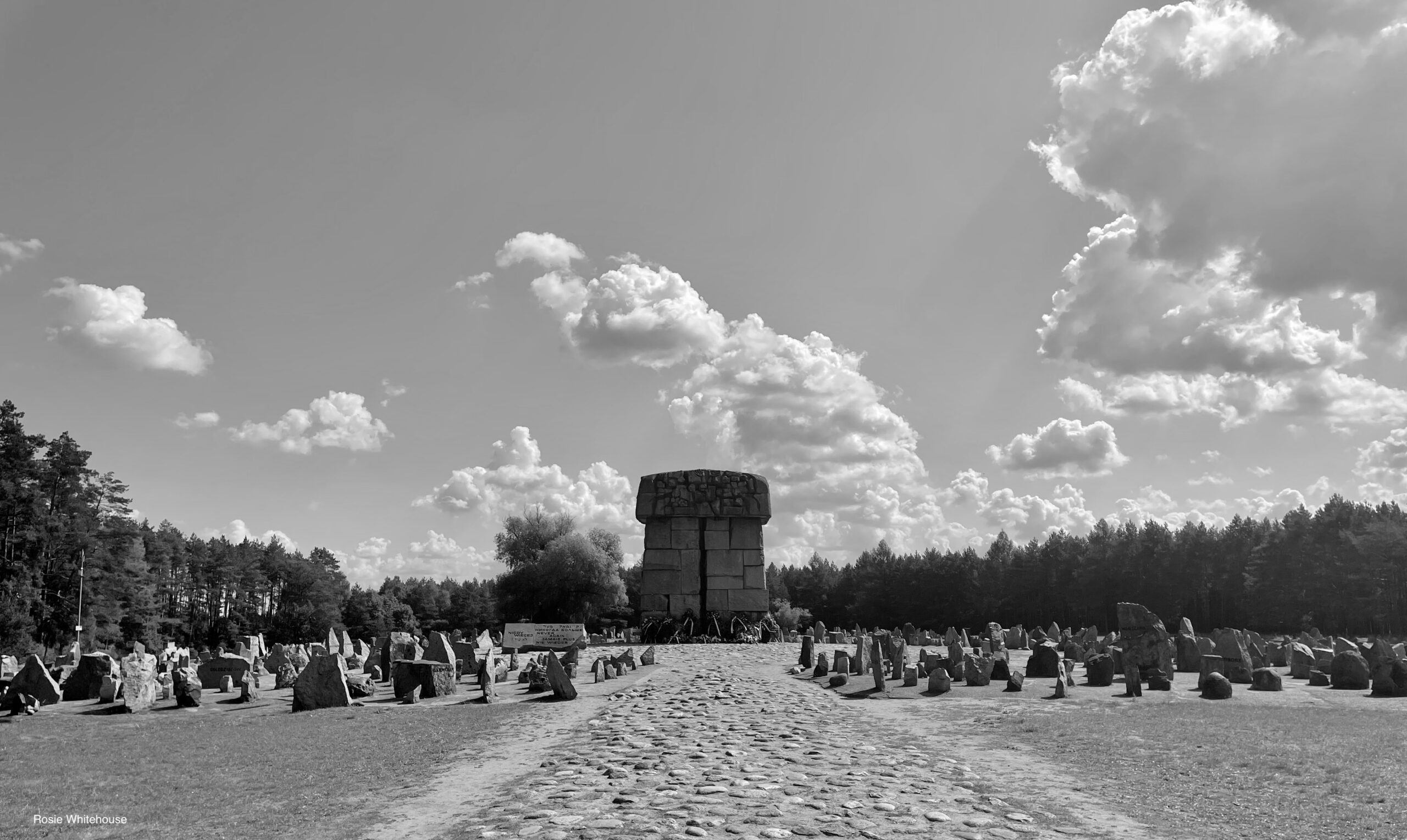
Nothing remains of the camp, which is now covered by 17,000 stones, 216 of which are marked with the names of communities destroyed by the mass murder in Treblinka. They stand on the site of the mass graves and buried ashes.
The path from the car park takes you past the memorial. The railway line is marked by stone slabs that lead to the ramp. The path continues behind the main monuments and curves back to the car park and visitors’ centre.
 About
About History
 Education
 Quilts
 FIlms
FIlms Photos
 News Media & Events
 Publications
 Donate