Members of the Boys were born in Iršava in Czechoslovakia, now Irshava, Ukraine.
The Boys were teenage and child-Holocaust survivors, who were brought to the UK after the war for rest and rehabilitation.
Members of the Boys were held in Nazi labour and concentration camps and used as slave labourers. They had also survived World War II in hiding or as lone children.
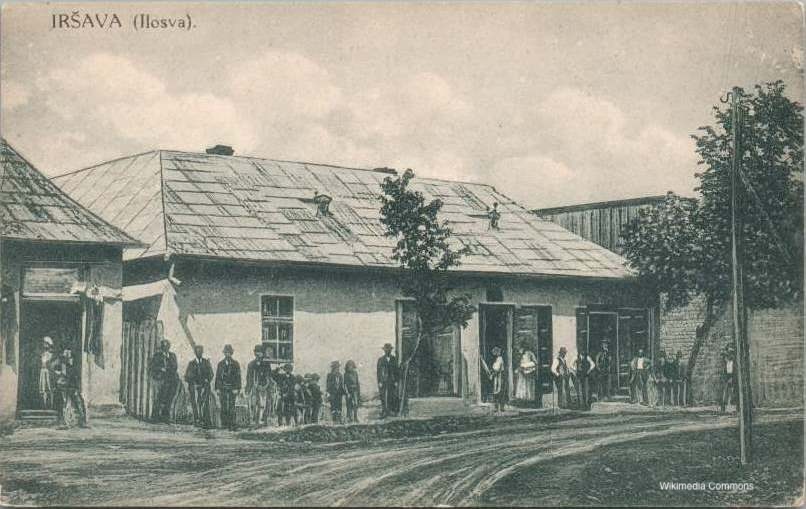
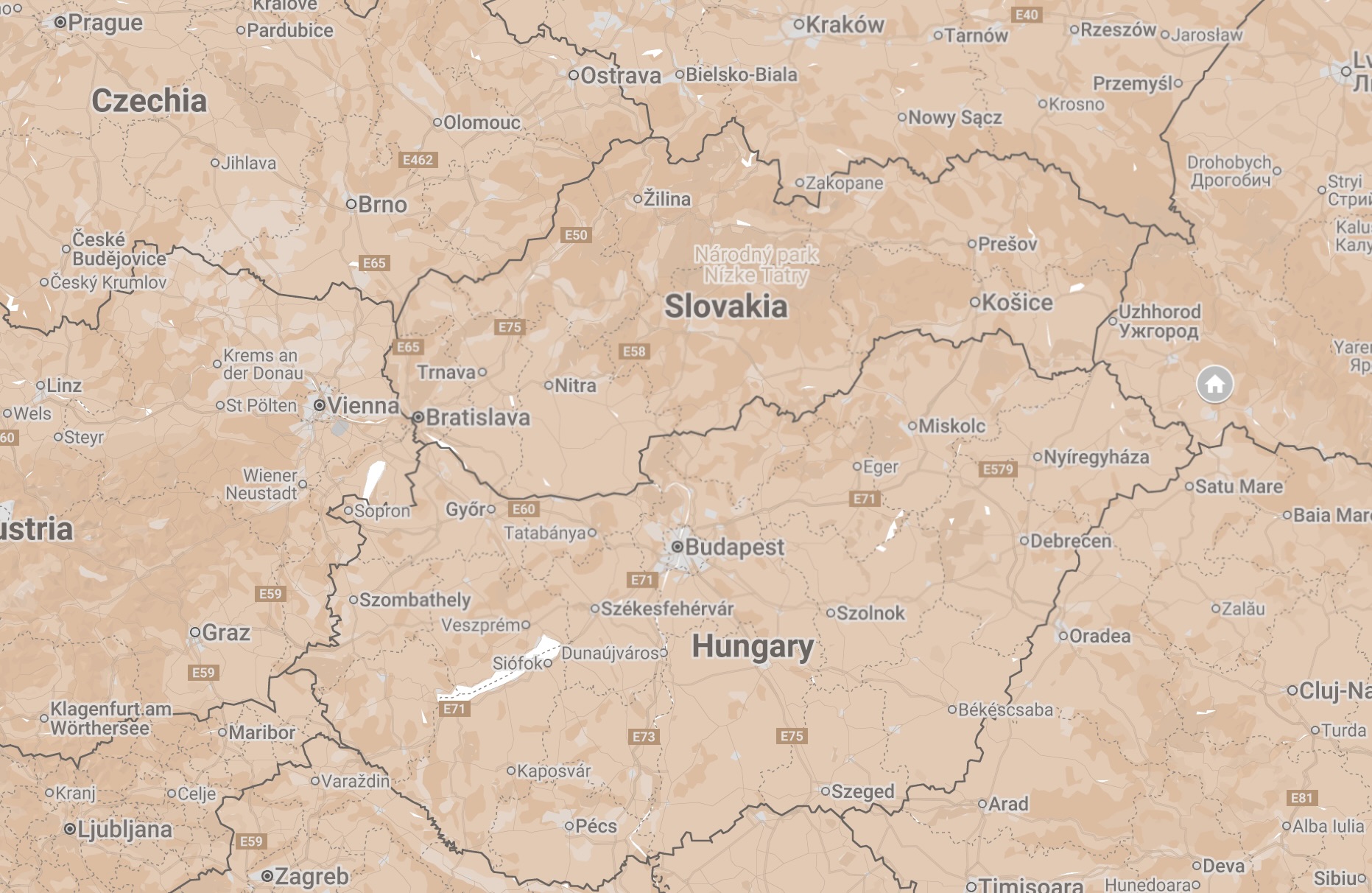
Irshava is situated in the region known historically as Transcarpathia, now western Ukraine. It is about 30km southeast of Mukachevo.
Until the end of World War I, Irshava was part of the Austro-Hungary. During the period between the two World Wars it was incorporated in the state of Czechoslovakia. In the course of World War II it was occupied by Hungary. At the end of the war it became part of the Soviet Union.
Pre-war
It is not known when the Jewish community of Irshava was established. The oldest tombstone of the Jewish cemetery is from the end of the 19th century.
Irshava’s yeshiva was established by Rabbi Yoel Teitelbaum, who had come to the town from Satmar before World War I. After the war, many Jews came to live near him and rabbis and heads of communities were among his disciples.
The Jews of the region were among the poorest in Europe, many living in rural areas and working in agriculture. Jewish families earned their livelihoods from trade and crafts. They worked mainly as traders and craftsmen, particularly as carpenters, blacksmiths, tailors, cobblers and painters.
At the beginning of the 20th century, two sawmills were built in order to establish a local furniture industry, as well as a chemical factory for wood, alcohol, acetone, and glue, employing Jewish workers.
The Jews of Irshava lived close to the main road which crossed the town. It was called “the Jewish road” in Yiddish. Most of the Jews had their own houses, with a flower garden in front and a vegetable garden and fruit trees at the back. Daily prayer services were held at the central synagogue.
In 1941, 1,393 Jews were living in Irshava. Most of its citizens were Ruthenians. The principal language was Ruthenian, but Hungarian, Russian and Czech were also spoken. The majority of the Jews spoke Yiddish among themselves.
Occupation
Following the Munich Agreement in 1938, Czechoslovakia was divided up and Irshava and the surrounding area were annexed by Hungary. The town became known as Ilosva in Hungarian.
In March 1939, the Hungarians occupied the region and imposed laws restricting Jewish access to education, trade, and the professions. Many Jews were persecuted and pushed out of their occupations. Jewish businesses were taken over by Hungarians but many remained closed.
In 1940, 150 Jews from Ilosva were drafted into forced labour battalions and others were drafted for service on the eastern front, where most died.
In August, 1941, a number of Jewish families, who could not prove their Hungarian citizenship, were expelled to Kamianets-Podilskyi in German occupied Polish territory, where they were murdered in mass shootings. A number of Jewish families of Ilsova managed to secure false documents with the help of a school official, and so evaded expulsion.
Deportation
The Germans occupied Hungary in March 1944. At the beginning of April of that year all the Jews in Hungary were ordered to wear the yellow badge on their clothes.
In April 1944, just after Passover, the Jews of Ilosva were forced into a ghetto with Jews from surrounding localities. Local Hungarian police confiscated all jewellery and watches.
On 22 May 1944, the ghetto was emptied and all its inhabitants were deported to the Auschwitz II-Birkenau concentration and extermination camp in occupied Poland. To find out more about the camp click here.
The number of Ilsova Jews who survived the war is not known.
Liberation
Ilsova was liberated by the Red Army in the autumn of 1944.
After World War II, the region was annexed by the Soviet Union in 1945. Ilsova became part of the Ukrainian Soviet Socialist Republic and was renamed Irshava.
A handful of survivors returned to Irshava. Most of the survivors found that their home’s occupied by strangers. Irshava’s Jews were either very religious and or Zionists. It was not possible to practice religious observance under Stalinism and Zionist politics could lead to arrest. As a result, most survivors chose to leave.
Present-day
In 2016, Irshava had about 9,000 inhabitants. It is thought that no Jews live there today, although the town hosted Jewish refugees from further east in 2022 after the Russian invasion of Ukraine.
Getting there
The nearest airport to Irshava is Satu Mare in Romania. There are bus connections from Rzeszow in Poland to Irshava via Lviv abd Mukachevо.
Note that the Foreign and Commonwealth Office advses against travel to Ukraine because of the ongoing Russian invasion.
The former synagogue (11 Gargarian Street) is a private youth hostel.
Jewish Cemetery (Bld Zarichna) Some headstones remain.

 About
About History
 Education
 Quilts
 FIlms
FIlms Photos
 News Media & Events
 Publications
 Donate