Members of the Boys were born in Prague in Czechoslovakia, now in Czechia.
The Boys were teenage and child-Holocaust survivors, who were brought to the UK after the war for rest and rehabilitation.
Members of the Boys were held in Nazi labour and concentration camps and used as slave labourers. They had also survived World War II in hiding or as lone children.
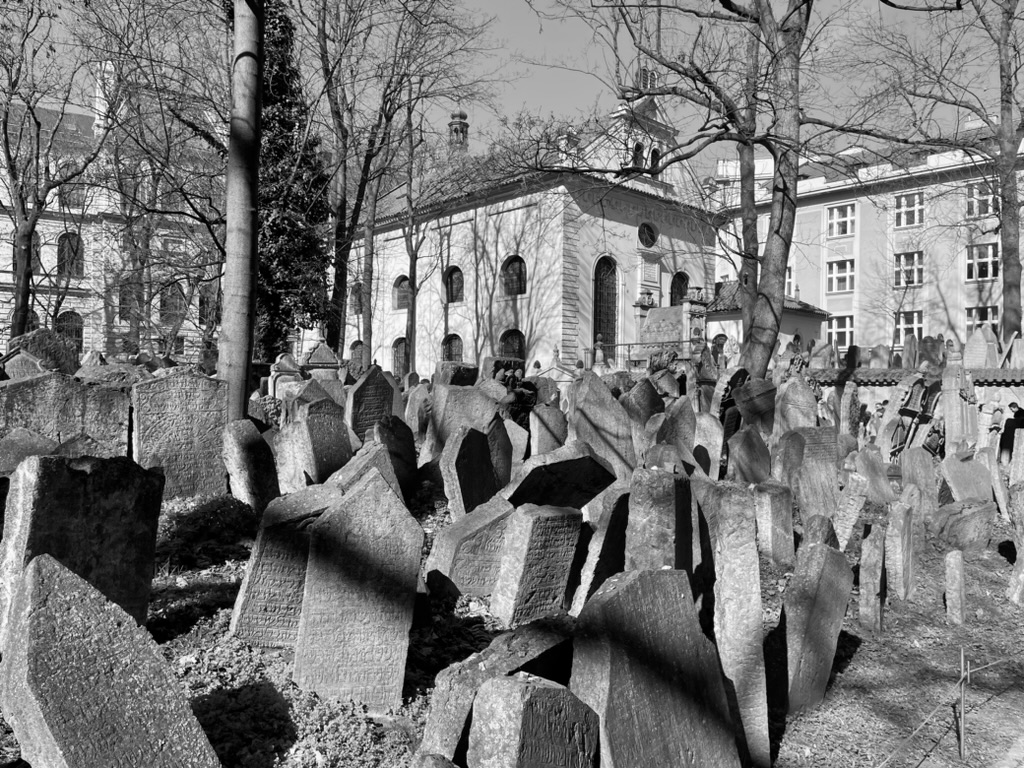
Although only four of the Boys came from Prague, the great majority of them passed through the Czech capital city on their way to the UK. Prague played a central role in the story of the Boys, four of the five groups of the Boys left from the city.
The first of the Boys were flown to Britain from Prague in August 1945. The third and fourth groups of the Boys also travelled to the UK from the Czech capital 1946. The fifth group left in 1948.
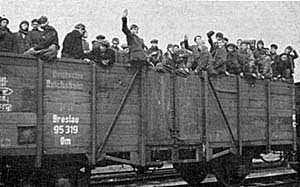
Many of the Boys were also repatriated by the British to Prague after liberation in the Bergen-Belsen concentration camp.
Part of the Austro-Hungary until 1918, Prague then became the capital of Czechoslovakia until 1993, when the country split in two and was divided into Czechia and Slovakia.
Prague is home to one of Europe’s longest-standing Jewish communities. Jews have lived in Prague and the surrounding region since the 10th century.
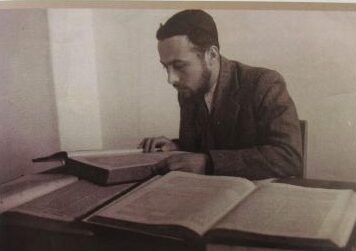
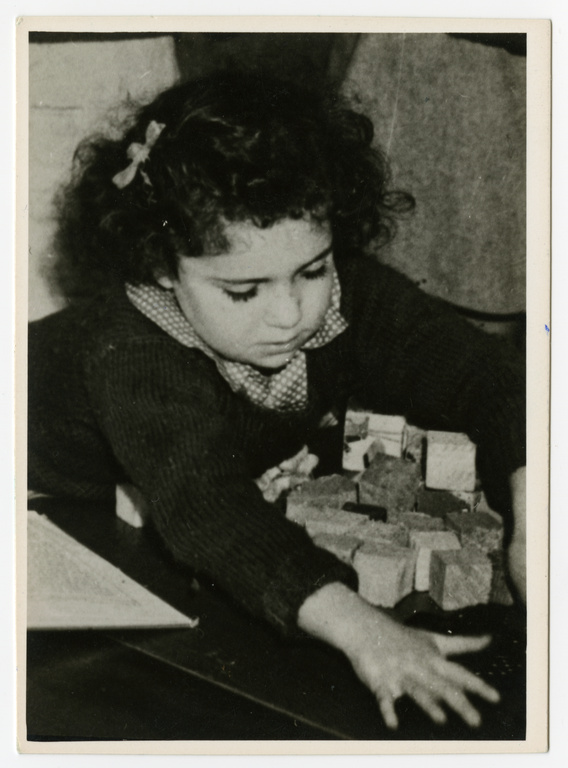
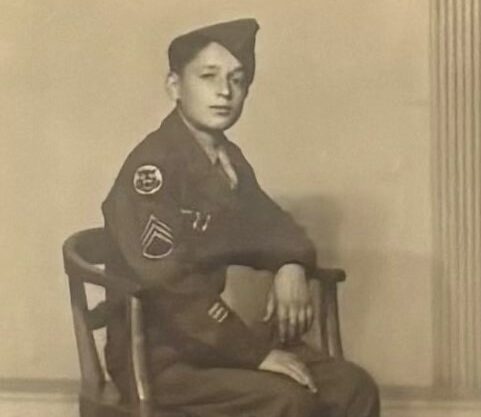
Three of the Boys born in Prague. These photographs were all taken after World War II.
At the outbreak of World War II, over 92,000 Jews lived in Prague, almost 20% of the city’s population. Thousands of Jews had fled to the city from Germany, greatly increasing the size of the community.
Deportation
In March 1939, Germany invaded Czechoslovakia and established the German protectorate of Bohemia and Moravia in the west of the country.
Between October 1941 and March 1945, about 46,000 Jews were deported from Prague mostly to the Theresienstadt Ghetto. From there, most Czech Jews were transported to their death in the Auschwitz-Birkenau concentration and extermination camp and other killing fields in the east. At least two-thirds of the Jewish population of Prague perished in the Holocaust.
Liberation
On 9 May 1945, the Soviet Red Army entered Prague.
In the immediate post-war period Prague became a hub for Jewish refugees trying to flee westwards. Until 1989, Czechoslovakia was part of the Soviet controlled eastern block.
Aftermath
From the late 1960s to the late 1980s, any mention of the Holocaust and Prague’s Jewish history was stifled. It was not until the mid-1980s, as communist attitudes began to reform throughout Europe, that there was a surge in interest in Prague’s Jewish heritage.
Vaclav Havel, the last president of former Czechoslovakia and the first president of the newly-established Czech Republic, was sympathetic towards the Jews and was quick to establish a diplomatic relationship with Israel and initiate the restitution of Jewish property in Prague.
Since then, there has been a revival of Jewish life in Prague.
Present-day
During the Communist era, many Jews learned to hide their identity. Now, Prague’s Jewish community has seen a rise in young Czechs who have only recently discovered their heritage. It is as a result difficult to calculate the exact number of Jews living in the city. Estimates put the number of Jews in Prague at 1,500-5,000, with an additional 10,000 -15,000 unregistered Jews across the country.
Prague is now home to many Jewish tourist sites spanning multiple historical synagogues, museums and an old Jewish cemetery dating from the 15th century. The city is also home to a Jewish nursery, schools and old age home, as well as kosher restaurants and a kosher hotel.
Getting there
Prague, the Czech capital, has excellent air and train connections. Most European and many international airlines fly to the city. It is four hours by train from Berlin, and is also easily accessible by car and bus from most continental capitals and major cities.
Getting around
Terezín, the former Theresienstadt Ghetto, can be visited as a day trip from Prague. Note that organised tours are expensive. There is a direct bus from Prague’s Holešovice train/bus station (bus platform 7 direction Litomerice). It is just under an hour’s drive from Prague to Terezín. Park in the car park at the Jewish cemetery.
Pitters castles in the villages of Olešovice and Štiřín – 25km south of Prague are accessible by car or bus. All four castles were within walking distance of each other.
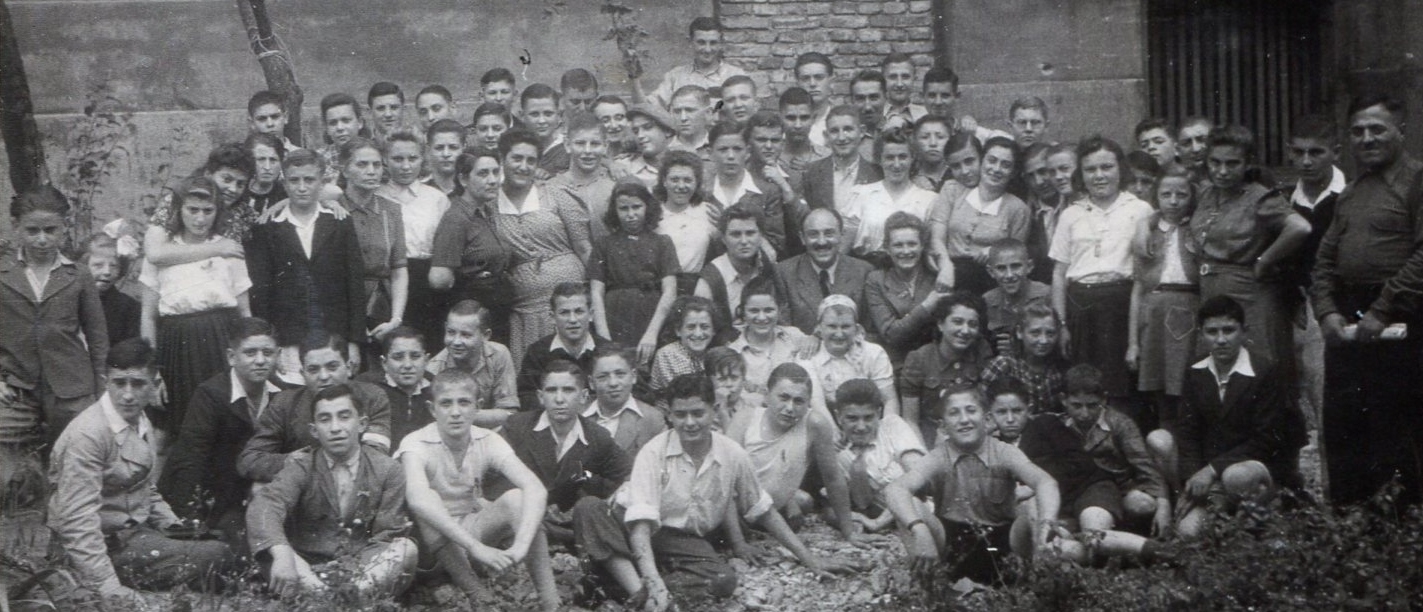
The heart of Jewish Prague is the Josefov district, named after the Austro-Hungarian Emperor Josef, who passed the Edict of Tolerance in 1782 abolishing some of the discriminatory measures against Jews.
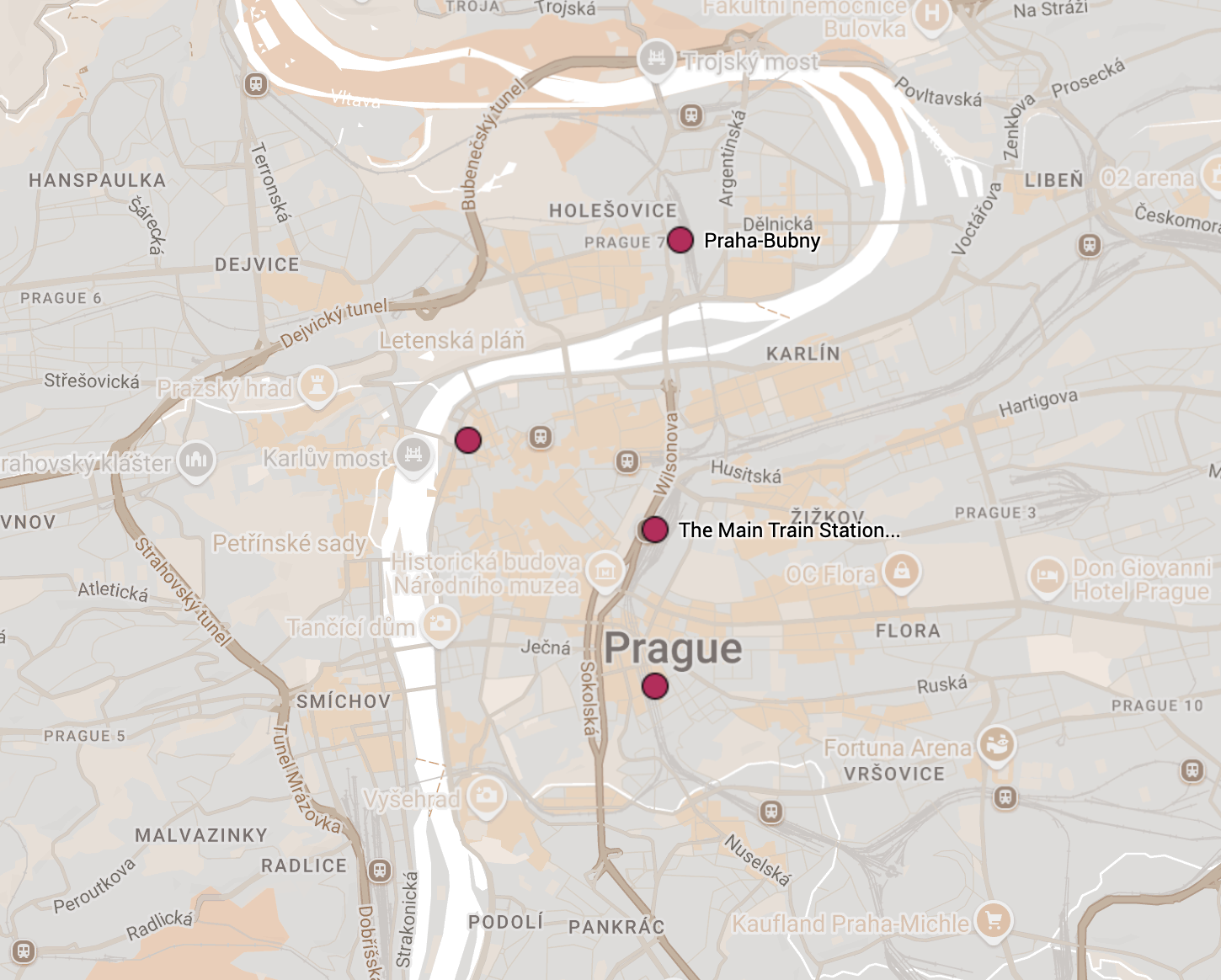
Memorials
Pinkas Synagogue (Široká 23; entry fee) The synagogue is the second oldest in the city and functions as a memorial to the almost 80,000 Czech Jews who were murdered in the Holocaust. Their names are engraved on the walls. The list of victims was compiled using card files discovered shortly after the war, as well as transport schedules, registration lists and lists of survivors. In the 1950s it became a memorial to Jews from Czech lands murdered in the Holocaust but was closed from 1966 to 1989. On the first floor there is an exhibition of pictures drawn by children in the Theresienstadt Ghetto. Artist Friedl Dicker-Brandeis (1898–1944) encouraged the children to grapple with the harsh realities of the world they lived in through their art. Most of the children and Dicker-Brandeis were murdered in Auschwitz.
The is also the site of the Old Jewish Cemetery.
Praha hlavní nádraží Prague’s main station, then known as Wilsonova Station, was a scene of heartbreak as parents said farewell to their children who left the country on the Kindertransport. About 10,000 of the children came to Britain, while smaller numbers were taken into other European countries. Most of their parents did not survive the war.
There are two important memorials to the Kindertransport inside the station. On Platform 1 there is a statue of the British humanitarian Sir Nicholas Winton, who on the eve of World War II, arranged eight trains that enabled a total of 669 Jewish children to escape Nazi-occupied Czechoslovakia, an operation now known as the Czech Kindertransport. His accomplishments remained unrecognised until
The Fantova café in the original entrance to the station is further along the platform. The Farewell Memorial is directly underneath. It is designed to look like a train door with the hands of children on one side and those of their parents on the other.
Holešovice Deportations were carried out at Bubny Station in Holešovice. The transports began 16 October 1941, when the first of five trains departed for the Łódź Ghetto in Poland. Trains then left for the Theresienstadt Ghetto. In all, 50,000 Jews were deported from Bubny, of whom fewer than 300 survived.
The Gate of Infinity by Aleš Vesely, erected in 2015, remembers the victims. It resembles Jacob’s ladder and is in the form of a railway track. There are also plans to turn the dilapidated station into a Holocaust memorial and educational centre, the Memorial of Silence (w pamatnikticha.cz). Prior to deportation Jews were held in the nearby Holešovice exhibition hall at Dukelských hrdinů 47, where there is a memorial on the roadside wall of the hotel on Veletržni.
Vinogrady
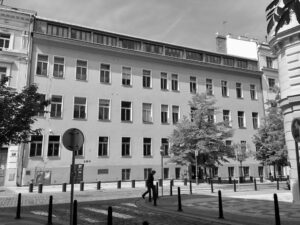
The residential district not far from the National Museum, Vinogrady was a centre of Jewish life in Prague in the first half of the 20th century. Before World War II, it was home to the city’s largest synagogue, which was destroyed in a bombing raid. A memorial marks the spot on ul. Sázavská.
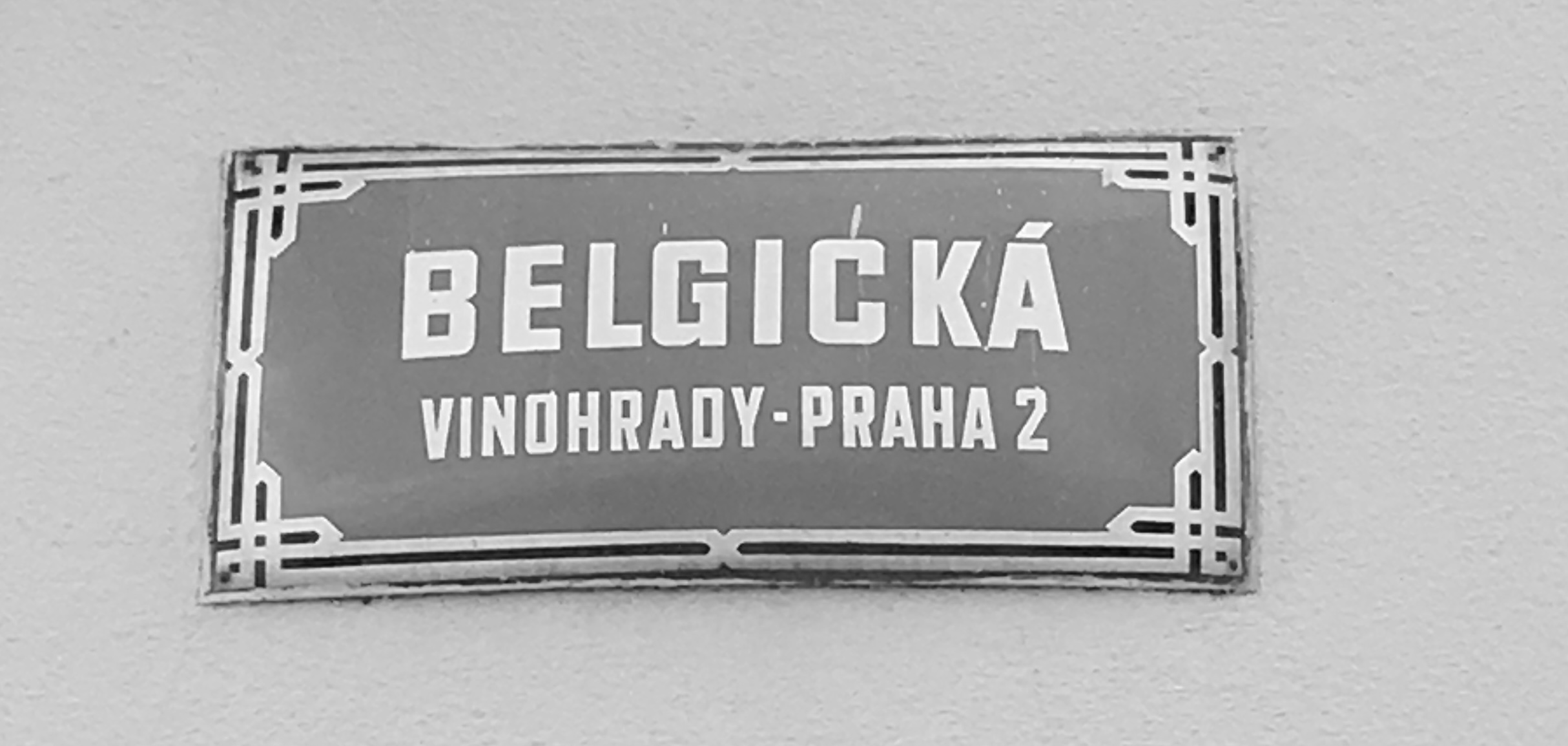
Vinogrady is also one of the key sites in the story of the Boys. Hundreds of the Boys were cared for in the former Belgická orphanage prior to their departure for the UK in 1945 and 1946. The building still stands on Belgická ul. and is today the Lauder school.
To find out more about the history of the orphanage and the Boys who stayed there click here.
Terezín/Theresienstadt Memorial
The most important Holocaust site in Czechia, 61km north of Prague, played a key role in the story of the Boys.
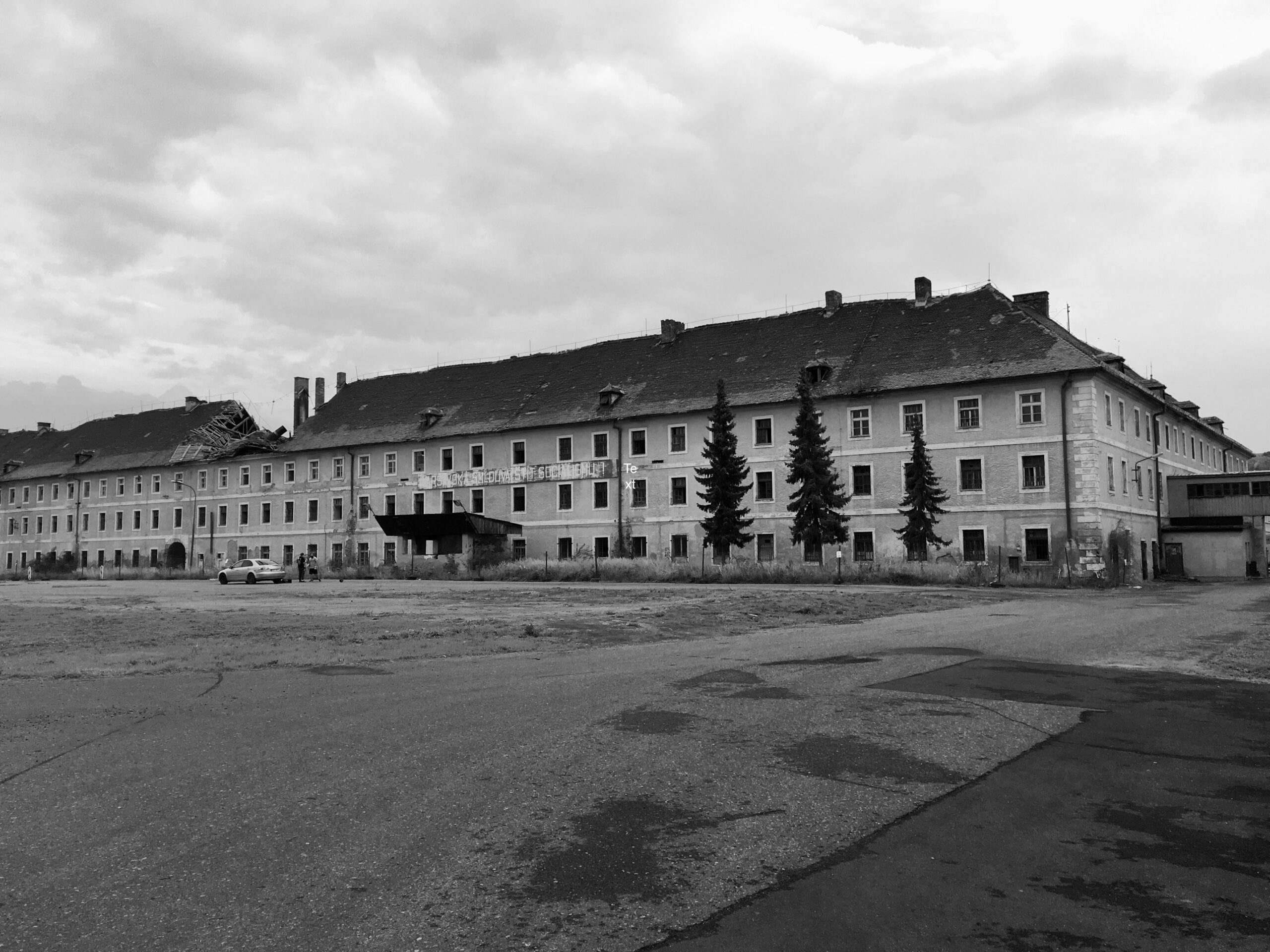
To find out about the history of the ghetto and the sites related to the Boys click here. To find out about the Ghetto after liberation and the story of the Boys who were in the Terezín DP camp click here.
The memorial comprises two main areas, the small and large fortresses, which are surrounded by a star-shaped wall and fortifications.
Pitter’s Castles
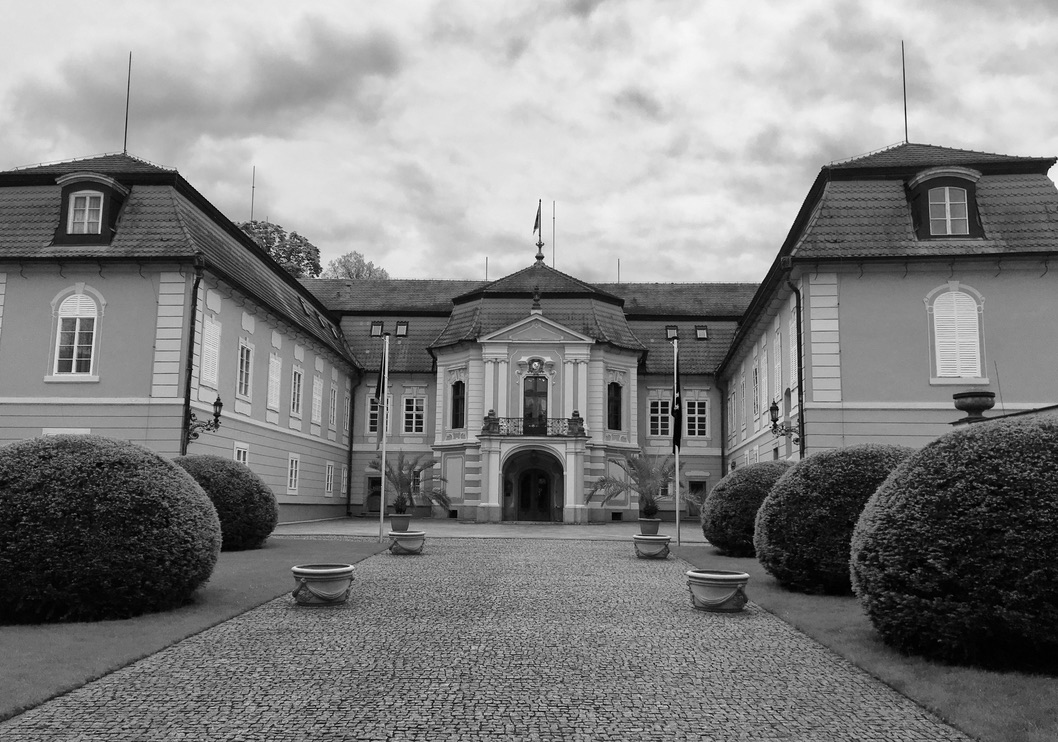
Premysl Pitter (1895–1976), a Christian humanitarian and pacifist, cared for the youngest members of the Boys in four of large country houses in the villages of Kamenice, Lojovice, Olešovice and Štiřín, 25km south of Prague. To find out more about Pitter’s Castles click here.
On 15 May 1945, Pitter requisitioned four castles, which had been confiscated from their former German owners in Aktion Zamek (zamek means castle in Czech).
Just one week later, Pitter brought the first 40 Jewish children from Theresienstadt to their new home in Olesovice. By July 1945, Pitter was caring for 150 children who had been liberated in the ghetto, and many more orphans soon joined them. 40 of his children left for Britain in August 1945 in the first group of the Boys.
 About
About History
 Education
 Quilts
 FIlms
FIlms Photos
 News Media & Events
 Publications
 Donate