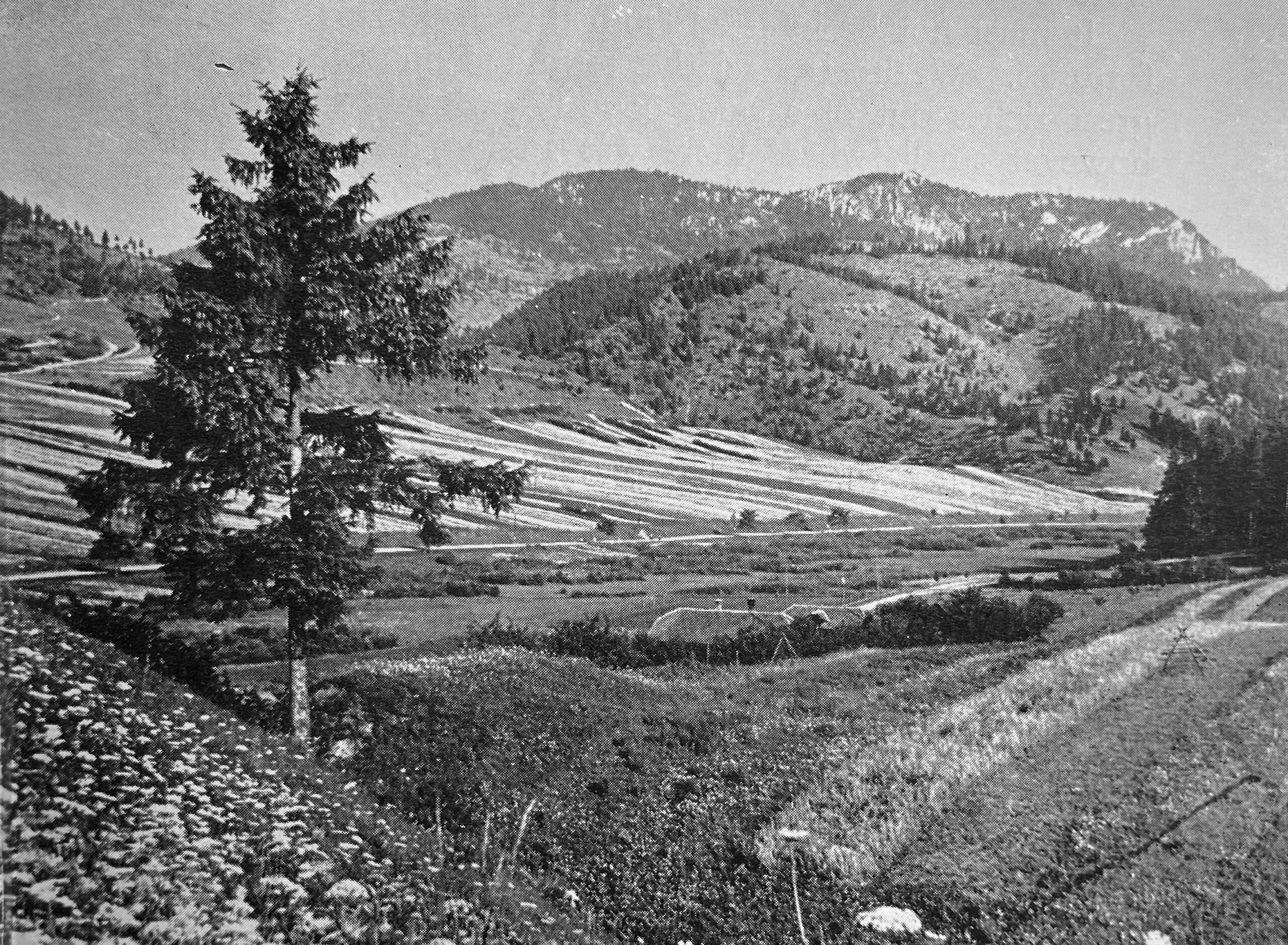
Solotvyno is a village in the Zakarpattia Oblast region in south-western Ukraine. It is south-east of Khust and close to the border with Romania. The village’s Ukranian name, Solotvyno, comes from its salt-mining heritage, and refers to the nearby salt mine – sol means salt in Ukranian.
Until the end of World War I, Slatinske-Doly belonged to the Austro-Hungary. During the period between the two World Wars it was part of Czechoslovakia. During World War II, it was occupied by Hungary. At the end of the war it became part of the Soviet Union.
Pre-war
Jews probably settled in Slatinske-Doly in the first half of the 18th century.
An organised Jewish community appeared in the early 19th century, maintaining various welfare and charity institutions. In 1830, the Jewish population was 218, rising to 674 in 1880 out of a total population of 3,642. By 1921, during the Czechoslovakian period, the Jewish population reached 1,785. Jews owned 65 businesses and shops and flour factories. A few were white-collar workers and professionals.
In 1941, the Jewish population increased to 2,537. Zionist and religious political parties were especially active.
Occupation
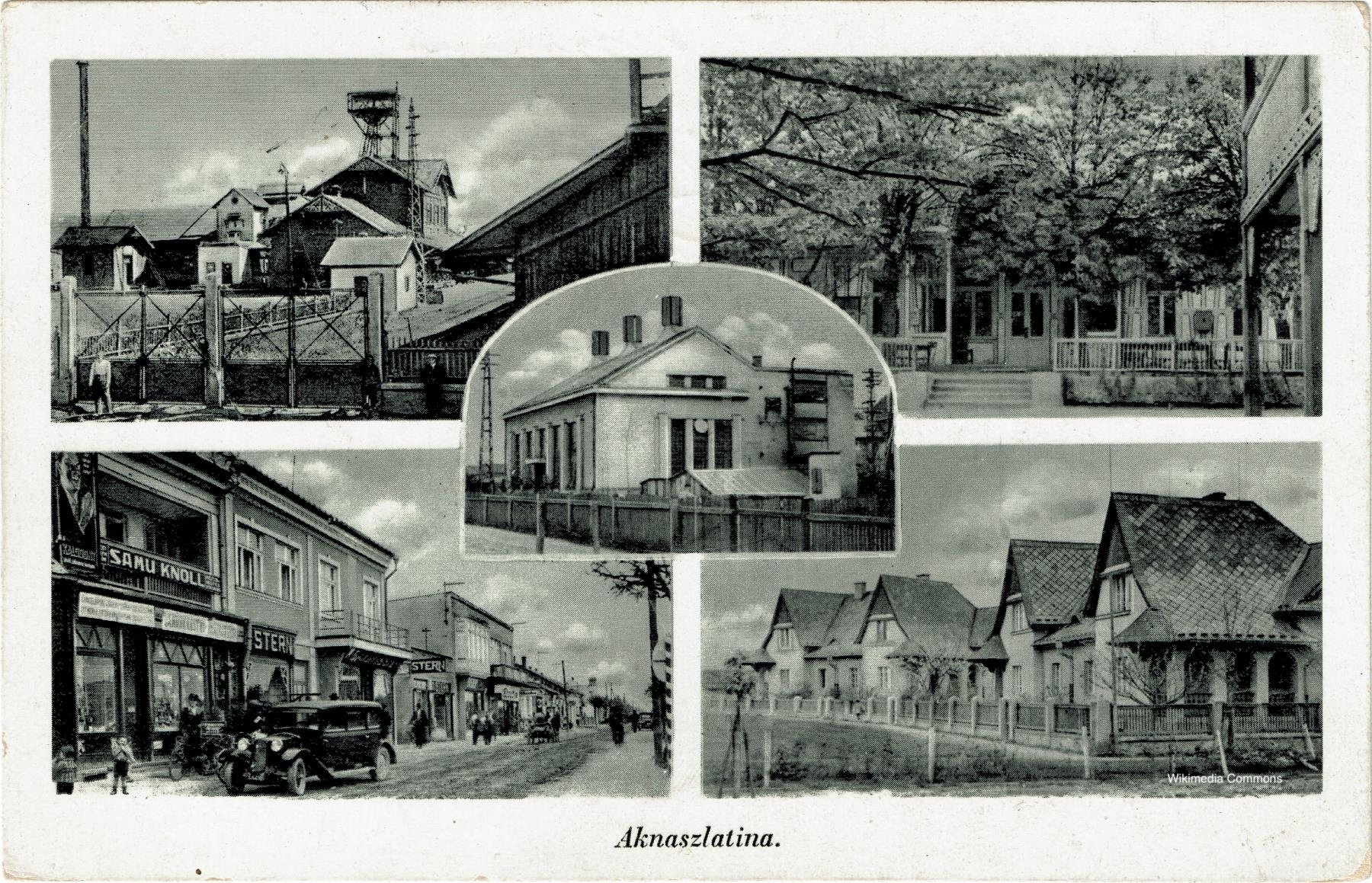
Following the Munich Agreement in 1938, Czechoslovakia was divided up and, in March 1939, Slatinske-Doly and the surrounding area were annexed by Hungary. The town became known as Aknaszlatina in Hungarian.
The Hungarians imposed laws restricting Jewish access to education, trade, and the professions. Many Jews were persecuted and pushed out of their occupations. Jewish businesses were taken over by Hungarians but many remained closed.
In 1940, dozens of Jews from Aknaszlatina were drafted into Hungarian labour battalions for forced labour or service on the eastern front, where many died. In August 1941, a few Jewish families without Hungarian citizenship were expelled to Kamianets-Podilskyi in Nazi occupied Poland (modern-day Ukraine), where they were murdered.
Deportation
In March 1944, the Nazis occupied Hungary.
At the beginning of April 1944 all the Jews in Hungary were ordered to wear a yellow badge on their clothes. In the same month, 2,044 Jews from Aknaszlatina, and another 3,000 Jews from the surrounding area were transferred to an improvised ghetto. They were deported to the Auschwitz II-Birkenau concentration and extermination camp in late May 1944.
Liberation
In the autumn of 1944, the Soviet Red Army entered Aknaszlatina. A few dozen surviving families returned after their liberation, but most chose to leave.
In 1945, after World War II, Transcarpathia was annexed by the Soviet Union. Aknaszlatina became part of the Ukrainian Soviet Socialist Republic and is now known as Solotvyno.
Present-day
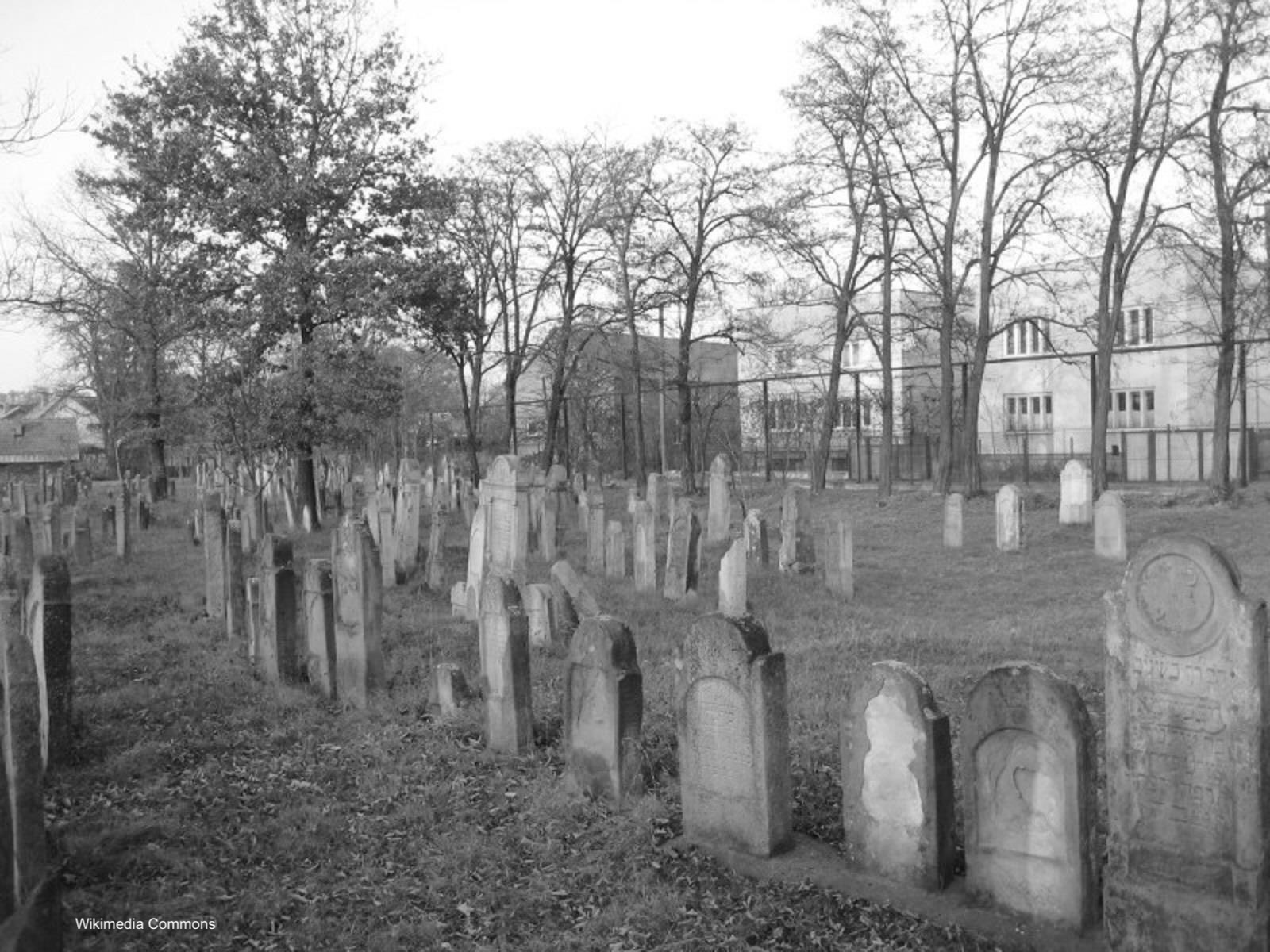
In 2013, only three Jews were recorded to be living in Solotvyno.
 About
About History
 Education
 Quilts
 FIlms
FIlms Photos
 News Media & Events
 Publications
 Donate