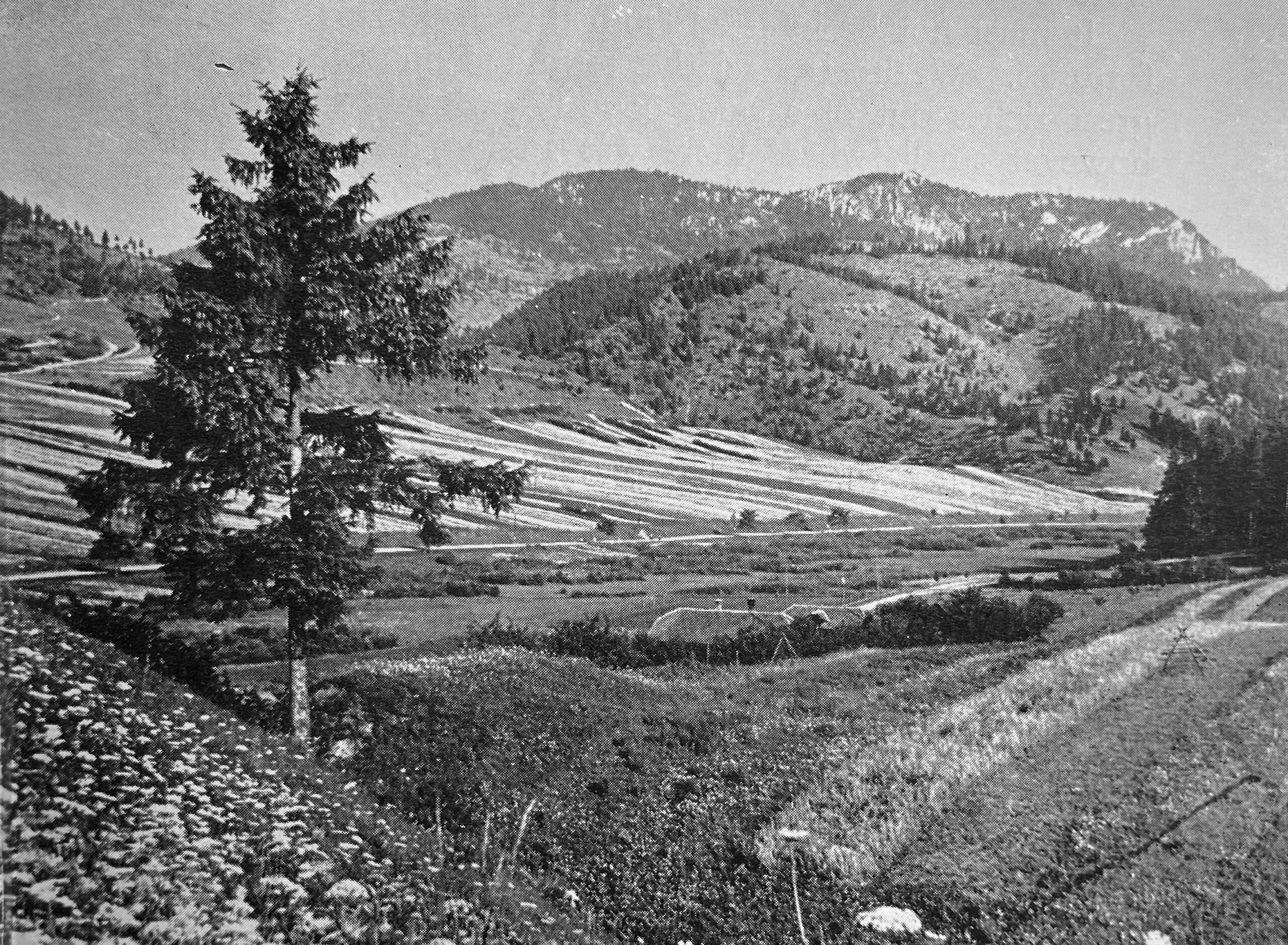
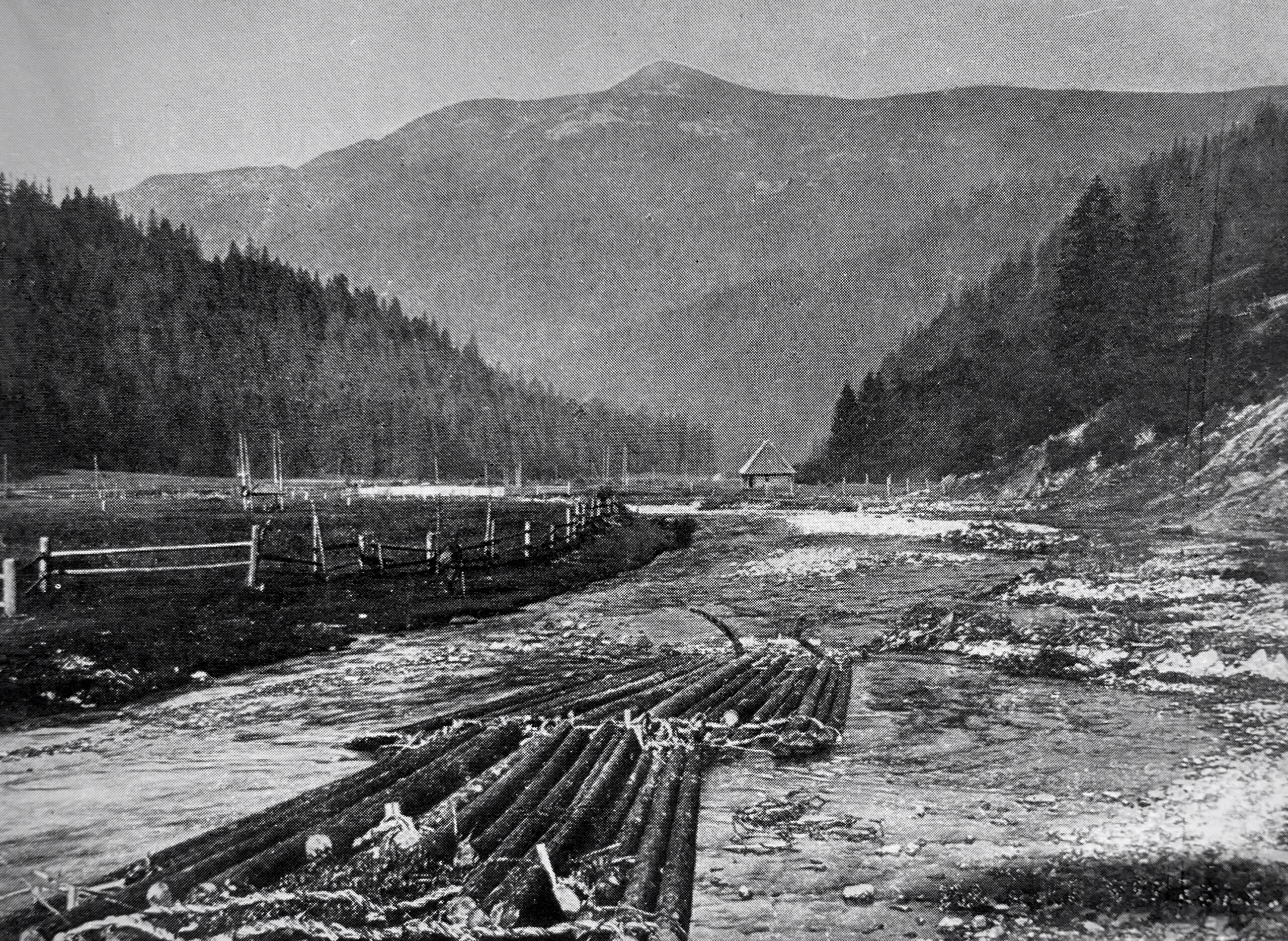
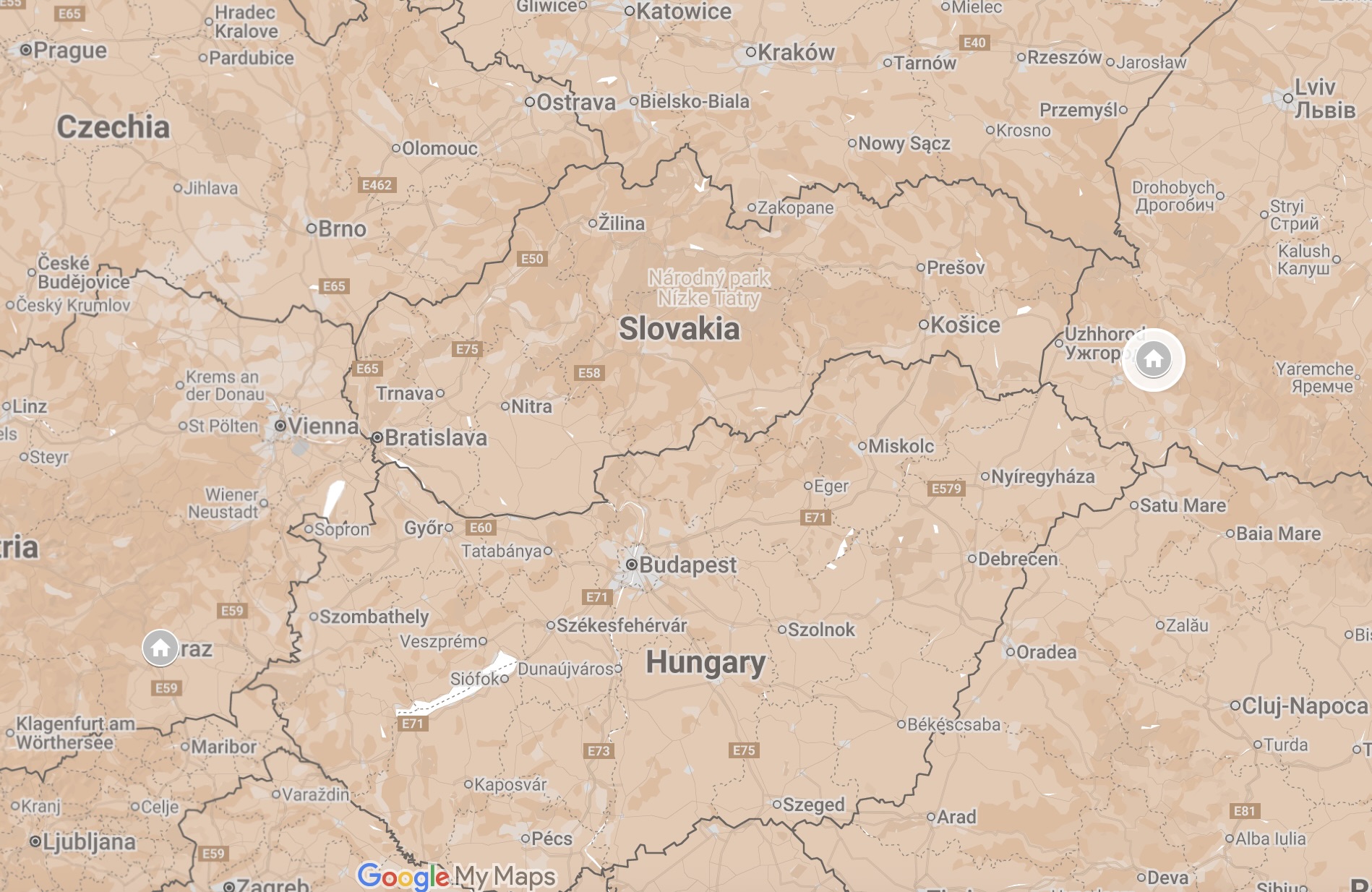
Svaliava is located on the Latorica river, about 25km northeast of Mukachevo, in the Transcarpahian region.
Until the end of World War I, Svaliava was part of Austro-Hungary. During the period between the two World Wars it was incorporated into the state of Czechoslovakia. In the course of World War II it was occupied by Hungary. At the end of the war it became part of the Soviet Union.
Pre-war
Jews probably settled in Svaliava in the first half of the 18th century. In 1830, the Jewish population was 45. By 1880, the Jewish population was 319, out of a total population of 1,664.
The Jews of Transcarpathia were among the poorest in Europe, many living in rural areas and working in agriculture. Jews earned their livelihoods from trade and crafts. They worked mainly as traders and craftsmen, particularly as carpenters, blacksmiths, tailors, cobblers, glazers, tinsmiths, brush makers and painters.
At the beginning of the 20th century, two sawmills were built in order to establish a local furniture industry, as well as a chemical factory for wood, alcohol, acetone, and glue, employing Jewish workers. In 1921, during the Czechoslovakian period, the Jewish population of Svaliava rose to 1,099.
By 1941, the Jewish population rose to 1,423, out of a total population of 8,400.
Occupation
Following the Munich Agreement in 1938, Czechoslovakia was divided up and Svaliava and the surrounding area were annexed by Hungary, before being formally incorporated into Hungary in 1939. The town became known as Szolyva in Hungarian.
The Jews of Szolyva were subjected to discrimination under the Hungarian occupation. Many Jews were persecuted and pushed out of their occupations.
In 1940, 150 Jews from Szolyva were drafted into forced labour battalions for service on the eastern front, where most died.
In August, 1941, a number of Jews, who could not prove their Hungarian citizenship, were expelled to Kamianets-Podilskyi in German occupied Poland, where they were murdered in mass shootings.
The Germans occupied Hungary in March 1944.
Deportation
In April 1944, the Jews of Szolyva were gathered in the synagogue; from there they were taken to the ghetto in Mukachevo. On 22 May 1944, over 1,000 Jews from Szolyva, were deported to Auschwitz II-Birkenau concentration and extermination camp.
An estimated 85% of the Jews of Transcarpathia perished in the Holocaust.
Liberation
After World War II, Szolyva became part of the Ukrainian Soviet Socialist Republic. Many Jews felt there was no future for them under Stalinism and either did not return to their homes or decided to flee westwards.
Present-day
No Jews live there today.

 About
About History
 Education
 Quilts
 FIlms
FIlms Photos
 News Media & Events
 Publications
 Donate