The Boys were teenage and child-Holocaust survivors, who were brought to the UK after World War II for rest and rehabilitation.
There were five groups of the Boys and they came from several different countries.
Members of the Boys were held in Nazi labour and concentration camps and used as slave labourers. They had also survived World War II in hiding or as lone children.
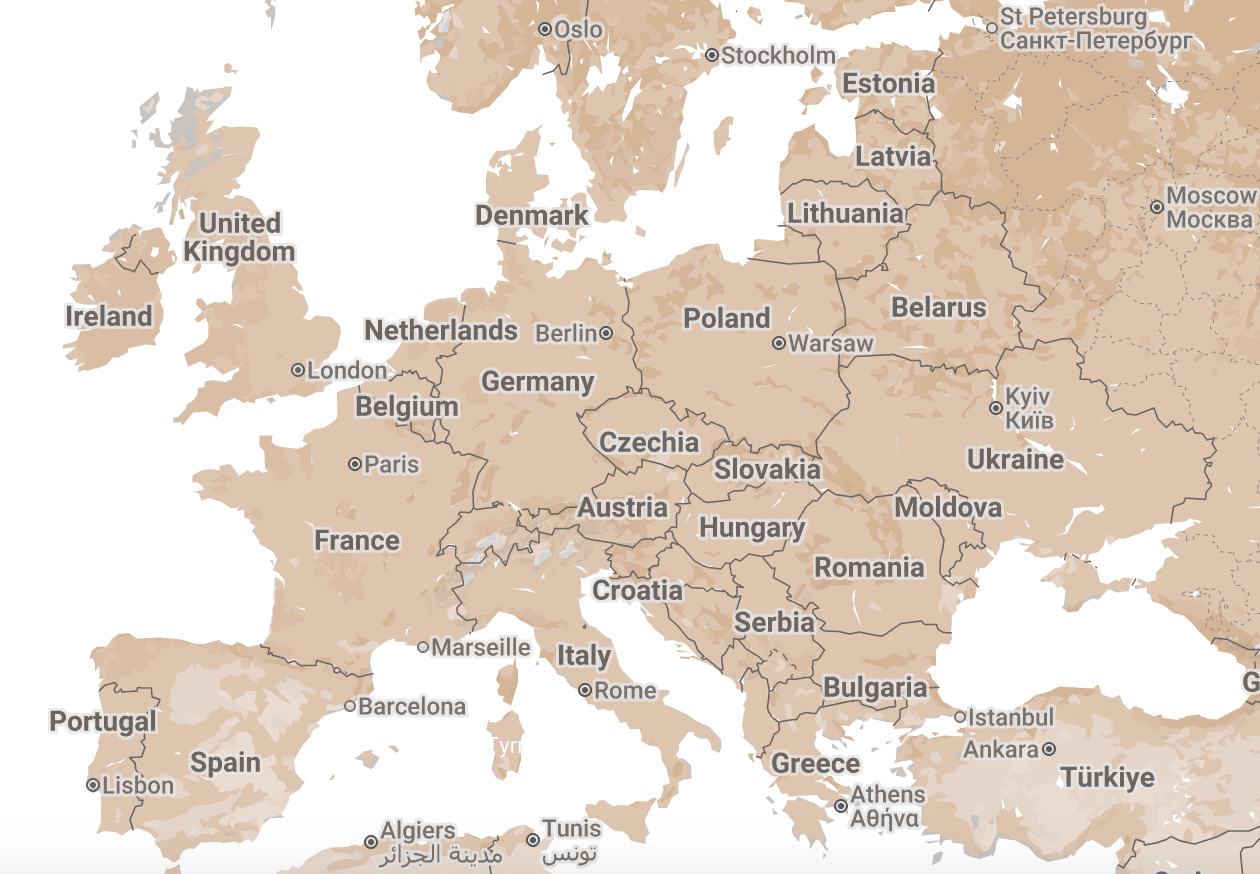
The list of the Boys’ birthplaces are identified by the names used in the interwar period and the country where it then was.
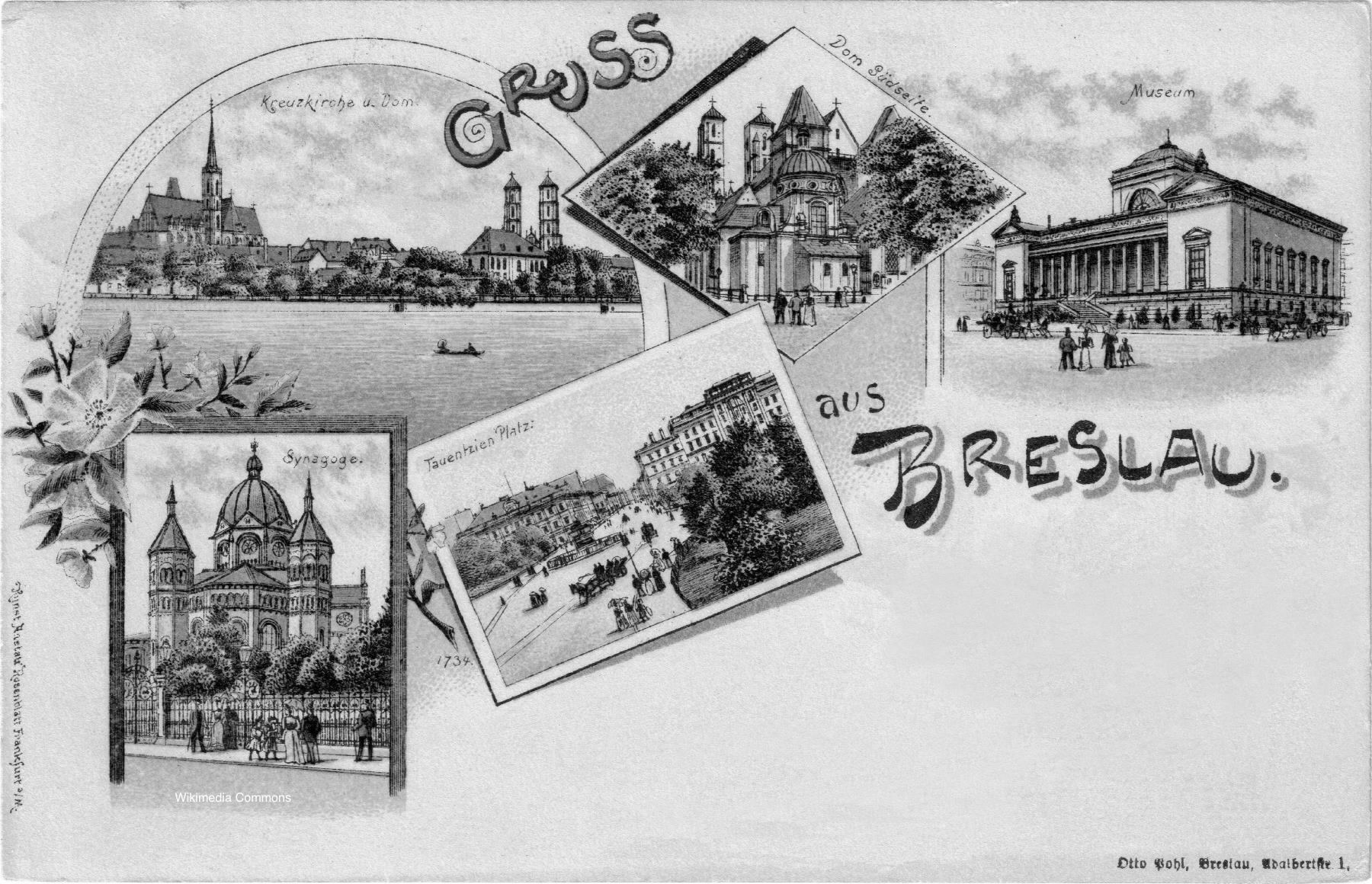
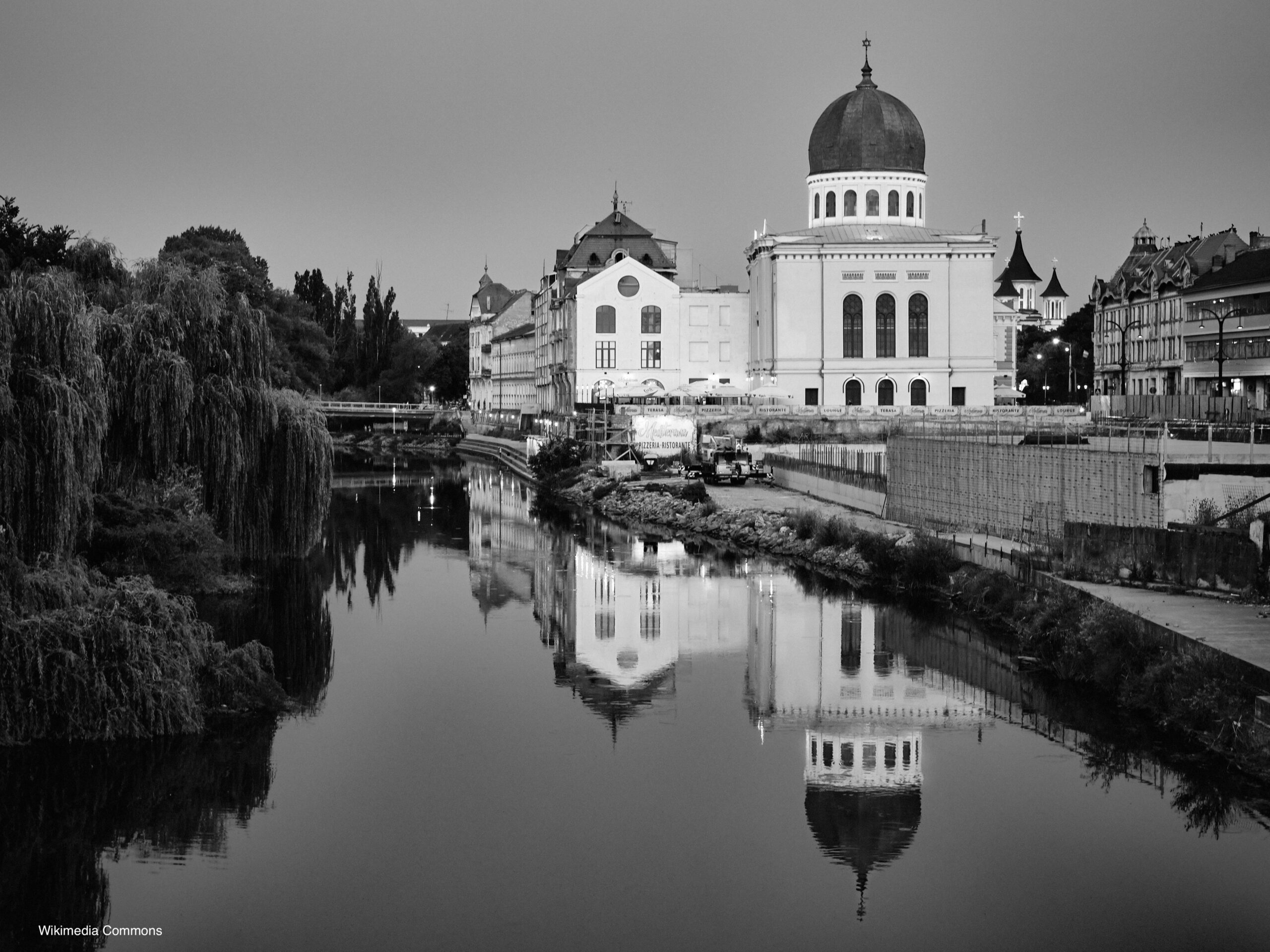
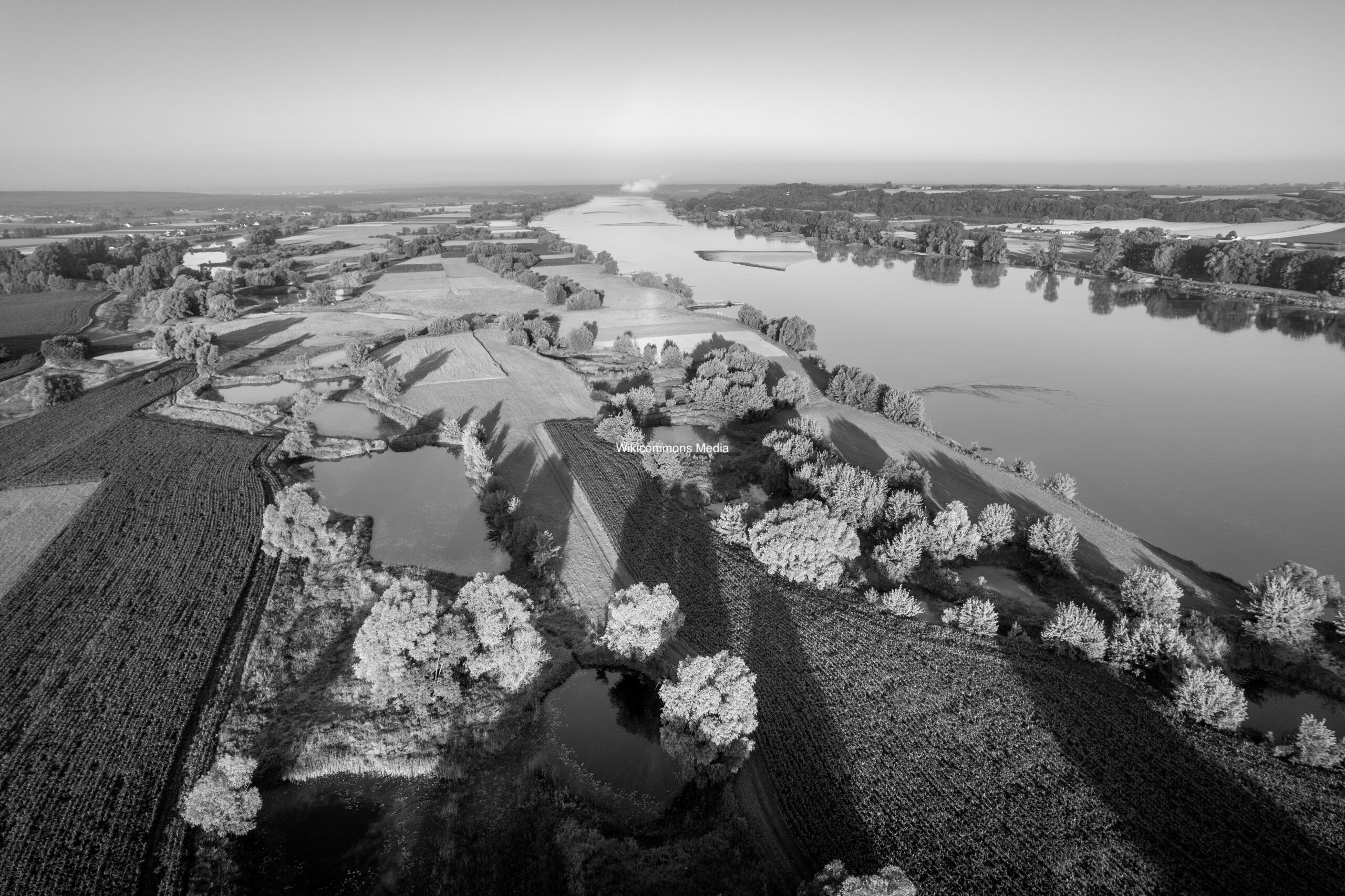
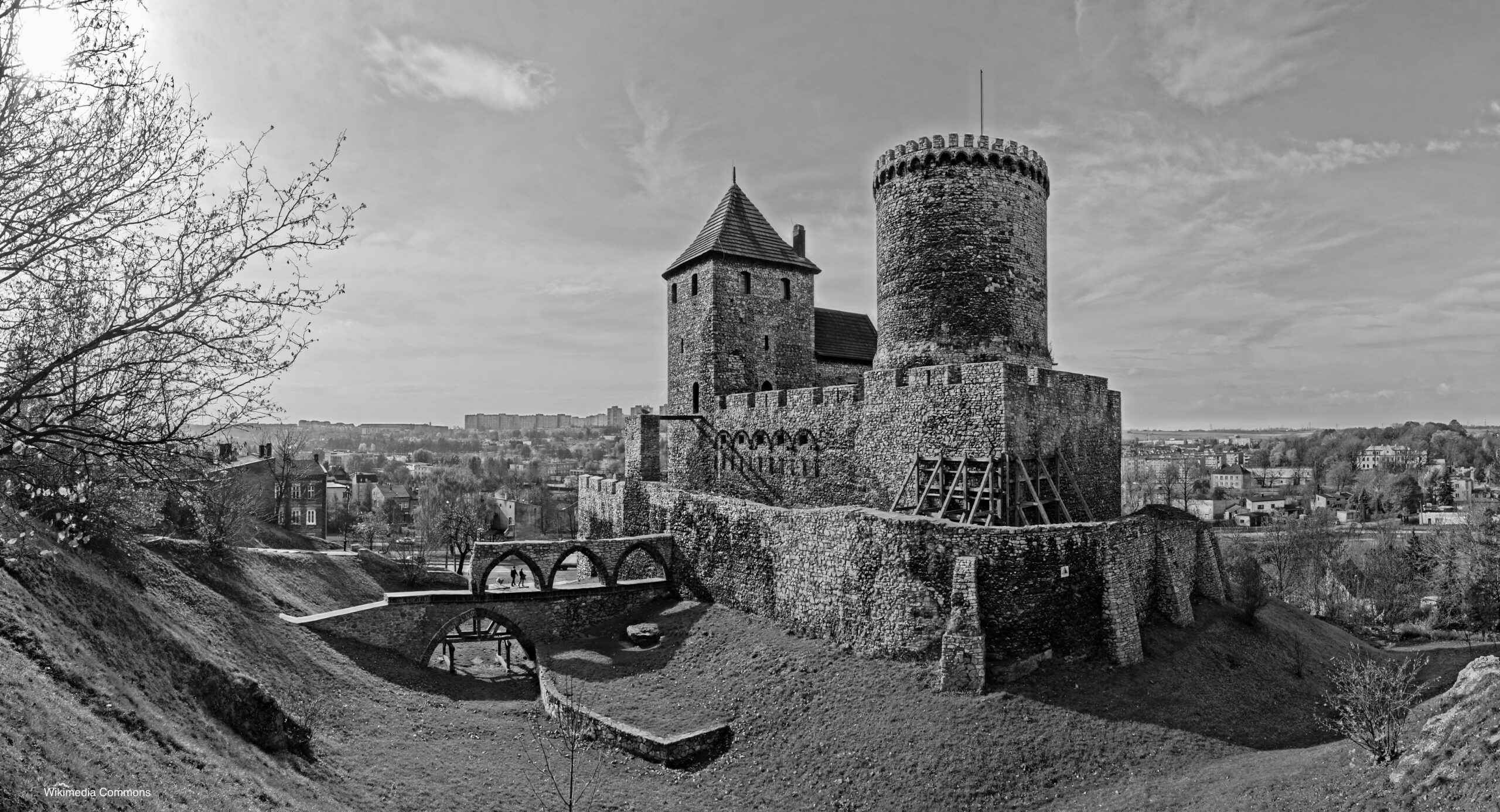
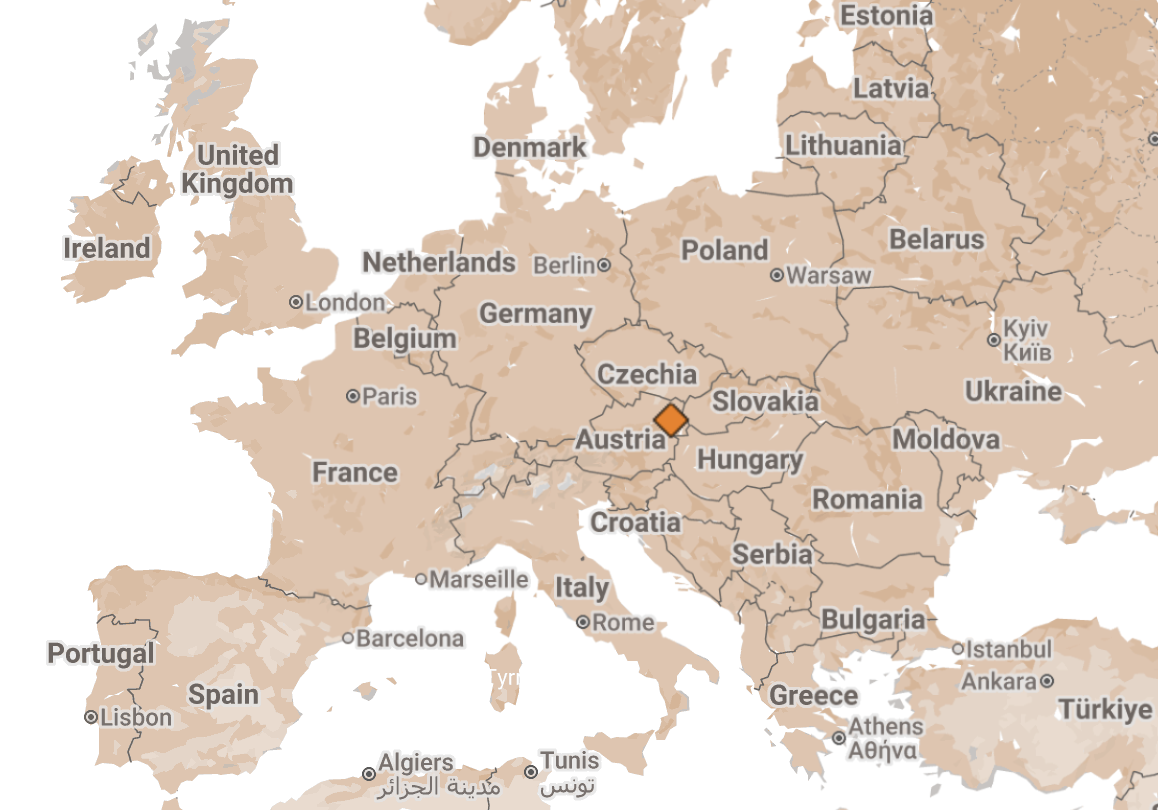
Jews have lived in Austria since the 3rd century. Jewish life there has always centred around Vienna, its capital. In 1938, the Jewish population of Austria was approximately 192,000, spme 4% of its population. Most lived in Vienna, where they made up 10% of the city’s inhabitants.
Background
1421: Vienna’s entire Jewish population was burned to death, forcibly baptised or expelled. After that there was no Jewish life in Vienna for 150 years. The Jews were expelled again in 1669.
1782: The Edict of Tolerance, part of a series of reforms by Emperor Joseph II, extended religious freedom to Jews across the Hapsburg lands.
1848: Jews played an important part in the leadership of the revolution of 1848, which resulted in the gradual granting of equal rights to Jews. In 1852 permission was granted for the establishment of a Jewish community in Vienna.
Rising Antisemitism: Austrian Jews put their trust in the empire’s modernising culture. However not all of this was positive. Freedom of the press meant antisemitic publications had a wide readership.
Before World War I, antisemitism was rife, particularly in Vienna, where Adolf Hitler was then living. In the early 20th century, there was an influx of Jews from poor Galicia and Slovakia to Vienna and they soon they made up 80% of its Jewish community. They were less assimilated than Austrian Jews and were regarded with suspicion by the general population.
Interwar years
Treaty of Saint Germain: The post-World War I settlement deprived Austria of much of its territory and forbade a union with Germany. It also left 4m Austrian Germans outside the borders of the new state. As a result, a similar ‘stab-in-the-back’ myth that the country had been betrayed by Jews and communists developed just as it had in Germany.
Economic Instability: Economic instability also made many Austrians believe that their future lay in a union with Germany. Jews were accused of stockpiling and price hikes.
Nazi Interference: Hitler meddled in Austrian politics, supporting the Austrian Nazi Party as he hoped to destabilise the country. When it was outlawed, many of its activists fled to Germany, among them many of those who would number amongst the chief perpetrators of the Holocaust.
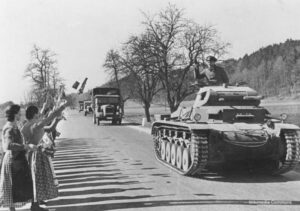
15 March 1938: After the Anschluss, the annexation of Austria to the Reich, Jewish shops and apartments were ransacked and their property stolen. Jews were even forced to clean the pavements on their hands and knees.
At this point Nazi policy was focused on forcing the Jews out of the Reich, and Adolf Eichmann was given the job of ridding Austria of its Jewish population. The Kristallnacht pogroms of 9-10 November 1938 which occurred across the Reich were especially vicious.
World War II
Nisko Plan: Between October 1939 and April 1940, some 1,600 Jewish men were sent to the Nisko concentration camp near Lublin in Poland. The Nisko Plan was a failure and abandoned.
October 1941: A decision was made to deport the Jews from the Old Reich territories. It was a tipping point that propelled mass murder into genocide. Viennese Jews were deported to Theresienstadt, Auschwitz and ghettos in the east, notably Minsk, Riga and Łódź.
The overwhelming majority in the Minsk and Riga ghettos were shot.
November 1942: Vienna’s Jewish community was officially dissolved.
Aftermath
After World War II thousands of Jews fleeing continuing antisemitism in Poland and the Soviet Union arrived in Austria, which was dotted with displaced persons camps.
Many of the survivors left for the Palestine Mandate or the Americas.
In 1945, Austria, like Germany, was divided into four Allied-occupied zones, each with its own military administration.
The advent of the Cold War meant that the Allies’ interest in prosecuting Nazi war criminals quickly faded. Former perpetrators were reintegrated into Austrian society.
Memorialisation: Good to Know
After World War II, Austrians chose to believe that they were the ‘first victim’ of the Nazis despite the fact that the Anschluss of 1938 was welcomed by most of them.
In the mid-1980s the revelations of the Nazi wartime activities of Kurt Waldheim, Austria’s president from 1986 to 1992, sparked a national debate on the country’s role in the Holocaust. In a 1991 speech before the Austrian parliament and one in before the Israeli Knesset Chancellor Franz Vranitzky finally acknowledged the shared responsibility borne by Austrians for Nazi crimes.
Despite the enormous efforts made by recent Austrian governments to commemorate the Holocaust and tackle antisemitism, research conducted in 2023 on behalf of the Austrian parliament, showed that antisemitism was on the rise with almost 60% of Austrians having witnessed antisemitic language or behaviour in 2022.
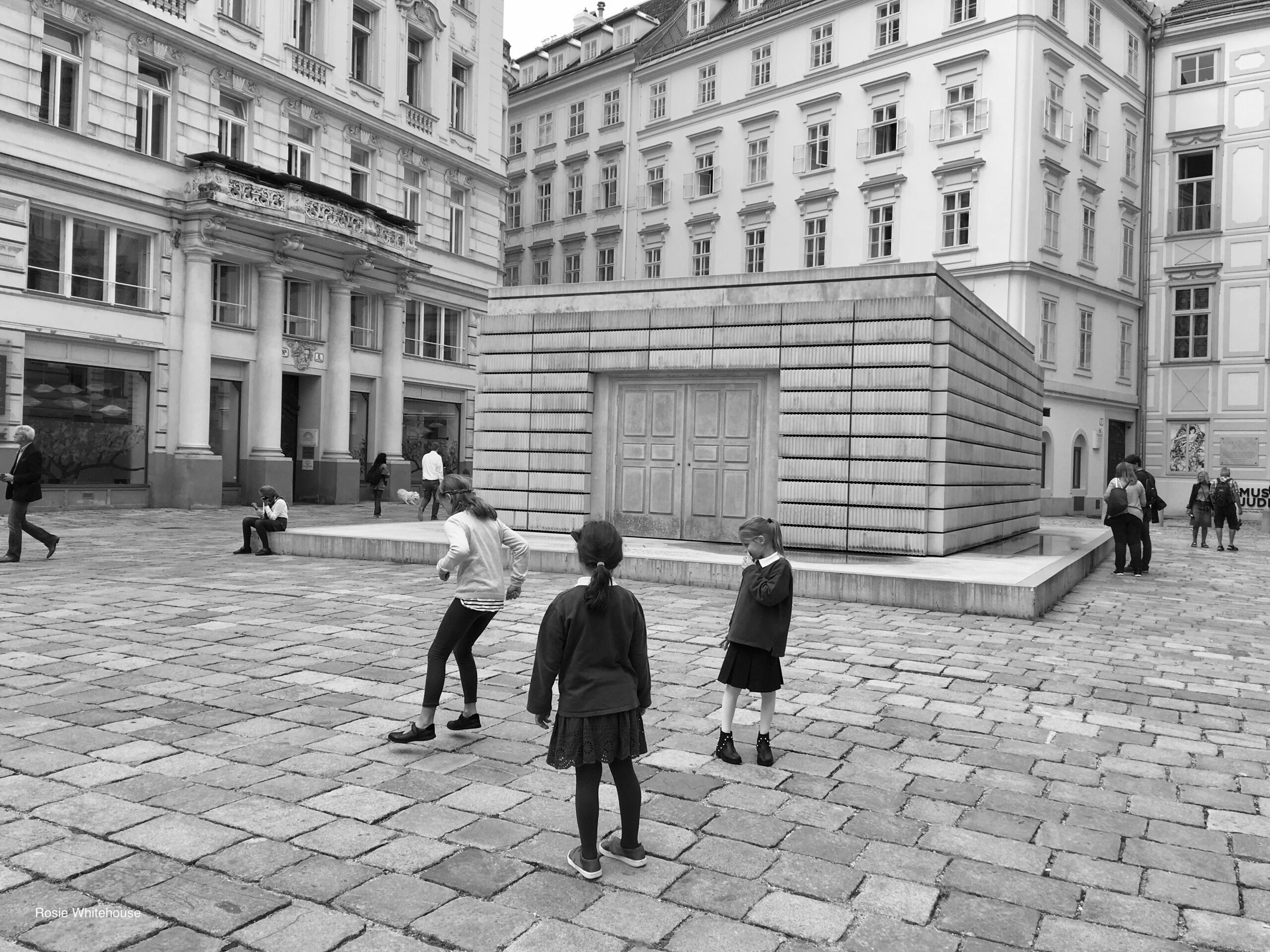
There is a Holocaust memorial in Vienna, but the country does not have a Holocaust museum.
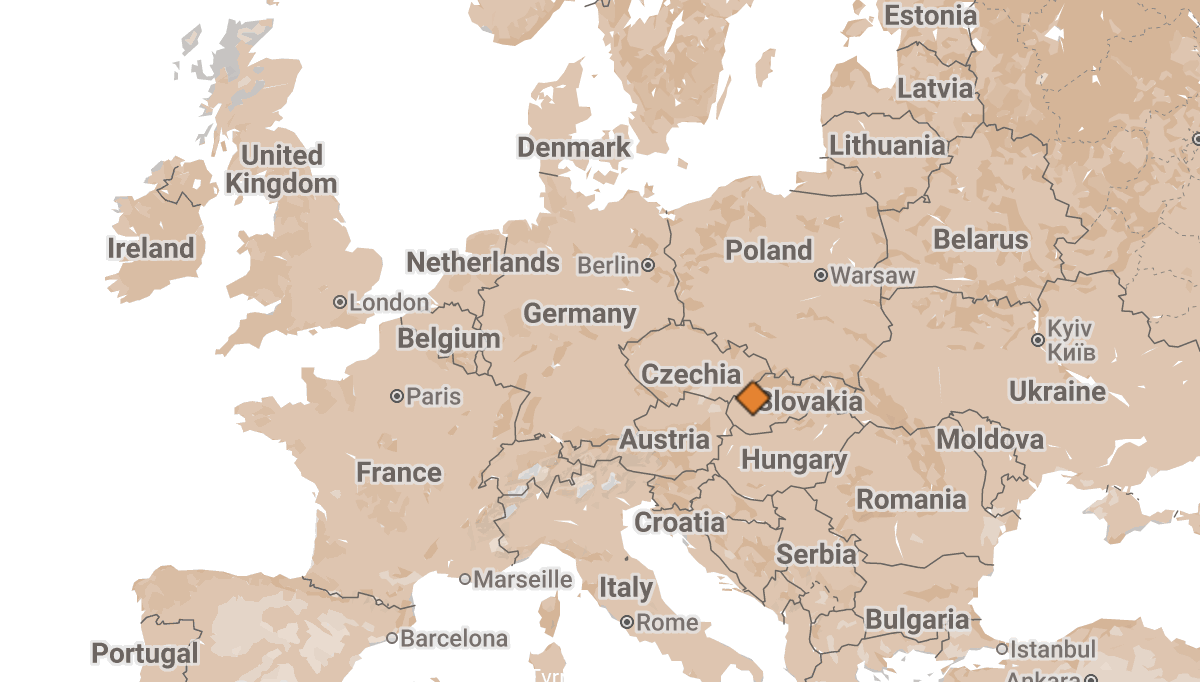
Until the end of World War I, Czechia and Slovakia were both part of the Austro-Hungarian Empire. In the interwar period modern day Czechia and Slovakia, in the heart of central Europe, were part of the state of Czechoslovakia. The state also included a province known as Transcarpathia, which is now part of Ukraine.
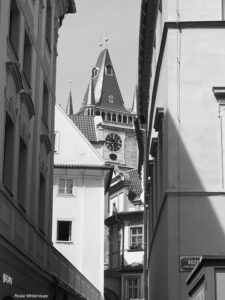
Background
Jews first settled the region in the 10th century.
In Bohemia and Moravia most Jews spoke German as well as Czech. They were highly assimilated, and Bohemia had the highest rate of mixed marriage in Europe.
By contrast, in Slovakia, Jews were Orthodox and spoke primarily Hungarian. Before World War I, Slovak nationalists associated them with Hungarian control and in the interwar period with the new Czechoslovak state.
Interwar years
Czechoslovakia was a stable, liberal democracy in which Jews were recognised as a distinct ethnicity in the census and a Czech-Jewish identity began to emerge.
1918-1920: Anti-Jewish riots broke out across the country during the Paris Peace conference. Nationalists attacked Jewish communities they regarded as pro-Austrian or pro-Hungarian.
1930s: Antisemitic riots broke out again in Slovakia encouraged by the Slovak People’s Party. Jewish boxers and wrestlers took to the streets to defend their communities, a move that prompted the wrestler Imi Lichtenfeld (1910–98) to set up the Krav Maga movement, a form of simple martial arts, so Jews could defend themselves.
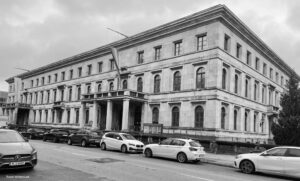
1938: Hitler demanded that the Sudetenland, the mountainous borderland region that marked a natural border between Czechoslovakia and Germany, was given to the Reich. Not only was the area home to 3m ethnic Germans, but Hitler wanted to get his hands on the region’s industry to boost the Germany economy in preparation for war.
At the Munich Conference in September Britain and France, wanting to avoid war, allowed Germany to annex the Sudetenland.
In the aftermath of the Munich Pact, territories Hungary had lost in the 1920 Treaty of Trianon in southern Slovakia and southern Transcarpathia were ceded to Hungary, and a small portion of territory in Slovakia was also given to Poland.
March 1939: Germany invaded Czechoslovakia. The remaining part of current day Czechia became the Protectorate of Bohemia and Moravia. German anti-Jewish laws were applied. At the same time, Transcarpathia was occupied by Hungary. Slovakia became an independent state under the leadership of Jozef Tiso (1887–1947), a Catholic priest and Slovakian politician. Significantly, Slovak state propaganda blamed the Jews for the territorial losses.
World War II
Protectorate of Bohemia and Moravia
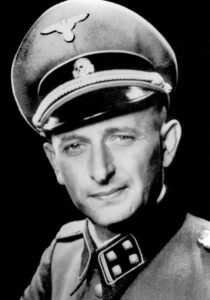
June 1939: Adolf Eichmann arrived in Prague to create a Czech Zentralstelle für jüdische Auswanderung (Central Agency for Emigration), similar to the one he had already set up in Vienna.
More than 26,000 Jews left the Protectorate before emigration was banned in 1941.
October 1941: Czech Jews were deported to the Theresienstadt Ghetto.
Slovakia
1940: Slovakia joined the Axis powers.
September 1941: A ‘Jewish Code’ similar to the Nuremberg Laws was proclaimed and the country became the first Axis partner to agree to the deportation of its Jews, for which it was paid.
1942: The Hlinka Guard (the paramilitary wing of the Slovak People’s Party), alongside Slovak police and military personnel, concentrated 58,000 Jews in labour camps. They then transported them to the border with the General Government in occupied Poland, where they handed them over to the SS. The vast majority were murdered in Auschwitz, Majdanek and Sobibór.
April 1944: Alfred Wetzler and Walter Rosenberg escaped from Auschwitz and informed the Jewish authorities in Slovakia of the mass extermination at the camp. The deportations were then suspended. Some 6,000 Slovak Jews fled to Hungary.
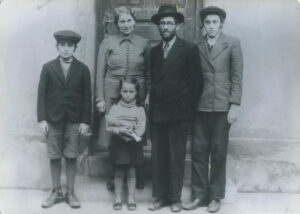
August 1944: Germany invaded Slovakia. The Slovak National Uprising against the invading forces broke out and the counter-measures taken by the Germans devastated the country. A further 12,600 Jews were deported to Auschwitz and Theresienstadt. Thousands of Jews remained in hiding when the Red Army occupied Slovakia in April 1945.
Aftermath
After World War II the two countries were reunited in the new state of Czechoslovakia.
Post-war Czechoslovakia was, however, a far more nationalistic place which expelled its entire ethnic German population, as well as tens of thousands of Hungarians.
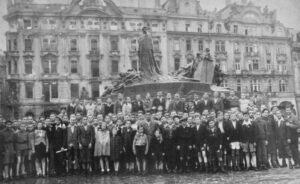
Jews who had identified as such in the 1930 census experienced discrimination. Antisemitism was rife and at least 36 Jewish survivors were killed and more than 100 seriously injured between 1945 and 1948. The most significant riots took place in 1945 in Topol’čany and Kolbasov. There were also riots in Bratislava in 1946.
After the Soviet annexation of Transcarpathia, most of the surviving Jews fled to western parts of Czechoslovakia. Yiddish speaking, and far more religious than their Bohemian and Moravian counterparts, they were greeted with hostility. Many Jews tried to leave the country. This is the reason that the majority of the Boys in the Third, Fourth and Fifth Groups were from pre-war Czechoslovakia.
Czechoslovakia came under Communist control in 1948. After the Velvet Revolution in 1989, the two states parted ways in 1993.
Memorialisation: Good to Know
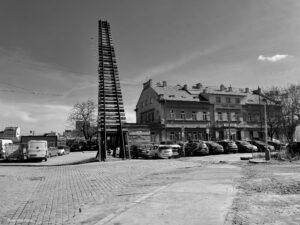
As in other communist countries there was little discussion of the Holocaust until after the collapse of the Berlin Wall in 1989.
The Czech Republic has a good track record of remembering the Holocaust but Slovakia has faced issues coming to terms with its past as an ally of Nazi Germany.
The far-right Our Slovakia party claims Tiso’s regime was the first independent Slovak state and should be celebrated. The Church has also refused to censure Tiso.
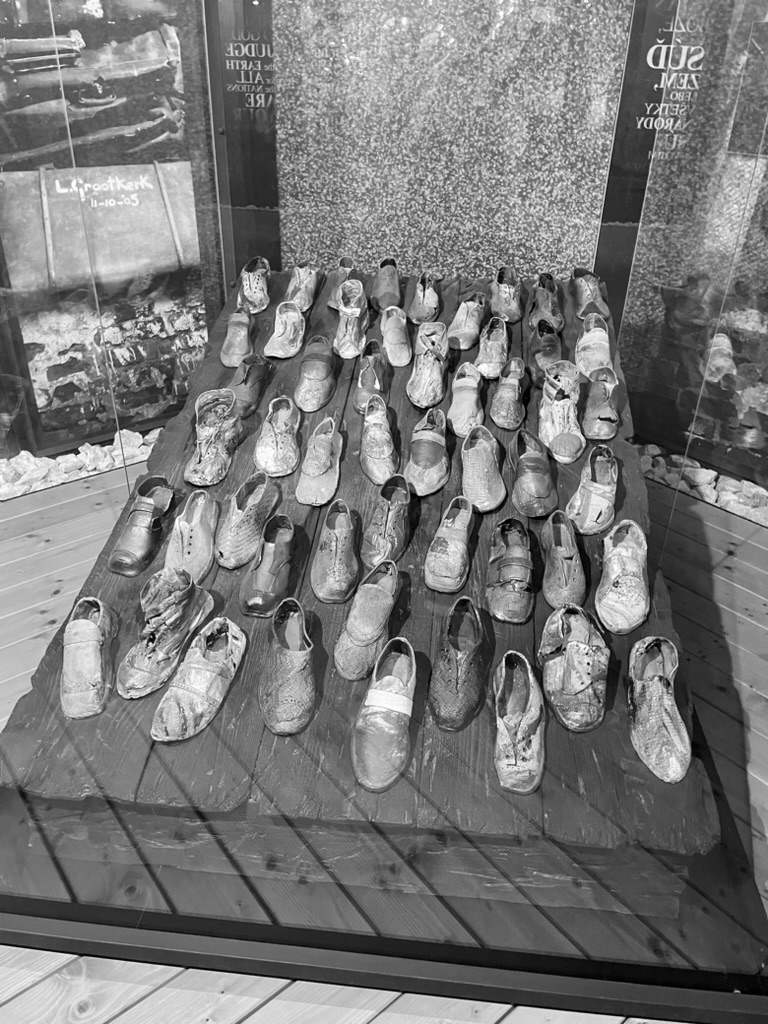
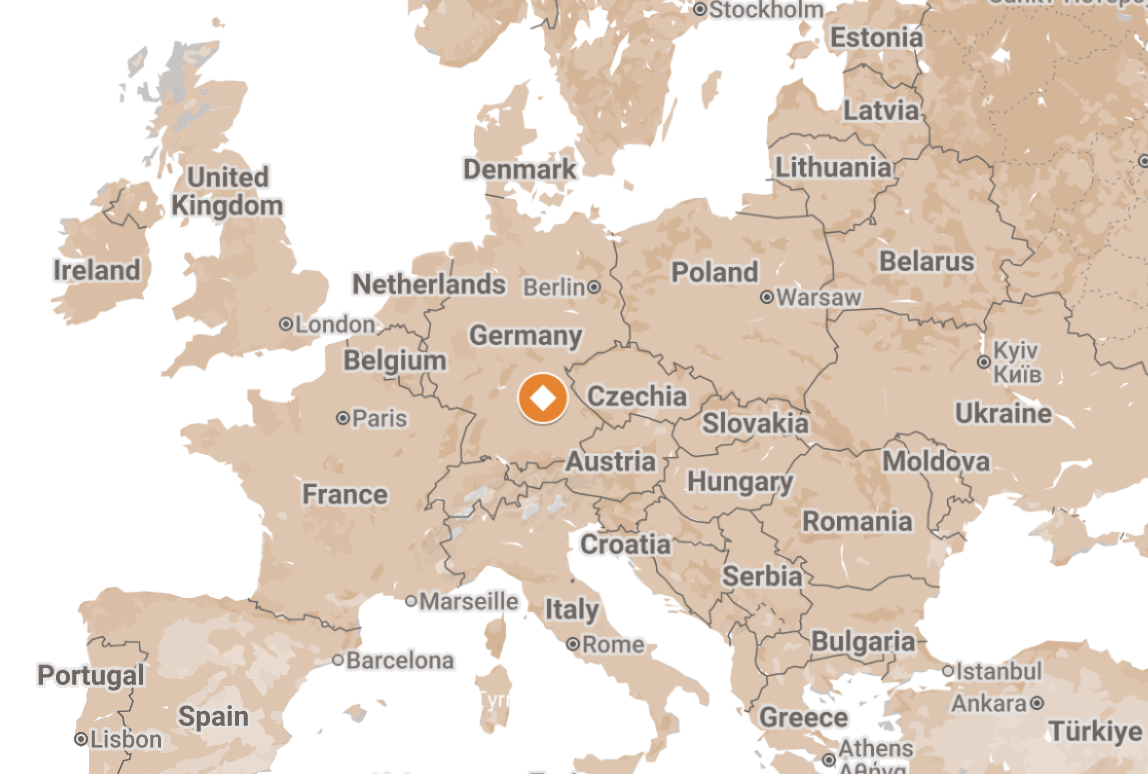
Jews have lived in the area that is now Germany since Roman times, and in the Middle Ages Mainz and Worms were important centres of Talmudic study. In modern times the German Jewish community was one of the most well integrated in Europe and Jews excelled in science, literature and the arts, accounting for 24% of the country’s Nobel prize winners.
Late 19th century
1871: Jews were emancipated when the German state was founded; but almost immediately, their position was undermined by the depression of the 1870s.
1890s: Antisemitic parties were represented in the Reichstag. A racial antisemitism was on the rise that saw Jews as alien to a distinctive German Christian culture.
World War I
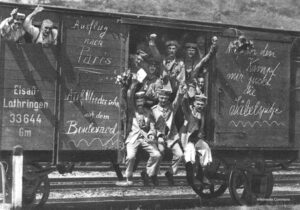
Most German Jews supported the country’s entry into World War I but after almost 600,000 German soldiers were killed in the Battle of the Somme in 1916, antisemites in the army and the Reichstag blamed Jews for the defeat and singled them out as shirkers.
October 1916: A census of Jewish soldiers was ordered to assess their commitment to defending the Fatherland. The dead and wounded as well as the living were counted. Although the War Ministry failed to uncover any evidence that Jewish soldiers had evaded the frontline, the findings were never made public.
1918: The German Empire collapsed. The defeat plunged Germany into social chaos and economic ruin. Jewish veterans faced accusations of cowardice and dereliction of duty and a myth rapidly gained ground that Germany had been ‘stabbed in the back’ by a conspiracy of socialists and Jews.
Interwar years
1918: The Spartacists, a radical group of communists, called a general strike. Several of their leaders such as Rosa Luxemburg, were Jewish. In Bavaria, a left-wing government led by the Jewish journalist Kurt Eisner seized power.
1919–23: Germany had become a republic, but many Germans accused Jews of undermining the monarchy and empire. Hugo Preuss, one of the group who drew up the Weimar constitution, was Jewish.
There was deep resentment over the severity of the Treaty of Versailles, in which Germany lost territory and was forced to pay reparations that undermined the German economy further.
Germans felt victimised and antisemitic groups moved from the margins to the mainstream.
The period was one of economic and political turmoil which culminated in hyperinflation in 1923. It was the perfect breeding ground for radical right-wing antisemitic groups. Jewish politicians were assassinated and food riots in Berlin turned into a pogrom when Jewish shops were looted.
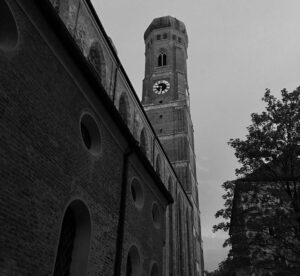
Munich Putsch: In 1919, former soldier Adolf Hitler joined the tiny and unimportant German Workers’ Party (later to become the National Socialist Party) and became their leader. After trying to seize power in a coup d’etat in 1923, Hitler was imprisoned. During his time in Landsberg Prison, he began to write Mein Kampf, in which he set out his racial theories and plans for global domination. After his release in April 1924, the party tried to gain popularity by legal means. The party was elected to the Reichstag but made little gains against the backdrop of economic stability in the country at that time.
Wall Street Crash 1929: After the crash, the Nazis received 18.3% of the vote in the 1930 elections. In July 1932 they became the largest party in the Reichstag.
1933–45
30 January 1933: Hitler became Chancellor. Within months the country became a one-party state.
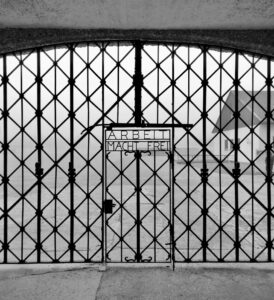
March 1933: Dachau concentration camp was opened to hold anyone considered an enemy of the state, among them communists, socialists and liberals.
Anti-Jewish policy: Persecution of the Jews began immediately. Policy was designed to exclude Jews from society to avoid a second alleged ‘stab in the back’. Alongside the drive to make Germany the dominant power in Europe Jews were stripped of their citizenship and property in a series of racial laws.
1938: The Anschluss of Austria saw a spike in antisemitism. It was followed by a radicalisation of Nazi Jewish policy as Jews were expelled from Austria’s Burgenland, as were Polish Jews living in the Reich. On 7 November 1938, a Polish immigrant in France, Herschel Grynszpan, whose parents were among the Polish Jews who had been expelled, shot an official at the German Embassy in Paris.
The assassination prompted an orgy of orchestrated violence against Jews across the Reich. Synagogues burned, Jewish shops were looted, and Jews killed. Thousands of Jewish men were imprisoned in concentration camps. After the Kristallnacht pogroms, 10,000 children were brought to the UK on the Kindertransport scheme.
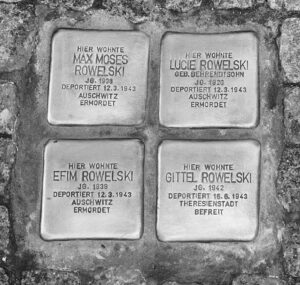
Deportation: There were no ghettos in Germany. Jews from the Reich began to be deported in late 1941. There was widespread indifference and apathy amongst the general population with regard to Nazi Jewish policy.
1945: Germany was devastated by the war and overrun with refugees. For most Germans the refugees who mattered were ethnic Germans expelled or fleeing from eastern Europe and from parts of the east of the country now given to postwar Poland.
Aftermath
Germany Divided: Germany was occupied and split into four zones of Allied occupation. The northeast was controlled by the Soviet Union, the southeast by the Americans, the northwest by Britain and the southwest by France. Thousands of survivors, among them members of the Boys, found themselves in displaced persons camps in Germany.
1949: Germany was formally divided into two states: the Federal Republic of Germany (FRG), made up of the three Western occupation zones, and the communist German Democratic Republic (GDR) in the east.
1990: The country was reunited after the fall of the Berlin Wall the previous year.
Memorialisation: Good to Know
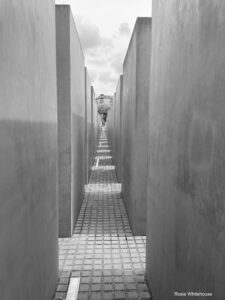
At first, in both East and West Germany, there was an emphasis on collective German suffering which was not conducive to recognising the fate of the Jews, about which there was a general amnesia.
Each of the two new German states drew on different historical narratives. In West Germany, Nazism was portrayed as an alien idea that had been imposed on the German people. In East Germany, fascism was blamed on capitalism and the emphasis was on both communist resistance and Soviet liberation. No differentiation was made between victims of the Nazis.
Denazification was difficult and complex, and never fully completed. The first West German Chancellor, Konrad Adenauer, who came to power in 1949, was opposed to the process of denazification and opted for a strategy of integration in order to move forward. The developing Cold War meant that Britain and America saw West Germany as a useful ally against the Soviet Union, and therefore the former Nazis who returned to their positions in society were viewed as less of a threat than communists. On top of this, even the process of establishing who had been a Nazi was challenging and often relied on citizens providing information about themselves.
In West Germany, acceptance of its perpetrator role was driven by the need for international acceptance and an agreement was reached with Israel to pay survivors reparations. West Germany officially apologised to Israel for the Holocaust in 1952. In response, East Germany adopted an anti-Zionist stance, allied itself with Arab states and arrested citizens who were suspected of sympathetic leanings towards ‘cosmopolitan’, ie: American and Jewish, influences. Antisemitic stereotypes soon re-emerged there.
Change came slowly. The publication of Anne Frank’s diary in 1955, the trial of Adolf Eichmann in Jerusalem in 1961 and that of 22 former Auschwitz personnel in Frankfurt in 1963–65 prompted young Germans to ask questions.
Since reunification, the state’s recognition of its responsibility has been unwavering. There is even a word for it, Vergangenheitsbewältigung, which means ‘struggle to overcome the past’. Not that this acceptance of guilt is without issues: Included in the reactionary populism of the Alternative for Germany party (AfD) is the claim that the Holocaust is over-remembered.
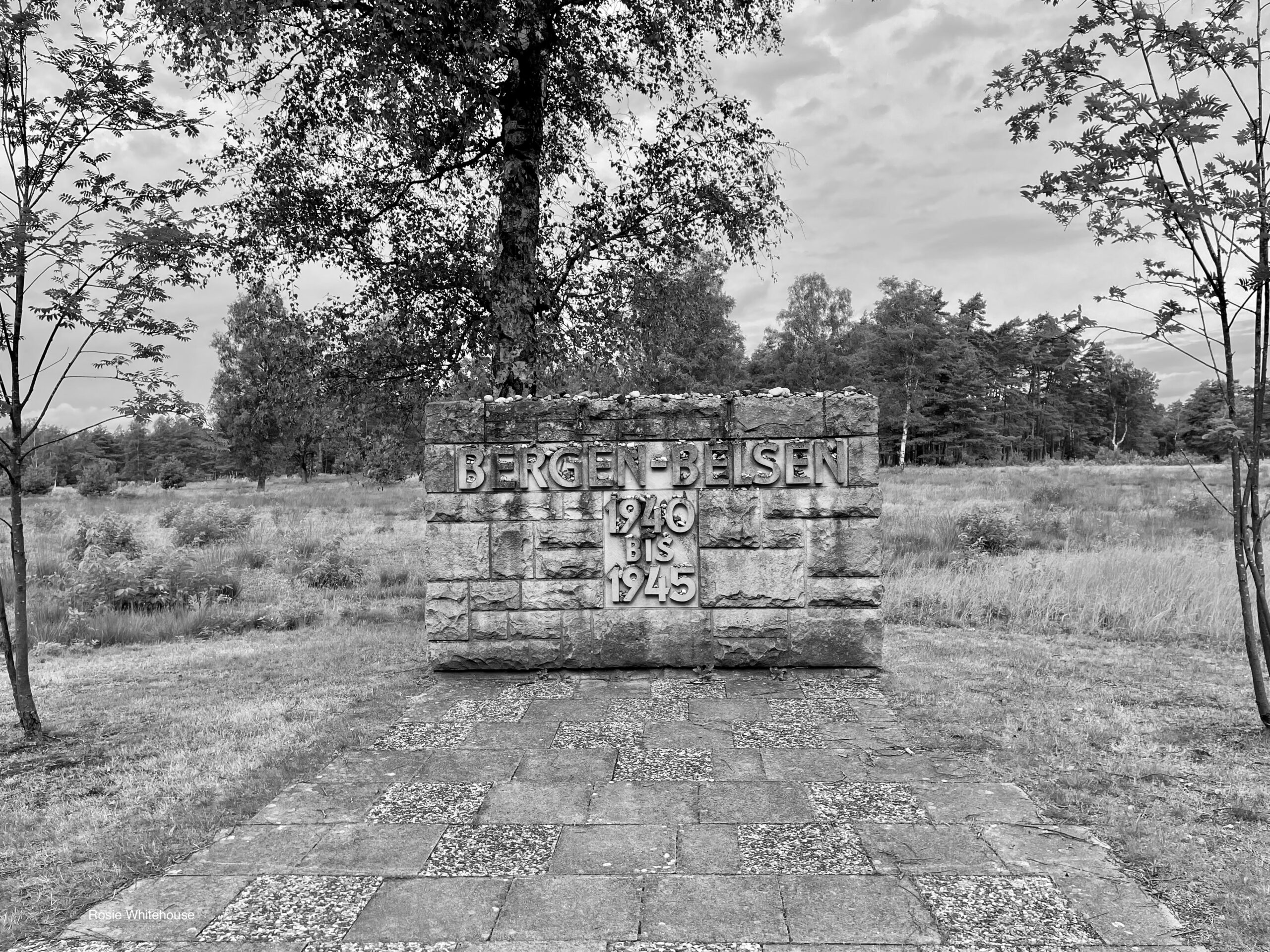
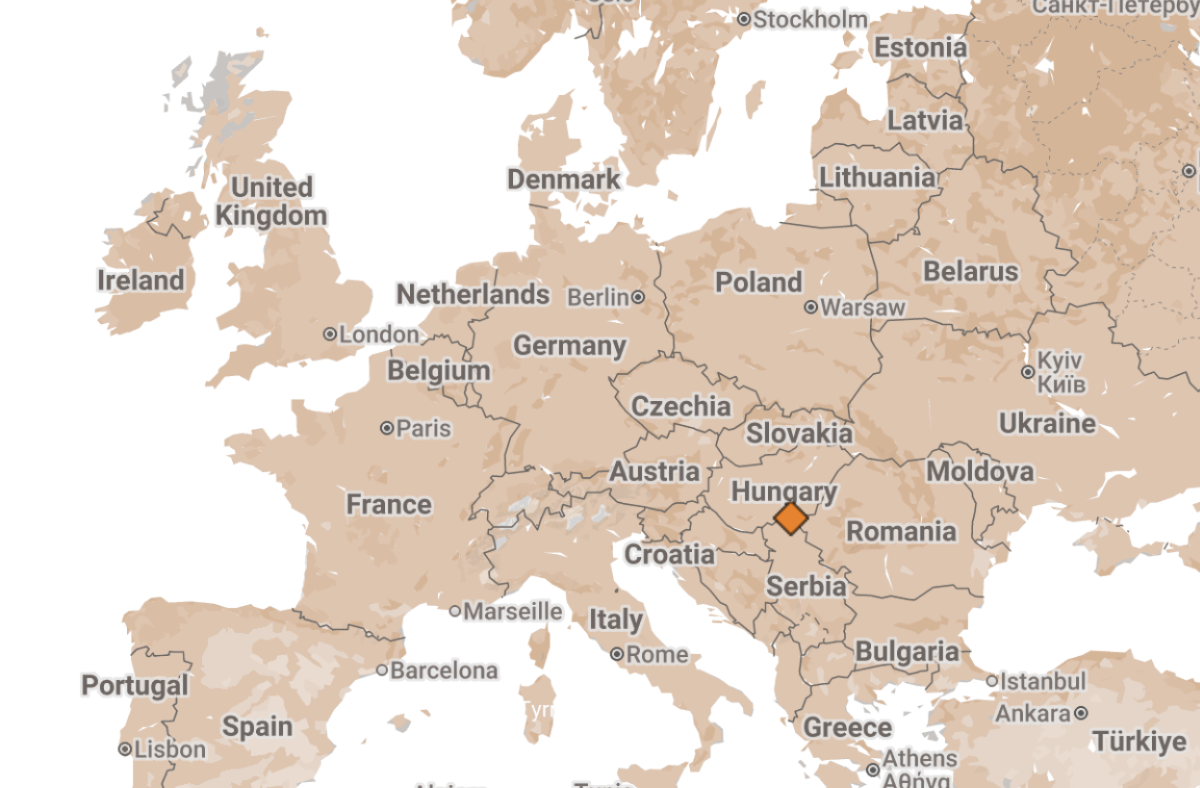
Background
Hungary’s Jewish population played a significant part in the development of the country’s political, cultural and economic life after emancipation in 1867.
The Jewish community was integrated into Hungarian society. In the early 20th century, there was widespread resentment of the level of success Jews had achieved; 60% of Hungarian doctors, for example, were Jewish. In areas of the Kingdom of Hungary where Hungarians were not in the majority, Jews were associated with Magyarisation.
Interwar years
The 1920 Treaty of Trianon stripped Hungary of two thirds of its territory. A sense of grievance fed a fanatical nationalist movement which soon acquired an authoritarian nature, which in turn fuelled growing antisemitism.
Soon Jews, who had become the largest single minority left in the country, became a scapegoat for the ills that had befallen it.
1919: The communist uprising, which had had many Jewish leaders, also had a serious impact on the way Hungarian Jews were viewed by their countrymen and fostered the Judeo-Bolshevik myth.
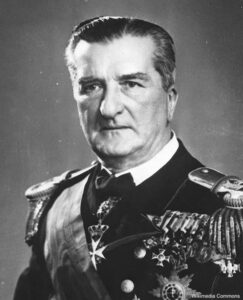
1920: After Hungary tried to reclaim Transylvania and Slovakia, the Romanian army invaded and the Hungarian Soviet Republic was suppressed. The National Army took control of Budapest. The Austro-Hungarian admiral Miklós Horthy, an avowed antisemite, was named regent in 1920. He was personally responsible for anti-Jewish legislation and introduced quotas for Jews at universities, making Hungary the first interwar state to pass such legislation.
Horthy’s desire to overturn the Treaty of Trianon drew him into the orbit of Nazi Germany. The interwar years also saw the emergence of the far-right Arrow Cross Party.
Hungary’s 1938–41 racial laws were modelled on Germany’s Nuremberg Laws. By reversing the equal citizenship laws of 1867, the government excluded the Jewish community from Hungarian society. Jews then found themselves impoverished and marginalised.
March 1939: The German invasion of Bohemia and Moravia sparked the dismemberment of Czechoslovakia. Hungary occupied Transcarpathia and parts of southern Slovakia that Hungary had lost in the Treaty of Trianon.
World War II
August 1940: Transylvania was occupied by Hungary. Lost in the Treaty if Trianon, it was home to 160,000 Jews.
1941: Hungary then took part in the invasion of Yugoslavia, annexing sections of Baraja, Bačka, Medimurje and Prekmurje.
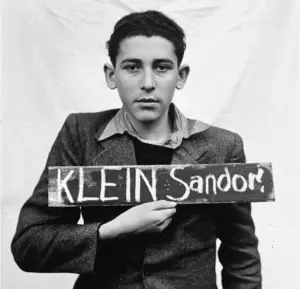
April: 20,000 Jews who could not prove legal residency were deported to modern-day Ukraine, where they were shot by the Einsatzgruppen. This was a serious step in the escalation towards genocide. Nevertheless, Horthy resisted German pressure to deport the country’s Jews.
June: Hungary joined Germany in invading the Soviet Union. Thousands of Jewish men were sent to forced labour battalions attached to the armed forces.
March 1944: After Stalingrad, Horthy began to look for a way out of his alliance with Germany and tried to negotiate a separate armistice with the Allies. It prompted Germany to occupy Hungary.
The Holocaust in Hungary
Adolf Eichmann was despatched to oversee the destruction of the country’s Jewish population. The 1944 deportation of Hungary’s almost 440,000 Jews in just 56 days was the deadliest extermination campaign in the Holocaust. It was extremely well documented by the Germans, and many of the images that we have of the ramp at Auschwitz show the arrival of Hungarian Jews.
7 July 1944: Following a private intervention by Pope Pius XII, Horthy stopped the deportations, saving the Jews of Budapest.
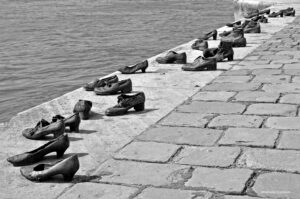
October 1944: Horthy was deposed in a coup staged by the far-right ultranationalist Arrow Cross.
December 1944-January 1945: Approximately 20,000 Jews were shot on the banks of the Danube and two ghettos were set up in the 7th District and the so-called International Ghetto near Szent István Park.
About 100,000 Jews were still alive when the Red Army occupied Budapest. Many of the survivors chose to emigrate to Israel in the early post-war years, and after the failed 1956 revolution.
Memorialisation: Good to Know
The memory the Holocaust in Hungary has been subject to historical distortion since the end of World War II. After the communist takeover in 1949, Jews were not recognised as having suffered uniquely both in the interwar period and during the war itself.
After the fall of the Berlin Wall, some important steps were taken to remember the fate of Hungary’s Jewish community, notably in Budapest.
This continued during the first term of the Viktor Orbán government (1998-2002). Yet in recent years under Orbán’s leadership, Hungary has gained the dubious distinction of rewriting history. It has downplayed the responsibility of the Hungarian government and local officials. Hungarians are presented not as allies of the Germans but victims of a Nazi occupation. There is also a move to equate the Holocaust with the Soviet Gulag. In 2014, the main Jewish community broke from the government over Holocaust revisionism.
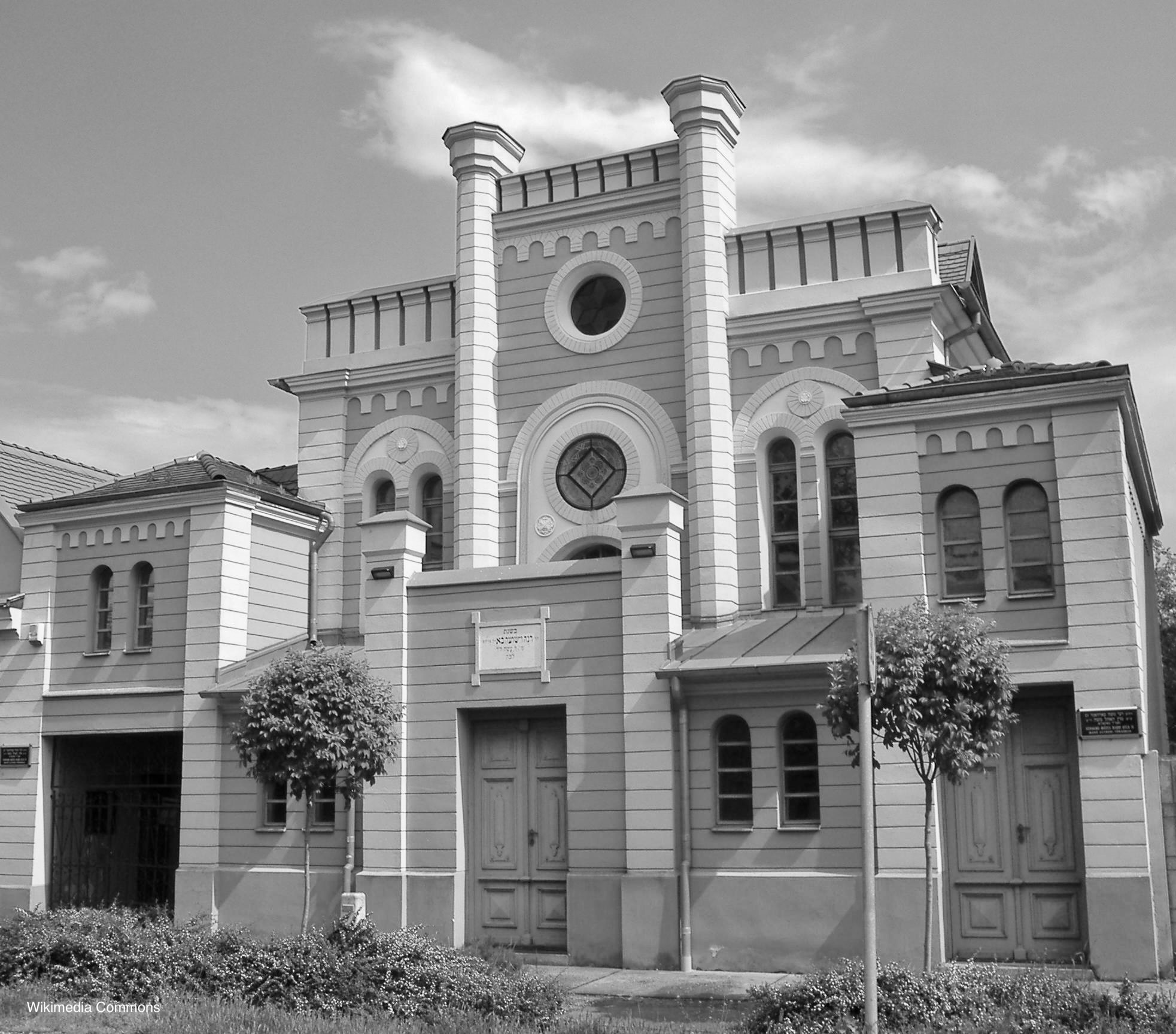
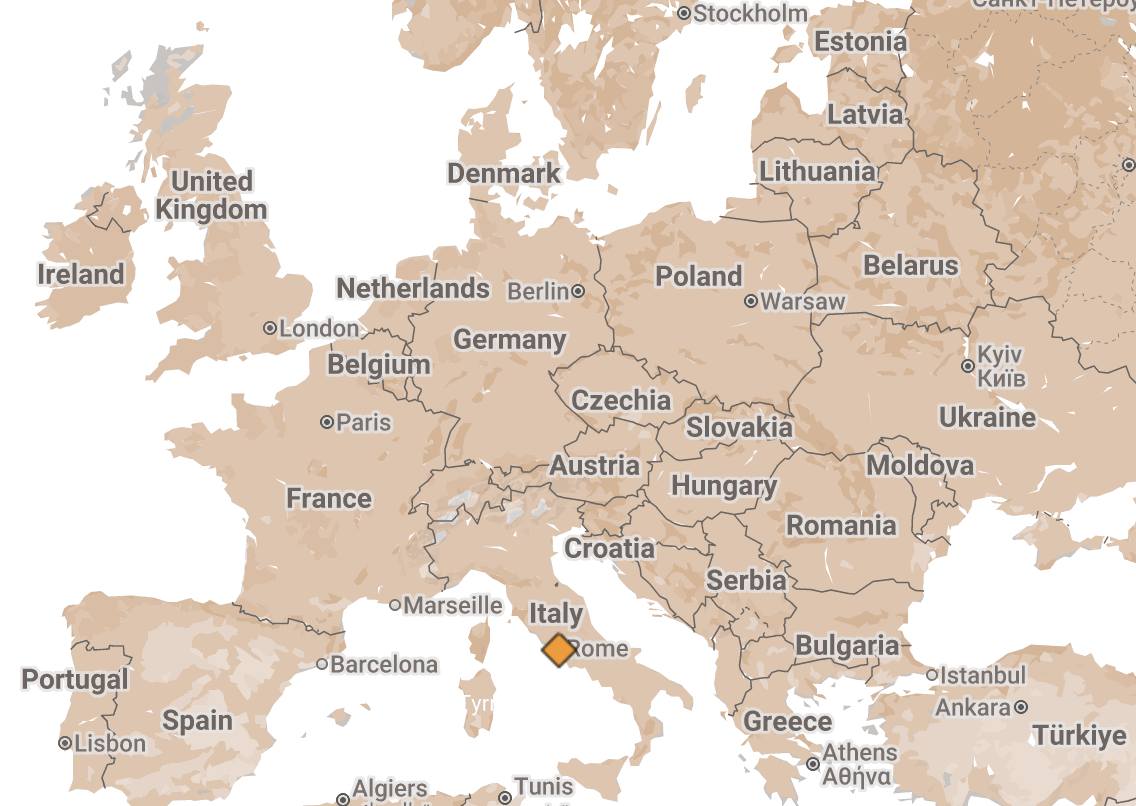
Jews have lived on the Italian peninsula for more than 2,000 years and are one of the oldest communities in the Western diaspora.
Background
Although the Jewish community has always been small in number, Jews have played an important role in Italian society. Italy’s Jewish community was emancipated in 1870, during the Risorgimento (1861–71) when the country was unified into one state.
Interwar Years
Fascism was invented in Italy and became a model emulated by Hitler and other right-wing European governments in the interwar period.
1922: King Victor Emmanuel III appointed Benito Mussolini, the leader of the Italian Fascist Party (Partito Nazionale Fascista), as prime minister. Over the seven years that followed, Mussolini created a one-party dictatorship. Political opposition was suppressed, and many opponents were sent into internal exile. Antisemitism was not as entrenched in Italy as in many other European countries and the Fascist Party had many Jewish members.
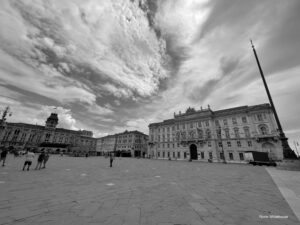
1938 onwards: Italy persecuted its Jewish community under draconian racist antisemitic laws.
Nevertheless, the Delegazione per l’Assistenza degli Emigranti Ebrei (DELASEM) was set up in 1939 to help foreign Jews in Italy to emigrate. Jewish emigration through Italy was encouraged by Mussolini as it was good business for Italian shipping companies. After the German invasion in 1943, DELASEM went underground.
World War II
1939: Italy became an ally of Nazi Germany in 1939. Mussolini wanted to create a new Roman Empire in the Mediterranean. He invaded Albania in 1939 and took part in the German invasion of Greece and Yugoslavia in 1941. Italy was Nazi Germany’s principal ally and carried out anti-Slavic and antisemitic acts, often with extreme violence, in some of the territories it occupied but not in others.
1943: The defeats and failure of the Axis offensive in North Africa undermined the legitimacy of the Fascist regime and after the Allied landings in Sicily in July 1943, the Fascist Grand Council issued a vote of no confidence in Mussolini and negotiated a ceasefire. Mussolini was arrested.
The Germans then invaded Italy. Mussolini was freed by SS paratroopers and became the head of the pro-German Italian Social Republic based in Salo on Lake Garda.
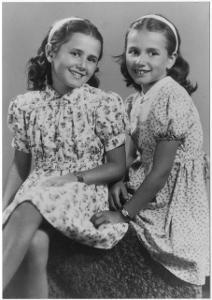
Deportations: There were major Jewish and anti-fascist round-ups. There was a strong anti-fascist resistance movement and tens of thousands of Italians were deported.
The unwillingness of some policemen to assist in the round-up of Jews and the sympathy of the general population meant that only 4,733 Jews were deported to Auschwitz, of whom just 314 survived.
Italy’s Jewish community had the third highest survival rate after Denmark and Bulgaria, with 15–20% of Italian Jews murdered in the Holocaust.
Aftermath
April 1945: Communist partisans captured and murdered Mussolini and his mistress Clara Petacci. The National Liberation Committee (CLN), made up of anti-fascist parties, was set up in Rome in September 1943 and took control of the rest of the country as the Germans retreated. The CLN was to rule Italy until 1946, when Italians voted for a republic in a referendum.
In the post-war period, Italians helped over 70,000 desperate Jewish refugees who arrived in the country. Many former partisans helped more than 25,000 Jewish refugees leave for Palestine in the run-up to 1948, and they also illegally trafficked arms that were used in the battles against Arab forces.
Memorialisation: Good to Know
The memory of the Holocaust has always been present in Italian culture. Italy has produced some of the most powerful Holocaust literature and cinema. Yet despite this, there is a tendency, not just in Italy, to see Mussolini as a benign dictator, who did many good things but made one fatal mistake in allying with Nazi Germany.
The fact that the deportations began only after the German invasion in 1943 allowed a story that Italians were a brava gente, good people, not capable of holding antisemitic prejudices, to grow in the post-war years. That the Italian government had excluded Jews from society and identified them in registers is often ignored. Although in some places occupied by Italy, the Italians did not hand over the Jews to their German allies, it was not out of benevolence but as part of a game of power politics between the two countries.
The fact that Italy changed sides in the middle of the war has also confused the way the Holocaust in Italy is perceived. Nor were there any trials of Fascist officials akin to the Nuremburg trials to focus public attention on crimes committed by the Italian state. Many Fascist officials continued to work in public office.
As a result, Italy has accepted little responsibility for the persecution of the Jews. Commemoration events tend to focus on German responsibility and highlight Italian resistance and the help given to survivors after the war.
Although there are now plans to build a Holocaust museum in Rome, there is still no documentation centre that addresses the crimes of Fascism.
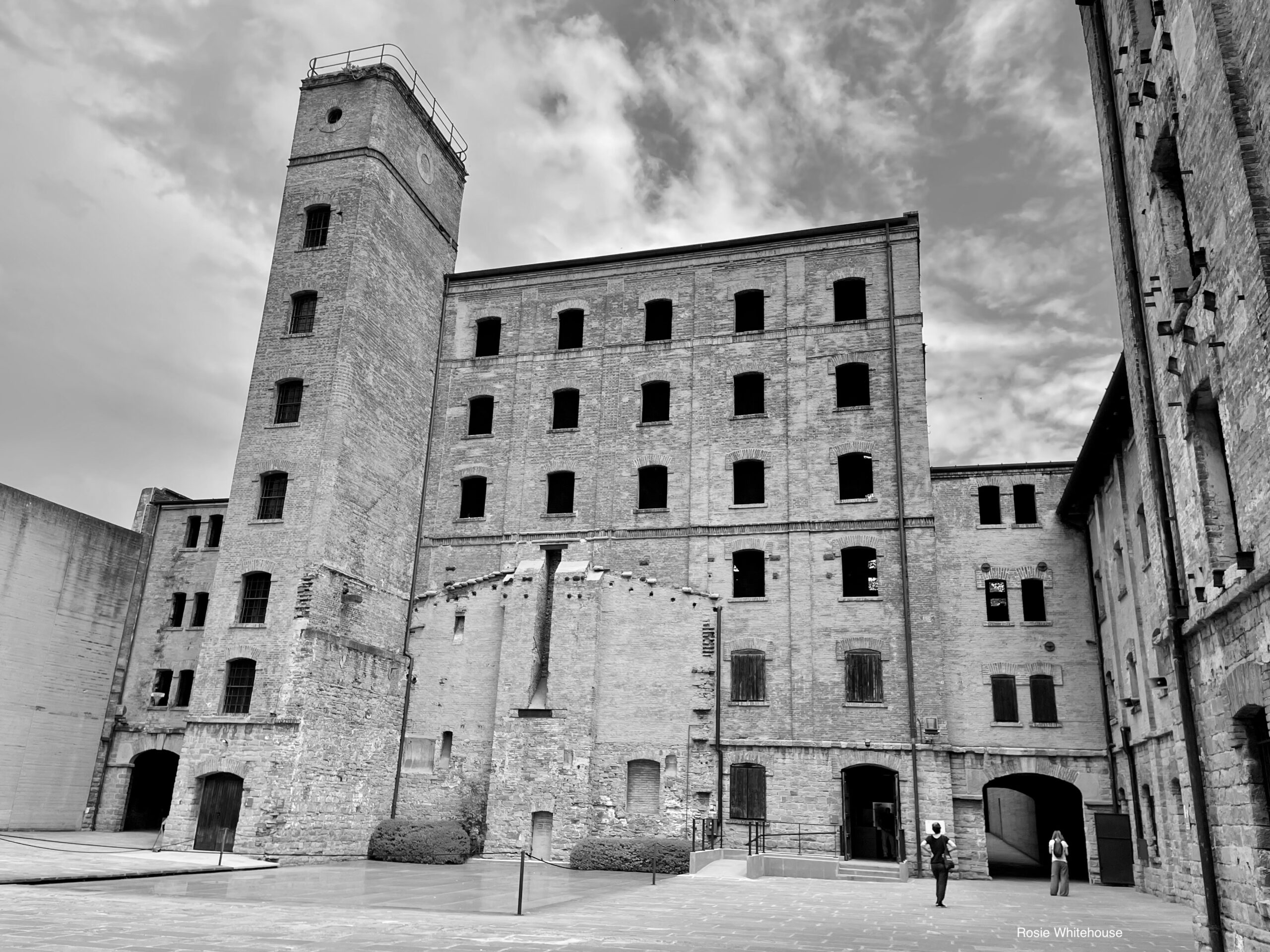
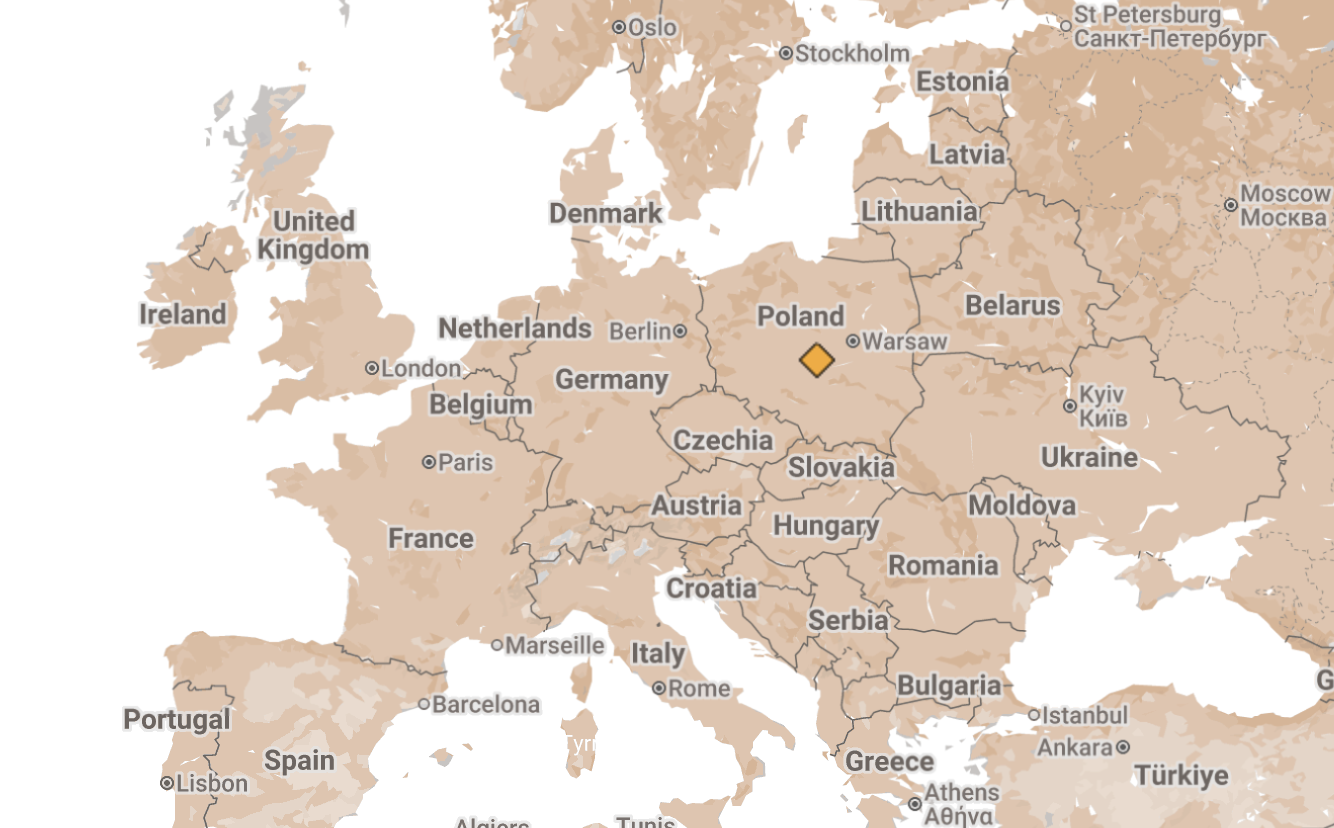
In 1939, Poland was home to the largest Jewish community in the world.
Background
Jews first settled in Poland in the Middle Ages. Polish kings valued their contribution to the economic development of the country and so encouraged further immigration. Jewish culture flourished.
Poland was also the birthplace of Hassidic Judaism, which emerged in the 18th century, as well as a centre of Reform Judaism and the Haskalah, the Jewish Enlightenment.
In the second half of the 18th century, Poland was divided between Austria-Hungary, Prussia and Russia, and ‘disappeared’ from the map. The majority of Polish Jews found themselves in the Russian Empire and the Polish lands annexed by Russia became part of the Pale of Settlement, the area to which the freedom of movement of Jews was restricted. Tsarist antisemitic policies and violence in the late 19th century encouraged mass emigration to western Europe and the Americas.
Interwar years
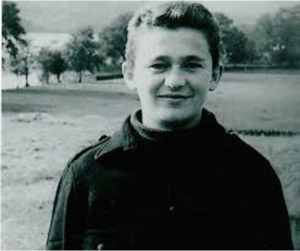
After World War I a new state of Poland was established. It was home to Europe’s largest Jewish community of about 3.5m Jews, who made up almost 10% of the population.
They lived primarily in cities and medium-sized towns. While there was a wealthy elite of businessmen, doctors and lawyers, most Polish Jews were extremely poor. Despite the poverty, Polish Jewry had a rich cultural, political and religious life.
Most Jews attended Polish schools and the middle and upper classes were highly Polonised. Yet, in the 1930s, Polish nationalism took on an antisemitic tone with restrictions on Jewish economic life and access to higher education. There was also widespread violence against Jews, which prompted tens of thousands of Polish Jews to emigrate.
World War II
September 1939: Germany attacked Poland triggering France and Britain to declare war on Germany.
The Germans incorporated part of Polish territory into the Reich and took control of an area known as the General Government, which was administered from Kraków. The Polish government, which did not comply with German rule, went into exile.
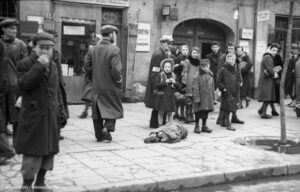
Persecution of the Jews: The Germans immediately burned synagogues across the country and introduced strict regulations that marginalised Jews from Polish society. Jews had to wear white armbands with a blue Star of David. The Nazis enforced curfews, food rations and forced labour. 90% of Poland’s Jewish citizens were forced out of their homes and imprisoned in ghettos where for years they suffered starvation and disease. Ghettos like this did not exist anywhere else.
1941: The genocide began in Poland on 22 June 1941, when Germany invaded the Soviet Union. During the months that followed, some 700,000 Jews living in the newly acquired eastern territory were shot. In the December ‘gas vans’ were used for the first time at the Chełmno extermination camp.
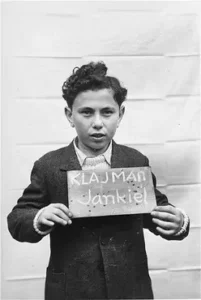
1942–44: Jews from all over Europe were deported by train to occupied Poland and transported to the six death camps operated by the Germans.
During this period about 90% of all Polish Jews were murdered.
The Germans prohibited Poles from assisting Jews. Unlike in some other European countries, the penalty for helping Jews in Poland was death without trial for both the individual and their entire family. Nevertheless, Poland is home to the greatest number of Righteous Among Nations. Individual Poles were, however, also involved in the persecution of Jews.
Jewish resistance: The Jewish youth movements of both the Bund and Zionist groups formed the basis of the underground resistance movement that developed in the ghettos during the German occupation.
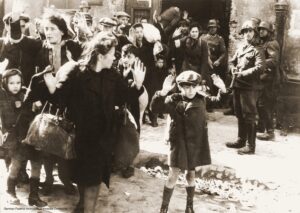
1943 Warsaw Ghetto Uprising: The Uprising confirmed the Germans’ worst fears that the Jews of Europe were a dangerous fifth column.
It led, on grounds of security, to the liquidation of the remaining 54 ghettos and Jewish labour camps on Polish soil.
The uprising inspired resistance and in the months after there were revolts in the Treblinka and Sobibór extermination camps and in ghettos across the country.
Aftermath
Initially, most survivors hoped they could return home and find family members who had survived, or at least some remnants of the lives they had lived before the Holocaust.
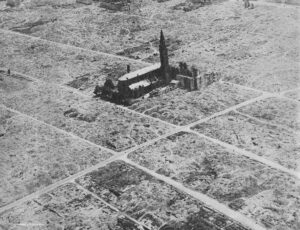
Yet, the stories of the Boys return home is one of Jews being rejected by their neighbours. Many of the Boys found that not only were their neighbours not happy to see that they had survived, but they had no physical home to return to – someone else was living in their house.
The Boys testified that they left Poland because they feared for their lives and were not welcome in the towns and villages where their families had previously lived for generations.
In 1947, Poland became a communist state. Antisemitism sparked waves of emigration in the late 1950s and also after the 1967 Six-Day War, prompted by Israel’s victory over the Soviet-backed Arabs.
Memorialisation: Good to Know
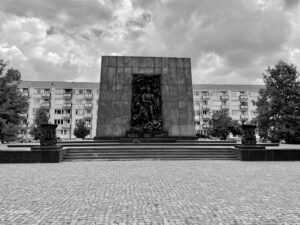
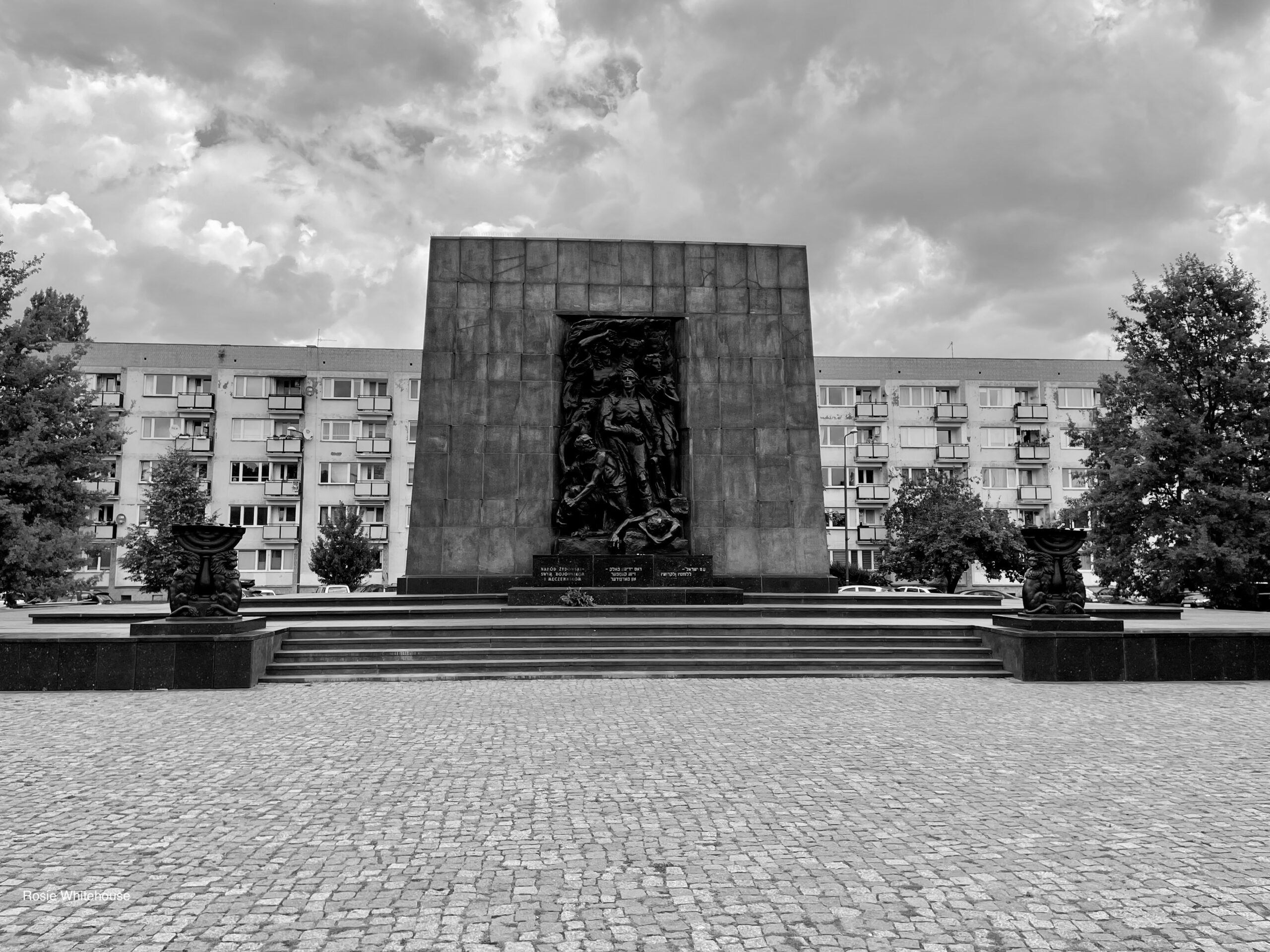
Since the fall of the Berlin Wall in 1989, memorialising the country’s Jewish past and associating oneself with Poland’s Jewish heritage became a trendy way of asserting an alternative to the country’s increasingly nationalistic politics.
As arguments rage about the role that Poles played in the Holocaust, it is important to remember that the current debate about the Holocaust in Poland is taking place in a country where until the fall of the Berlin surprisingly little was known about its Jewish history, despite the erection of some significant monuments in the decades after the war.
The Holocaust is an inflammatory topic in Polish politics. From 2015 to 2023, Poland’s right-wing nationalist PiS government pursued a controversial approach to Holocaust remembrance. It claimed that Poland has been wrongly maligned as one of the perpetrators of the Holocaust and has emphasised Polish victims of the Nazis over their Jewish counterparts.
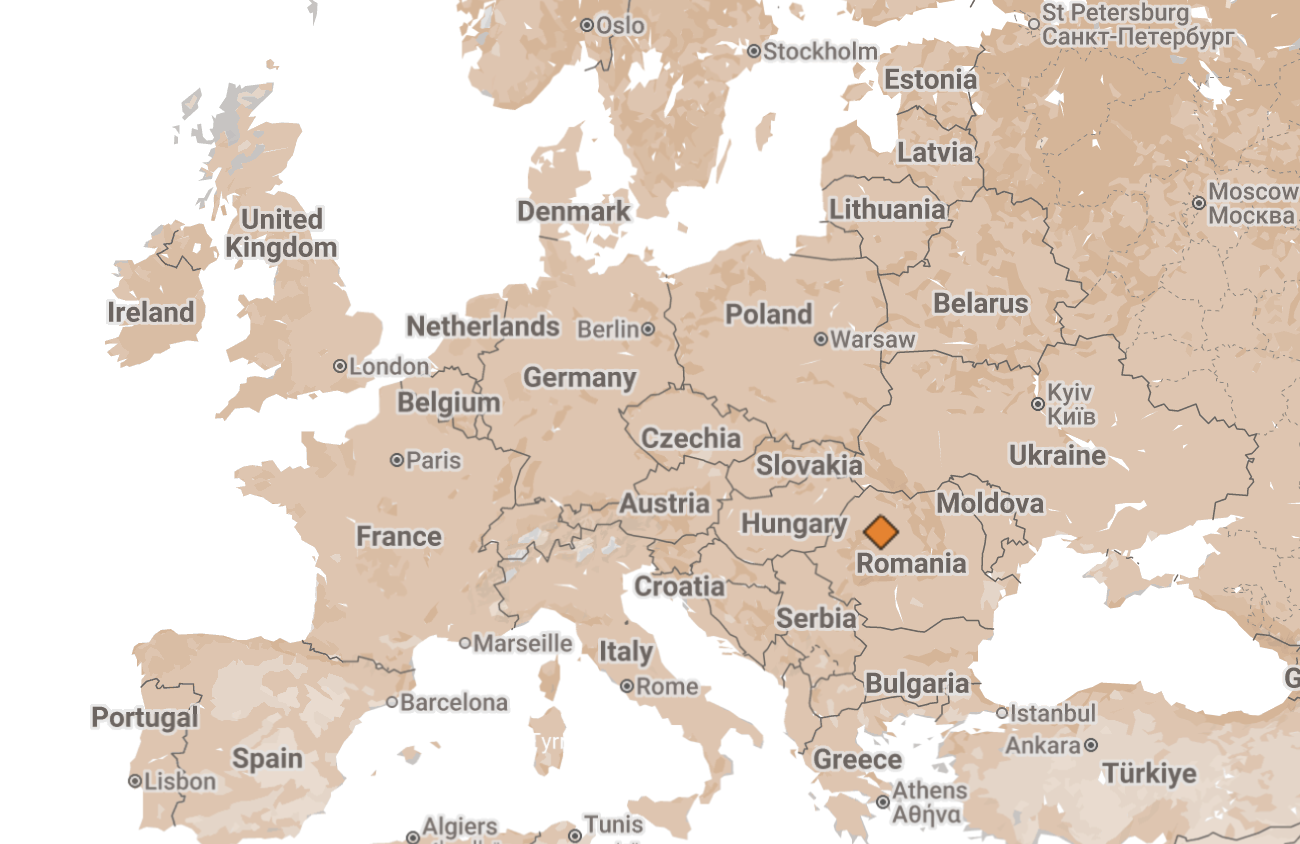
Background
Romania’s Jewish community was relatively small until, in the mid-19th century, Jews fleeing from persecution in the Russian Empire settled in the country (much smaller than it is today). Laws were introduced limiting their civil rights and there were major anti-Jewish riots in Bucharest in 1866. After the infamous Kishinev Pogrom of 1903, more Jews fled Bessarabia, then part of the Russian Empire, and sought refuge in Romania.
Interwar years
The end of World War I saw the creation of Greater Romania. To pre-war Romanian territories were now added: Transylvania, which until then had been in the Hungarian part of Austro-Hungary; Bukovina, which had been in the Austrian part; Bessarabia, which had been part of the Russian Empire; plus part of Banat (which was divided with Yugoslavia), Crişana and Maramureş in the north. This doubled Romania’s population, of whom almost one third was made up of minority ethnic groups. Especially with the addition of Bessarabia (most of which is now neighbouring Moldova), Romania had a Jewish population of about 730,000, the third largest in Europe after Poland and Russia.
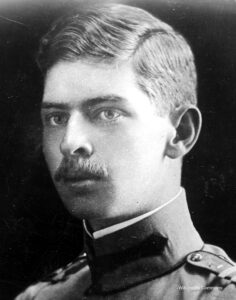
Romania was politically unstable in the interwar period. The reign of King Carol II was dogged by controversy. In 1925 a scandal surrounded his affair with Magda (Elena) Lupescu and he went into exile. He returned to rule Romania again in 1930, and by 1938 he had established a royal dictatorship.
World War II
Post-World War I, Romania had strong ties to France but after the Fall of France in June 1940, Romania was diplomatically isolated and opted for German protection. It came at a price, as in 1940 Germany obliged Romania to cede northern Transylvania to Hungary, southern Dobruja to Bulgaria and Bessarabia and northern Bukovina to the Soviet Union. This radicalised Romanian politics.
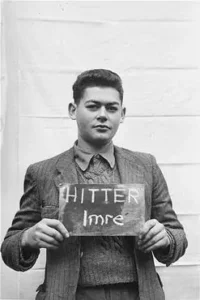
8 August 1940: The government passed a decree-law stripping Jews of many of their rights. The new laws banned most Jews from a variety of careers in public service and the military. Jews were also mostly banned from being lawyers, or owning liquor shops, and media outlets. A process of expropriating Jewish-owned property began.
September 1940: Carol II was forced to abdicate and fled the country.
The extreme right-wing Iron Guard was brought into a right-wing military government led by the deeply antisemitic General Ion Antonescu.
November 1940: Romania officially joined the Axis alliance; and Antonescu took the title Conducǎtor, the Romania equivalent of Führer.
January 1941: The Iron Guard staged a rebellion against Antonescu, while at the same time carrying out a violent pogrom in Bucharest. Antonescu, with the help of German officials defeated them and took complete control.
Some 80 laws and regulations were passed in the period 1941–42, which mimicked many Nazi laws.
June 1941: Romania took part in the invasion of the Soviet Union, with the aim of reoccupying the territories annexed by the Soviets in 1940.
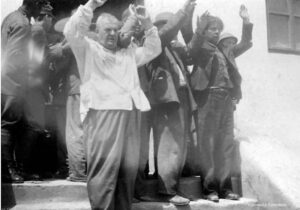
29 June-6 July 1941: The Romanian government instigated a pogrom in Iaşi, in which more than 13,000 Jews, some one third of the city’s Jewish population, were killed.
The German and Romanian armies then pushed deep into the Soviet Union, and the Romanians recovered Bessarabia and northern Bukovina.
Mass Killings: As soon as they took Bessarabia and northern Bukovina, the Romanian army and the Einsatzgruppen massacred between 100,000 and 120,000 Jews.
Approximately 155,000 Jews in Bessarabia and northern Bukovina plus 25,000 Roma were deported to Transnistria, to ghettos and transit and concentration camps, where they were murdered or died of starvation, illness, hypothermia and exhaustion.
In only a few days in October 1941, Romanian troops and police along with the Einsatzgruppen murdered some 30,000 Jews in Odesa and then 100,000 more during the period of their occupation. About 380,000 Jews were murdered in Transnistria, northern Bukovina and Bessarabia.
Summer 1942: Plans made to deport all of Romania’s Jews were cancelled by Antonescu for a variety of reasons including a failure of Hitler to promise the return of northern Transylvania to Romania in exchange. As a result, most Jews in the so-called Regat or Old Kingdom, plus southern Transylvania and southern Bukovina survived the war. From this grew the myth that Antonescu had protected the country’s Jews.
April-August 1944: Soviet forces took control of Moldova. With the support of opposition politicians, King Michael, Carol ll’s young son, overthrew Antonescu and signed an armistice with the Soviet Union. In August 1944, Romania switched sides and fought alongside the Red Army as it drove on eastwards.
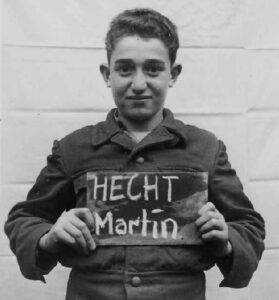
Aftermath
At least 290,000 Jews remained alive within its borders immediately after the war, though some reports put that number as high as 360,000.
Mass emigration ensued and, by the end of 1951, some 115,000 Romanian Jews had left for Israel.
Those who remained faced increasing persecution especially in 1952–53, the period of Stalin’s antisemitic paranoia.
Despite this, throughout the communist era, Romania allowed large numbers of Jews to emigrate to Israel, mostly in exchange for cash payments.
By 1987, there were only 27,000 Jews left in the country. Further emigration since the 1989 revolution has reduced numbers even more.
Memorialisation: Good to Know
The Holocaust was swept under the carpet and little discussed during the communist period during which the country was cut off from the world. After the fall of the communist dictator Nicolae Ceauşescu, the idea persisted that the Romanian state had protected its Jews.
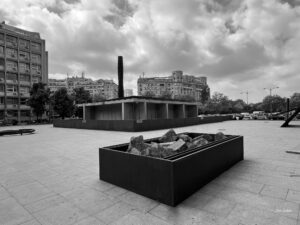
When Romania negotiated its entry into the European Union, it was required to come clean about its past. The government set up the Elie Wiesel National Institute for Studying the Holocaust in Romania and commissioned it to examine the country’s role. Their report concluded that between 1940 and 1944 the dictatorship of Ion Antonescu was responsible for the death of between 280,000 and 380,000 Jews and 11,000 Roma in Romania and Romanian-controlled territory. This was officially recognised by the government in 2004.
Although successive Romanian governments have made significant steps in Holocaust memorialisation, the general public have lagged behind. There have been moves to rehabilitate Ion Antonescu and there are statues to him in a number of towns. Streets have also been renamed after him. Despite a ban on symbols used by the fascist Iron Guard, they persist. A survey commissioned by the Elie Wiesel Institute, released in October 2017, found that only 41% of adults believed the Holocaust had occurred in the country, while 44% considered Ion Antonescu a hero.
In 2023, after years of wrangling, the government approved plans to build a new National Museum of the Holocaust in Bucharest.
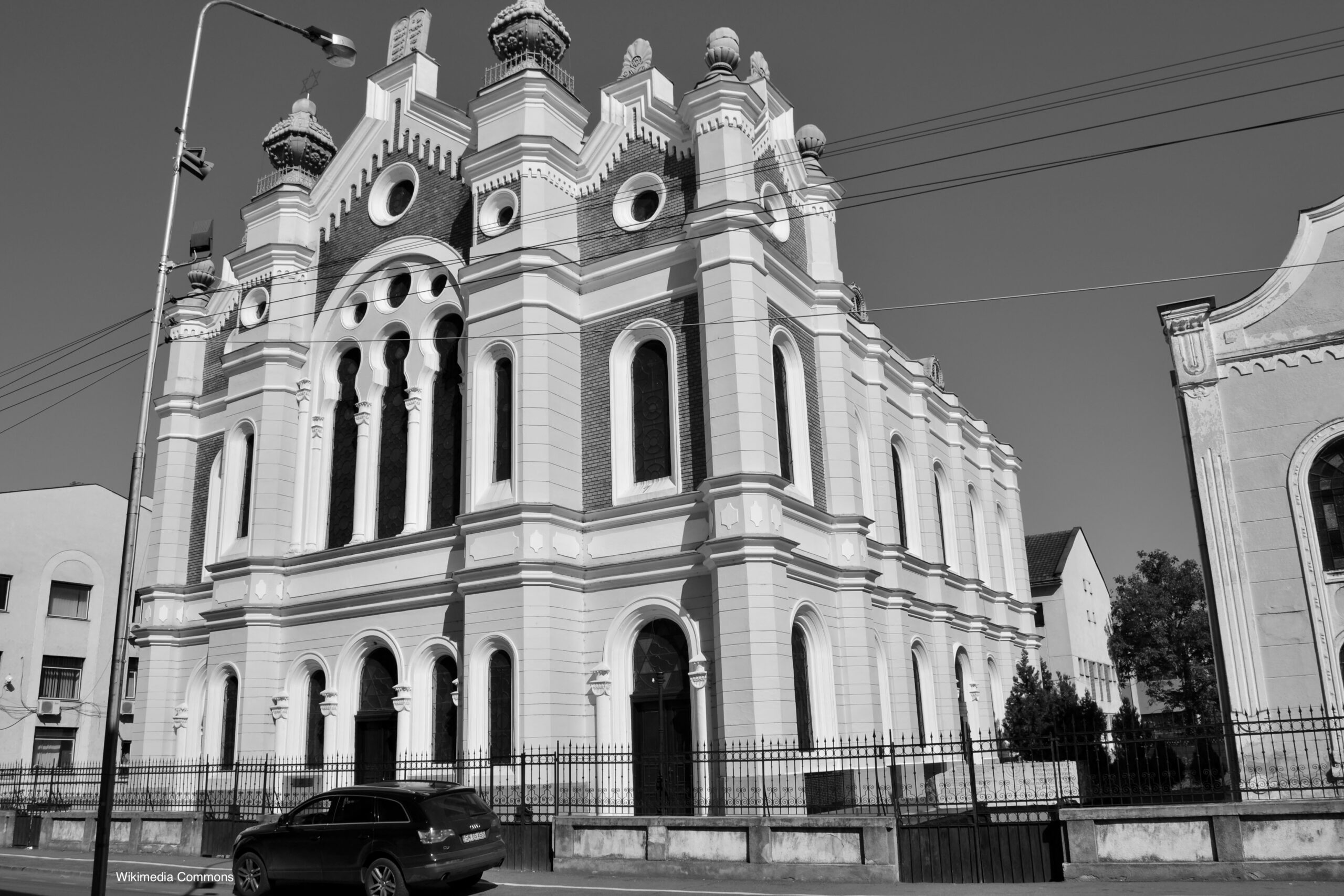
The two largest groups of the Boys came from interwar Czechoslovakia and Poland.
Research has shown that at least 226 of the Boys came from Transcarpathia. The wild valleys of the Carpathian Mountains had until the World War I been a remote corner of the Austro-Hungarian Empire and were home to a unique multi-ethnic society which shared languages and mystical views. Jewish life centred on modern-day Mukachevo (now in Ukraine). Known to survivors by its Hungarian name of Munkács, it was 50% Jewish in 1914.
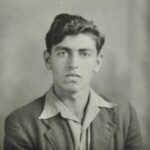
“Just taking a simple stroll down the main street in Munkács was an exciting pastime when I was small. It gave one a flavour of life in our town. There was a fabulous atmosphere, a feeling of familiarity that you can only get in a close-knit community. There were two markets in town; one was located in a large square and the other was the street market …
Saturday night was great fun for young people who loved to wander up and down the Corso. Young men would flirt with young women, and the children, including myself, would follow older siblings to spy on them in their more amorous moments.”
The unique society of the Carpathians was centred on the administrative region of Subcarpathian ‘Rus, which was between World War I and II part of Czechoslovakia, but that that society spilled over the administrative borders into areas of Poland, Slovakia, Hungary and Romania.
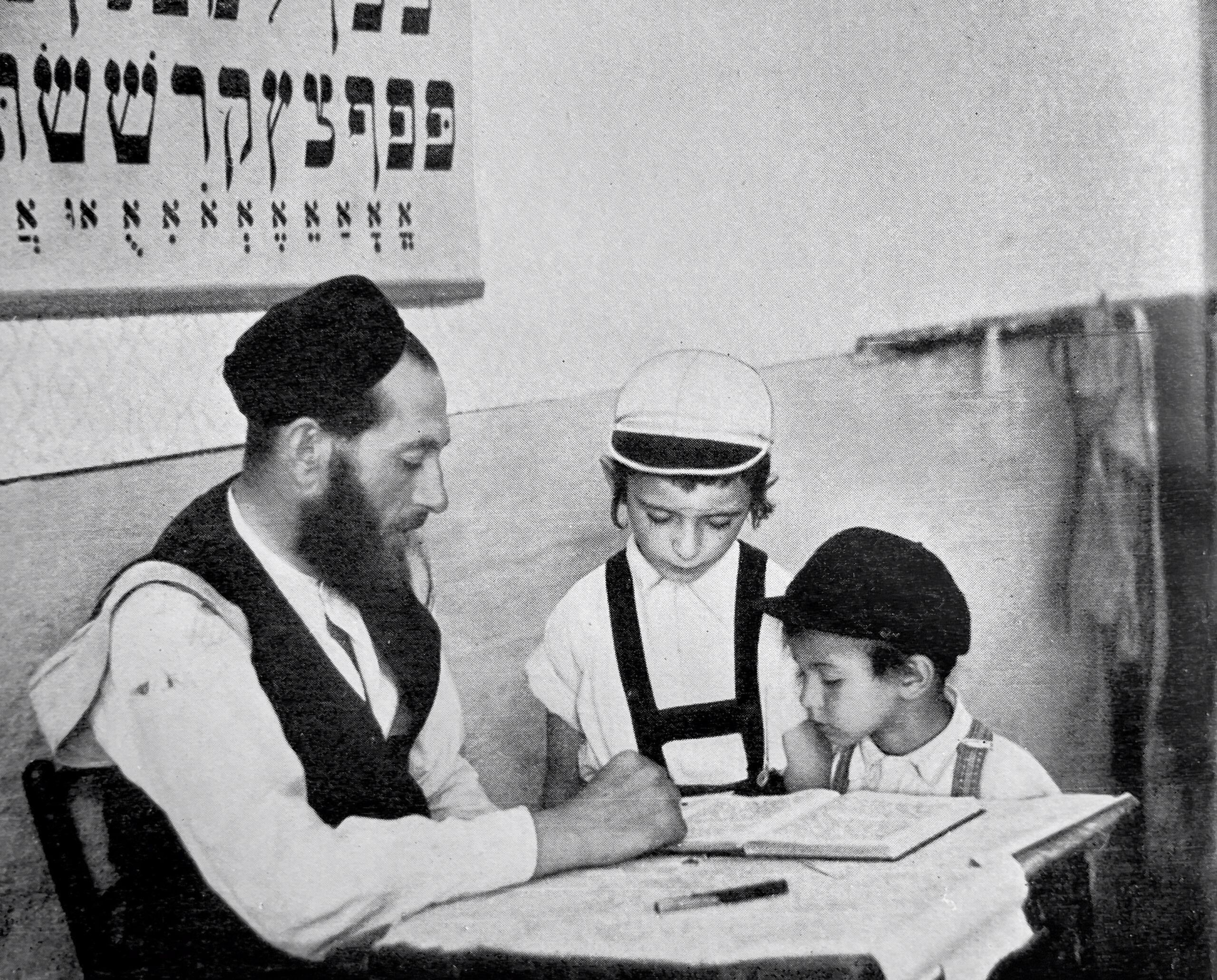
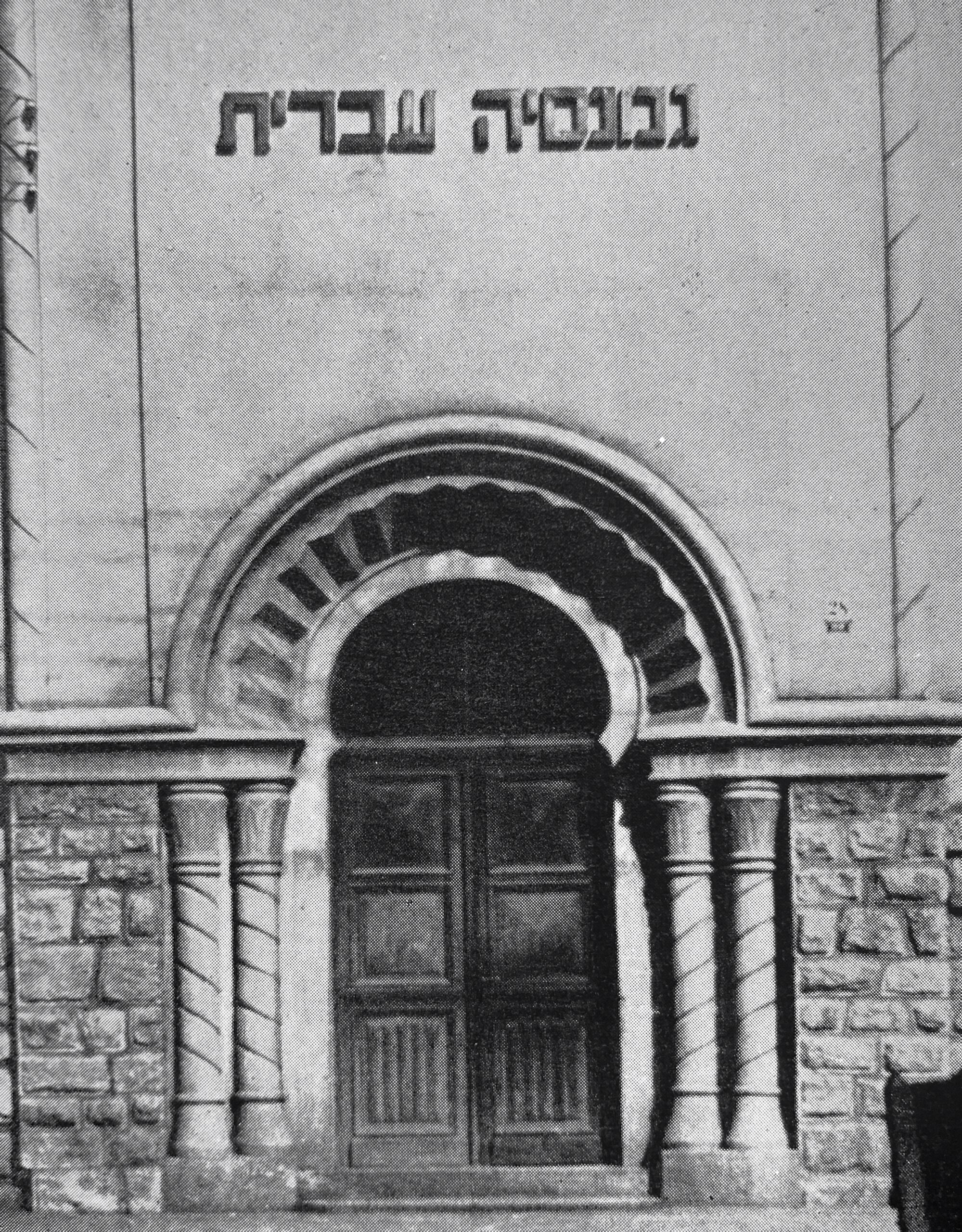
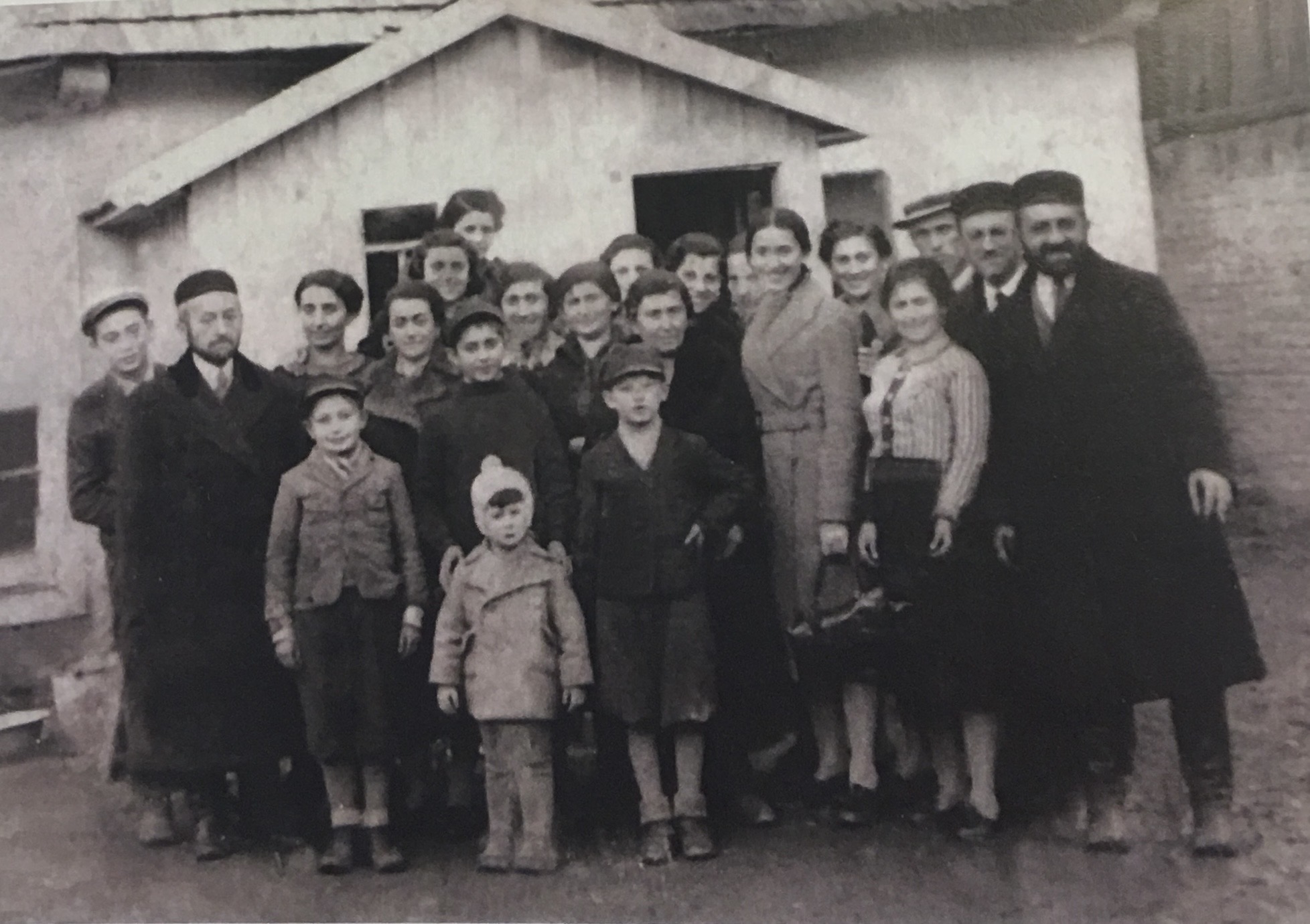
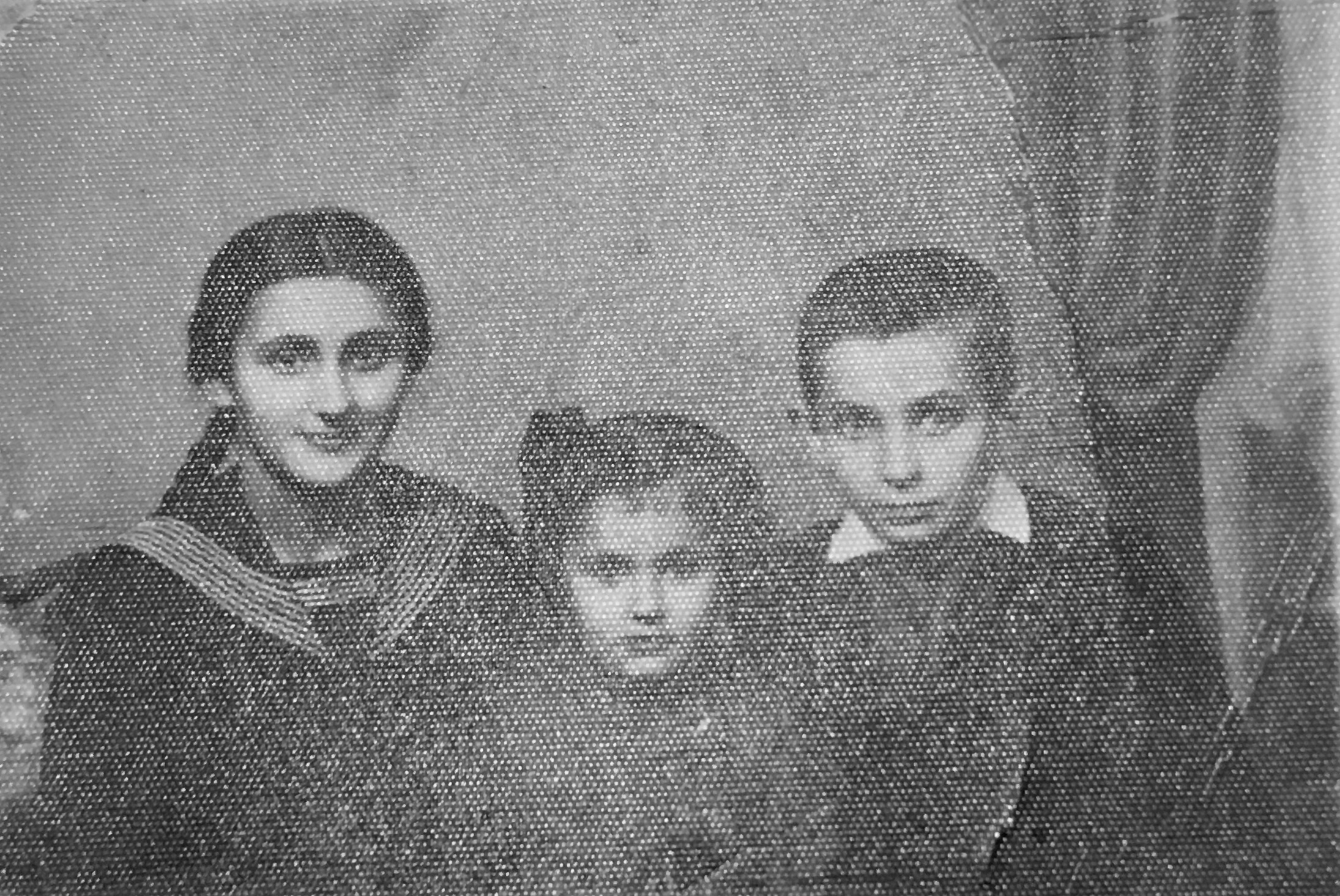
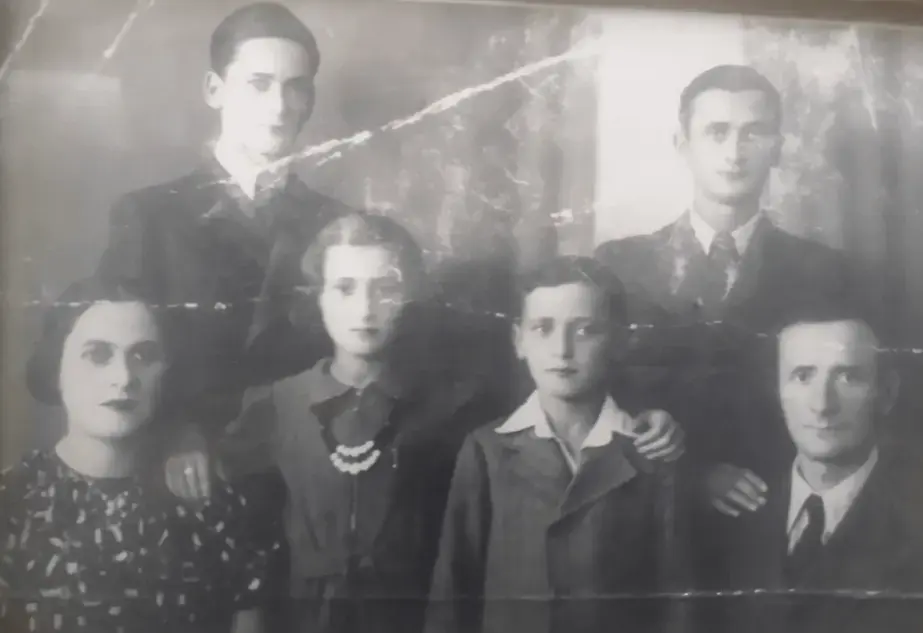
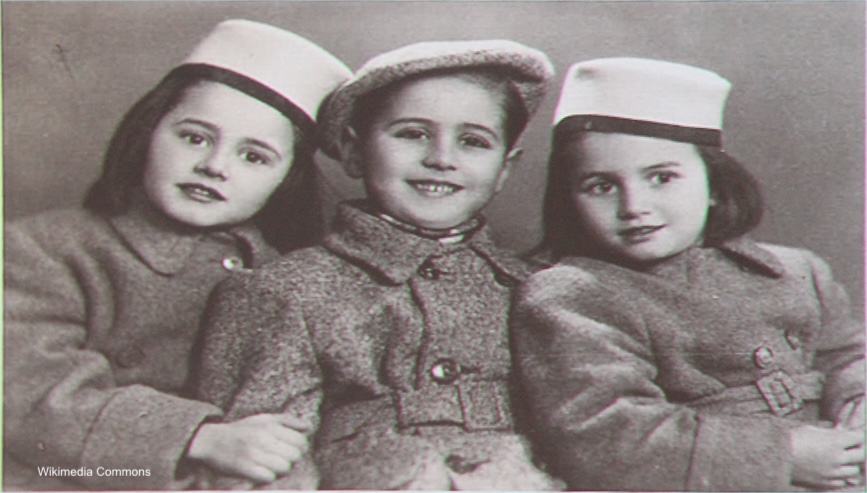
The ’45 Aid Society archive contains a significant collection of family photographs taken before World War II. They capture a Jewish world that was destroyed. The archive is also a memorial to the families of the Boys who were murdered in the Holocaust.
Behind each picture is a story.
These stories told on the pages below matter because time and time again in their testaments the Boys reference the strength they drew from the families that they had lost.
Each photograph is precious.
The Boys tried to hold on to the pictures that they had rescued from their homes and taken to the ghettos and camps. The pain of loosing the photographs of their families was something that they never forgot.
“When we arrived at the camp, they made us give them everything but our shoes. They gave us thick blue paper overalls.
They said they would shoot us if we did not do as they said.
I had photographs of my family. I didn’t know what to do. I was frightened, so I gave them up.
It was a terrible mistake. I should have taken the risk. I should have tried to keep them. It would have been worth being shot for.”
Sam Freiman was the sole survivor of his family.
The ’45 Aid Society is active in Holocaust education.
To find out more about the resources we offer click here.
Our Education Team can advise on how to deliver the story of the Boys by booking a suitable speaker and can help teachers devise lesson plans.
Critical Thinking Questions
For a full list of Critical Thinking Questions click here.
Glossary
Aryan Term used in Nazi Germany to refer to non-Jewish and non-Gypsy Caucasians — white Europeans, especially northern Europeans with blonde hair and blue eyes — who were considered by the Nazis to be the most superior of races and members of a “master race.”
Aryanisation The Nazi term for the seizure of Jewish property and its transfer to non-Jews.
Ashkenazi A Jewish diaspora population that emerged in the Holy Roman Empire in the 8th and 9th centuries. Ashkenazim traditionally spoke Yiddish and largely migrated towards northern and eastern Europe during the late Middle Ages to escape persecution.
Deportation Forced removal of Jews in the Third Reich and German occupied countries from their homes.
Ghetto Under the Nazis a ghetto was a very clearly defined district, often walled or fenced in and surrounded by armed guards, in which only Jews were forced to live in the worst possible conditions. All, except the Theresienstadt Ghetto, were eventually dissolved and the Jews were murdered. The word ghetto was first used in Venice in 1516 to describe an area of a town or city where Jews were required to live.
Kindertransport Literally ‘children’s transport’ in German. A pre-war programme whereby the British government allowed the admission of almost 10,000 mostly Jewish child refugees from central Europe after Kristallnacht until the outbreak of war curtailed the operation.
Pale of Settlement The western part of the Russian Empire in which Russian Jews were allowed to live from 1835 to 1917.
Pogrom Violent attack on a Jewish community.
Sephardi Sephardic Jews are a diaspora community, who in 1492 were forced to convert to Catholicism or face expulsion from Spain. Between 100,000-300,000 Spanish Jews left Spain and settled in different parts of Europe and the Middle East. Approximately 100,000 Sephardic Jews from locations including Greece, Yugoslavia, Macedonia, Netherlands, Italy, France, Tunisia and Libya, were killed by the Nazis in World War II.
Yiddish A Germanic language with elements of Hebrew and Aramaic historically spoken by Ashkenazi Jews.
For a full Glossary click here.

 About
About History
 Education
 Quilts
 FIlms
FIlms Photos
 News Media & Events
 Publications
 Donate