Members of the Boys were born in Gorlice in Poland.
The Boys were teenage and child-Holocaust survivors, who were brought to the UK after the war for rest and rehabilitation.
Members of the Boys were held in Nazi labour and concentration camps and used as slave labourers. They had also survived World War II in hiding or as lone children.
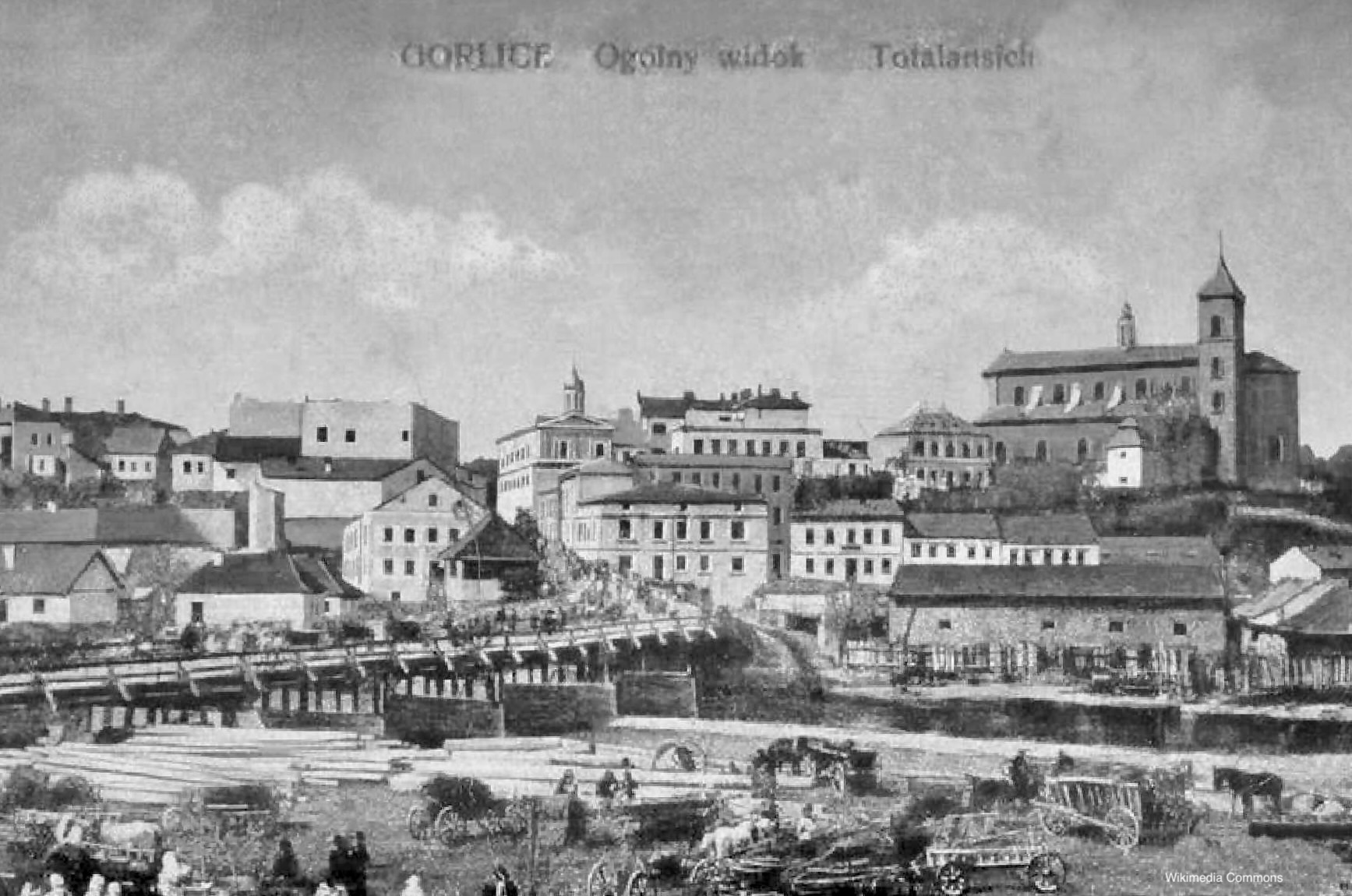
Pre-World War II postcard of Gorlice.
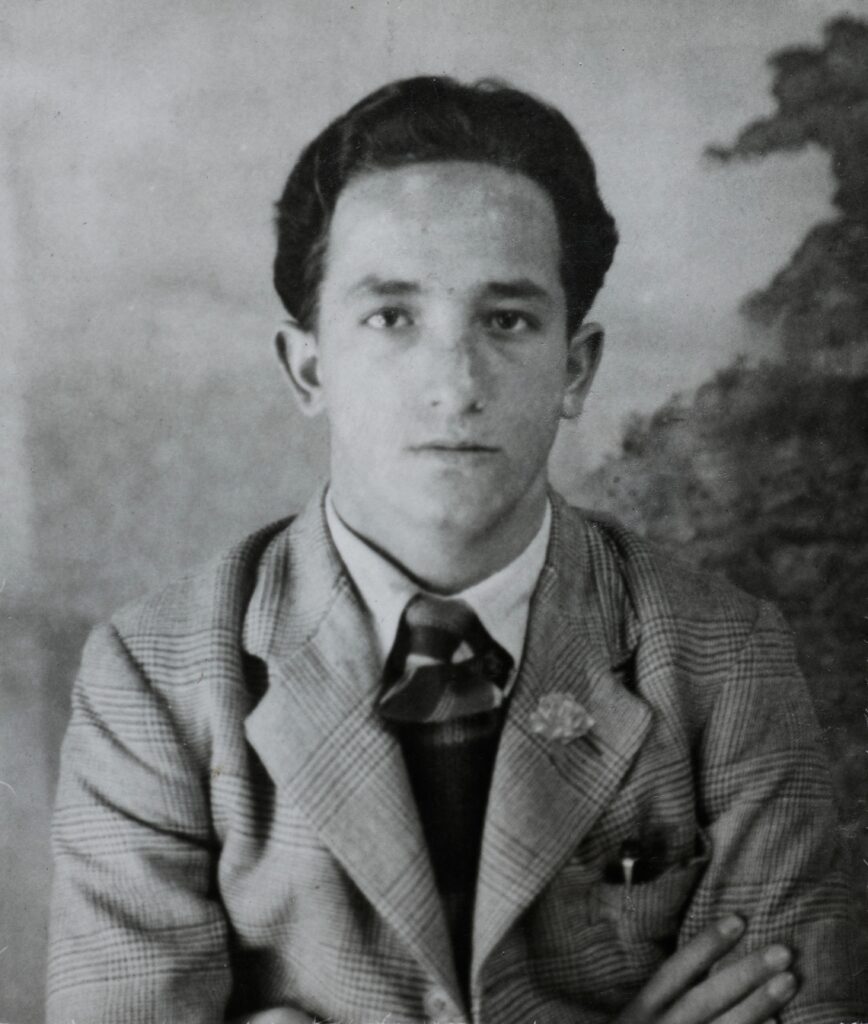
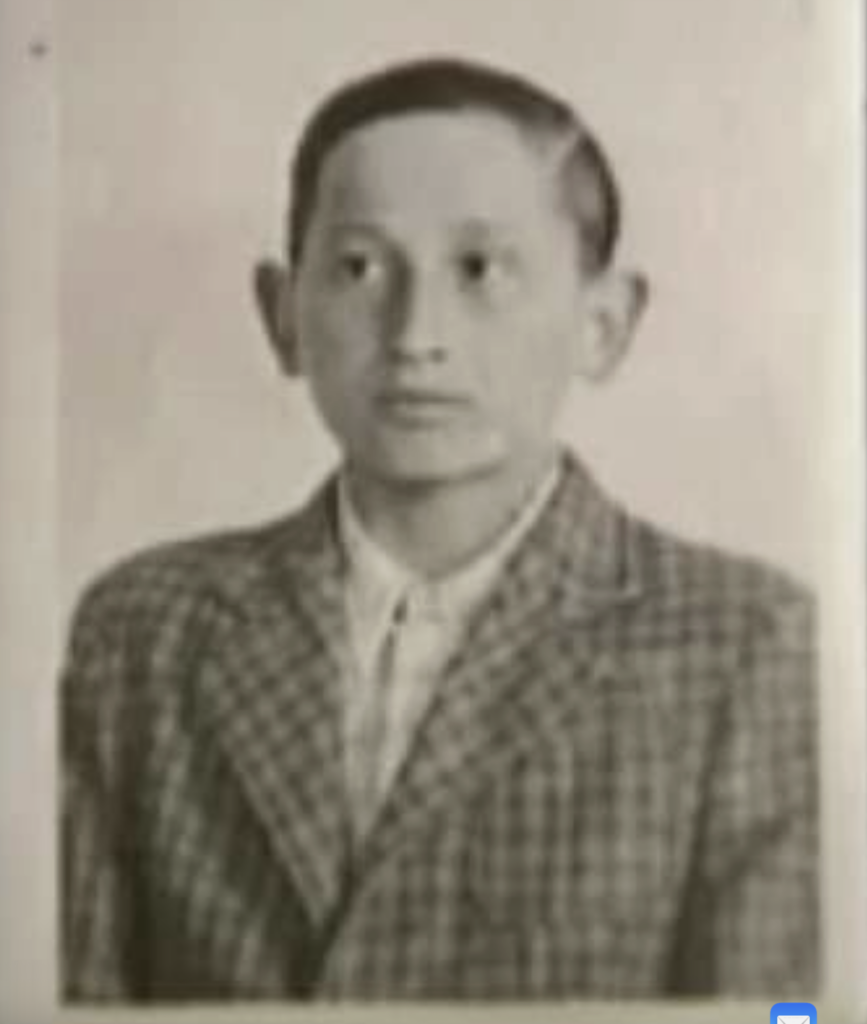
Moses and Adela Balsam had five children: Danny (b. 1923), Gitel (b. 1925), Sanek (b. 1927) Hersch (later Harry b. 1929) and Joseph (b. 1930). Moses Balsam was a miller. The family was Orthodox and Moses was the warden of the synagogue.
“In the morning we used to go to elementary school and in the afternoon to cheder. We were brought up speaking two languages, Polish and Yiddish. We were quite well off by local standards. My father was a miller, and we had plenty of flour to bake our own bread. For the Sabbath we used to bake challahs, and if I remember correctly we used to take challahs and give them to our relations living in the same town. I thought we were quite comfortable, but thinking about it today I don’t suppose we were quite as comfortable as I really thought” – Harry Balsam testament. To read the full testament click here.
When the Nazis invaded Poland in September 1939, the Balsam family tried to flee. They loaded as many belongings as they could onto their horse and cart and went to the station. Moses and Danny Balsam boarded a train as the rest of the family threw up their belongings up to them. Then without warning the train started moving away. Moses and Danny were unable to jump off. Adel and her children tried to catch the train at the next station but failed.
Moses and Danny went to the Soviet Union where they spent the war working in a mine.
Adele and her children were forced to move from their home into the ghetto that was established in Gorlice in 1940. They had to share two rooms, with five other families.
Sanek Balsam was murdered in front of his brother Hersch.
Adela, Gitel, and Joseph were taken to Bełżec extermination camp, where they were gassed.
Hersh Balsam survived slave labour and came to the UK as part of the First Group of the Boys. To find out more about his life click here.
Wartime
A ghetto was established in Gorlice in 1940. It was liquidated in September 1942, and the vast majority of the Jews in the ghetto were taken to the Bełżec extermination camp.
When the ghetto was liquidated in 1942, some Jews were selected for slave labour. Some including Hersch Balsam, David Hirschfeld, his brother Moniek Hirschfeld and Szjaya Popiel were sent to the Kraków-Płaszów labour camp. To find out more about the camp click here.
Aftermath
After the liberation about 30 Jewish families returned. They found their property had been looted and the cemetery destroyed. Antisemitism made them seek a new future elsewhere.
Getting there
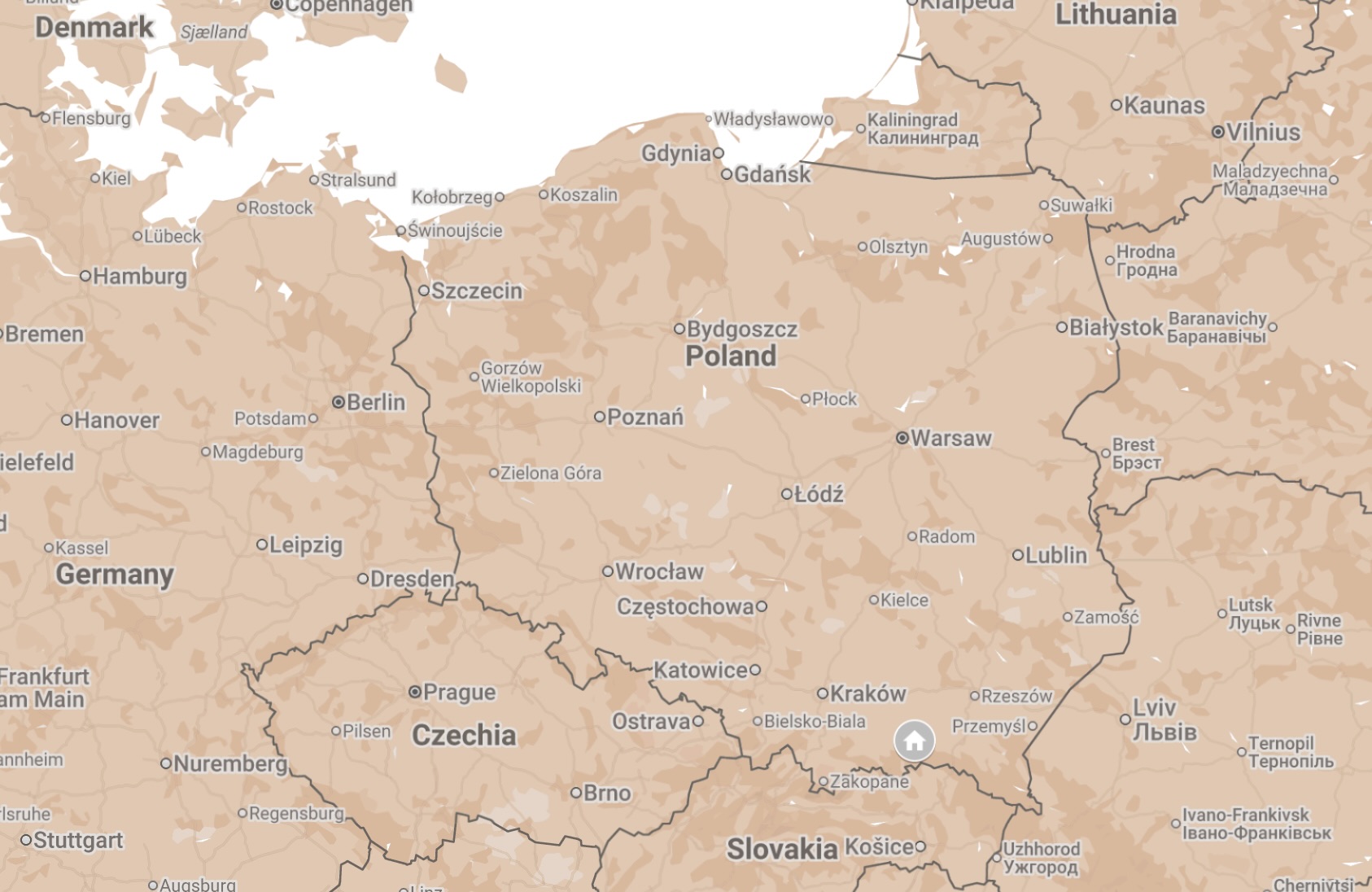
Gorlice is located in southern Poland in the Malopolska region. If using public transport take a train or bus from Kraków.
What to See
Ghetto Location
The ghetto consisted of two separate parts – Dworzysko and Garbarnia – located south of the town square. The former was located within the modern streets: Mickiewicza, Nadbrzeżna, Stroma and Strażacka. It was separated from the part called Garbarnia, located between Nadbrzeżna, Legionów, Rzeźnicza and Ogrodowa streets by Mickiewicza Street, which remained open to non-Jewish passers-by.
Synagogue
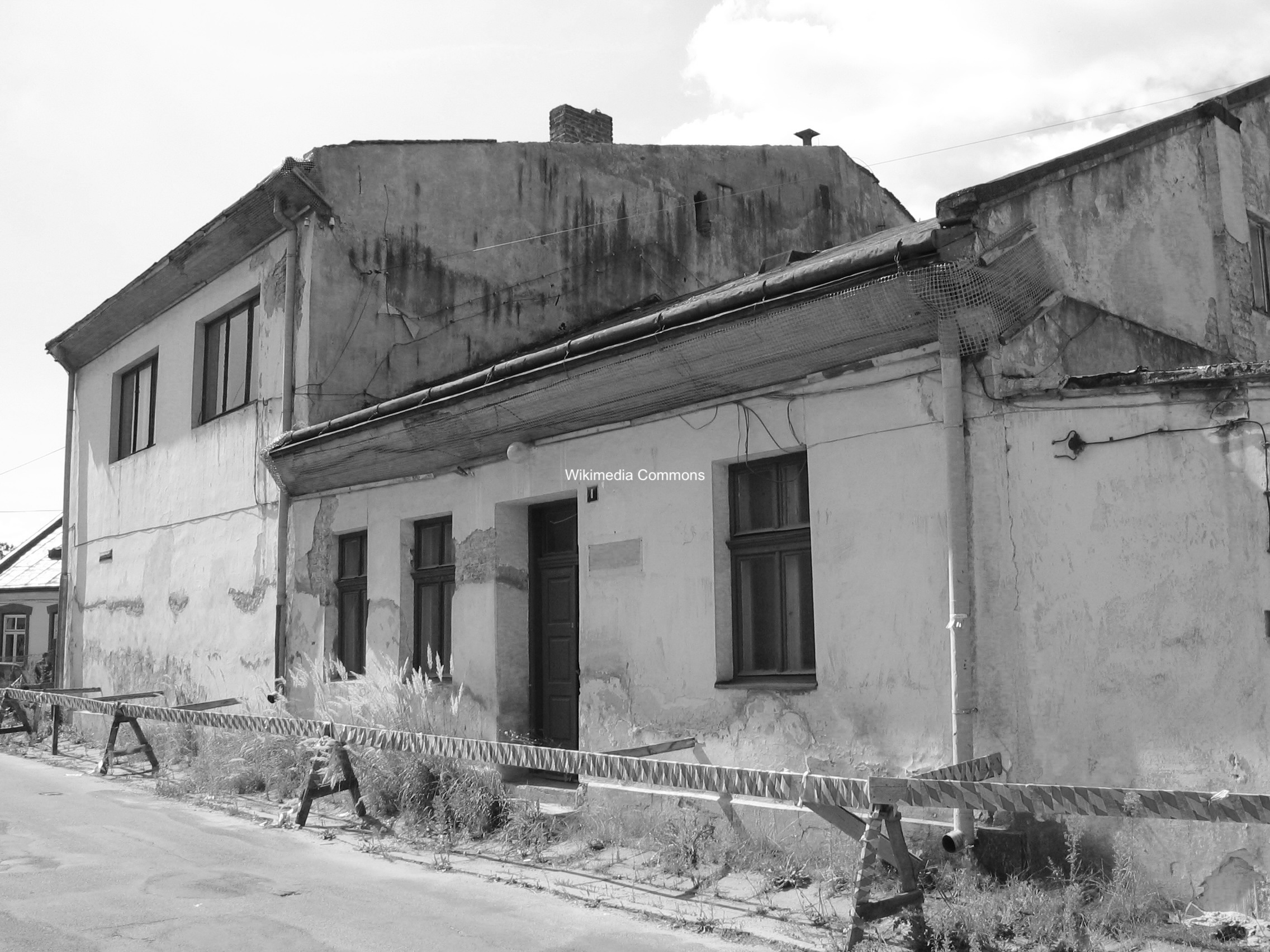
Former Great Synagogue (Mickiewicza ul.) The building is a bakery. It bears a commemorative plaque.
Ruined Hasid Synagogue (Strażackiej ul.)
Memorials
A monument on the River Ropa (Rezeźnicaa ul.) commemorates 12 Poles and 20 Jews executed by firing squad by the Gestapo.
The mass grave in the Garbacz forest is marked by a memorial off the 977 road north of the village of Stróżówka.
Cemetery
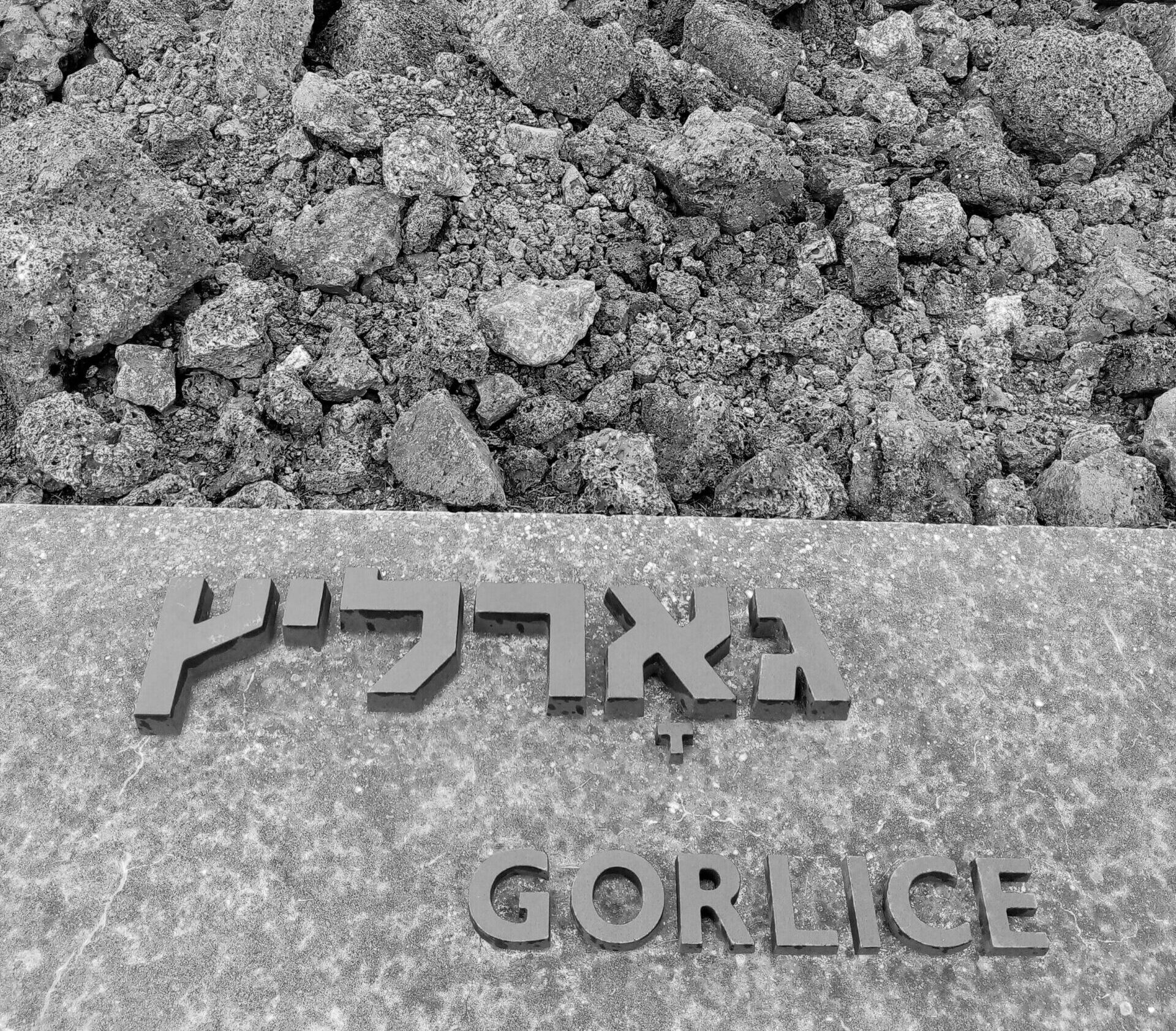
Jewish Cemetery (Stróżowska ul.) The cemetery contains around 500 headstones and a newer ohel (tomb) for the rabbis of the Halberstam dynasty. There is a Holocaust Memorial shaped like a Star of David, inaugurated in 2021 near the cemetery entrance.
 About
About History
 Education
 Quilts
 FIlms
FIlms Photos
 News Media & Events
 Publications
 Donate