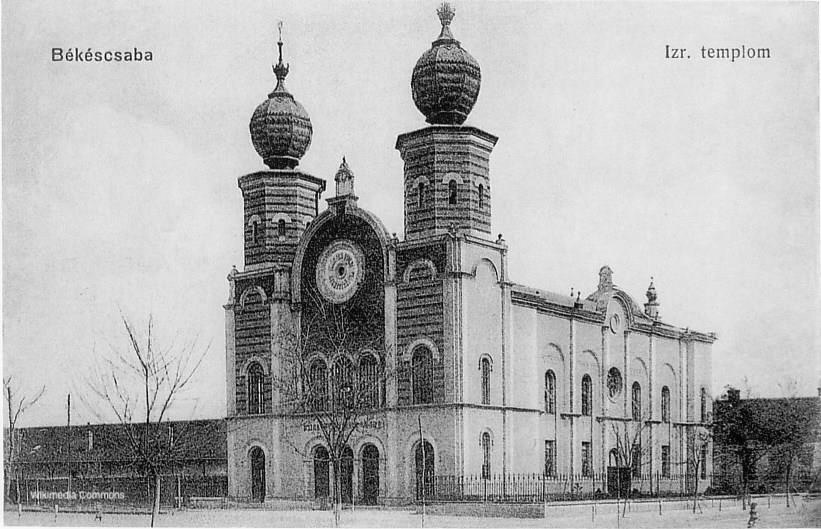
Members of the Boys were born in Békéscsaba, Hungary.
The Boys were teenage and child-Holocaust survivors, who were brought to the UK after the war for rest and rehabilitation.
Members of the Boys were held in Nazi labour and concentration camps and used as slave labourers. They had also survived World War II in hiding or as lone children.
Getting there
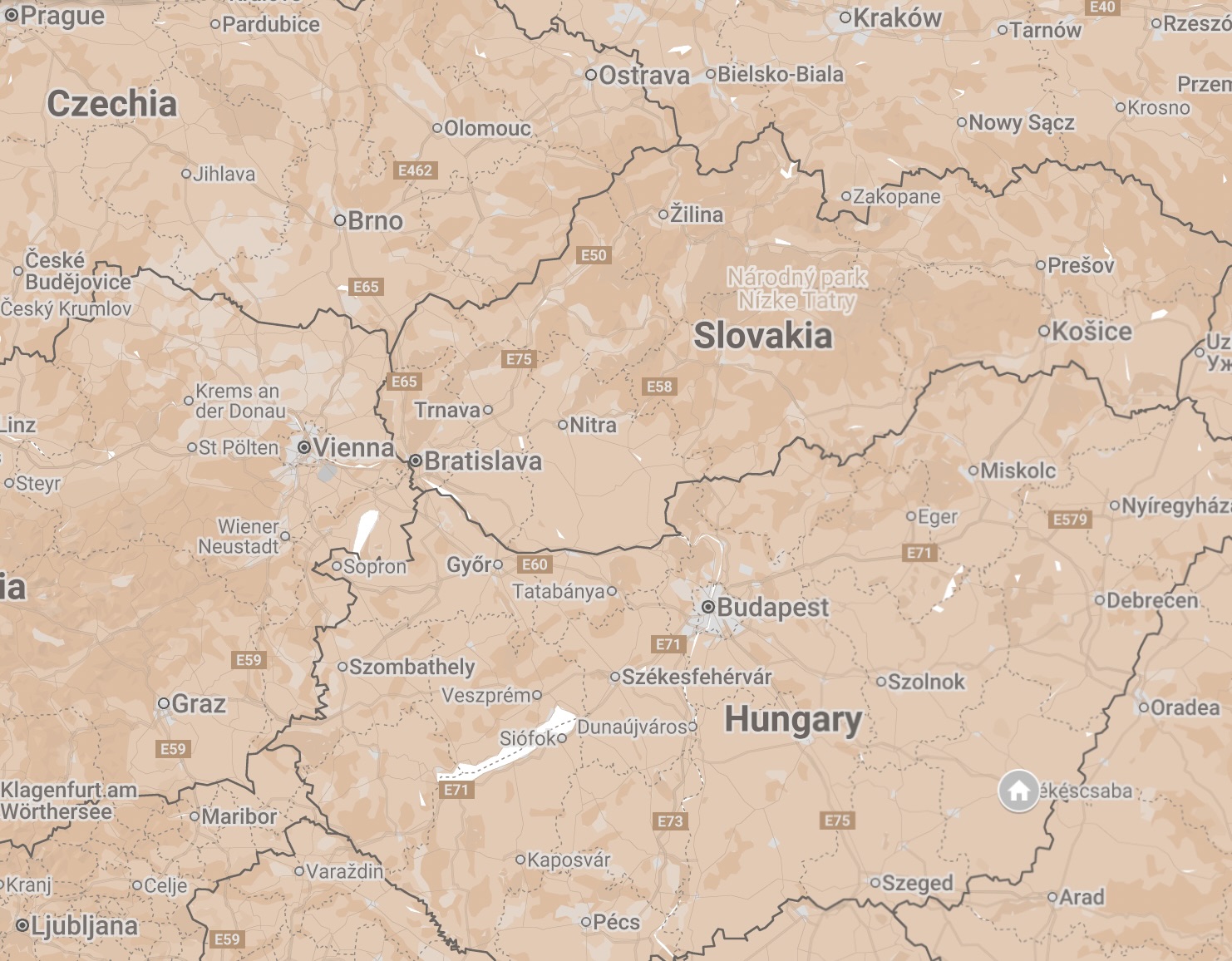
Békéscsaba is 208km southeast of Budapest. It takes just over two hours to drive from Budapest. There are also direct trains from Budapest.
What to see
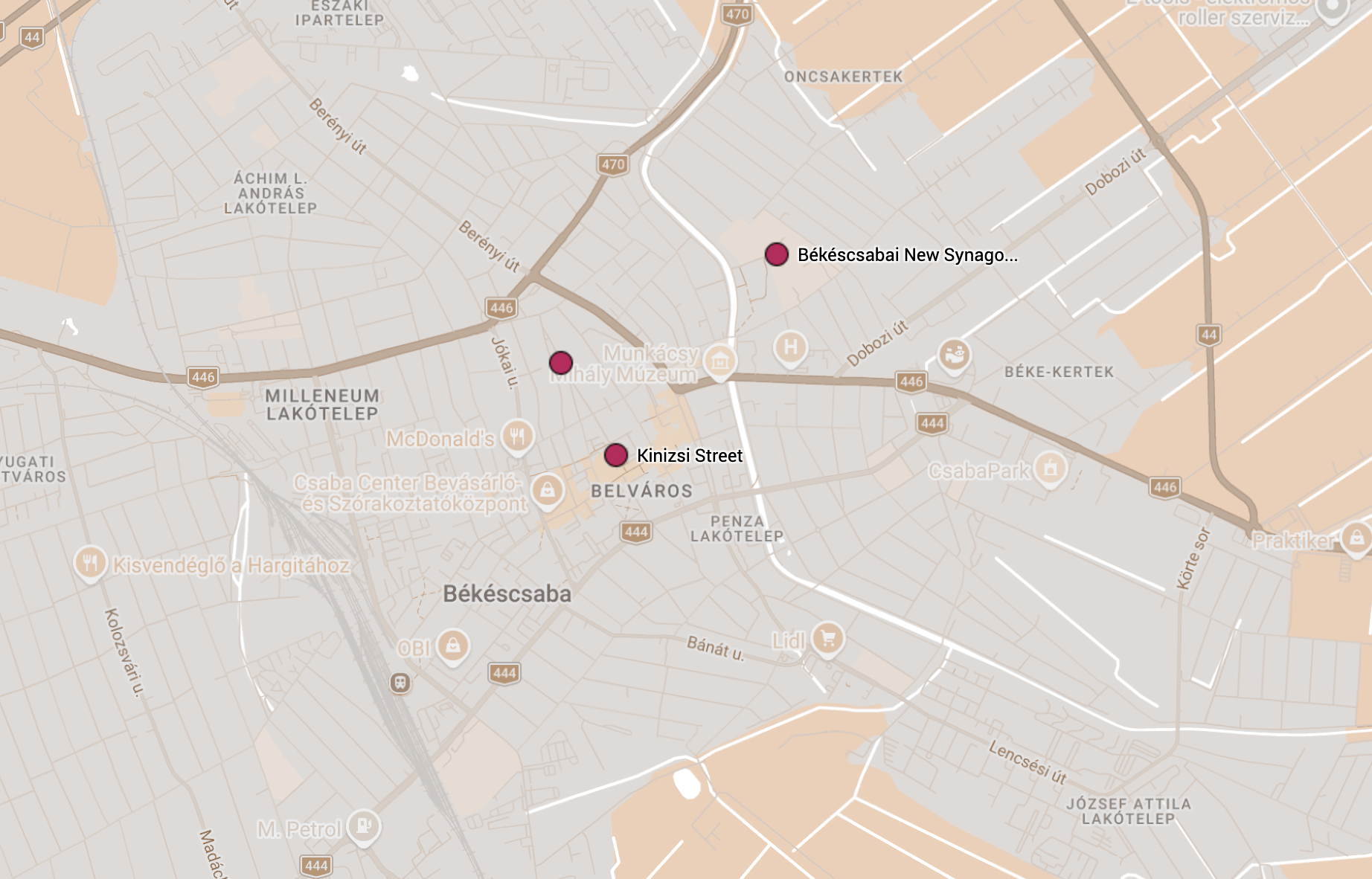
The Neolog Jewish Cemetery The cemetery has graves dating from 1821 and has a memorial to the 5,000 Jews murdered in the Holocaust erected in 2016. The cemetery is near the Békéscsabai New Synagogue.
Former Orthodox Synagogue (Kinizsi utca) The building is marked with a plaque.
Former Neologue Synagogue (Lazar utca) The site is also marked with a plaque.
 About
About History
 Education
 Quilts
 FIlms
FIlms Photos
 News Media & Events
 Publications
 Donate