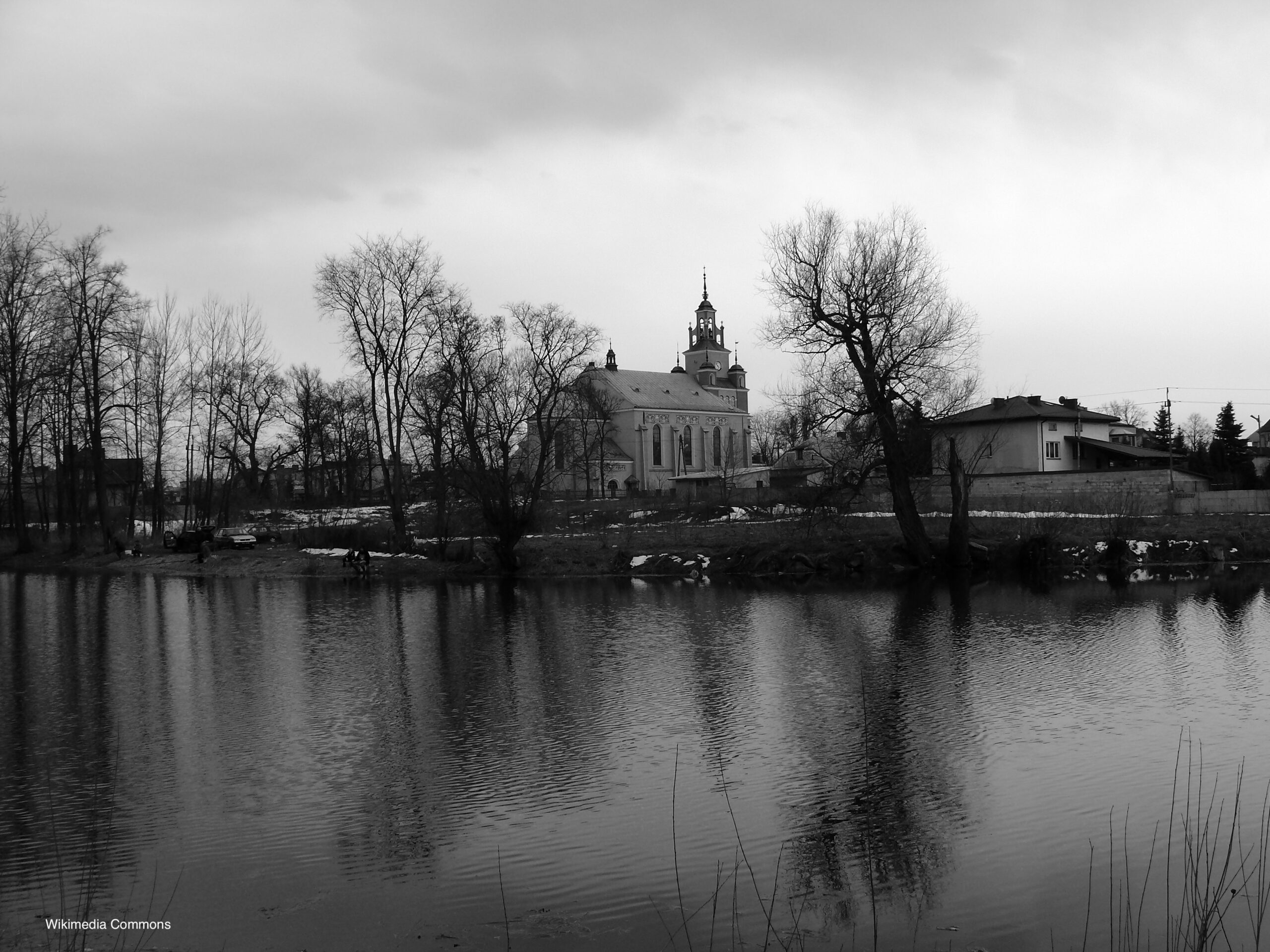
Members of the Boys were born in Białobrzegi, Poland.
The Boys were teenage and child-Holocaust survivors, who were brought to the UK after the war for rest and rehabilitation.
Members of the Boys were held in Nazi labour and concentration camps and used as slave labourers. They had also survived World War II in hiding or as lone children.
Getting there
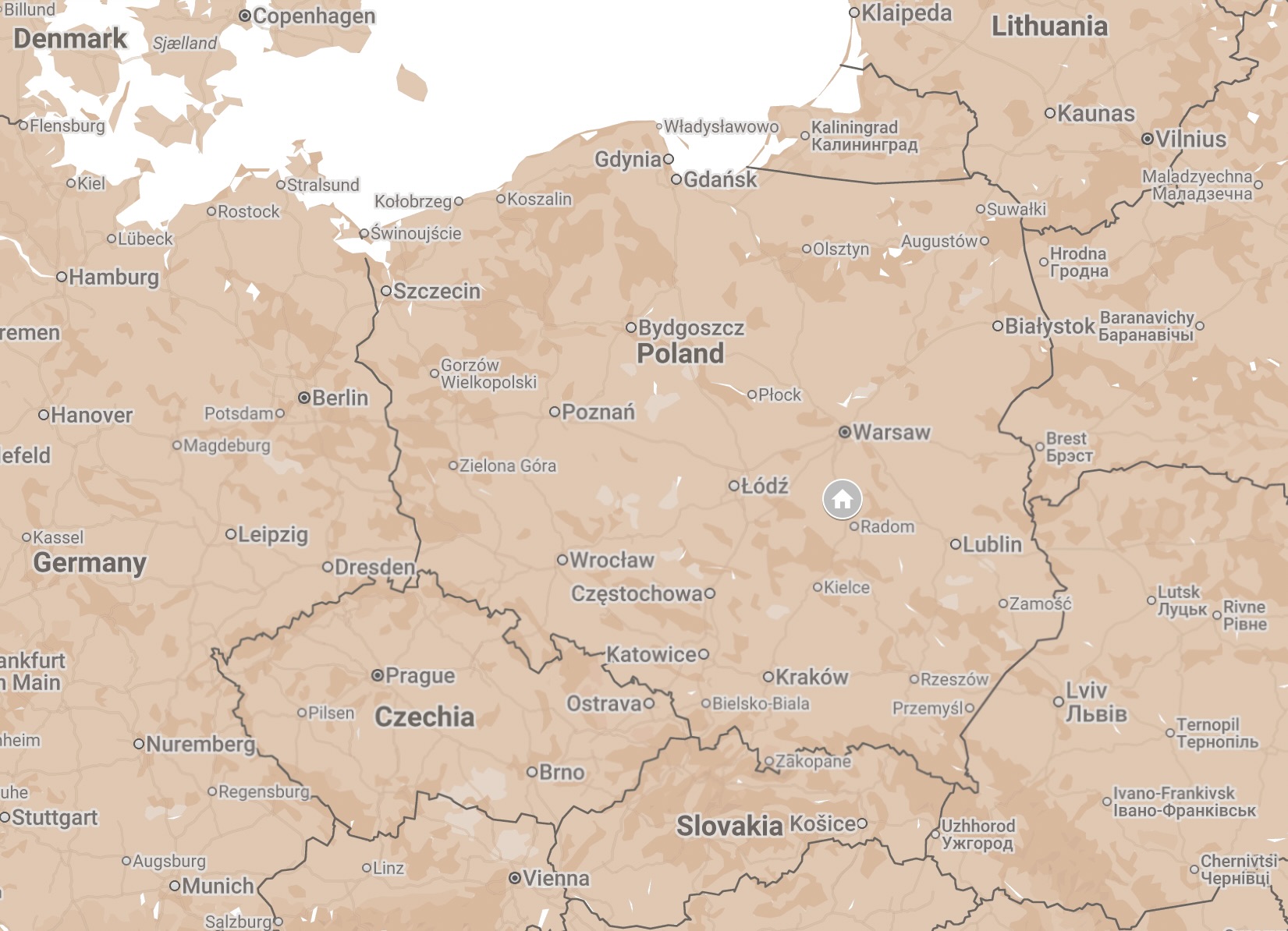
Białobrzegi is an hour’s drive from Warsaw. There are also direct trains from Warsaw.
What to see
There is little trace of Jewish life in Białobrzegi. Jewish monuments were destroyed in World War II and not rebuilt.
New Jewish Cemetery (Rzemieślnicza 51) The site is surrounded by a concrete wall and marked with a plaque. The Holocaust memorial is also located here.
Ghetto Location The ghetto covered the entire western part of the town.
Treblinka
Treblinka was the site of one the Germans’ deadliest extermination camps, and some 800,000-920,000 Jews from ten different countries were murdered here between 1942 and 1943.
Close to the Bug River in remote countryside, Treblinka was chosen for the site of the camp as it was close to the main Warsaw–Białystok railway line. Today, it is a quiet, lonely place which gets few visitors.
Getting there It is much cheaper to visit Treblinka on your own steam. If you do not have a car take a taxi from the station in Małkinia Górna (7km away) and ask the driver to wait. Be sure to arrange the price first. It takes under an hour to see the site. Be aware that the route follows that taken by the trains to Treblinka.
What to see
The site at Treblinka is over 2km long. The main area which was once the extermination camp, Treblinka II, is a short walk from the car park. The labour camp, Treblinka I, is at the other end of the forest complex from the museum and main memorial. It is possible to drive there, where there is a second car park.
There is no need to book in advance to visit Treblinka, access is 24 hours and free.
The Treblinka Museum (open daily; free) is next to the main car park.
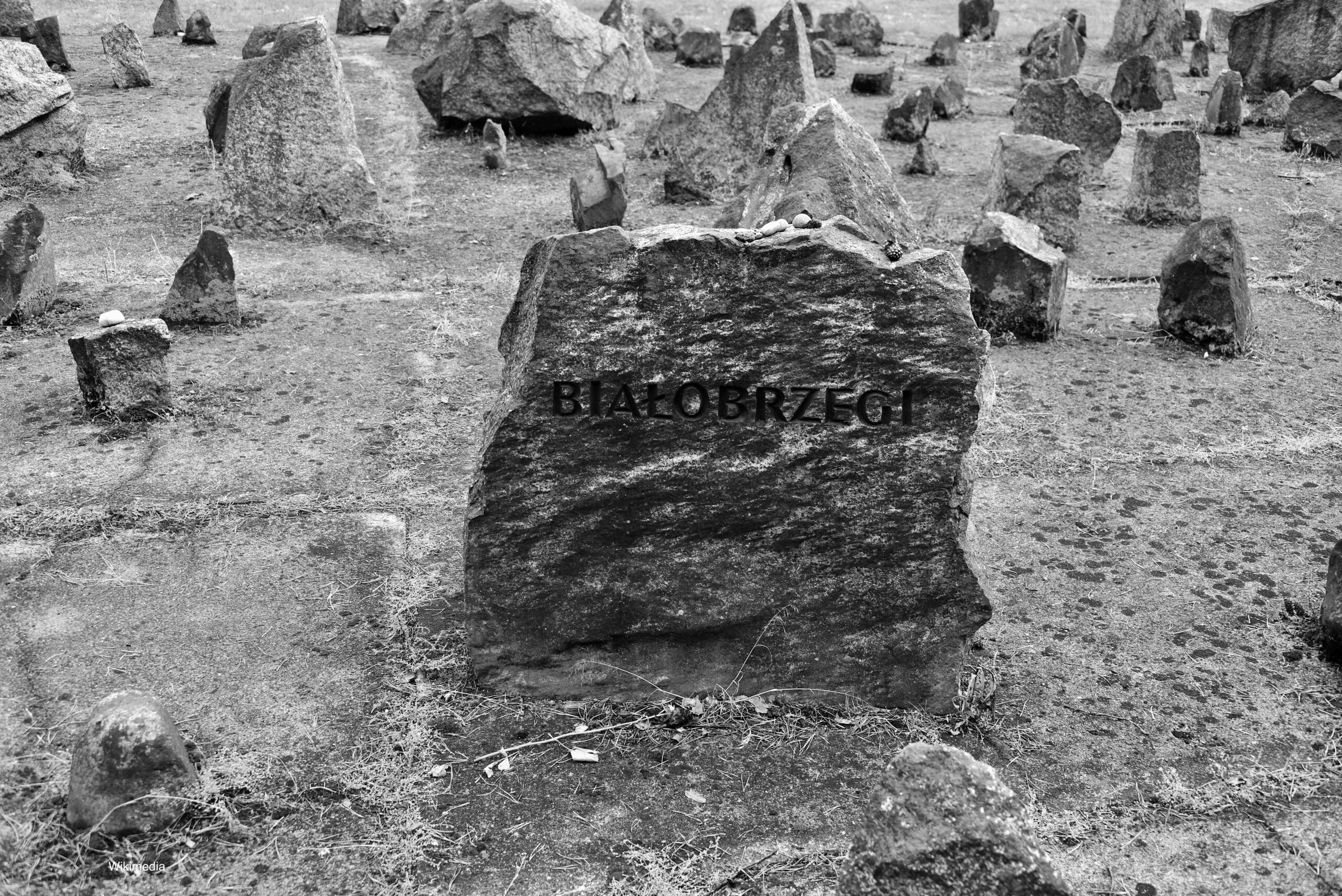
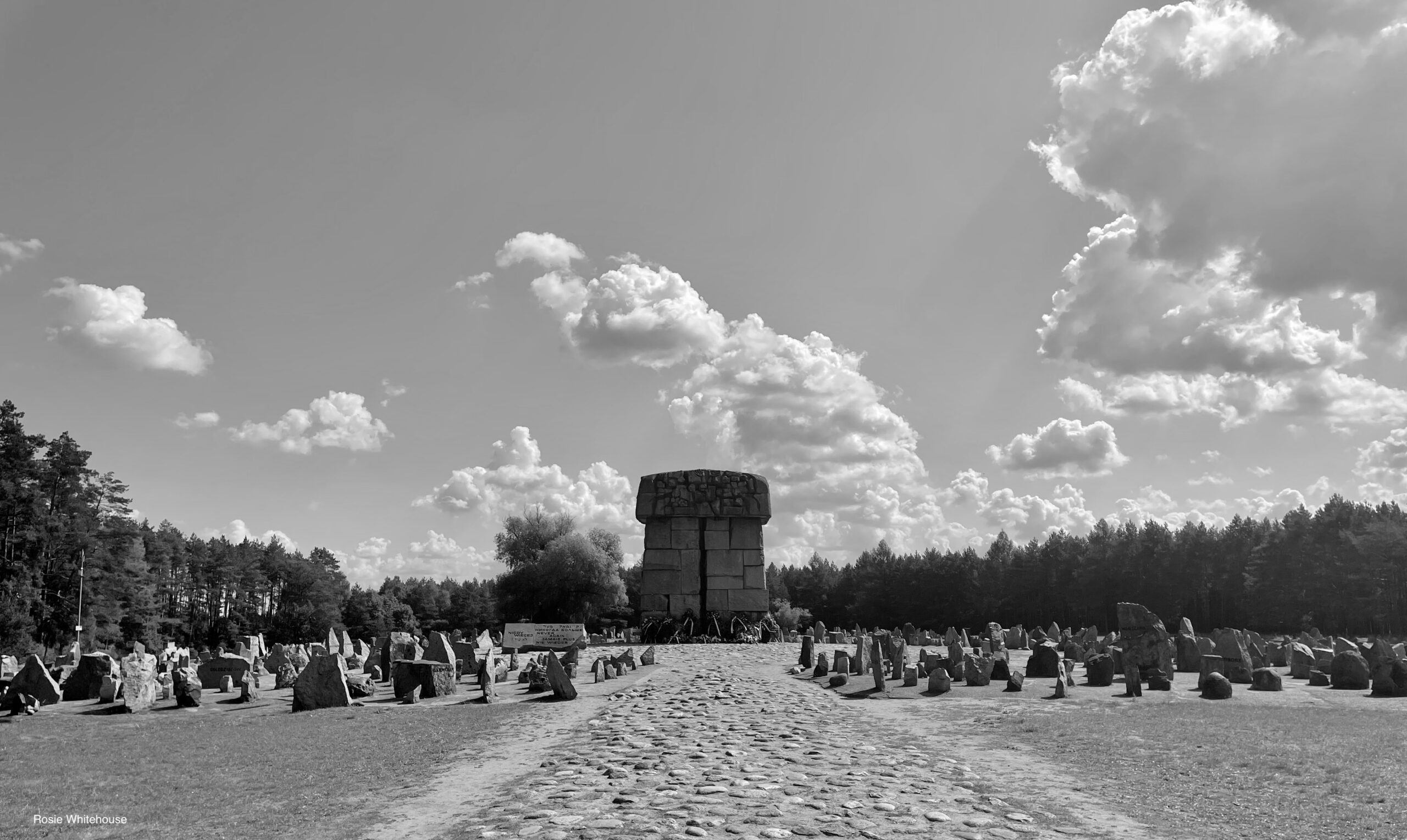
Nothing remains of the camp, which is now covered by 17,000 stones, 216 of which are marked with the names of communities destroyed by the mass murder in Treblinka. They stand on the site of the mass graves and buried ashes.
The path from the car park takes you past the memorial. The railway line is marked by stone slabs that lead to the ramp. The path continues behind the main monuments and curves back to the car park and visitors’ centre.

 About
About History
 Education
 Quilts
 FIlms
FIlms Photos
 News Media & Events
 Publications
 Donate