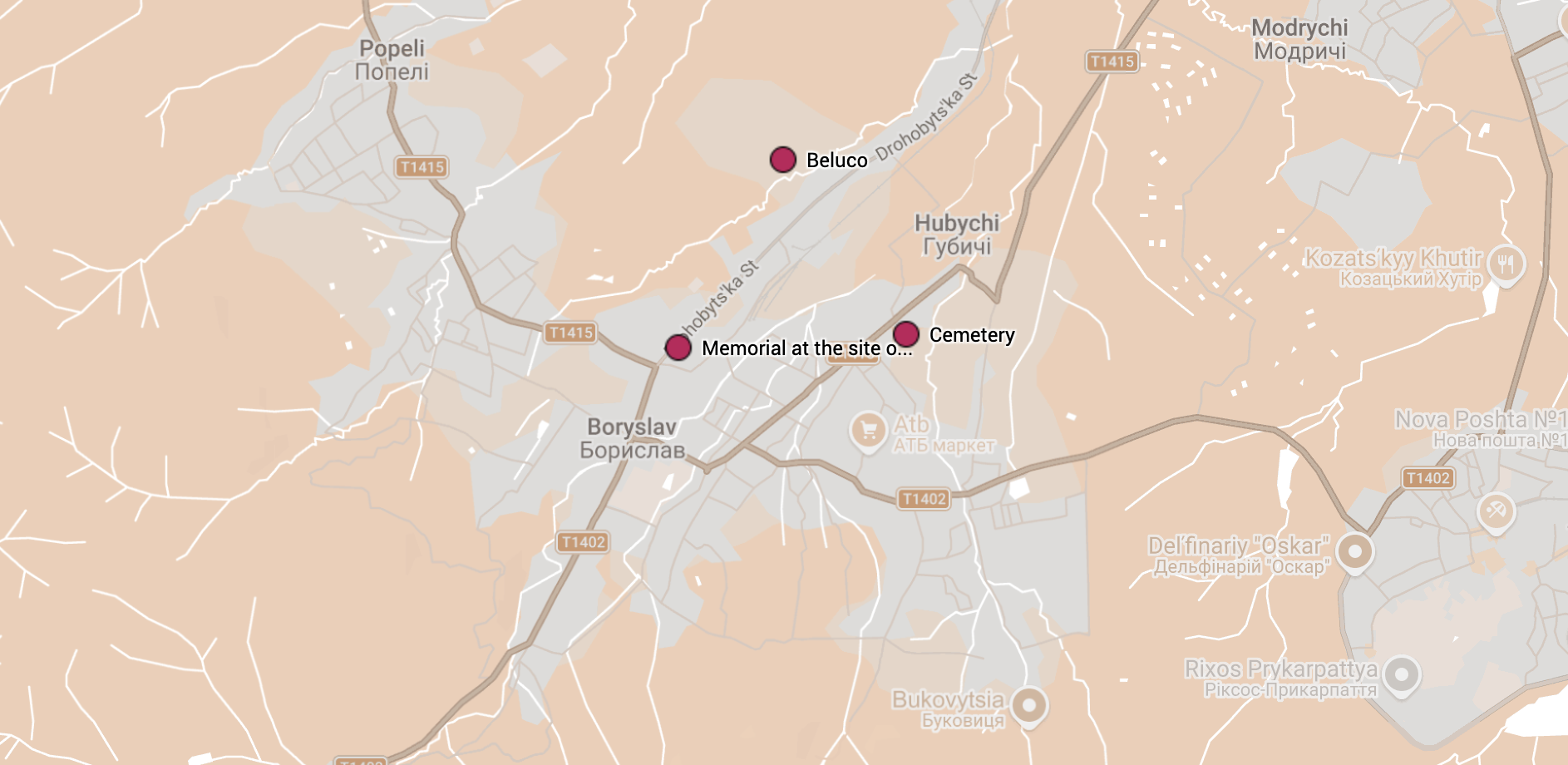
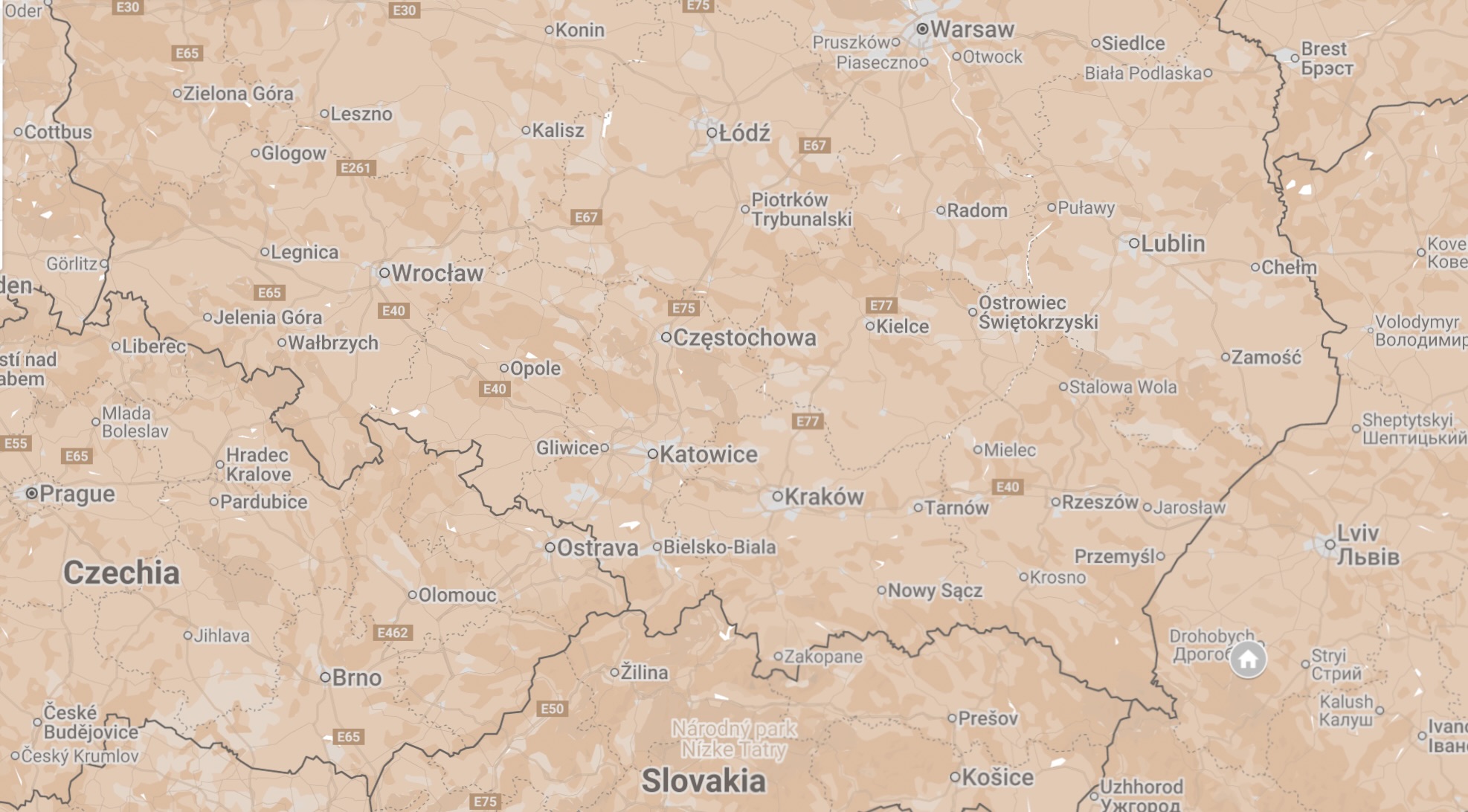
Borysłav is a city located on the Tysmenytsia river, a tributary of the Dniester, in Lviv Oblast in western Ukraine.
Background
In 1387 Borysłav became a part of the Crown of the Kingdom of Poland. In 1772, during the Partitions of Poland, it was annexed by Austria and became a part of the Austrian Kingdom of Galicia and Lodomeria. After World War I it was part of the new state of Poland.
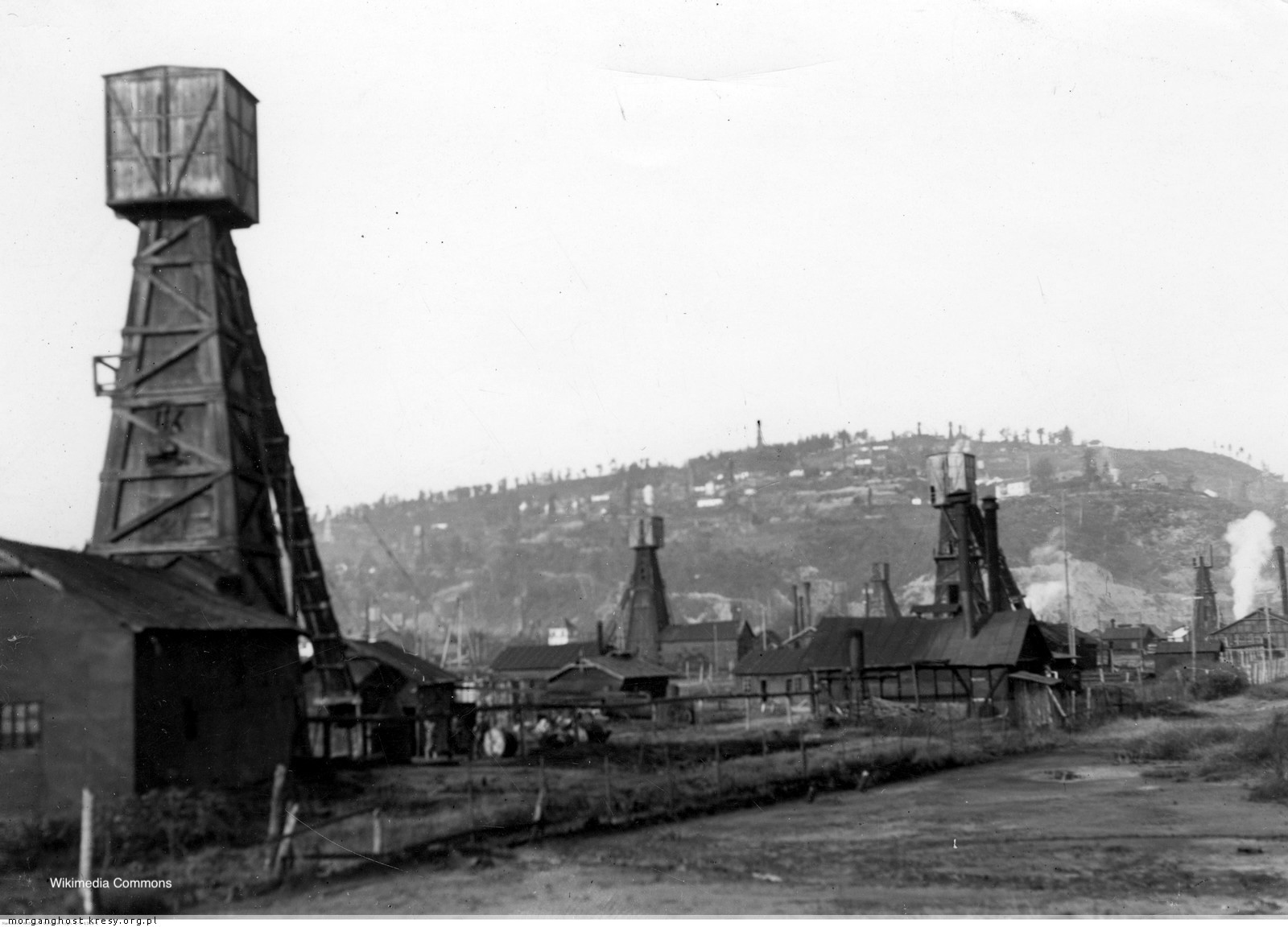
In the 19th century it became a centre for the extraction of crude oil. One of the first oil rigs in the world was built near Borysłav by Robert Doms in 1861.
World War II
In 1939, after the Soviet invasion of Poland, the town was annexed by the Soviet Union under the terms of the Molotov–Ribbentrop Pact. In 1941, the city came under Nazi control after the German invasion of the Soviet Union.
About 13,000 Jewish residents lived in Borysłav at the beginning of the war. On the day following the Germans’ arrival, local Ukrainians instigated a pogrom in which about 350 Jews were killed.
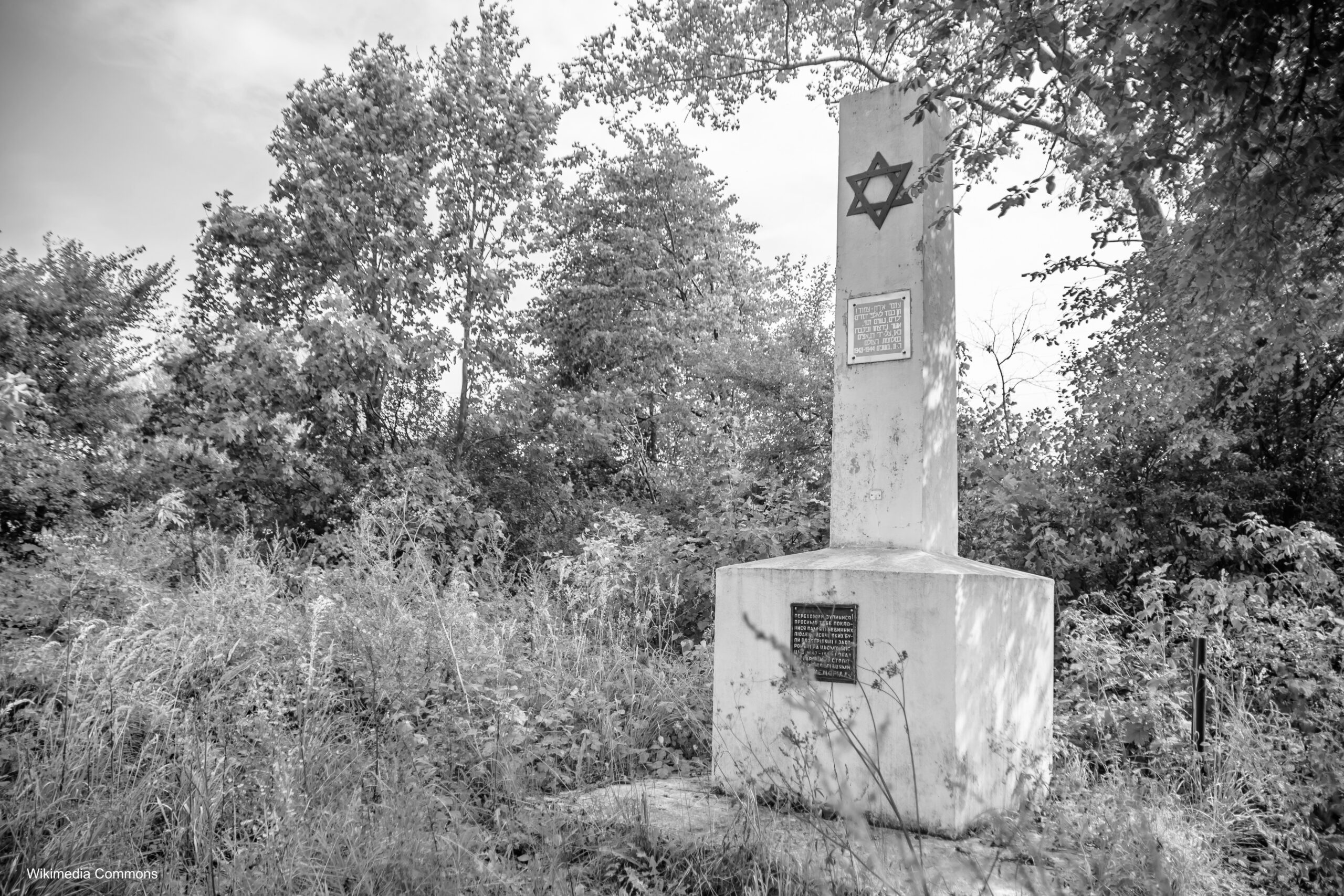
At the end of November 1941, around 1,500 Jews, deemed weak and unable to work, were shot by the Ukrainian militia and German security police in the forest near the town of Truskavets. During the winter of 1941–1942, many Jews died of hunger and disease.
In May 1942, an official ghetto was set up. To find out more about the ghetto click here. At the beginning of August 1942, Jews, including those from neighbouring villages were rounded up by the German police, Ukrainian Auxiliary Police, and Jewish police. Some were shot on the spot, about 400 were sent to the Janowska labor camp near Lwów (modern-day Lviv), and 5000 were sent to Bełżec extermination camp, where they were immediately gassed.
Two separate ghettos were created in Borysłav, including one for workers in the oil industry. In October 1942, the German and local Ukrainians and Poles, led by German soldiers, rounded up more than 1,000 Jews and sent them to Bełżec. In another action in November, a further 1500 Jews were also sent to Bełżec.
During the fifth action in February 1943, 600 Jews were shot by members of the Ukrainian Auxiliary Police, German police, and the Schupo. In June 1943, the Borysłav Ghetto was liquidated. Over the course of a week, the German forces murdered around 700 Jews. Other Jews were hunted down by Ukrainian and German forces and shot. The remaining Jews were deported to labour camps in Plaszów and Mauthausen from April to June 1944.
Jewish Resistance
Some Jews escaped and formed partisan units in the forests. Resistance groups in the ghetto obtained some arms and set fire to some raw materials in ghetto industry.
Aftermath
After World War II, Borysłav became part of the Soviet Union.
 About
About History
 Education
 Quilts
 FIlms
FIlms Photos
 News Media & Events
 Publications
 Donate