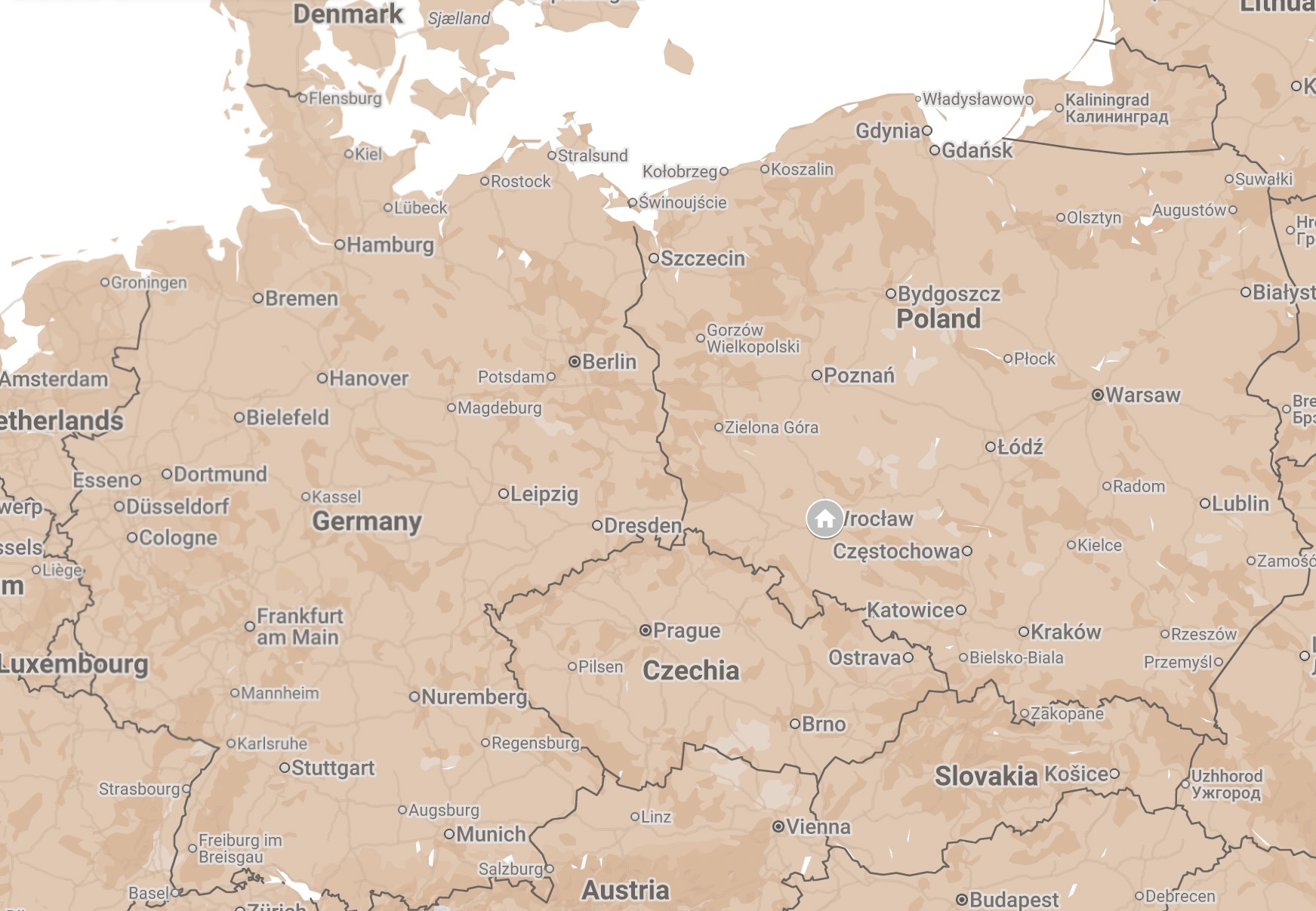
Members of the Boys were born in Breslau, Germany, now Wrocław, Poland.
The Boys were teenage and child-Holocaust survivors, who were brought to the UK after the war for rest and rehabilitation.
Members of the Boys were held in Nazi labour and concentration camps and used as slave labourers. They had also survived World War II in hiding or as lone children.
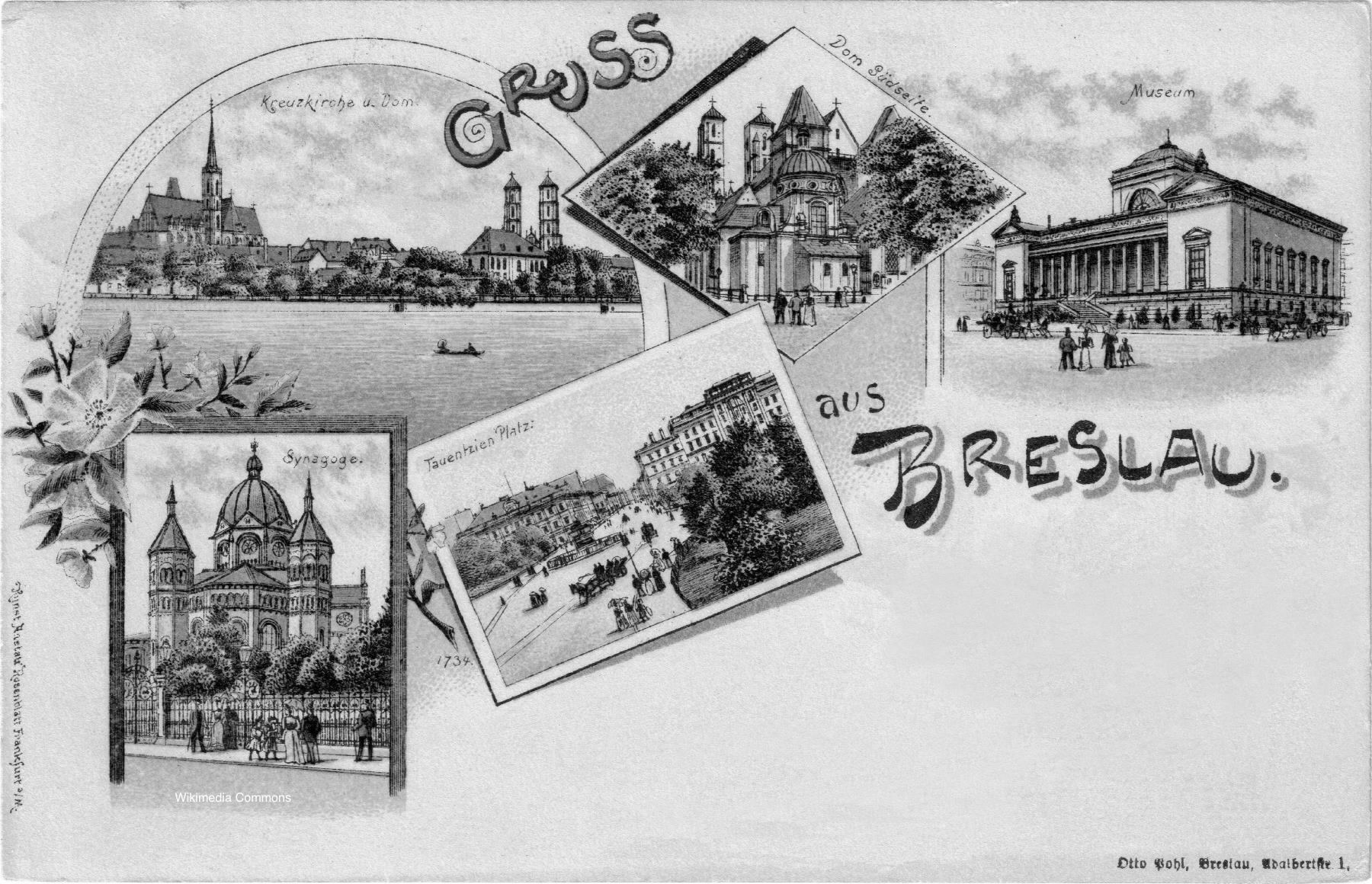
Wrocław is the historic capital of Silesia and it has changed hands repeatedly over the centuries. At different points throughout history, the city has been in the Kingdom of Poland, Bohemia, the Austrian Empire, Prussia and Germany. In 1945 the city became a part of Poland again as the borders of Poland were moved westwards in the immediate aftermath of World War II. The German population were expelled, among them German Jewish survivors. They were replaced by Poles from Vilnius and Lviv.
Getting there & around
There are direct flights from the UK to Wrocław–Copernicus Airport.
Wrocław Główny is the city’s main train station and serves as a major transit point for the Polish rail network, with many daily trains departing and arriving from all of the major cities in the country. There are also excellent bus and road connections.
The city centre is easily walkable and taxis are relatively cheap. Take a taxi to visit the two Jewish cemeteries.
There are tours to Gross Rosen 2kn south of Rogiźnica.
What to See
Synagogue & Jewish Community
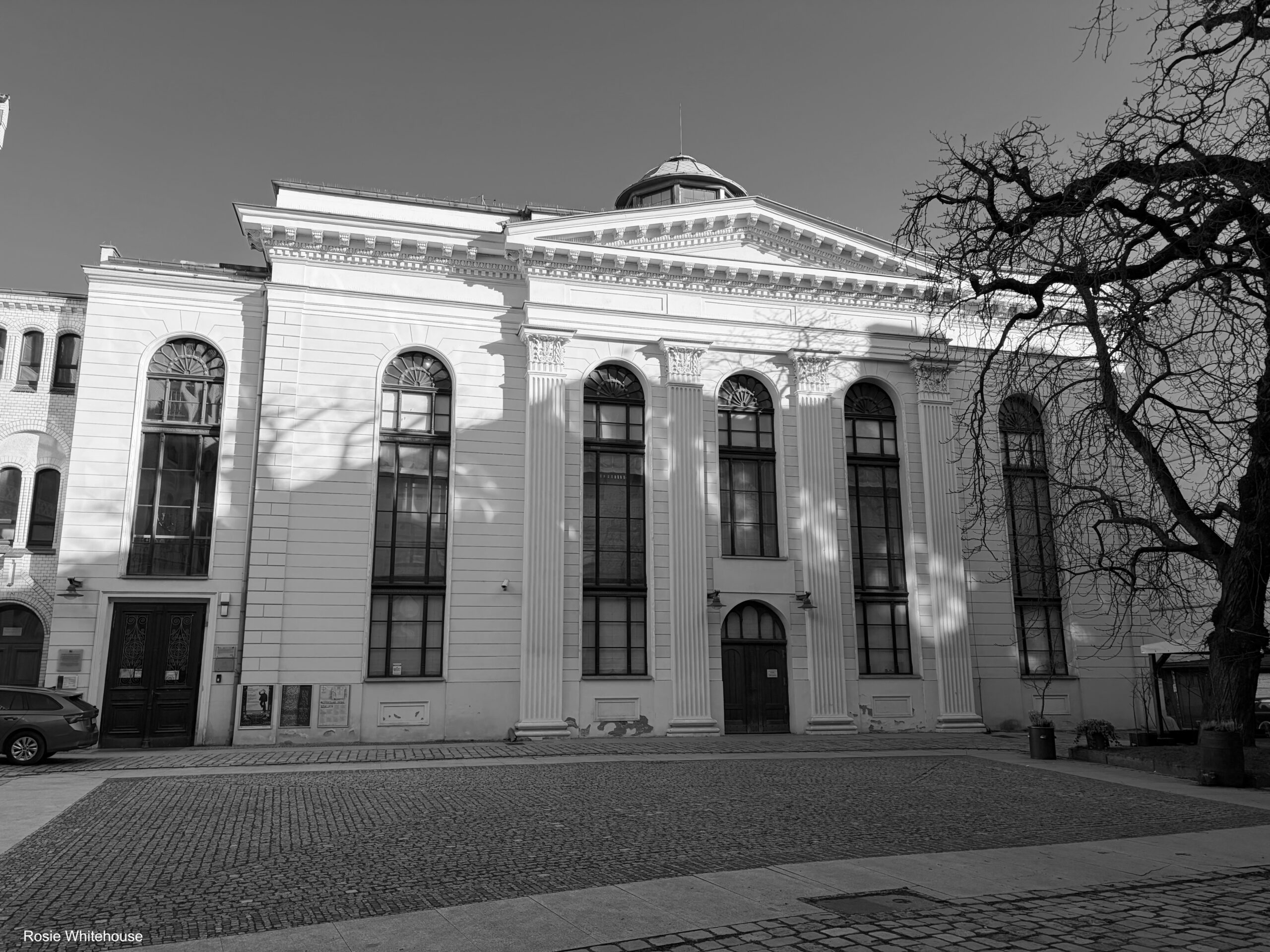
The White Stork Synagogue (Włodkowica Street, entry fee) The synagogue was severely damaged on Kristallnacht in 1938 but after a complete renovation reopened in 2010. It is the focal point for religious and cultural life, featuring a synagogue, a kosher cafe, and exhibition spaces.
The New Synagogue (located at today’s Łąkowa ul. 6 is marked by a small memorial) The synagogue was built for liberal Jews in 1872 and the second largest in Germany. It was destroyed on Kristallnacht.
A full walking tour of Jewish Wrocław leaflet is available at the synagogue.
Memorial
The Holocaust memorial is next to the synagogue.
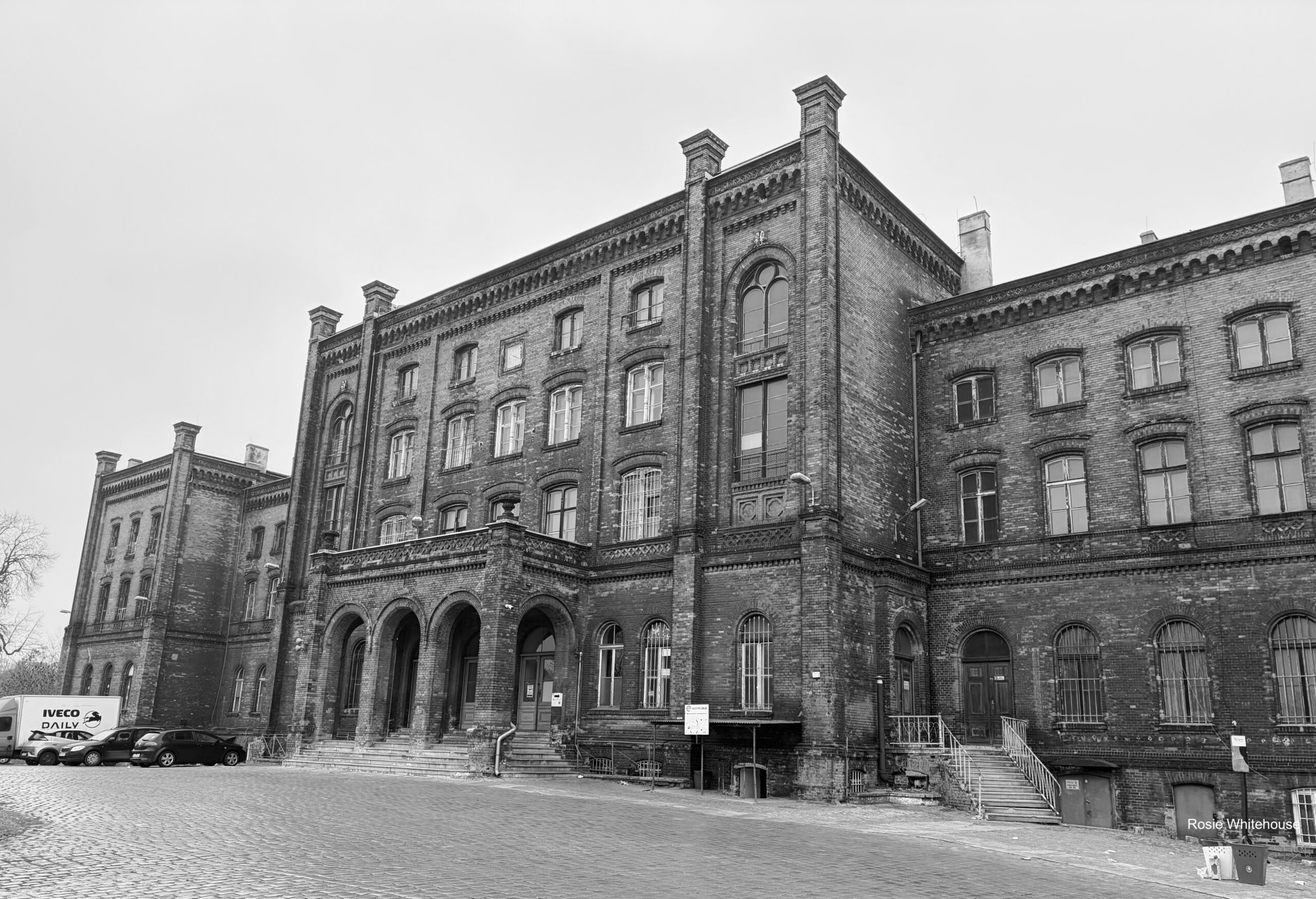
Odertor Railway Station (Dwórzec Nadodrze) Jews had to wait for deportation at collection points in front of the White Stork Synagogue and the vicinity of the present Nadodrze Station from where the majority of the trains left. There is no memorial.
In May 1942 trains also left from Wrocław Główny, the main station.
There is an extraordinary collection of photographs taken in secret of the deportation on w atlas.lastseen.org/en/image/breslau/18
Cemetery
Old Jewish Cemetery (ul. Ślężna) This is perhaps the most well-preserved testament to the former strength of Wroclaw’s pre-war Jewish community, with over 1200 gravestones. Closed in 1942, in 1945 it saw fierce fighting – some of the tombstones have eerie bullet holes.
New Jewish Cemetery (ul. Lotnicza) The fifth-largest Jewish cemetery is located northwest of the centre. Founded in 1902 when the Ślężna Street cemetery became too small, and is still in use by Wrocław’s Jewish community. It contains a memorial to Jewish soldiers killed in World War I.
Gross Rosen
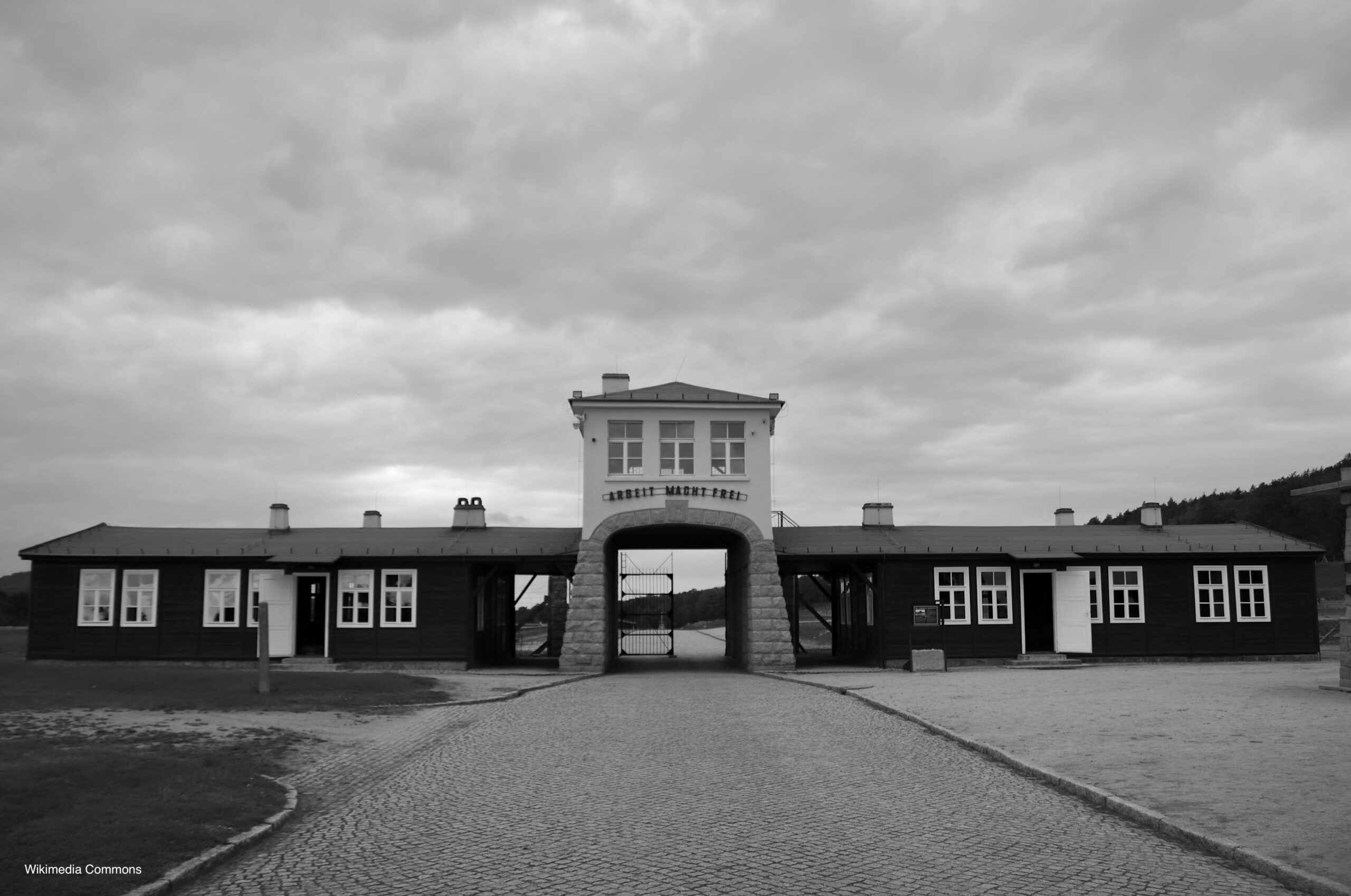
Muzeum Gross-Rosen (Ofiar Gross Rosen; w gross-rosen.eu; free) Initially a satellite of Sachsenhausen, Gross Rosen became an independent camp in 1941. Until 1943, it held mostly Polish and German political prisoners, when 57,000 Jewish prisoners were imprisoned here. Prisoners worked in the granite quarry. It was also a destination for many of the death marches endured by the Boys.
The camp was evacuated in February 1945; some of the original buildings remain.
Note that Gross-Rosen and its subcamps are not easy to visit if you don’t have a car.

 About
About History
 Education
 Quilts
 FIlms
FIlms Photos
 News Media & Events
 Publications
 Donate