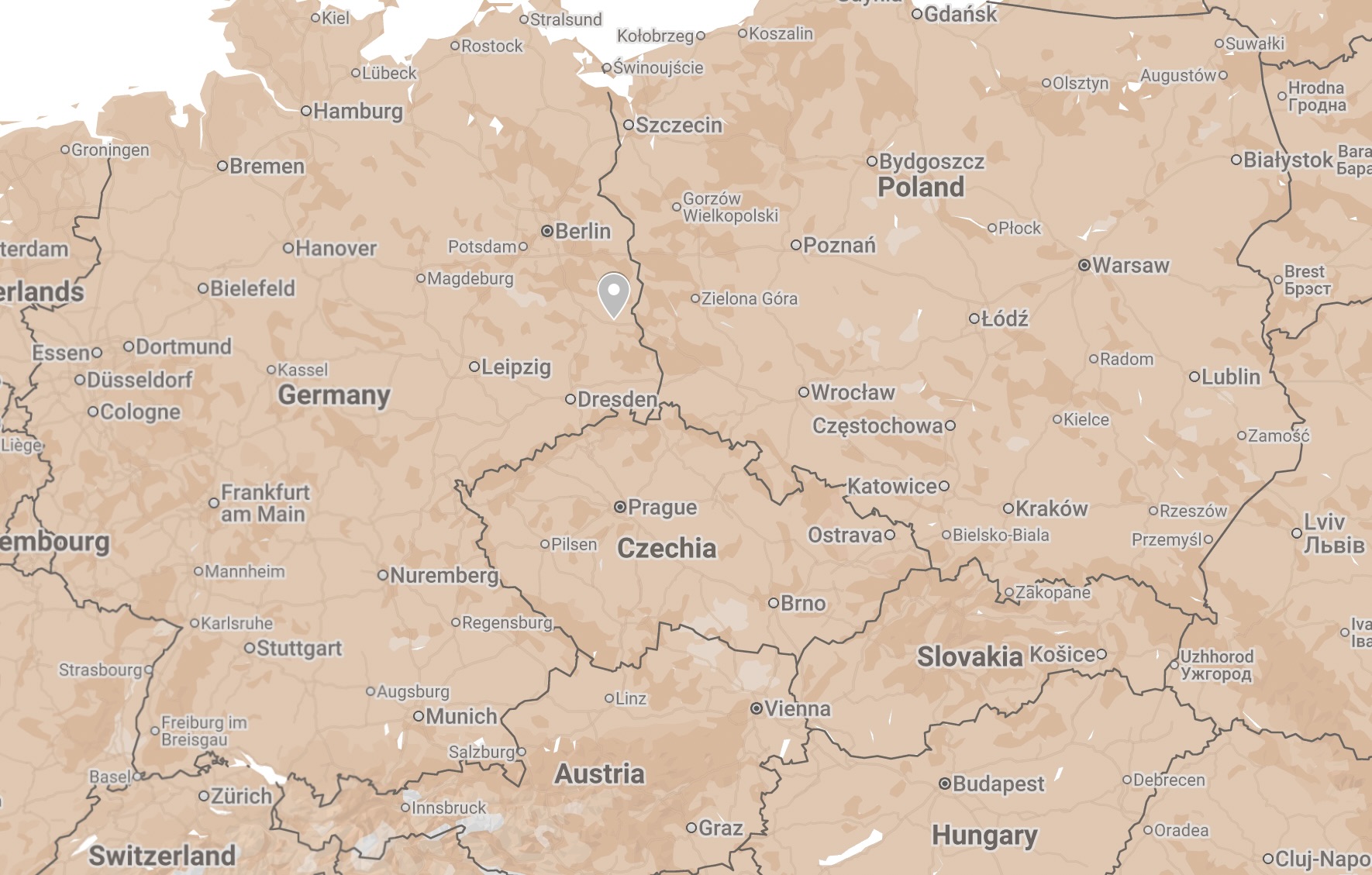
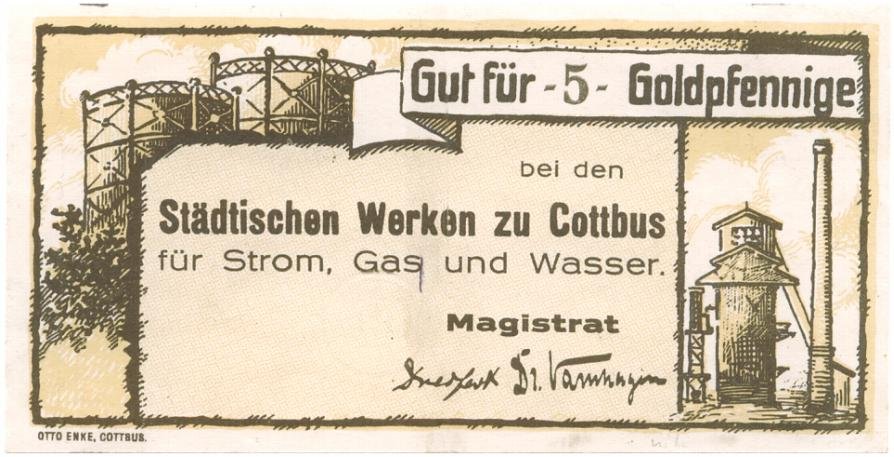
Members of the Boys were born in Cottbus in Germany.
The Boys were teenage and child-Holocaust survivors, who were brought to the UK after the war for rest and rehabilitation.
Members of the Boys were held in Nazi labour and concentration camps and used as slave labourers. They had also survived World War II in hiding or as lone children.
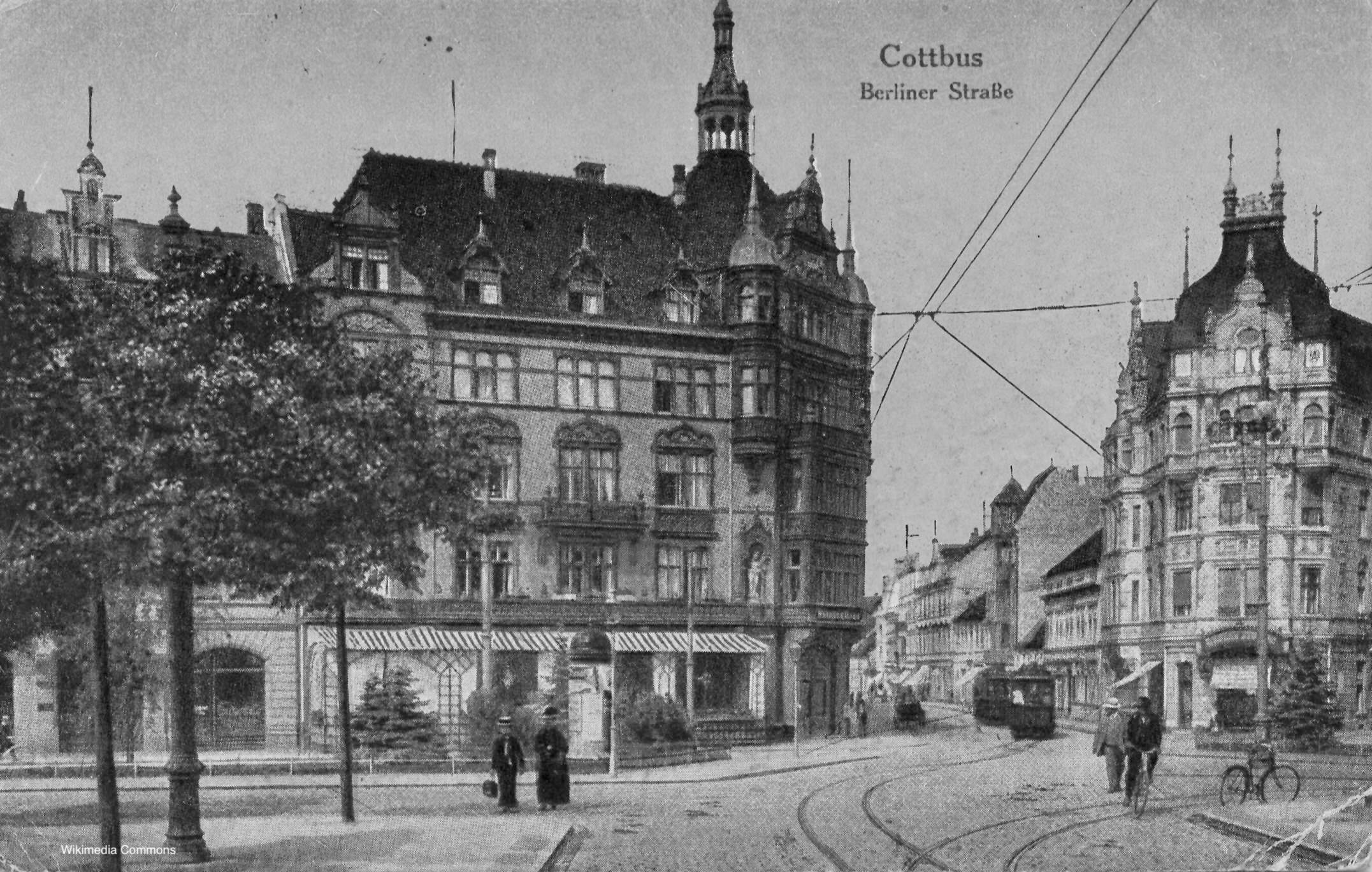
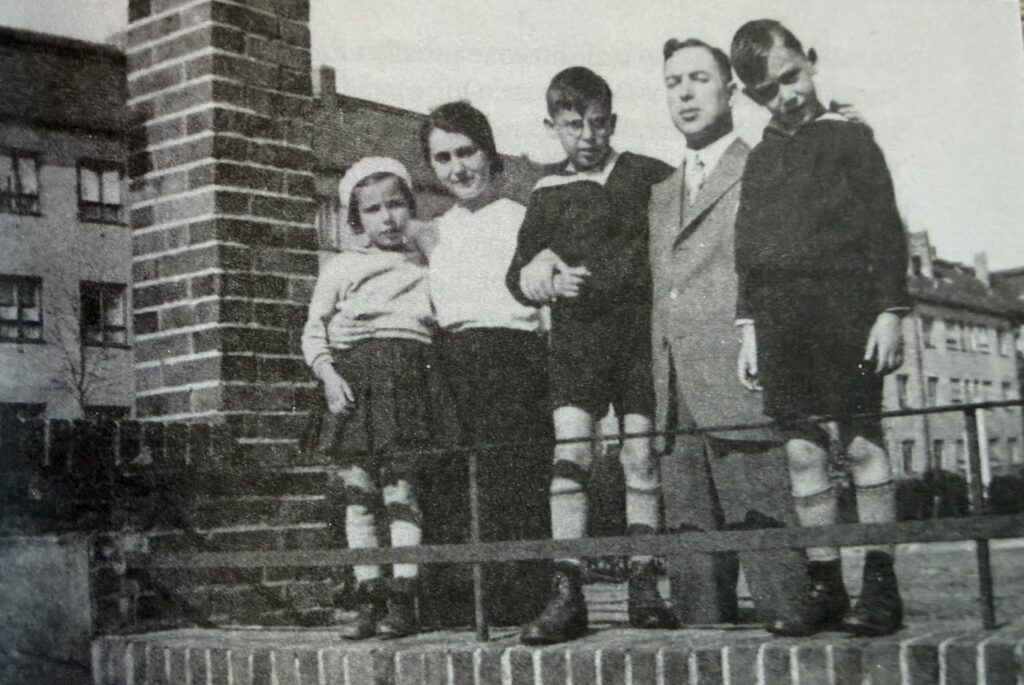
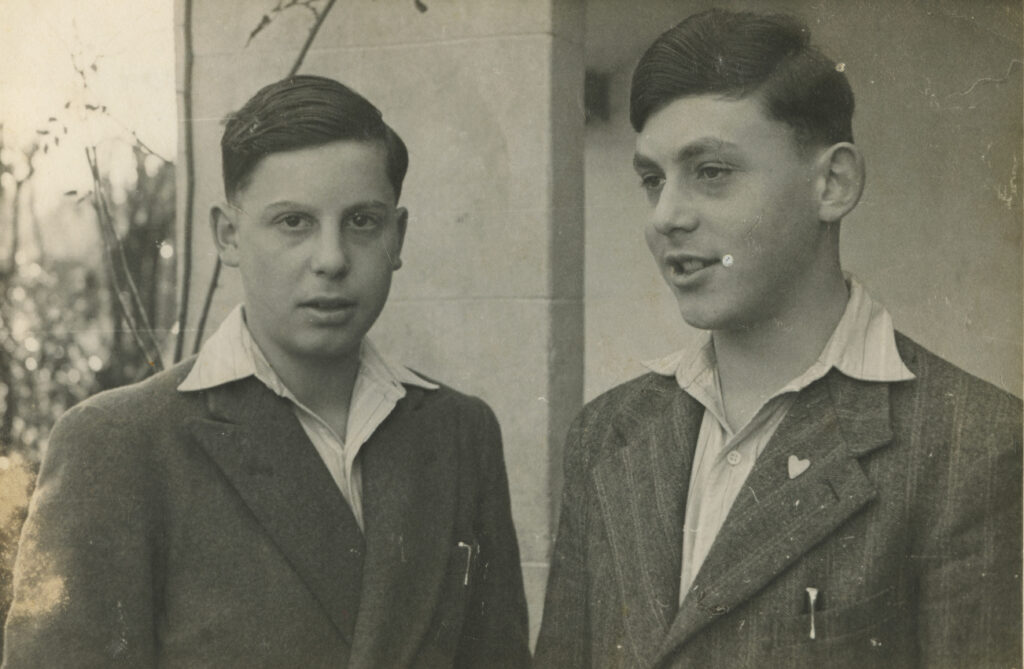
Benjamin and Racjela Schindler lived at Calauer Strasse 65. They had three children: Alfred (b. 1928), Max (b. 1929) and Cäcilie (b. 1930). Both Benjamin and Racjela had been born in Poland and did not have German citizenship.
“As the fall months wear on in 1937, Dad says the situation for Jews in Germany is changing steadily. It seems that Hitler is gaining popularity and his power is increasing. He is circulating propaganda in the newspapers, on the radio and in the movies to make people hate Jews.
Dad is concerned about Fred and me because there is growing aggression toward Jews in public. We reassure Dad that we are not suffering at school, which makes him feel a little better …
The next day, Dad informs us that the Germans came to his liquor store and took all its contents. He was ordered not to return. Fred and I jump up yelling, ‘They can’t do that!’
He orders us to sit down and listen. He continues, saying that throughout the ordeal people were throwing rocks and calling him a dirty Jew. He had no choice but to walk away.” – Max Schindler
Benjamin Schindler tried to emigrate to the United States, where he had relatives but the paperwork failed to come through before disaster struck.
Expulsion The family were deported from Cottbus in October 1938 in what was known as the ‘Poleaktion’, in which Polish born Jewish residents of Germany who did not have German citizenship were expelled from the Reich. The Schindler family were among over 17,000 Polish Jews who were sent to Poland within the space of just two days.
The Polenaktion (‘Polish Action’ in German) was the first forced expulsion of Jews from Germany and Austria. The expulsion led directly to Kristallnacht. Herschel Grynszpan, a 17-year-old living in Paris, shot a German diplomat after receiving the news that his family had been deported from Hanover.
The Schindlers made their way to their parents’ homes eventually settling in Brzesko.
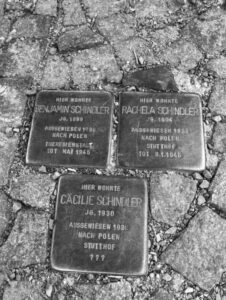
Holocaust When the war broke out they fled from their maternal grandmother’s house in Wytrzyszczka. The managed to avoid being forced into a ghetto but were eventually taken to a labour camp.
Benjamin and his two sons endured several concentration camps. Benjamin Schindler died in the Theresienstadt Ghetto just before the liberation after enduring a death march.
Racjela and her daughter Cäcilie died in the Stutthof concentration camp.
To find out more about Alfred Schindler click here and to read about the life of Max Schindler click here.
By May 1939, only 142 Jews remained in Cottbus.
Present-day
The Jewish community was formally re-established in 1998. Today, it consists of roughly 350–460 members, almost exclusively immigrants from the former Soviet Union
Getting there Cottbus is an hour by train from Berlin.
What to See
Synagogues
Site of the Old Synagogue The city’s original grand synagogue, dedicated in 1902, was destroyed by the Nazis during Kristallnacht in 1938. Today, a department store stands on the site at Karl-Liebknecht-Strasse 136.
The New Synagogue (Schlosskirche) A decommissioned Protestant church (the Schlosskirche) was converted into a synagogue in 2015.
Cemetery
Jewish cemetery (Dresdnerstrasse) The cemetery is located in a corner of the city’s main graveyard, featuring both historical graves and fresh stones belonging to the revived community.
What to read
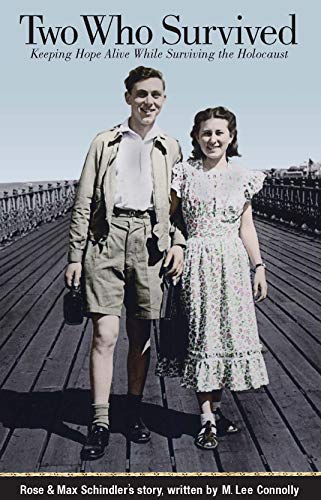
Two Who Survived: Keeping Hope Alive While Surviving the Holocaust (MRS, 2019) M. Lee Connolly. The story of Max Schindler and his wife Rose, who was also one of the Boys. To find out more click here.
 About
About History
 Education
 Quilts
 FIlms
FIlms Photos
 News Media & Events
 Publications
 Donate