Elbing, Germany

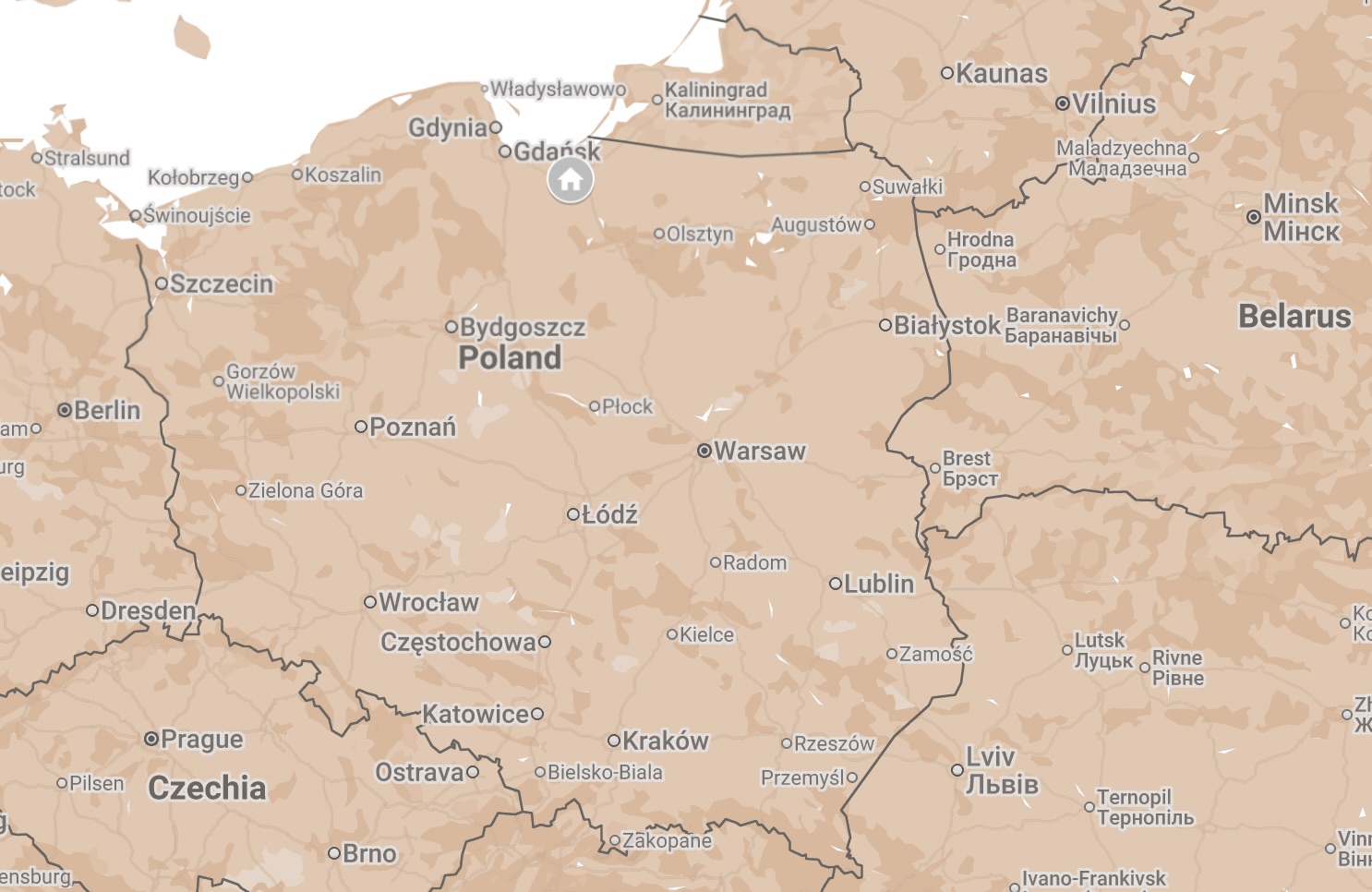
Members of the Boys were born in Elbing in Germany, now Elbląg in Poland.

The Boys were teenage and child-Holocaust survivors, who were brought to the UK after the war for rest and rehabilitation.

Members of the Boys were held in Nazi labour and concentration camps and used as slave labourers. They had also survived World War II in hiding or as lone children.
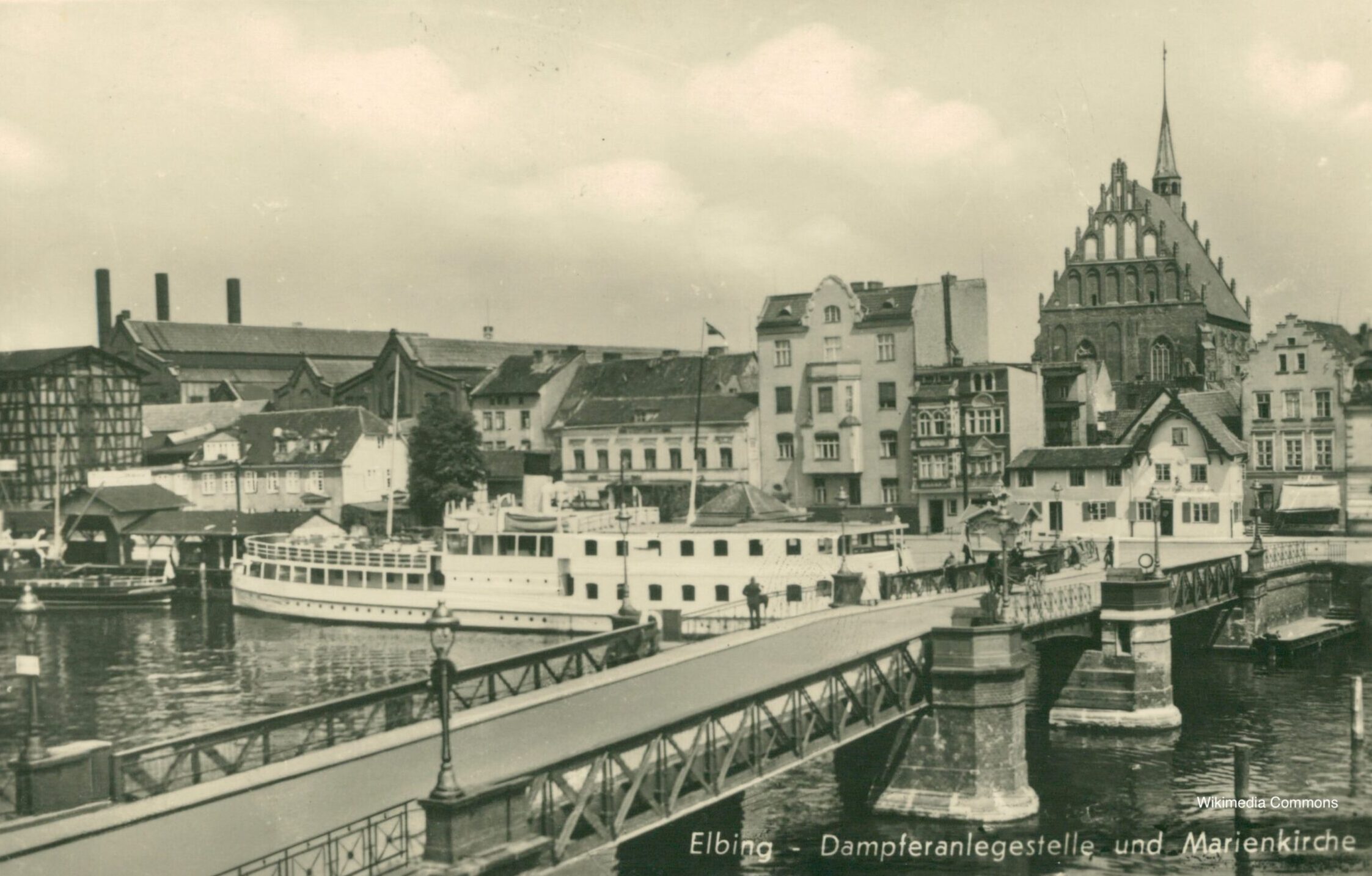
Photograph of Pre-World War II Elbing.

Pre-World War II Elbing.

Elbing, now known as Elbląg, is a city in northern Poland, which was formerly part of East Prussia with a long history of Jewish settlement.

The siblings Asta, Jacob and Samuel Berlowtz, all members of the Boys were born in Elbing. They came to the UK as the part of the First Group of the Boys in August 1945.

Background

Elbląg had a Jewish community for centuries, making significant contributions to the city’s cultural and economic life. 

The first Jews settled in the town in 1783. It is known that in 1812 there were 33 Jewish families living in Elbląg and in 1880 there were 549 Jews in the town. In 1812 a Jewish cemetery was established and in 1824 a synagogue was erected. The biggest cigarette factory group in eastern Germany, the Loeser & Wolff cigar factory, was founded in 1874 by a Jew from Elbląg. In 1926, the company employed as many as 4,000 workers.

Third Reich

Persecutions by the Nazis resulted in the mass migration of Jews. In 1933, the town had 367 Jewish inhabitants, and in 1936 – only 207. The remaining Jews were moved to the area of Wyspa Spichrzow, an unofficial ghetto. They were deported to ghettos in Theresienstadt, Łódź, Riga, Piaski and Kaunas.

The Stutthof concentration camp, located near Elbląg, was a major site of Nazi persecution.

Aftermath

After World War II the city became part of Poland. 

There has not been an organised Jewish community in Elbląg since World War II.

Visiting Elbląg
>

Getting there

The nearest international airports are in Gdańsk, Warsaw and Bydgoszcz. It is possible to get to Elbląg by bus and train from other large cities of Poland by bus.

Cemetery

Former Jewish Cemetery (Brzeska ul.)The cemetery was devastated by the Nazis and the tombstones later used to pave city squares in the 1960s. Today, it is a public park. There is a Holocaust memorial at the site.

Photograph of Pre-World War II Elbing.
Contact:
team@45aid.org
45 Aid Copyright 2026
45 aid society is a registered charity
in England and Wales (243909)
Design and development:
Graphical