Members of the Boys were born in Graz in Austria.
The Boys were teenage and child-Holocaust survivors, who were brought to the UK after the war for rest and rehabilitation.
Members of the Boys were held in Nazi labour and concentration camps and used as slave labourers. They had also survived World War II in hiding or as lone children.
Background
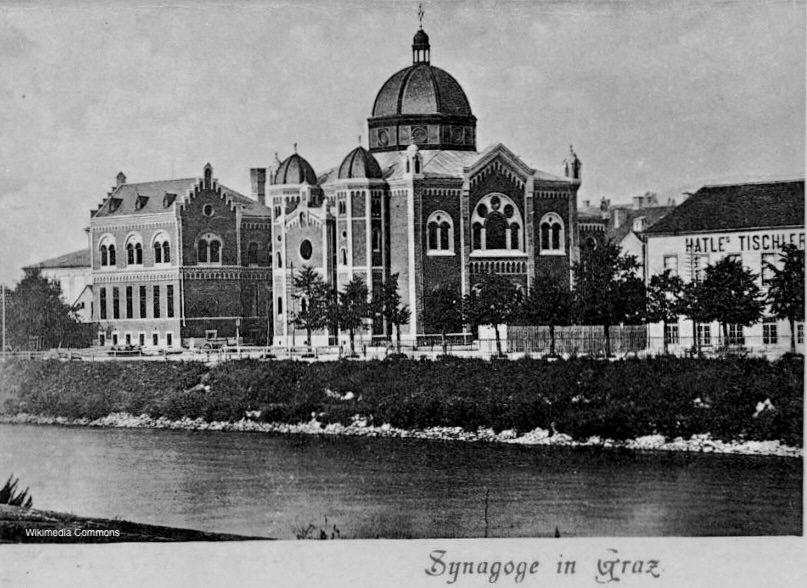
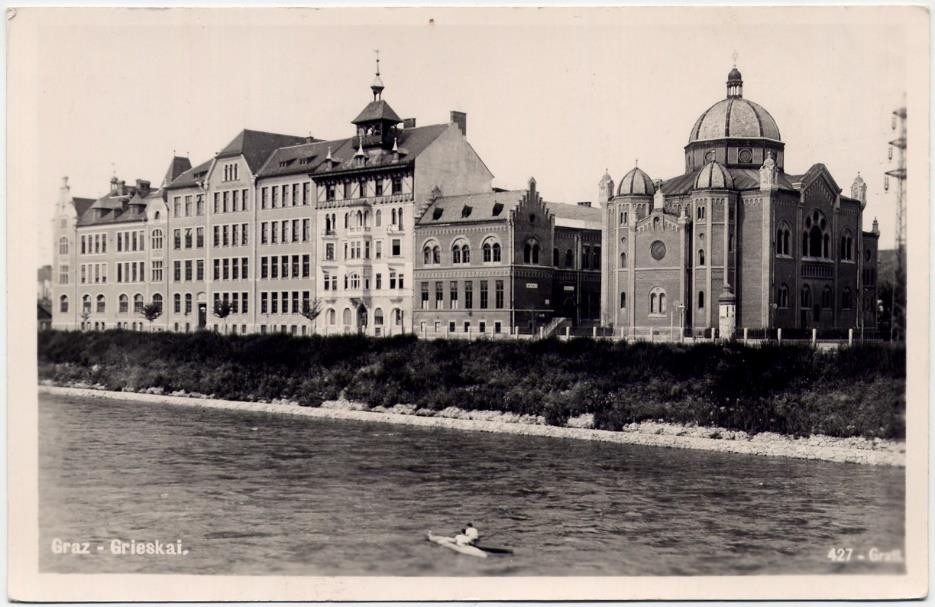
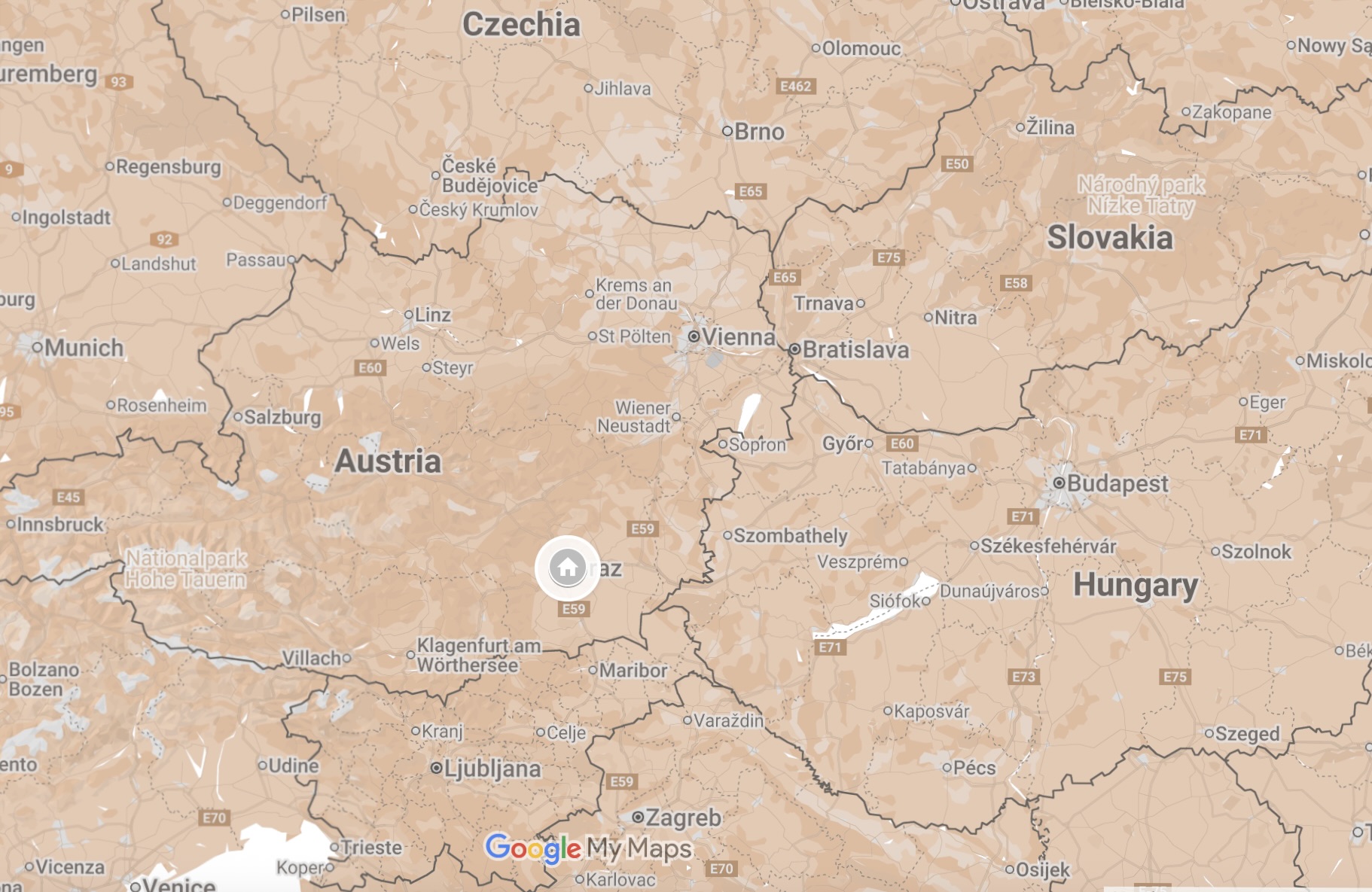
Graz is the capital city of the Austrian province of Styria. The Jewish presence in Graz dates back to the Middle Ages. As in most other Austrian cities, the community was extremely small until the end of the 18th century.
Third Reich
Getting there The city has its own airport and excellent road and rail connections.
What to see
Synagogue (David Herzog Platz 1) Consecrated in 2000 on the site of the original synagogue destroyed during Kristallnacht, it incorporates 40,000 bricks recovered from the ruins of its predecessor, symbols of continuity.
Cemetery (Alte Poststrasse 241) Established in 1864 in the Wetzelsdorf district, it contains over 1,450 graves.
 About
About History
 Education
 Quilts
 FIlms
FIlms Photos
 News Media & Events
 Publications
 Donate