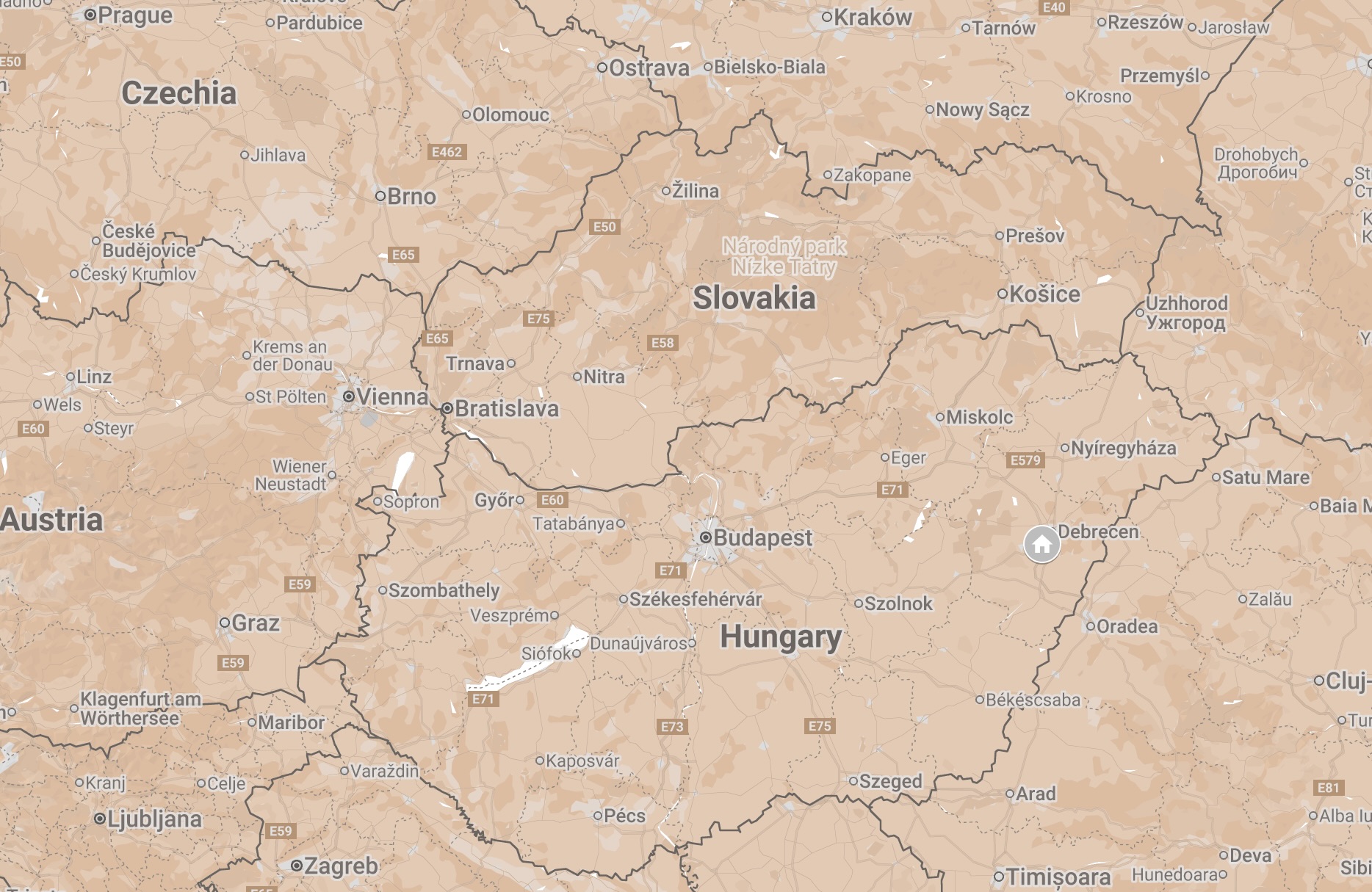
Members of the Boys were born in Hajdu County in eastern Hungary.
The Boys were teenage and child-Holocaust survivors, who were brought to the UK after the war for rest and rehabilitation.
Members of the Boys were held in Nazi labour and concentration camps and used as slave labourers. They had also survived World War II in hiding or as lone children.
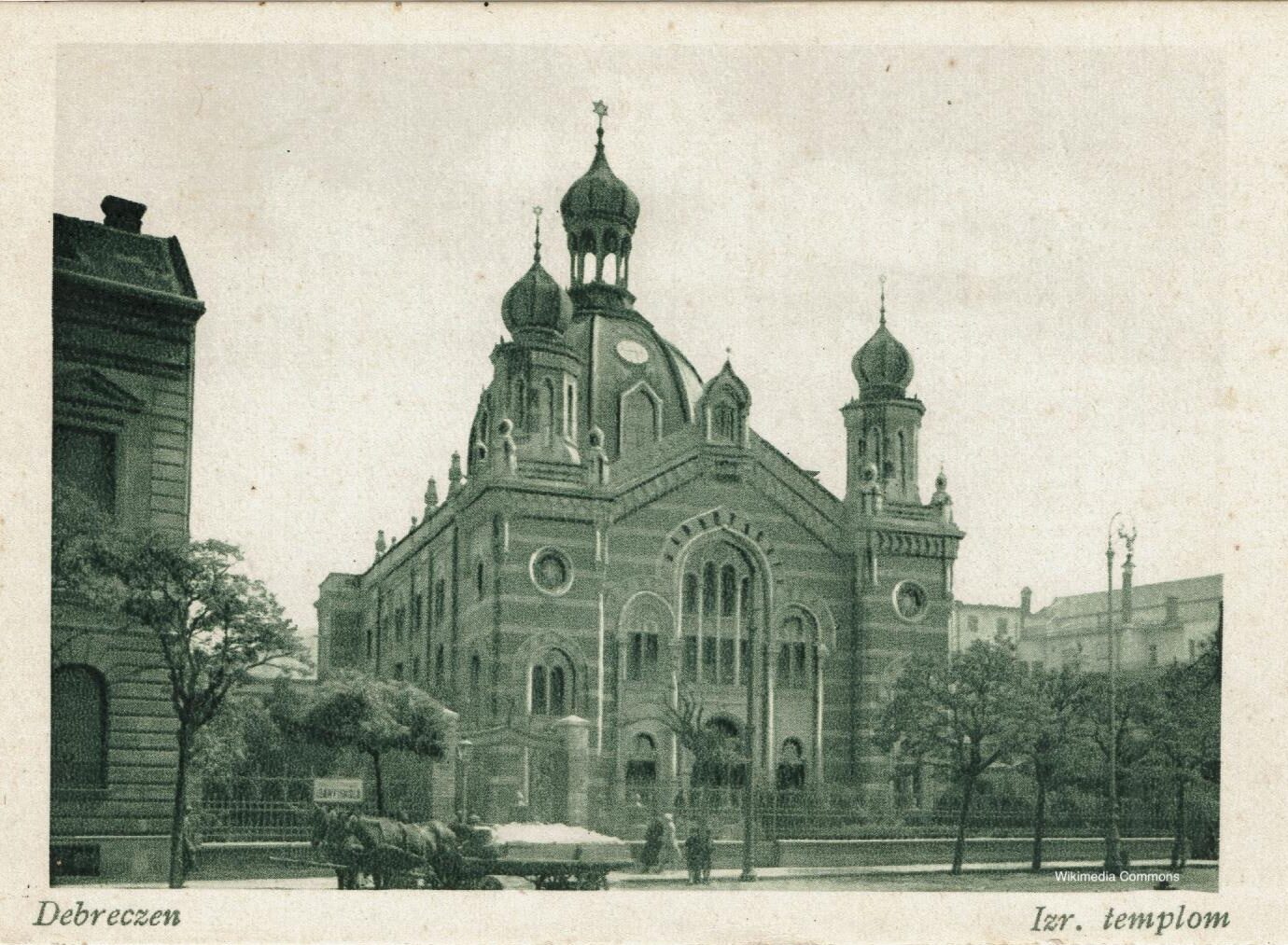
Hajdu was an administrative county of the Kingdom of Hungary. It had a population of over 13,000 Jews in the early 20th century. The capital was Debrecen, which was the home of four members of the Boys: the Jacob siblings and Alzbeta Marton. Moses Deutsch was from Hajduhadhaz and Josef Hornstein was born in Hajdannas.
Background
Before World War II, the Jewish community in Debrecen was well-integrated, with intellectuals like Alajos Popper and Albert Kardos promoting Magyarization and participating in liberal and conservative political circles.
The Jewish population in Debrecen grew significantly throughout the late 19th and early 20th centuries, reaching approximately 12,000 by 1940. Debrecen had a Jewish secondary school and several synagogues, including the Orthodox synagogue and a Neological synagogue both built in the 1890s.
The Hungarian antisemitic laws of 1938 caused many businesses to close when persecution of the Jewish community began.
1944
An estimated 12,000 Jews were left in Debrecen, when German forces entered the city on 20 March 1944. A ghetto was established by May 1944. To find out more about the ghetto click here. The members of the Boys from Debrecen were deported to the Theresienstadt Ghetto. To find out more click here. The majority of the regions Jews were taken to Auschwitz II-Birkenau concentration and extermination camp. For more information on the camp click here.
Aftermath
Some 4,000 Jews from Debrecen survived the war, creating a community of 4,640 in 1946, the largest in the region.
Today, Debrecen’s Jewish community is the second largest in Hungary with about 1,500 members.
Getting there Debrecen airport is the second biggest in Hungary and has good European connections. There are direct trains from Budapest.
Getting around The quickest way to get around Debrecen is by foot. Hajduhadhaz is 18km north of Debrecen. There is a direct train. Hajdannas is 46km north of the city and can also be reached by train.
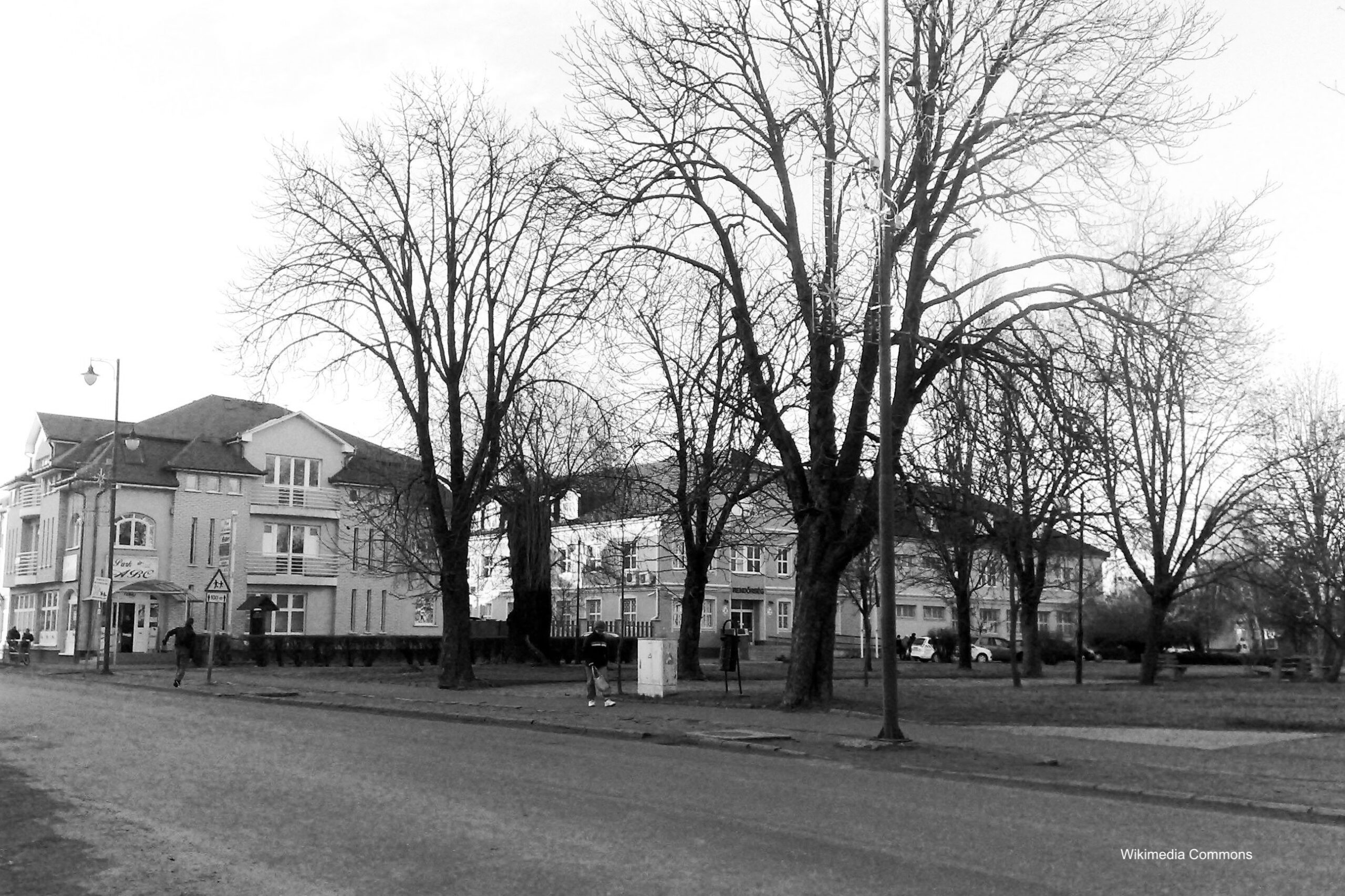
Debrecen
Synagogue
The community maintains a synagogue on Pásti Street.
Cemetery (44 Monostorpályi Street)
Hajdannas
Jewish Cemetery (The cemetery is located along a dirt road that starts from Polgári Street) Established in 1839, it contains graves from 1840 to 1958, including the Ohel of Rabbis Israel Efraim Fishel Sofer and Benzion Halpert. The site is fenced and includes Holocaust memorials. Hajdannas was the hometown of Josef Hornstein.
Hajduhadhaz
Jewish Cemetery (Irinyi János street, at the intersection with Dorogiás Street) There are approximately 175 tombstones. The last recorded burial took place in 1993. Hajduhadhaz was the birthplace of Moses Deutsch.
 About
About History
 Education
 Quilts
 FIlms
FIlms Photos
 News Media & Events
 Publications
 Donate