Background
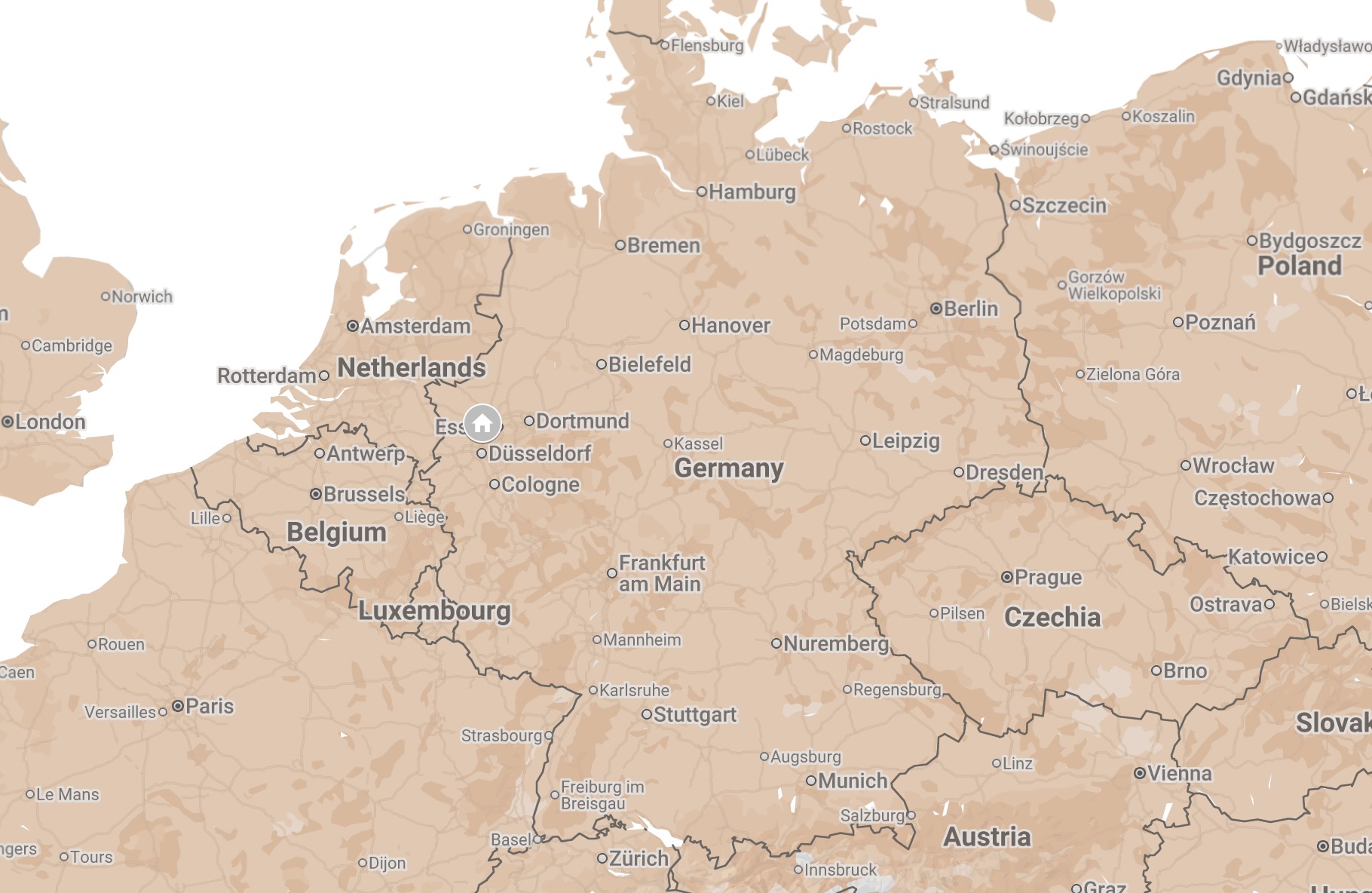
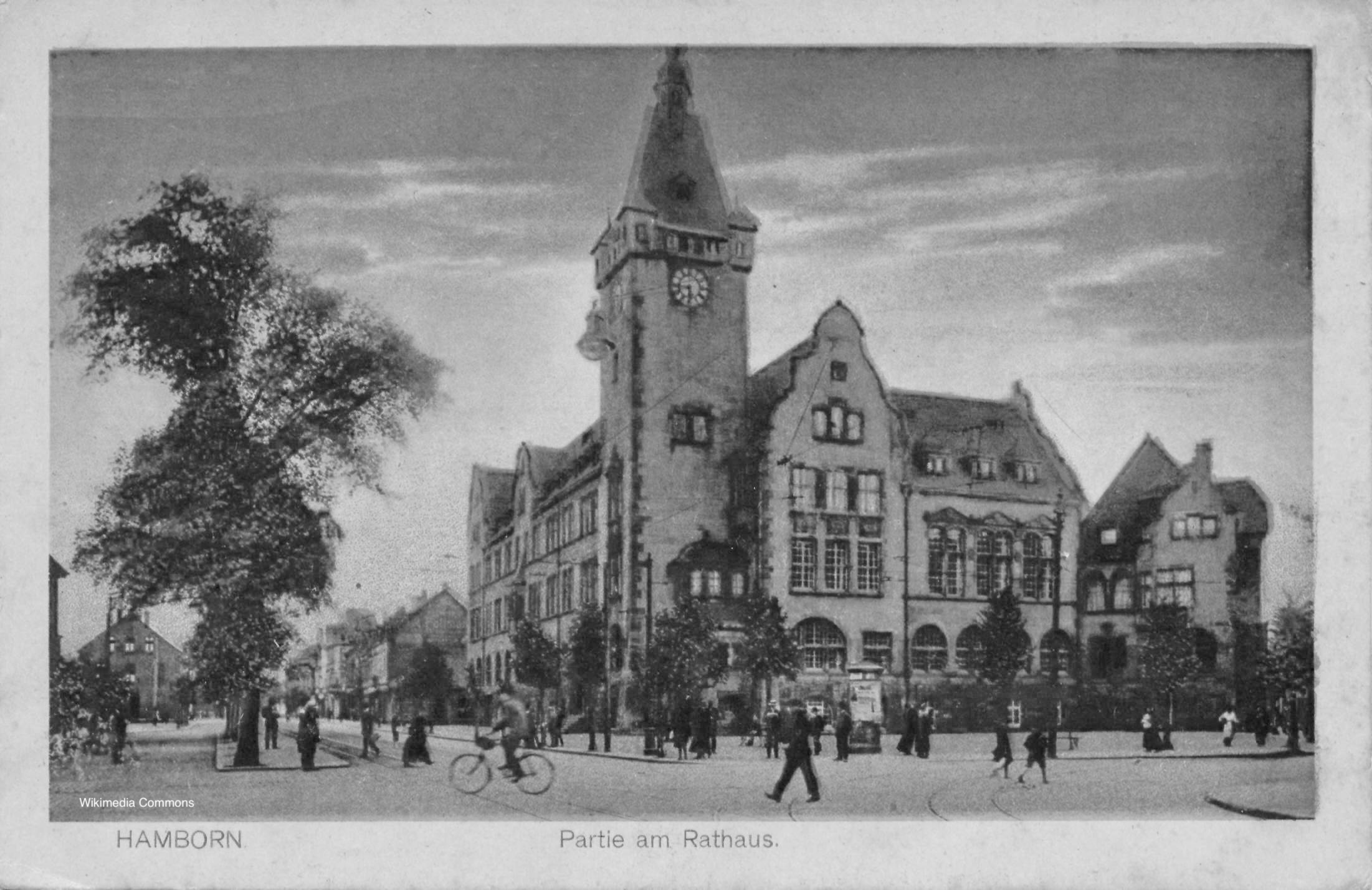
Hamborn, now part of Duisburg, Germany, had a significant Jewish community before the Holocaust. A small Jewish settlement existed there from the second half of the 13th century whose members were massacred in the wake of the Black Death in 1350. No Jews then lived in Hamborn until the 18th century.
An organised community was established in 1793. A synagogue was built in 1826 and was replaced by a larger one in 1875. Antisemitic outbursts occurred in the Hep! Hep! riots of 1819 and in 1885, reflecting the wider rise in antisemitic agitation across Germany in the late 19th century.
After World War I, Hamborn’s Jewish population increased significantly due to immigration from Poland and Galicia, many of them economic migrants seeking stability in the Ruhr industrial region. By 1933, the community numbered approximately 2,560.
Third Reich
The rise of the Nazi regime brought escalating persecution. In October 1938, 144 Polish Jews were expelled as part of the nationwide deportation of Polish nationals. In October 1938, 144 Polish Jews were expelled.
On Kristallnacht (9–10 November 1938), the synagogue was set on fire and 40 Jewish homes were vandalised. Some Jewish children were sent to Holland on the Kindertransport, with some later reaching England, where they survived the war.
The remaining 809 Jews in Hamborn were crowded into 11 so-called Judenhäuser (Jewish houses), pending deportation. Beginning in 1941, they were sent east to ghettos in occupied Poland, including Litzmannstadt (Łódź) and Theresienstadt, and later to extermination camps, where most were murdered
Aftermath
Only a handful of Hamborn’s Jewish residents survived the Holocaust. In the post-war years, a small Jewish community re-emerged in Duisburg. It was boosted in numbers in the late 1990s by emigration from the former Soviet Union.

 About
About History
 Education
 Quilts
 FIlms
FIlms Photos
 News Media & Events
 Publications
 Donate