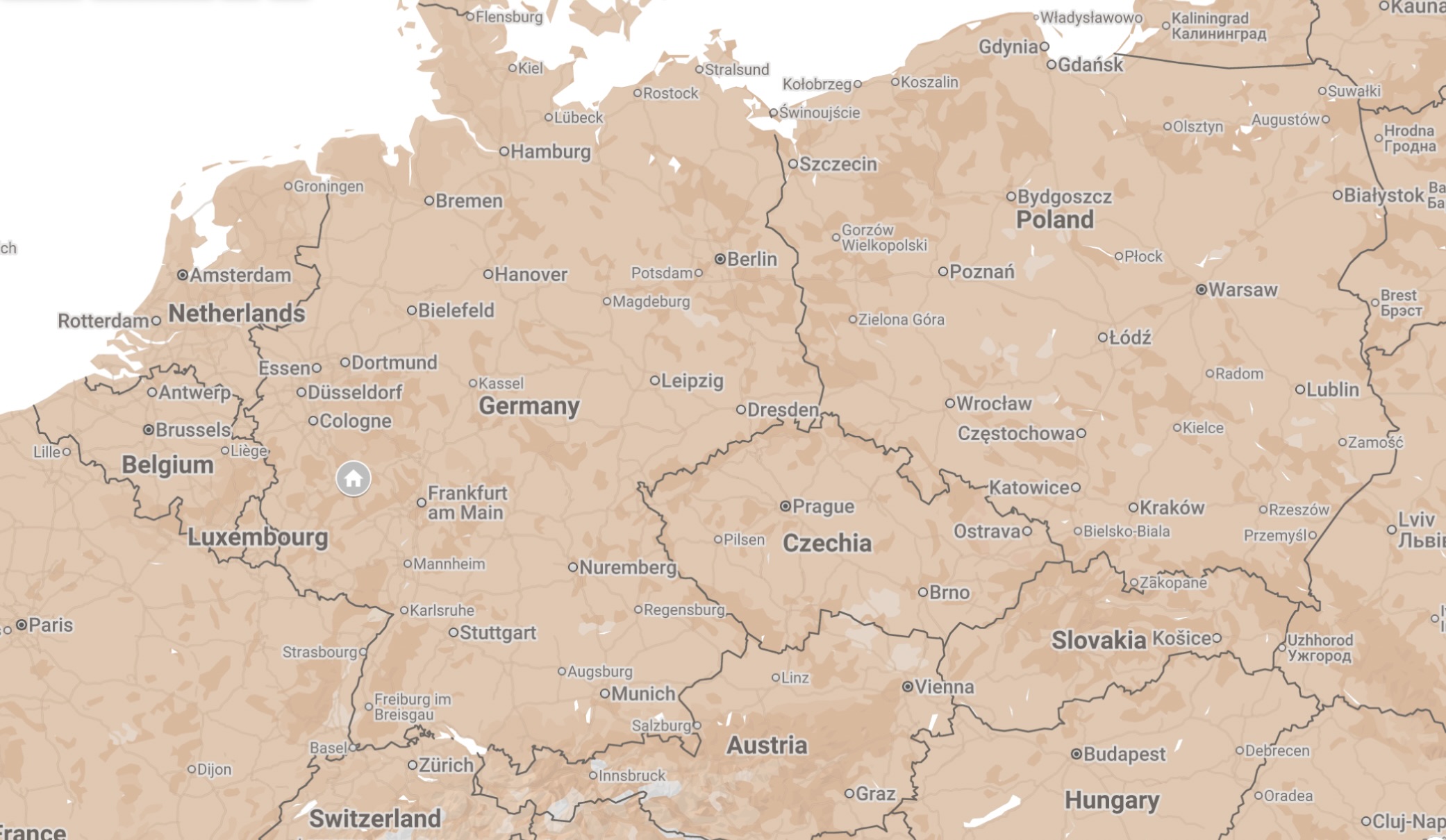
Members of the Boys were born in Koblenz in Germany.
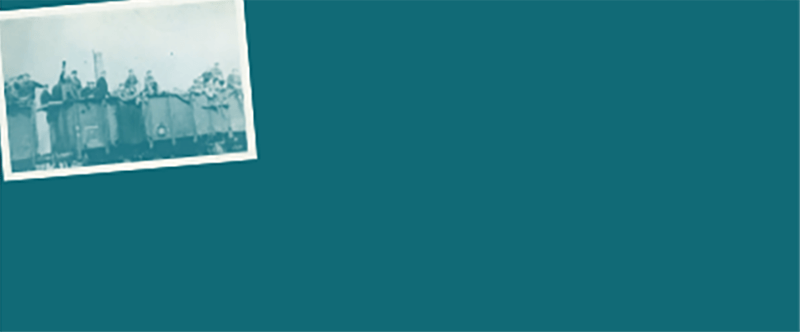
The Boys were teenage and child-Holocaust survivors, who were brought to the UK after the war for rest and rehabilitation.
Members of the Boys were held in Nazi labour and concentration camps and used as slave labourers. They had also survived World War II in hiding or as lone children.
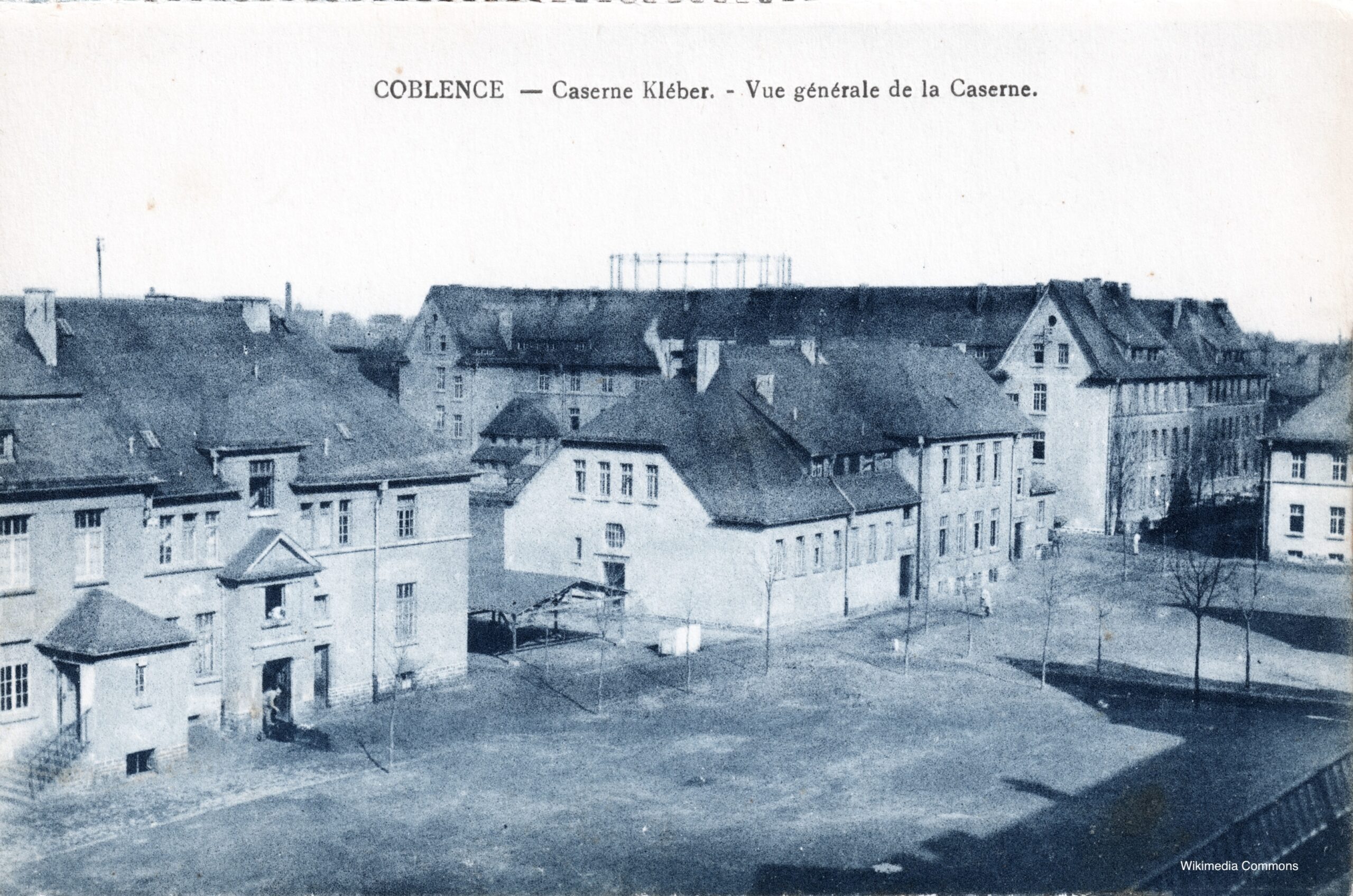
Getting there Koblenz is easily accessible by train from Frankfurt and Cologne.
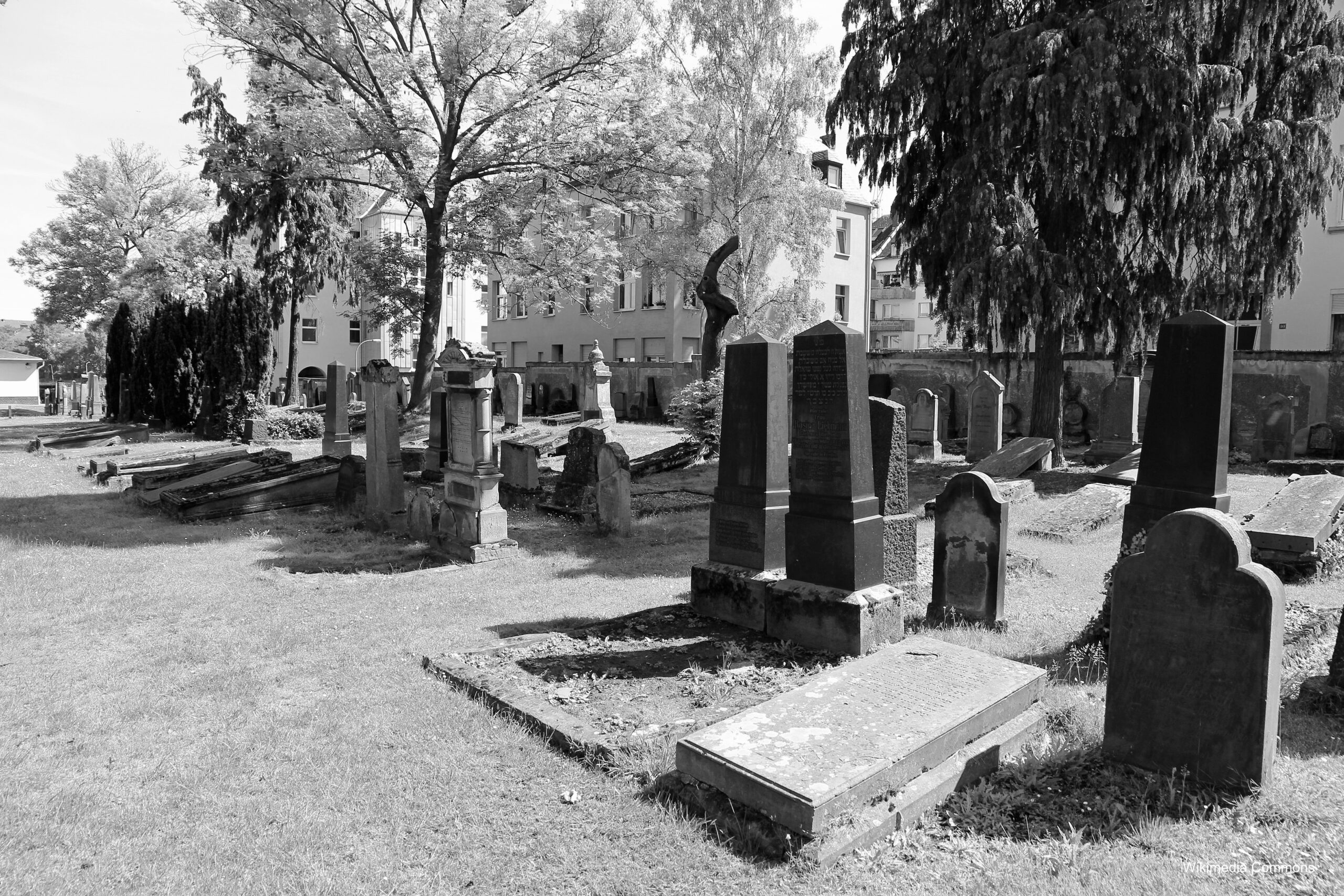
Cemetery (Schwerzstrasse 14) Dating back to the 14th century and the cemetery contains tombstones from as early as 1657 and a Holocaust memorial. This is also the site of the current synagogue.
Bürresheimer Hof (Florinsmarkt 13) This building served as the community’s synagogue, school, and community hall from 1848 until its interior was destroyed during Kristallnacht in 1938. Today, it has been renovated and serves as a public library with a memorial room dedicated to the former Jewish community.
 About
About History
 Education
 Quilts
 FIlms
FIlms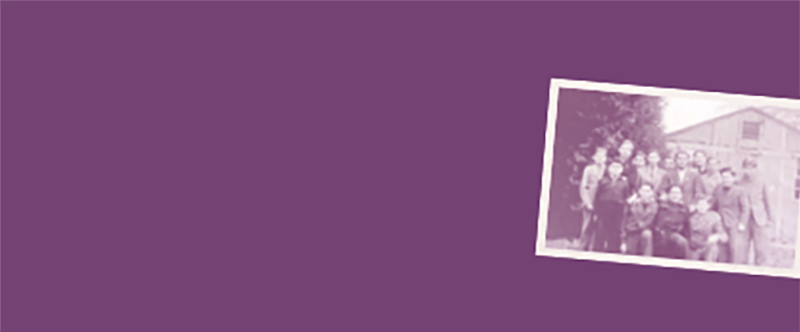 Photos
 News Media & Events
 Publications
 Donate