Königsberg, Germany

Members of the Boys were born in Königsberg in Germany, which is now Kaliningrad in Russia.

The Boys were teenage and child-Holocaust survivors, who were brought to the UK after the war for rest and rehabilitation.

Members of the Boys were held in Nazi labour and concentration camps and used as slave labourers. They had also survived World War II in hiding or as lone children.
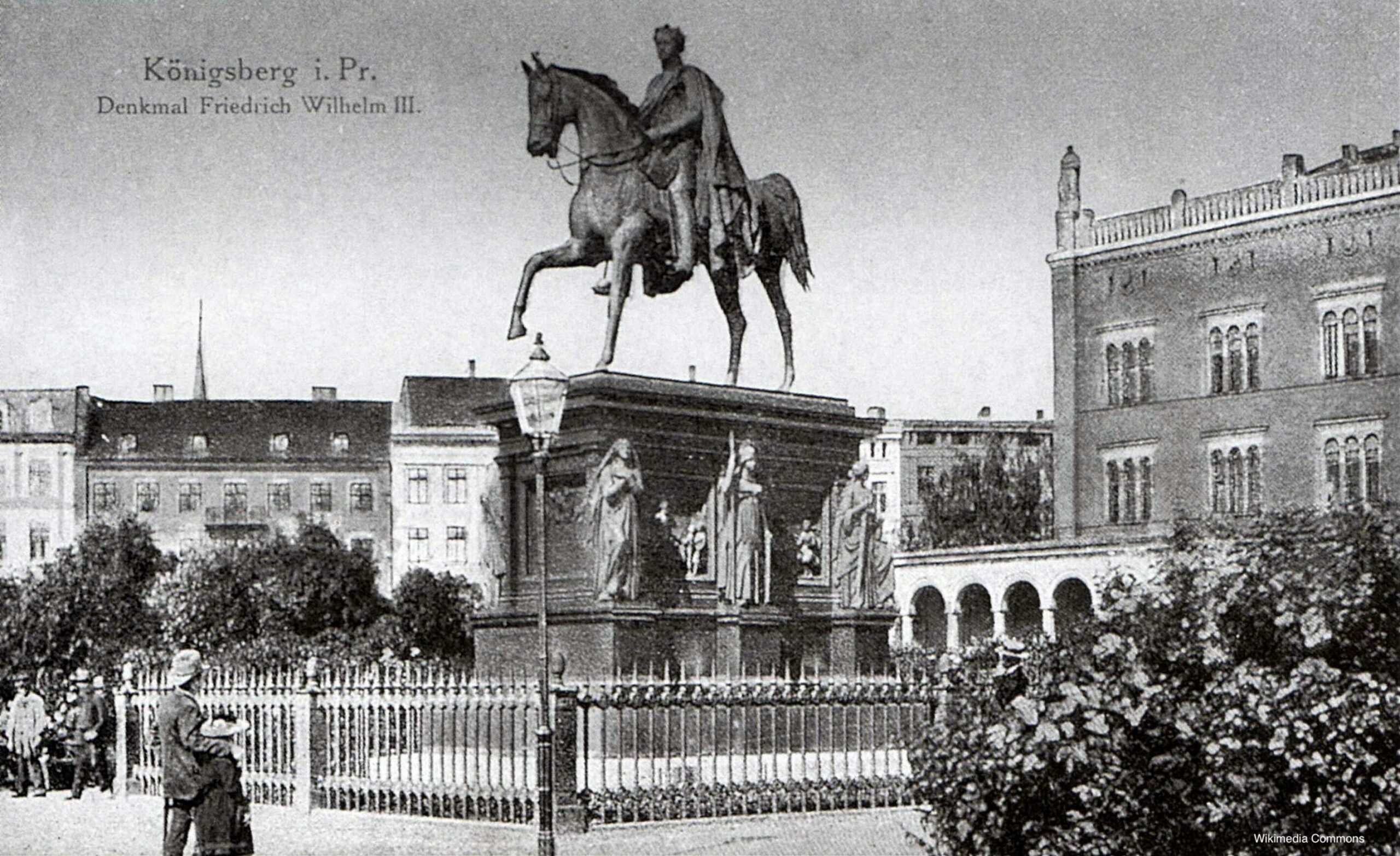
Postcard of the statue of Fredrich Wilhelnm III in Königsberg.

Postcard of the statue of Fredrich Wilhelnm III in Königsberg.

Königsberg, once the capital of East Prussia (now Kaliningrad, Russia), had a Jewish presence dating back to the early 16th century. The community flourished during the 19th century, contributing to cultural, academic, and commercial life in the city. Königsberg’s Jewish population included professionals, merchants, and scholars, and the city became known for its synagogues, schools, and Zionist activity.

Third Reich

By the early 20th century, the community numbered around 3,000. However, the rise of Nazism and subsequent antisemitic persecution reduced the population to 3,500 by 1933, and then to 1,585 in May 1939.

The main synagogue was destroyed during Kristallnacht in 1938, when many families were deported or fled. Emigration was prohibited after 1939. Deportations intensified in 1941, when Jews were sent to ghettos and camps in Riga, Minsk, Kaunas and Theresienstadt. By the end of World War II, the once-thriving community had been virtually annihilated.

Aftermath

After the war, Königsberg was annexed by the Soviet Union and renamed Kaliningrad. Under Soviet rule, no Jewish community was officially re-established.

Present-day

A community of roughly 3,000 Jews exists in the region, with active cultural, educational, and religious life


Visiting Kaliningrad
>

Getting there

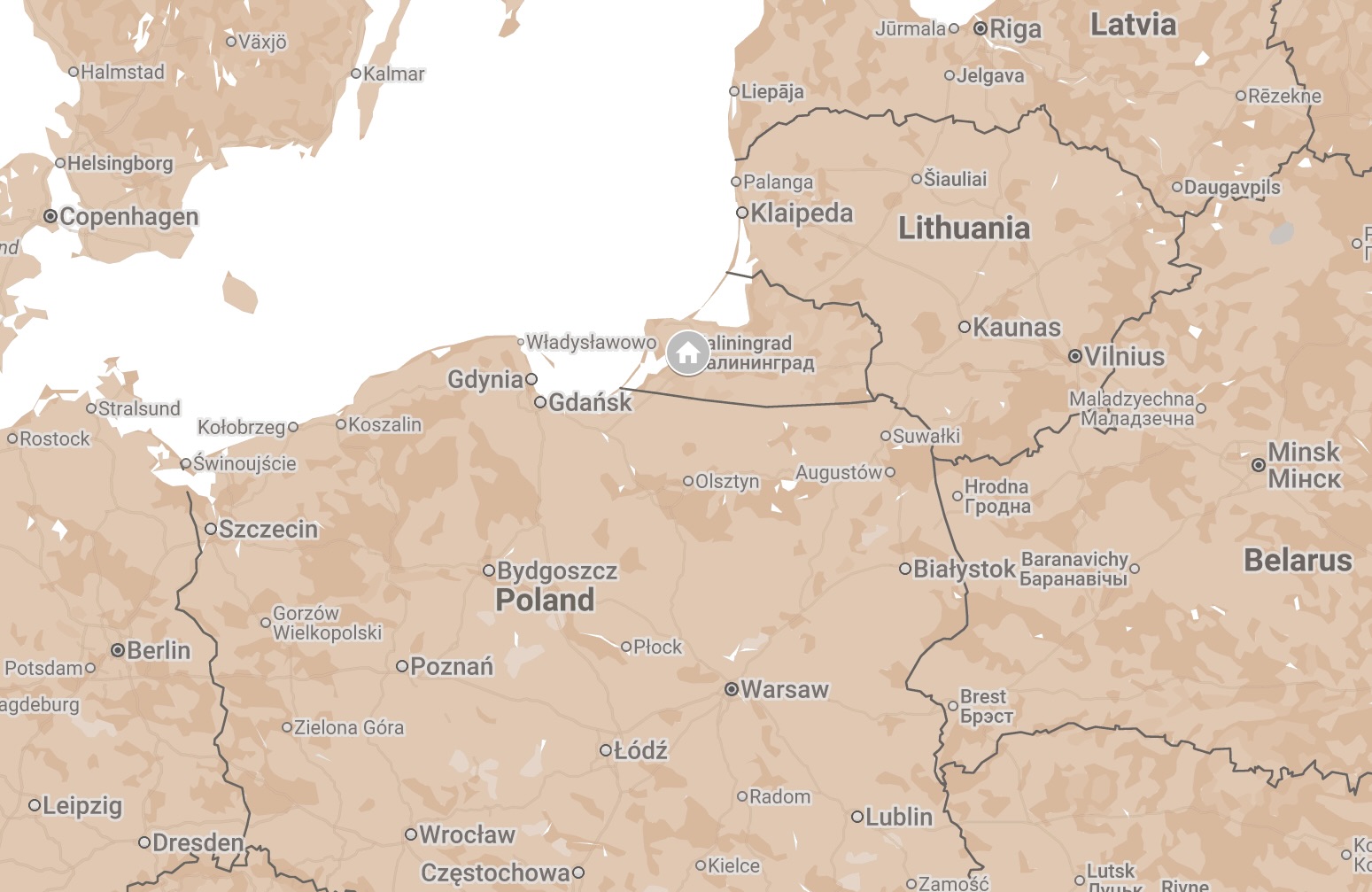
It is only possible to fly to Kaliningrad from Moscow or St Petersburg. Access by road is possible at designated crossing points.

What to See

Synagogue (ul. Oktyabrskaya) The reconstructed synagogue was destroyed during Kristallnacht in 1938. A memorial plaque to victims of the Holocaust is attached to the red building next door, a former Jewish orphanage. The synagogue complex has an exhibition on the Holocaust.

Further afield

On the coast 50km from Kaliningrad city, Yantarny, then known as Palmnicken, was, in late January 1945, the culmination of a death march for some 3,000 women and children from concentration camps in the region. Here they were forced into the ice-covered water and mown down by machine gun fire. Only 13 people survived. There is a memorial on the seafront north of the town off ul. Sovetskaya.
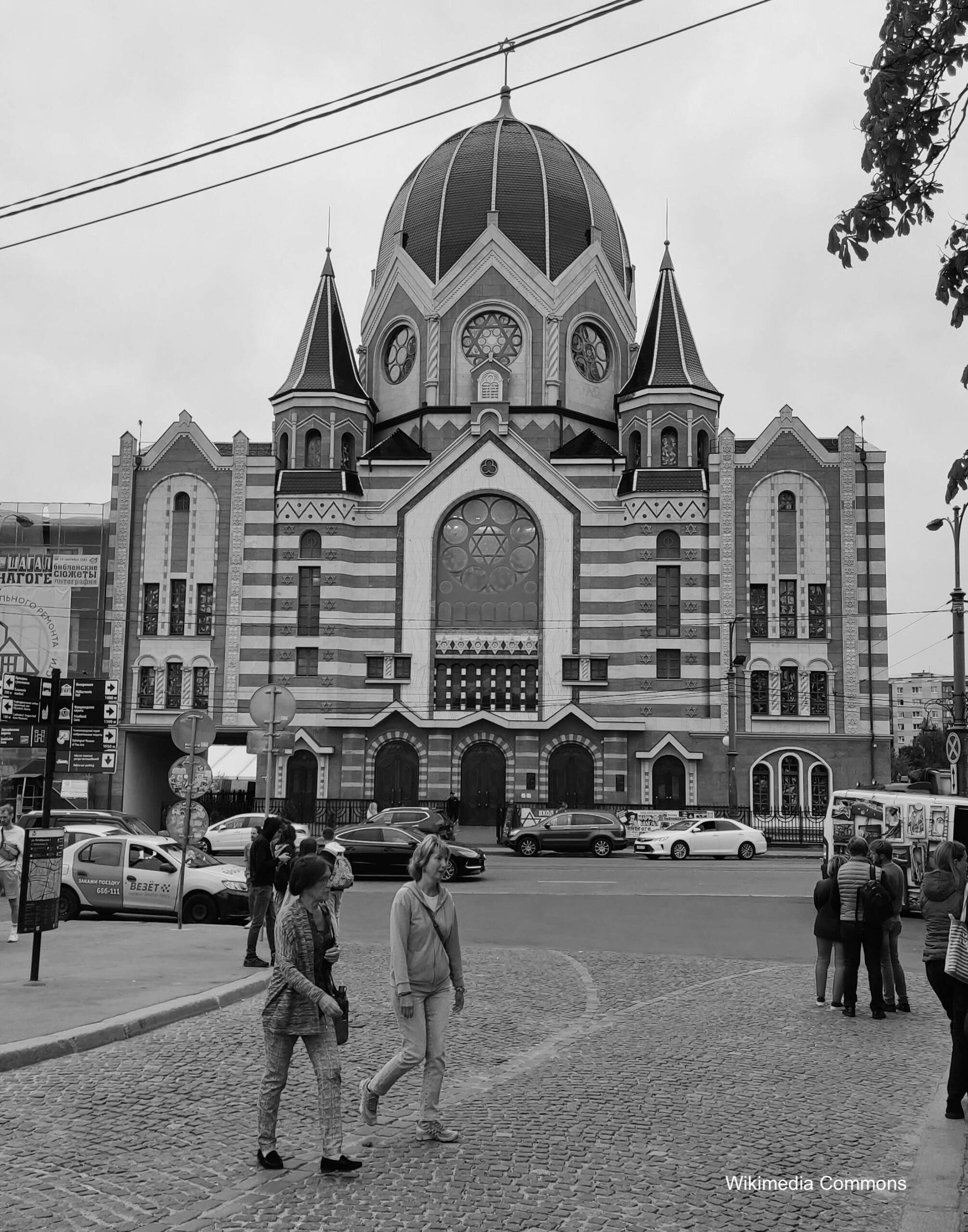
 

Kaliningrad Synagogue
Contact:
team@45aid.org
45 Aid Copyright 2026
45 aid society is a registered charity
in England and Wales (243909)
Design and development:
Graphical