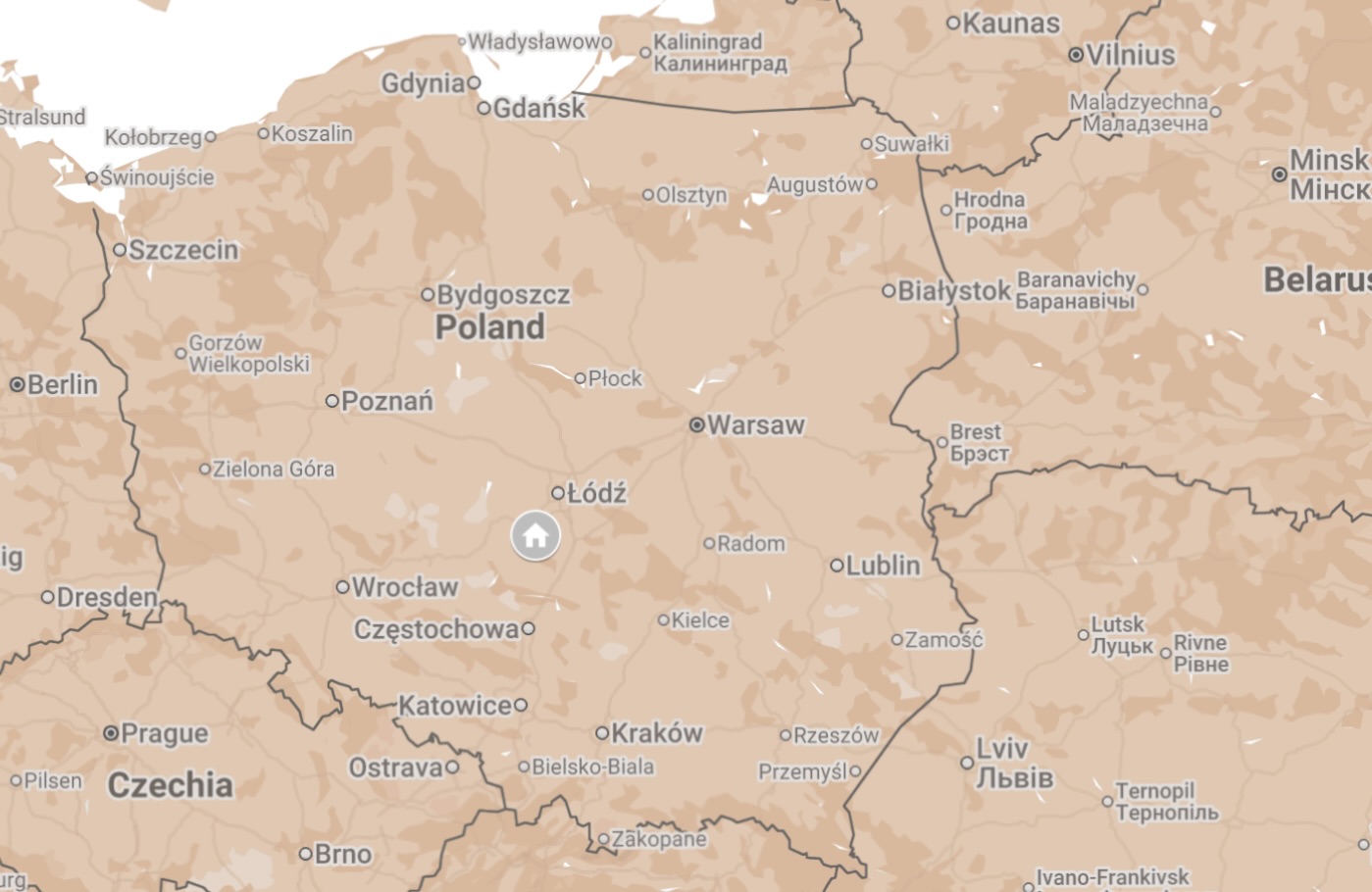
Members of the Boys were born in Łódź Voivodeship in Poland.
The Boys were teenage and child-Holocaust survivors, who were brought to the UK after the war for rest and rehabilitation.
Members of the Boys were held in Nazi labour and concentration camps and used as slave labourers. They had also survived World War II in hiding or as lone children.
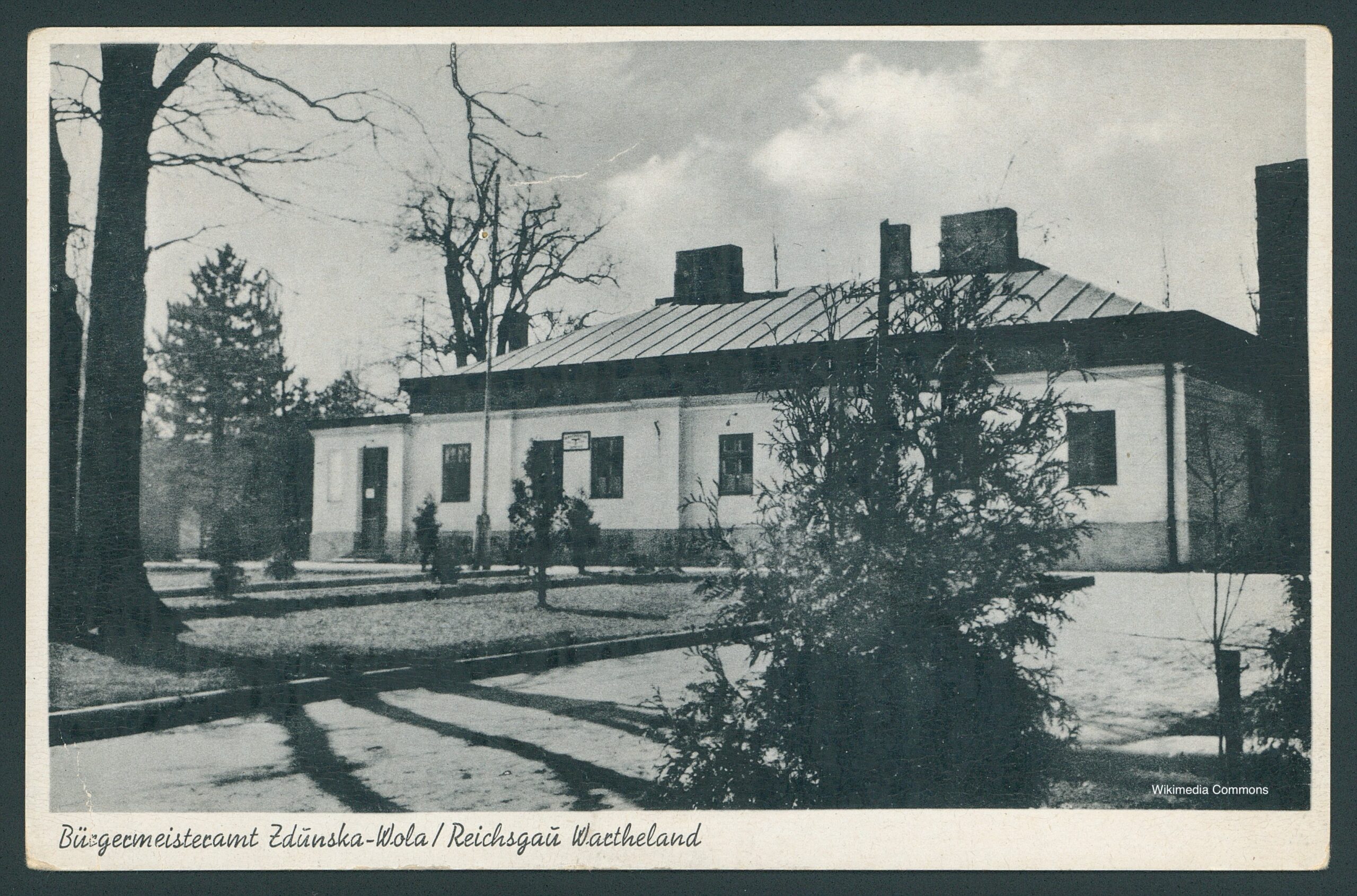
The territory formed part of Poland since its establishment in the 10th century. Łódź, its capital, was home to many of the Boys. Its second city, Piotrków Trybularski, was also the birthplace of a number of the Boys. Several Boys also came from the counties of Pabiance, Pajeczno, Radomsko, Sieradz, Wieluń, Zdunska Wola, and Zgierz
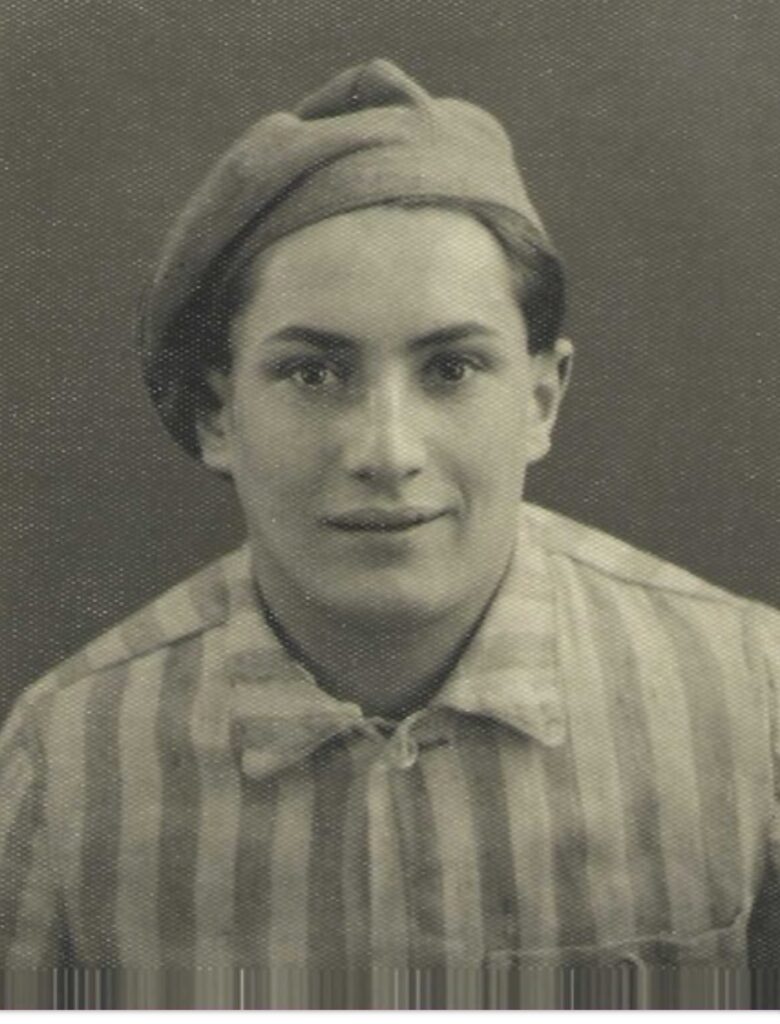
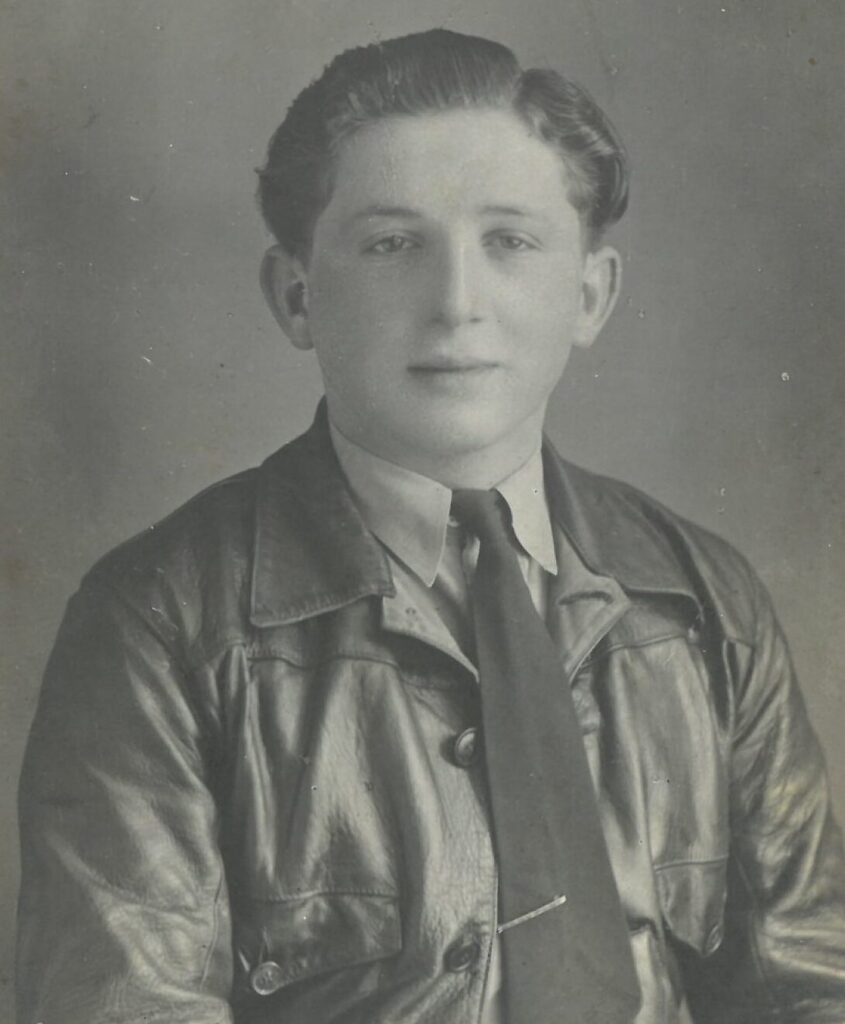
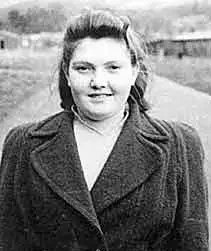
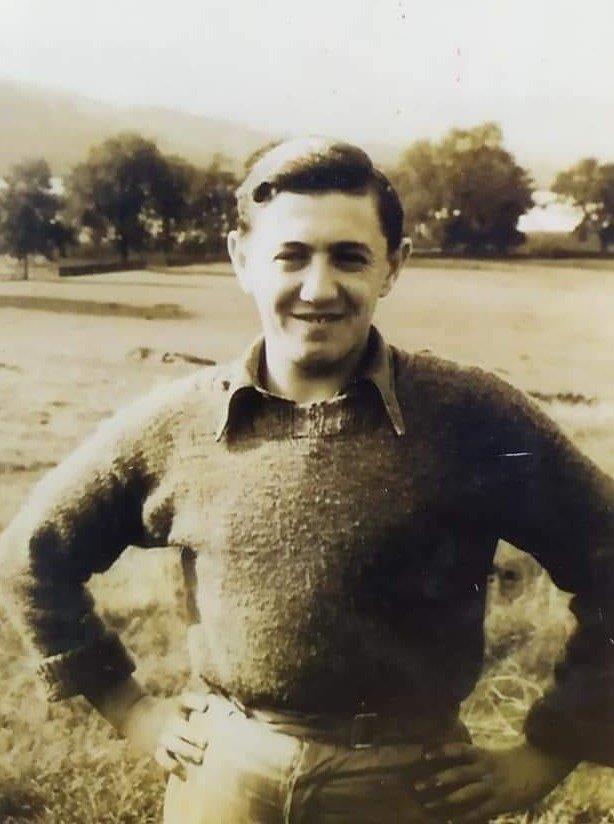
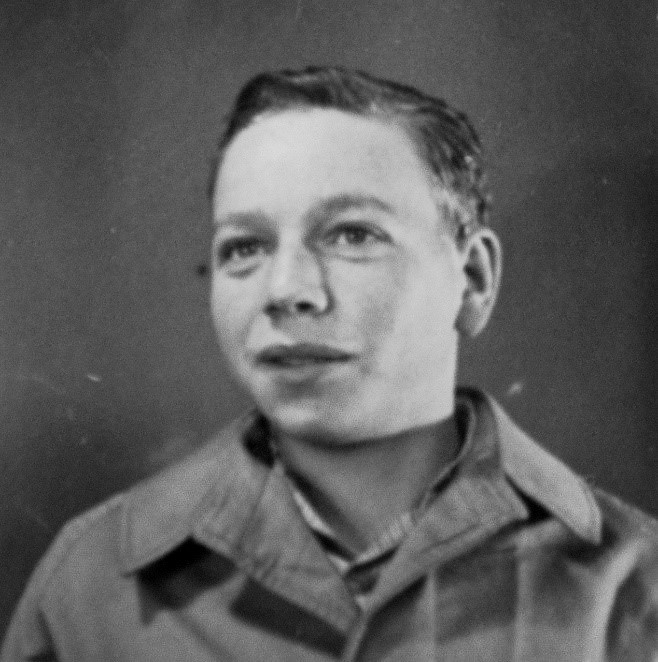
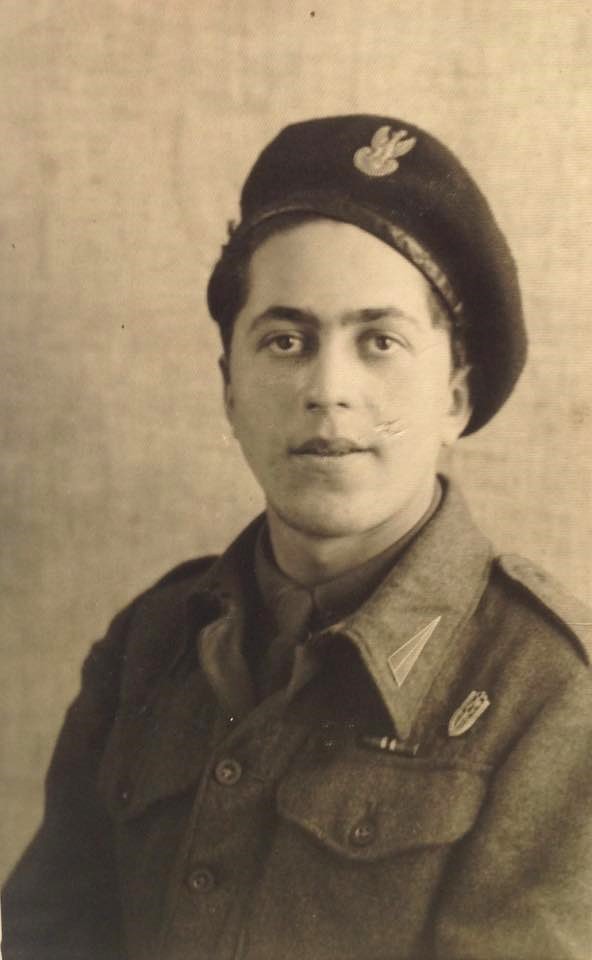
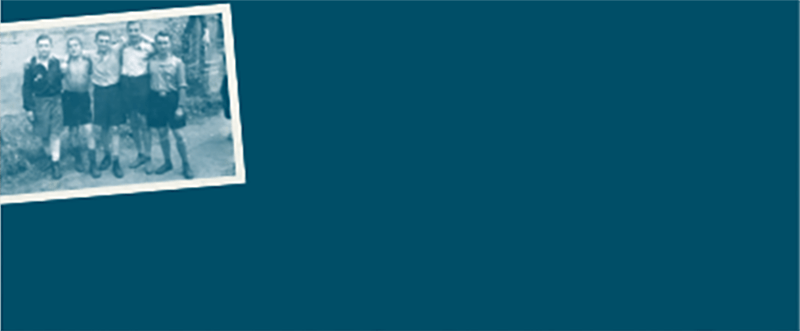
Six of the Boys from the Łódź Voivodeship.
The Łódź Voivodeship had a significant Jewish population, with around 270,437 Jews in 1921, representing 12% of the total population. The Jews in Łódź formed the second largest Jewish community in pre-war Poland, after Warsaw.
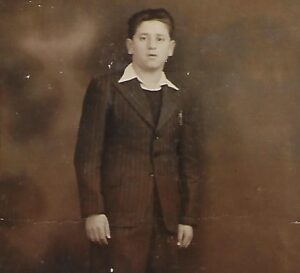
“Sieradz was an army garrison town with a population of eleven thousand – six thousand Christians and five thousand Jews. The Jewish community was mainly composed of artisans and shopkeepers. It was set in rural surroundings, with forests on its horizons and fields of rape seed shining like gold in the summer sun. It was a peaceful place, the River Warta passing its outskirts, and local history boasting that Queen Jadwiga of Poland had once had a castle here …
Few strangers came to Sieradz except on market days, when peasants in national costume clattered through the cobbled streets in their clogs. They came regularly to sell livestock, butter, eggs and fruit.”
Arek Hersch A Detail of History (Quill, 2001).
Hersch returned to his home in 1980:
World War II
Wieluń, the home of Simon Klin and Moritz Tuch, was the scene of a major air raid carried out by the German airforce on 1 September 1939. It is considered the first major bombing of World War II.
From the beginning of the German occupation, the Jews of Łódź Voivodeship were subjected to various forms of persecution. The ghetto established in the city of Łódź was the second largest in Nazi-occupied Europe.
There were several other ghettos established within the voivodeship including one in Sieradz, established in February 1940, where 2,000 Jews were crowded together in an area previously inhabited by a few hundred people. The majority of Jews from Łódź Voivodeship were transported to Chełmno extermination camp.
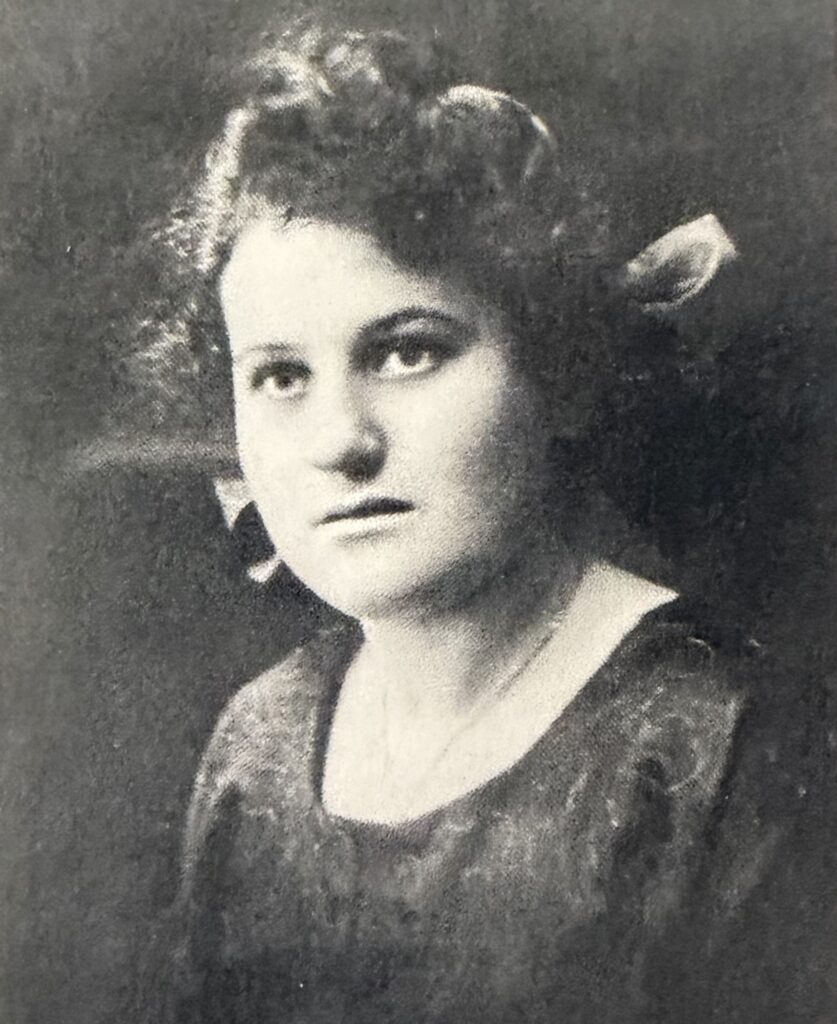
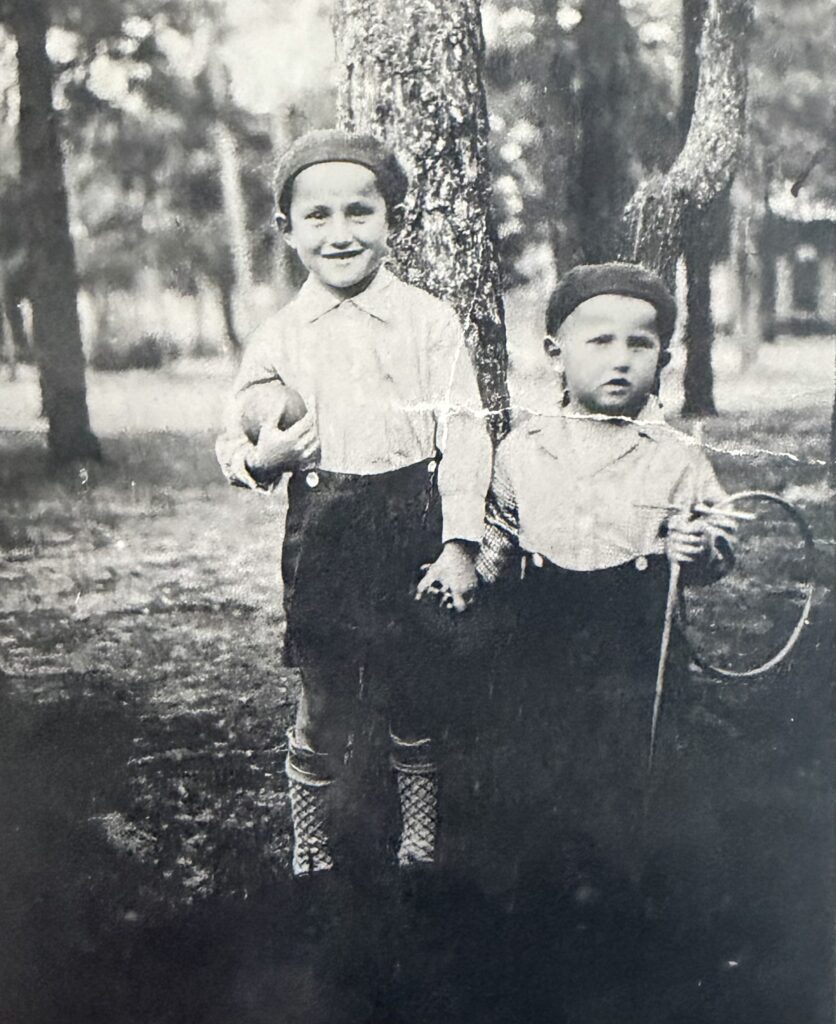
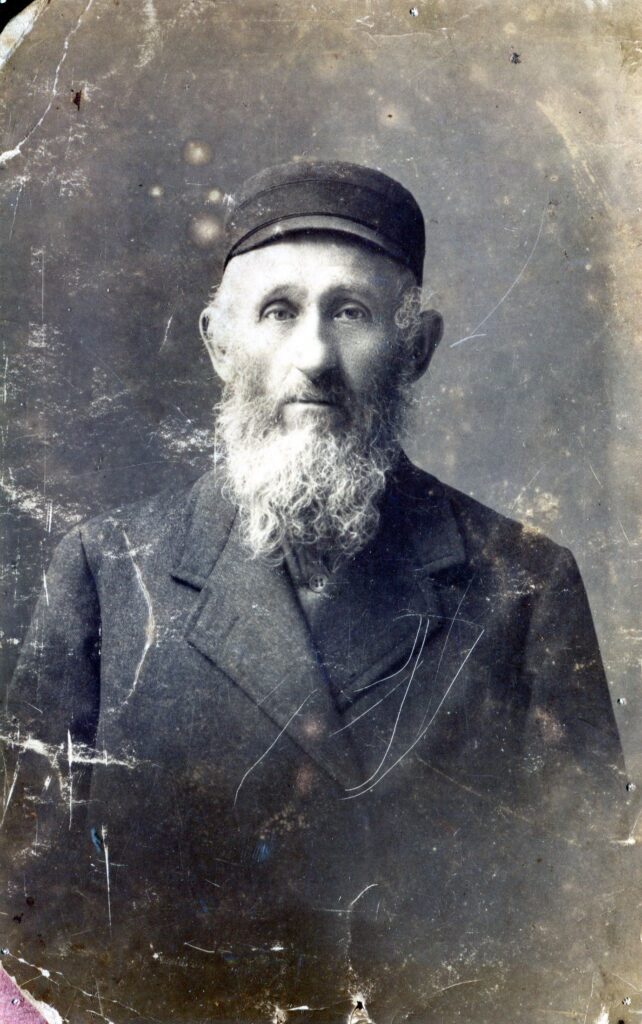
Rachel and Joseph Fuks, a tailor, lived on Remisfesvkego Street in the small town of Tuszyn, Their family had resided there for generations. They had three children: Jonah (b. 1928), Chaim (b. 1930) and Rhoda (b. 1932). Wolf Gottesman, Rachel’s father, was very religious and died in 1938.
After the German invasion of Poland in 1939, in December of the same year, the family were woken in the middle of the night and given thirty minutes to leave their home, as were all the Jews. They were they told they could only take what they could carry with them.
The family were taken to the nearby town of Piotrków, where they were put in the ghetto, which was the first to be created in Poland. Joseph Fuks worked in the Hortensia glass factory with his two sons making medicine bottles.
In October 1942, the ghetto was liquidated and the only people who managed to survive were those with work permits. Some 22,000 Jews, among them Rachel and Rhoda Fuks, were herded onto the main square in order to undergo a selection.
In the course of the next few days, they were marched to the railway station and loaded onto the awaiting freight trains, 150 to one wagon. They were taken to the Treblinka extermination camp. Rhoda was just ten-years old.
Jonah and Chaim survived the Holocaust and came to the UK in the first group of the Boys. To find out more about their lives click here.
World War II
Wieluń, the home of Simon Klin and Moritz Tuch, was the scene of a major air raid carried out by the German airforce on 1 September 1939. It is considered the first major bombing of World War II.
From the beginning of the German occupation, the Jews of Łódź Voivodeship were subjected to various forms of persecution. The ghetto established in the city of Łódź was the second largest in Nazi-occupied Europe.
There were several other ghettos established within the voivodeship including one in Sieradz, established in February 1940, where 2,000 Jews were crowded together in an area previously inhabited by a few hundred people. The majority of Jews from Łódź Voivodeship were transported to Chełmno extermination camp.
Aftermath
Following the liberation of the region in early 1945, very few Jewish survivors remained. The Jewish population in towns such as Radomsko, Sieradz, Wieluń, and Zgierz were eradicated, and many of the synagogues and Jewish cemeteries were destroyed. Some survivors returned briefly, but widespread antisemitism and violence in post-war Poland discouraged many from rebuilding their lives there.
In the postwar years, the Jewish community of Łódź briefly re-emerged as a centre for displaced persons and survivors. By 1946, approximately 30,000 Jews had returned to Łódź, making it the largest Jewish community in Poland at the time. However, persecution, economic hardship, and the rise of communism prompted the majority to emigrate.
Present-day
Today, only a small Jewish presence remains in the region.
Getting there Łódź Władysław Reymont Airport has direct flights from the UK but alternatively fly to Warsaw’s Chopin Airport. Łódź Fabryczn has direct train services to Warsaw and Kraków. Łódź is well served by Poland’s motorway system.
Getting around Use the railway and bus network if you do not have your own transport.
There are surviving Jewish cemeteries in the following Boys’ hometowns: Kalisz, Klodawa, Ozorkow, Radomsko, Sieradz, Turek, Tuszyn, Zgierz and Zdunska Wola.
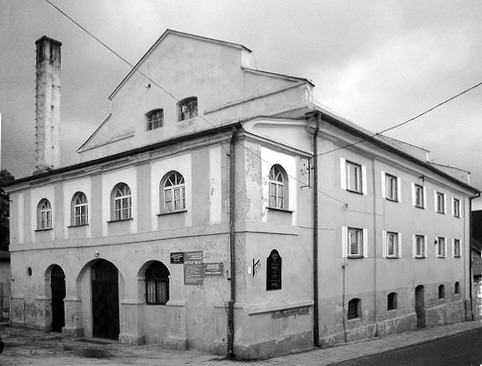
Repurposed synagogues stand in Kalisz and Sieradz.
Chełmno
The former Chełmno extermination camp, 77km northwest of Łódź, was the site of the first Nazi extermination camp on Polish soil and the first place where Jews were gassed.
Background Chełmno is one of the most sinister of the Nazi extermination camps as it was here that the Nazi teams experimented with ways to carry out mass murder and dispose of the bodies.
The first transport from the Łodz ghetto arrived in December 1941. Jews were choked to death as gas vans drove into the Rzuchów Forest along the road from Dabie to Kolo.
What to see
The Kulmhof Museum in Chełmno on Ner (Muzeum Kulmhof w Chełmnie nad Nerem; Chełmno 59a; ( w chelmno-muzeum.eu; free) uses the German name for the village, Kulmhof, as the area around the camp was annexed by the Reich in 1940. The tour starts at the ruins of the country house, where in the cellar Jews from the neighbouring towns were stripped of their possessions and then loaded into mobile gas vans.
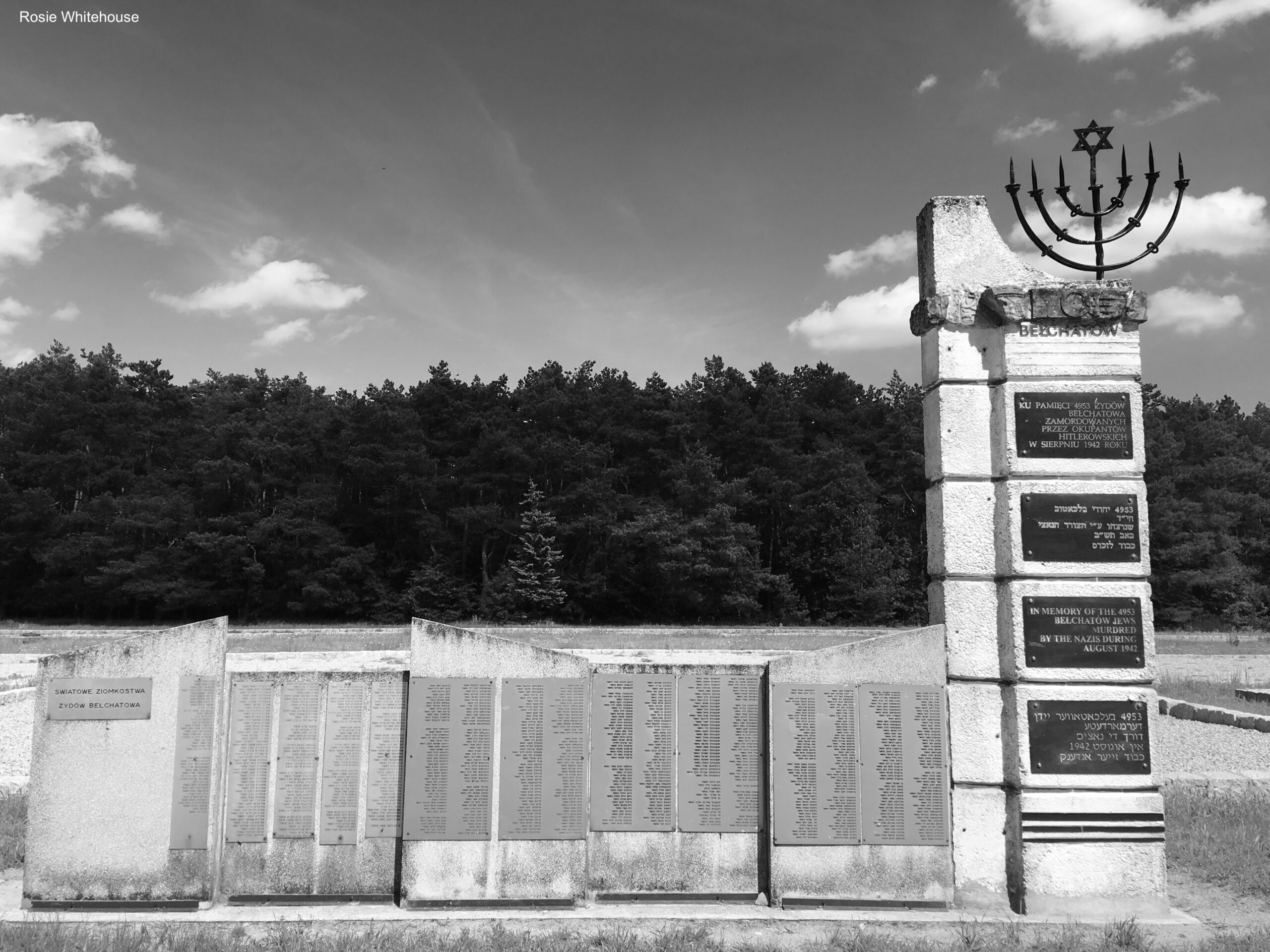
The Rzuchów Forest is 15 minutes away. There are a series of monuments and memorials. Visitors can also see the remains of the experimental crematorium.
 About
About History
 Education
 Quilts
 FIlms
FIlms Photos
 News Media & Events
 Publications
 Donate