Luck, Poland

Members of the Boys were born in Luck in Poland, which is now Lutsk in Ukraine.

The Boys were teenage and child-Holocaust survivors, who were brought to the UK after the war for rest and rehabilitation.

Members of the Boys were held in Nazi labour and concentration camps and used as slave labourers. They had also survived World War II in hiding or as lone children.
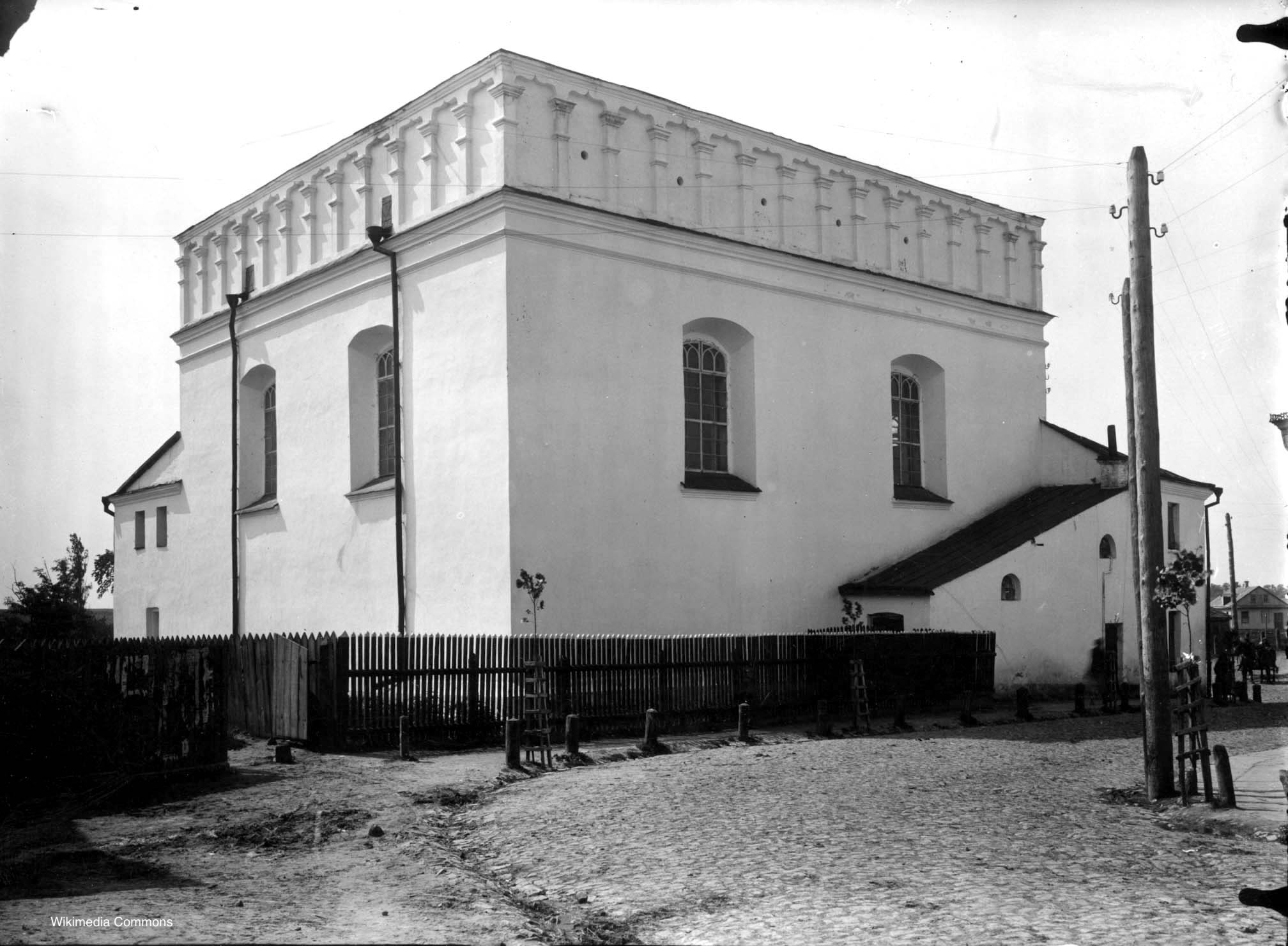
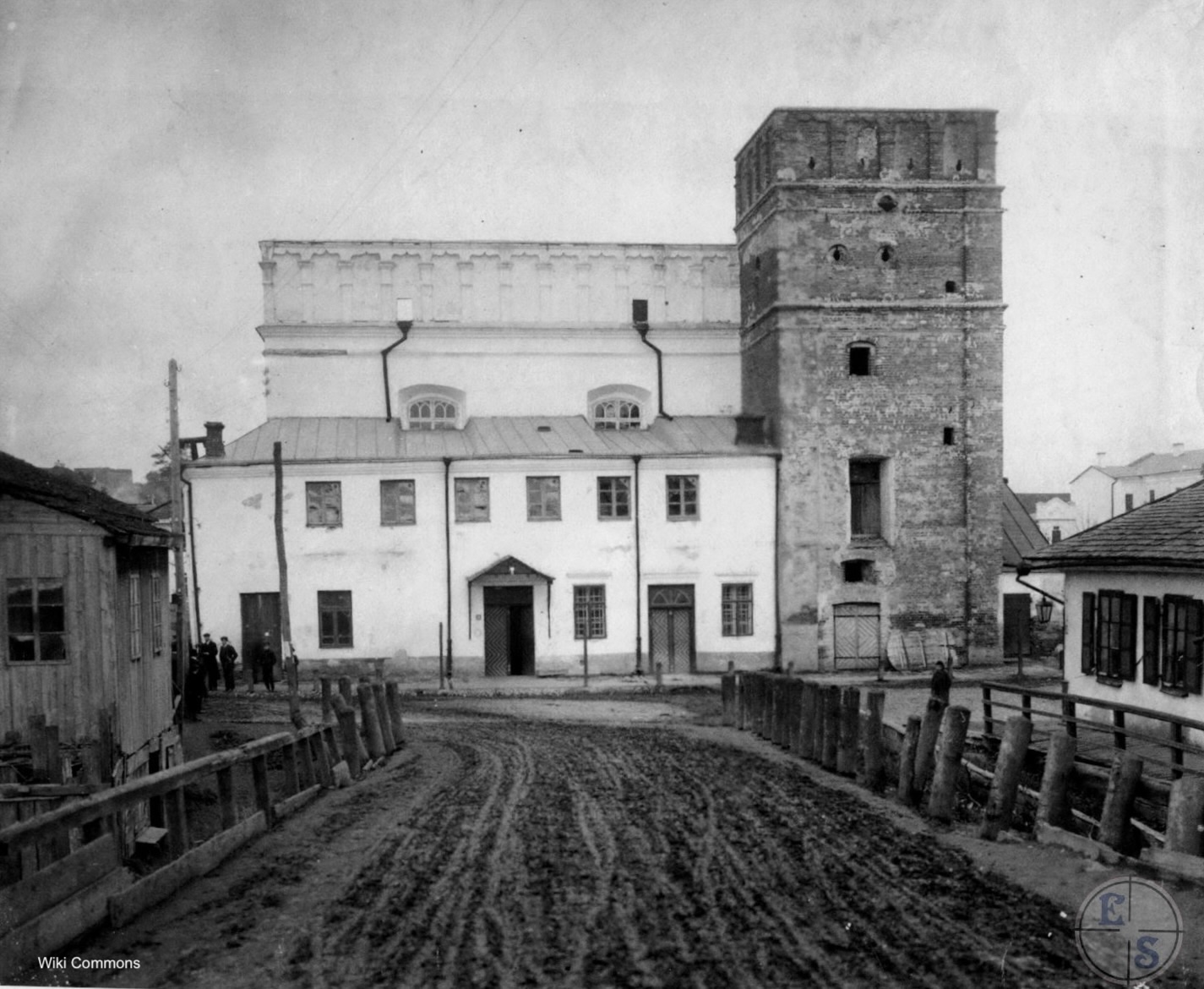
Photograph of the former synagogue in Lutsk.

Photograph of the former Great Synagogue.

Lutsk is a city on the Styr River in northwestern Ukraine. Before World War II it was part of Poland.

Background

The earliest references to Jews in Lutsk date to 1409. In 1432, the town’s Jews were granted rights equal to those of their counterparts in Kraków and Lithuania.

In 1795, as a result of the Third Partition of Poland, the Russian empire annexed Lutsk. The town’s Jewish population grew as a result of Russian imperial legislation (in 1804) that evicted Jews from villages. Despite frequent fires and the threat of expulsion—Lutsk was included in the list of border towns prohibited to Jews in 1844—the community continued to grow in the 19th century.

It remained part of Russia until 1915 when it was occupied by Austria-Hungary. During the Polish-Bolshevik War, on 16 May 1919 the city was occupied by the newly established Polish state.

In the 1920s and 1930s, Lutsk was a provincial centre, where all the large Jewish political parties were active. In addition to Jewish schools, the town hosted a Bet Yosef yeshiva and about 50 synagogues and prayer houses belonging to various religious and professional groups.

World War II

Under the Molotov–Ribbentrop Pact, Lutsk, along with the rest of western Volyn, was annexed by the Soviet Union in September 1939. The Soviet authorities closed down political, charitable, communal, and cultural institutions, arresting business leaders and political figures.

The Germans occupied Lutsk during the invasion of the Soviet Union in June 1941. They overlooked the Soviet killings of Poles and Jews prior to their withdrawal. But the killings of Ukrainians were documented and the Jews were to be held responsible for what the Soviets did as they were generally regarded as Soviet collaborators. The Ukrainian People’s Militia organised a pogrom and burned the synagogue.

During the Nazi occupation, most of the Jewish inhabitants of the city were forced into the Luck Ghetto, and then murdered at an execution site not far from the city. In total, more than 25,000 Jews were executed at point-blank range. 

Aftermath

The Red Army occupied Lutsk on 2 February 1944. Only about 150 Jews emerged from hiding. The Jewish community was never restored.

Visiting Lutsk
>
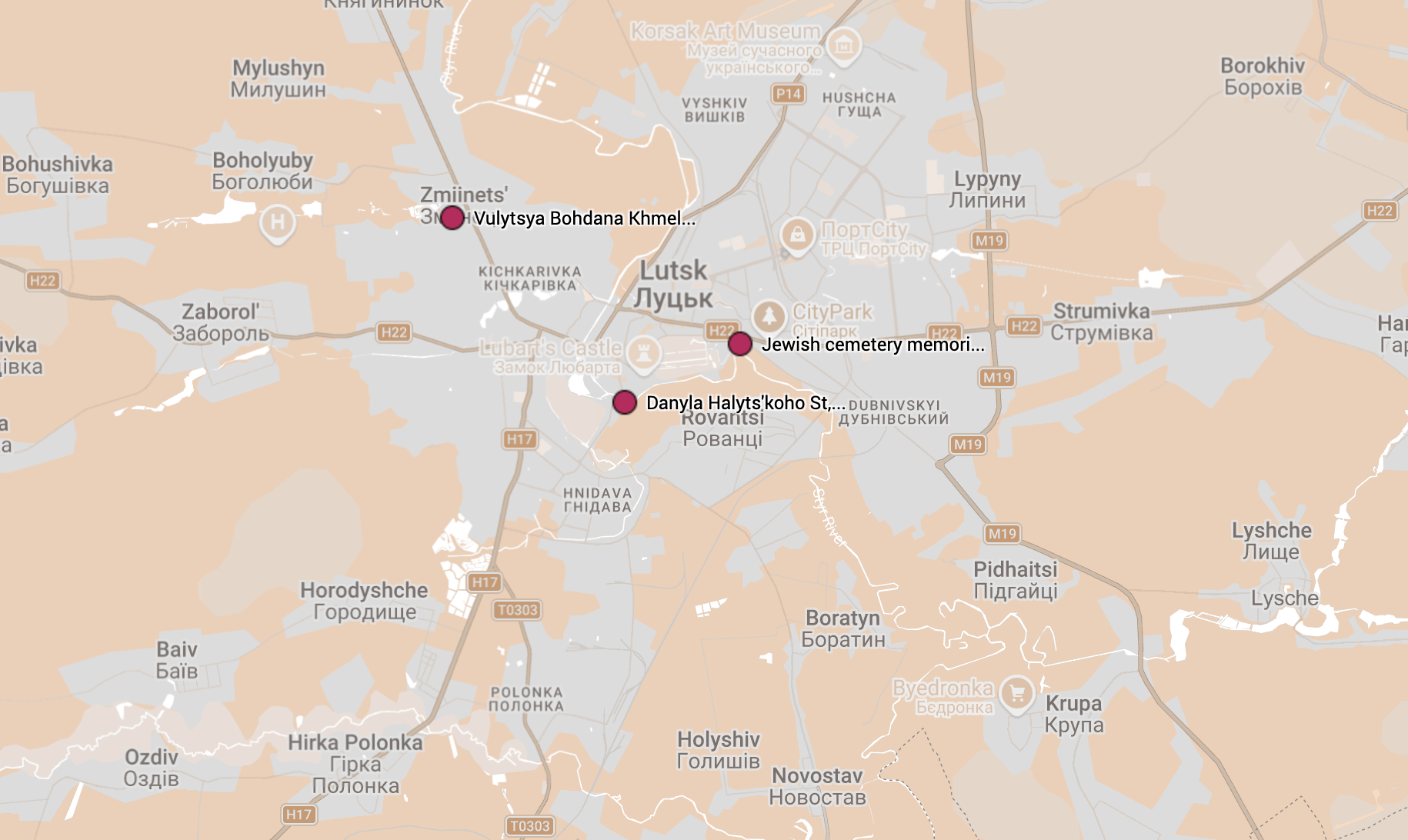
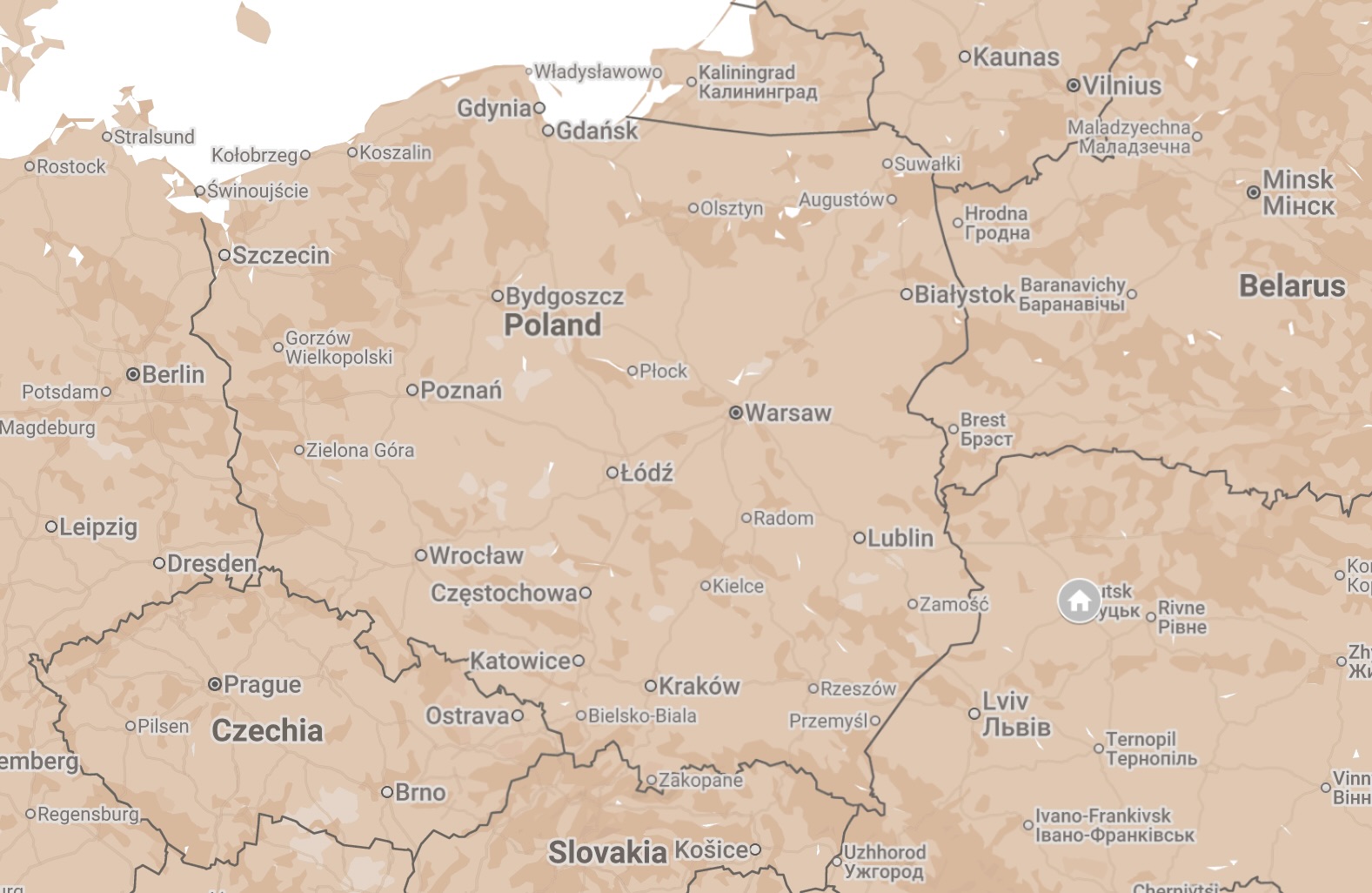
Map of Lutsk

The Jewish community of Lutsk is one of the oldest in Vohlynia.

Getting there Located 152km south of Lviv, the easiest way to get to Lutsk is to take the bus or drive from Lviv. A train trip requires at change in Rivne.

Note that the UK Foreign Office advises against travel to Ukraine because of the ongoing Russian invasion.
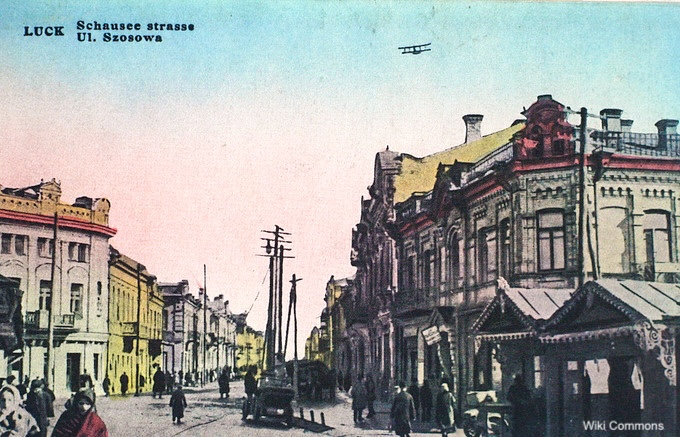
Old postcard of Luck, Poland

Old postcard of Luck, Poland

Synagogues

The Great Synagogue (Danyla Halytskoho ul. 33) Located in the former Jewish area, this Renaissance-style building was damaged during WWII. It later served as a sports club, and was transferred to the local Chabad community in 2021.

Synagogue buildings still stand at: Karajimśka 36; Chmelnyćkoho 40; Pjatnyćka hirka 3 and Senatorky Lewczaniwśkoji 11.

Jewish Community (Ukrainian: Хмельницького, 6; Khmelnytskoho 6)

Memorials

Holocaust Memorial (Polanka) The memorial stands on a hill south of the city north of the village of Polanka just off the T0303. In the summer of 1942, during the liquidation of the Lutsk ghetto, the Jewish population was brought here and forced to dig pits. The Jews were then ordered to undress and lie in the pits. The Germans then shot them. It is estimated that in August 1942, over 25,000 Jews from Lutsk and the surrounding area were murdered here.

Jewish Cemetery Memorial (Intersection of Bohdana Khmelnytskyi (Ukrainian: Bohdana Khmelnytskoho, Богдана Хмельницького ) and Zapovitnoya (Ukrainian: Zapovitna, Заповітна ) Streets.) The cemetery was completely destroyed by the Germans. The monument was erected in 2016.
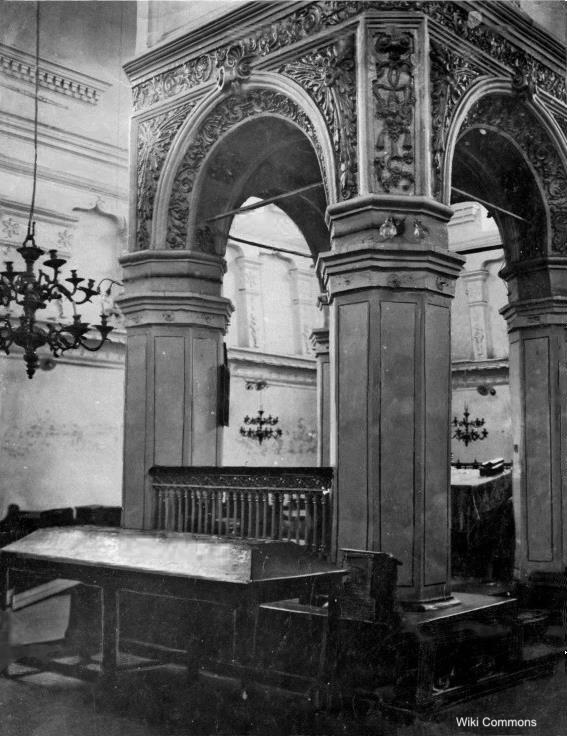
Lutsk Great Synagogue
Present day Country:
Ukraine
Pre 1939:
Poland
1939-1941:
USSR
1945-1991:
USSR
Associated Boys:
Abraham Laufer
Map:
Gallery:
Contact:
team@45aid.org
45 Aid Copyright 2026
45 aid society is a registered charity
in England and Wales (243909)
Design and development:
Graphical