Members of the Boys were born in Makó in Hungary.
The Boys were teenage and child-Holocaust survivors, who were brought to the UK after the war for rest and rehabilitation.
Members of the Boys were held in Nazi labour and concentration camps and used as slave labourers. They had also survived World War II in hiding or as lone children.
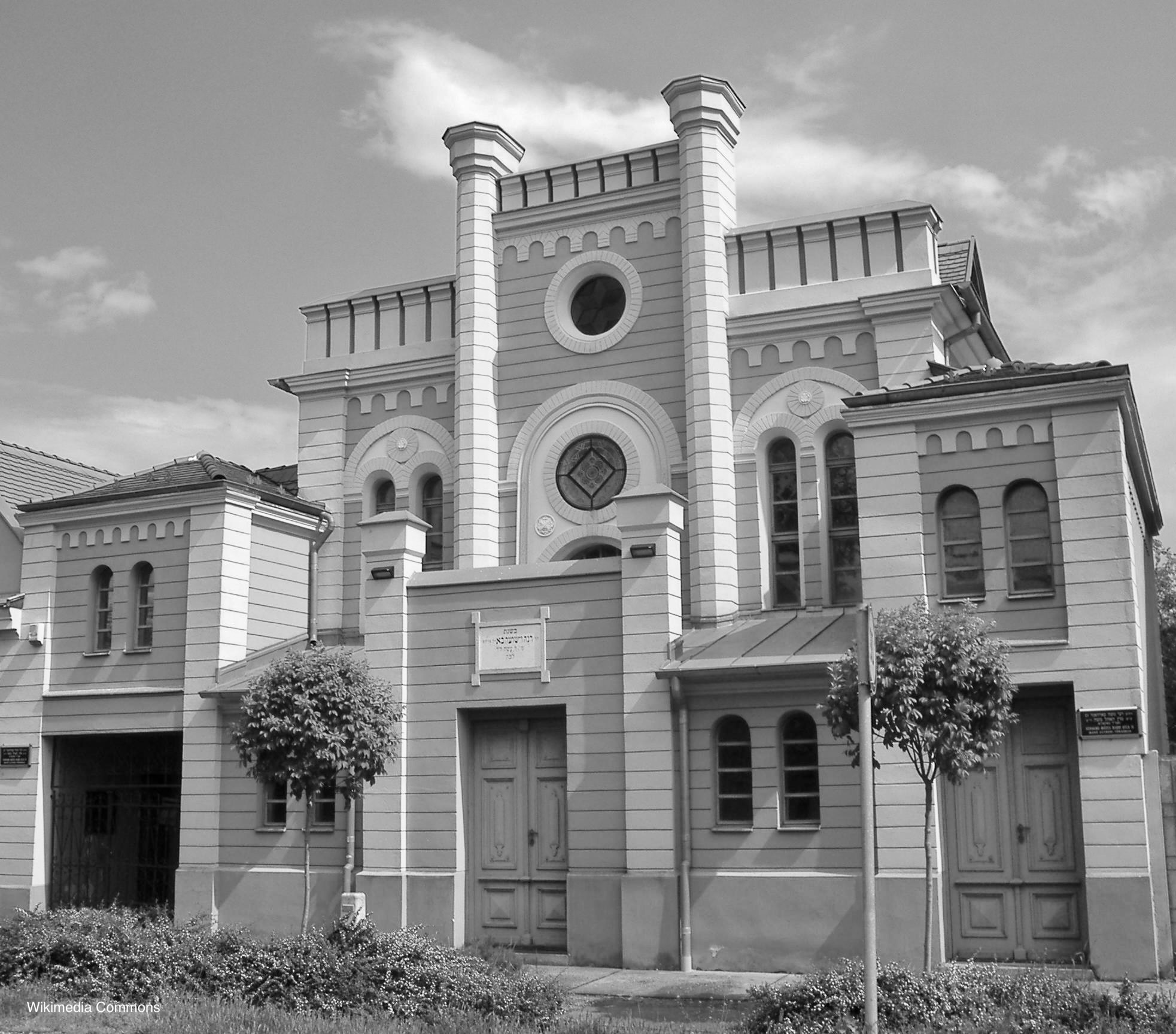
Orthodox Synagogue Makó, Hungary.
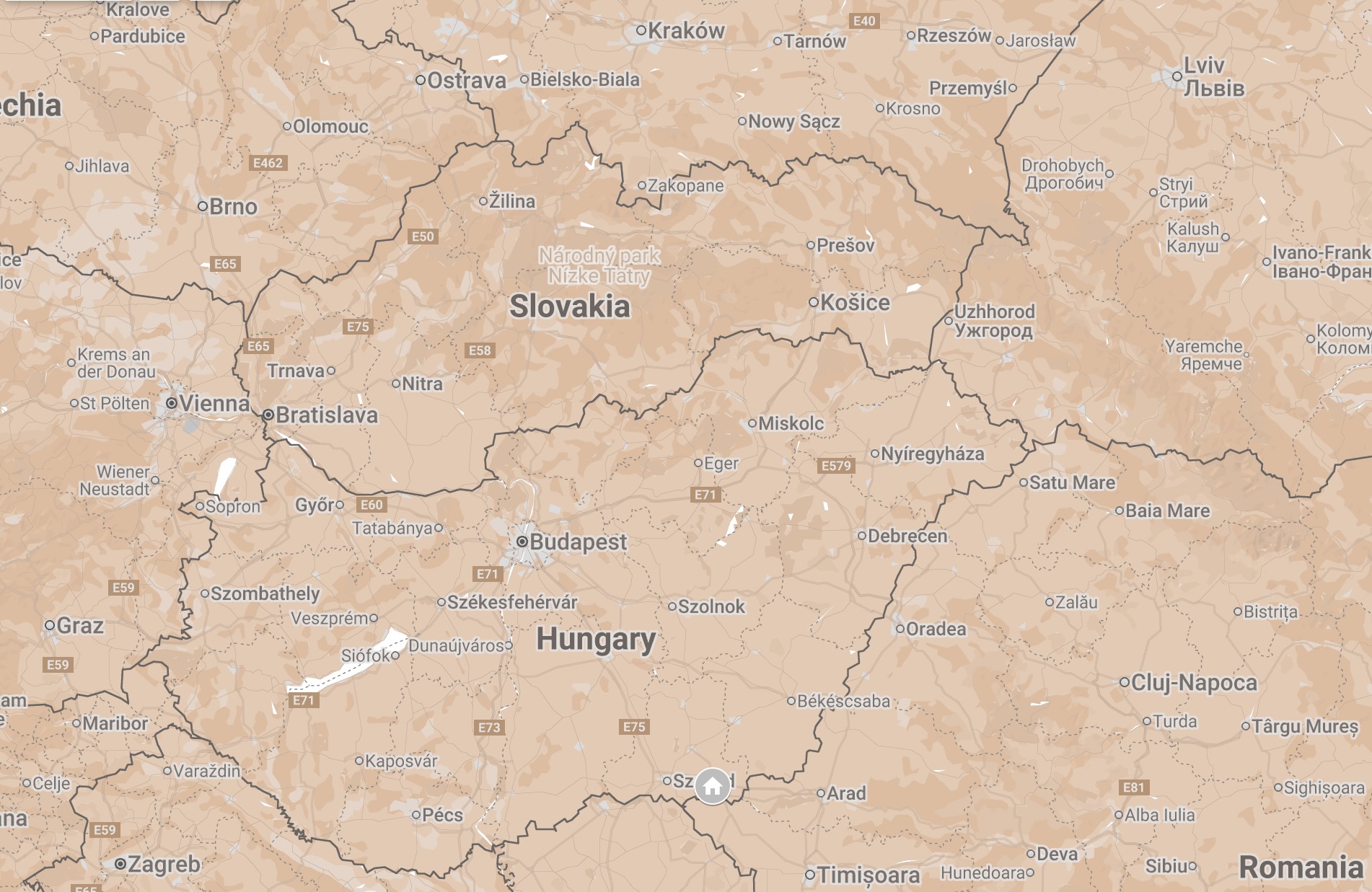
Makó is a town in Csongrád County, in southeastern Hungary. The renowned journalist and publisher Joseph Pulitzer was born in Makó.
Background
Jews began settling in Makó in the 18th century, forming a community with its own Chevra Kadisha (burial society) and eventually having several rabbis. The community established a Jewish school, a women’s association, a students’ aid society, and a women’s lying-in hospital.
Jews traded onions and other vegetables. The community played a significant part in the modernisation of the town in the late 19th century.
By the early 20th century, however, there was widespread resentment of the level of success Jews had achieved in Hungarian society. In 1900, 1,642 Jews lived in Makó, less than 5% of the total city population of 33,722.
Interwar Years
The 1920 Treaty of Trianon stripped Hungary of two thirds of its territory. A sense of grievance and shock fed a fanatical nationalist movement which soon acquired an authoritarian nature, which in turn fuelled growing antisemitism.
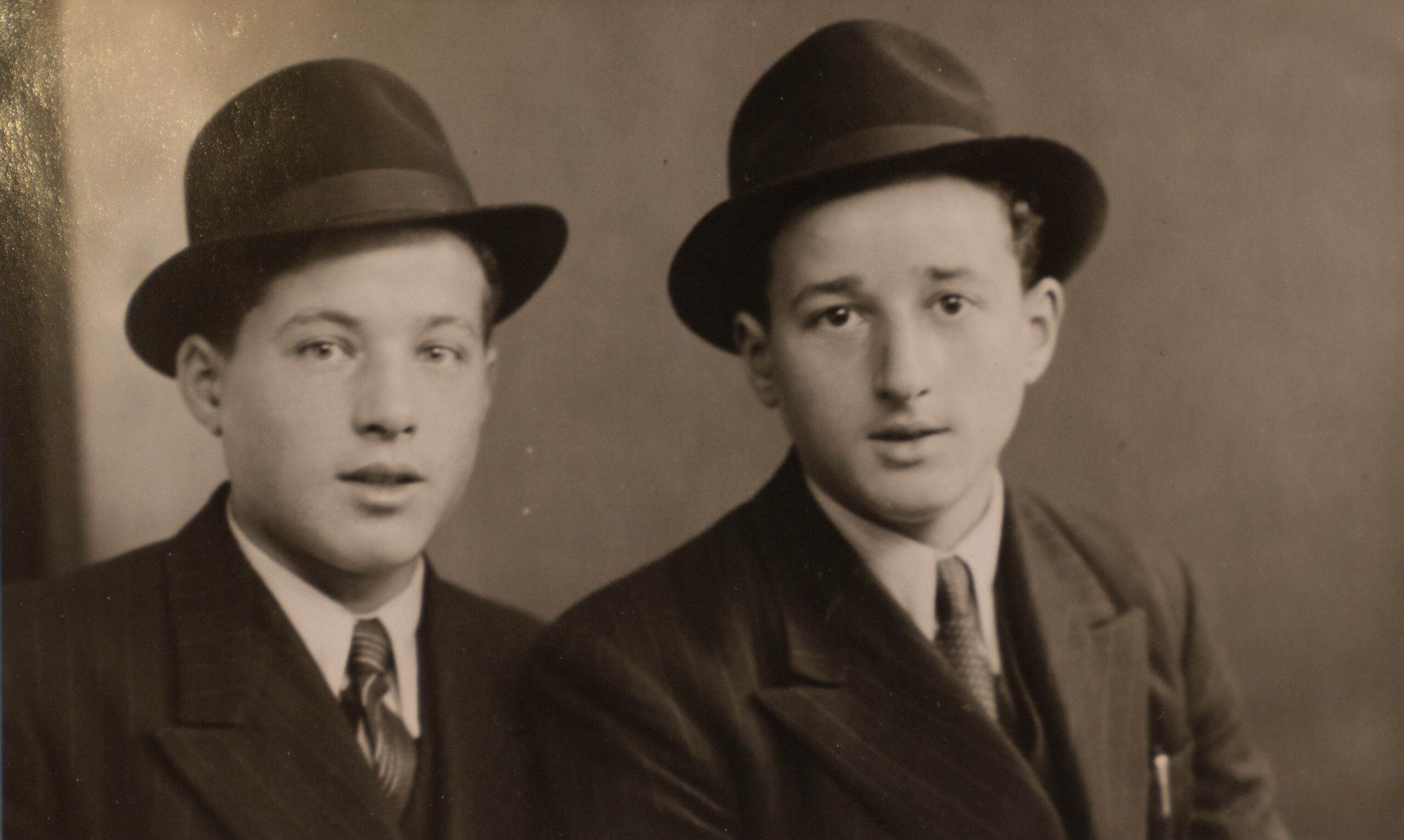
“I was born in a place called Makó, in southern Hungary, on 4 February 1932. The area is known worldwide for the quality of its onions and garlic. We lived in a bungalow at Nagychilaguta 17, which I have been telling my family was a huge house with a substantial garden. When we eventually went back to Makó, after 50 years, I could not believe how small the place was. I wonder how we all lived there – from what I remember – very comfortably, at least until the later part of the war.
The bungalow, which my parents had built, was made from bricks, mud and straw (which was the norm at the time). It had a rendering of a sort, the composition of which I cannot remember, but it was obviously effective against the heat in summer and the cold in winter.”
Ivor Perl, Chicken Soup Under the Tree: A Journey to Hell and Back (Lemon Soul, 2023).
Jews in Hungary were persecuted from 1920 onwards. Hungary’s 1938–41 racial laws were modelled on Germany’s Nuremberg Laws. By reversing the equal citizenship laws of 1867, the government excluded the Jewish community from Hungarian society.
1944
After the German invasion in 1944, a ghetto was set up for the 3,000 Jews of Makó and the surrounding area. They were later transferred to Szeged and then deported to Auschwitz, although some were sent to Austria.
Getting there
The nearest airport to Makó is Timisoara. A bus runs from Budapest (roughly 3hr journey time).
What to see
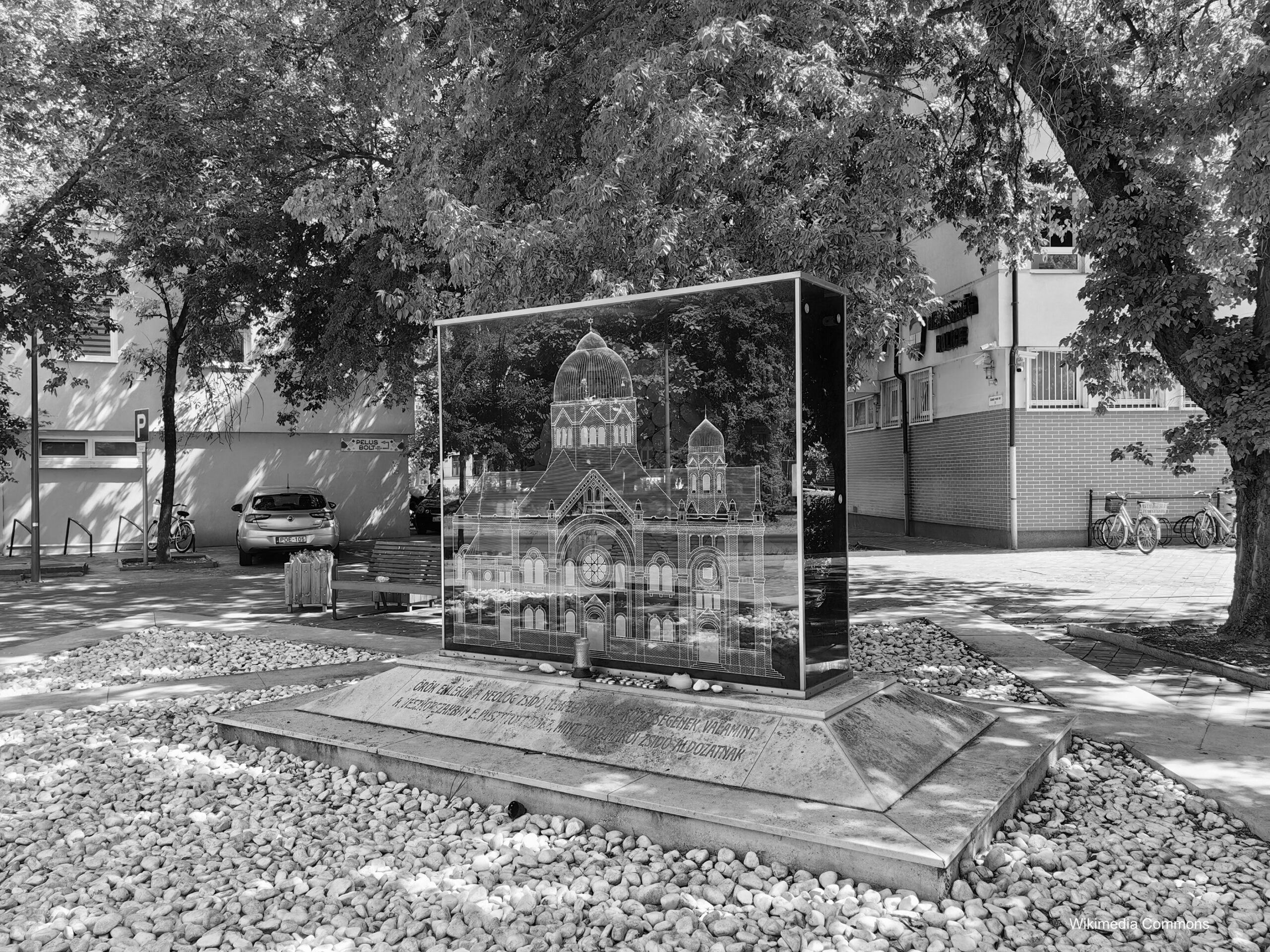
The Orthodox Synagogue (Vorhand Rabbi tér 3) Built in 1870, this is the only remaining synagogue in the town and the second-largest of its kind in Hungary.
Cemetery (Makói járás, Csongrád) The town is a site of pilgrimage, with hundreds of visitors arriving annually to pay respects at the grave of Rabbi Mózes Vorhand.
 About
About History
 Education
 Quilts
 FIlms
FIlms Photos
 News Media & Events
 Publications
 Donate