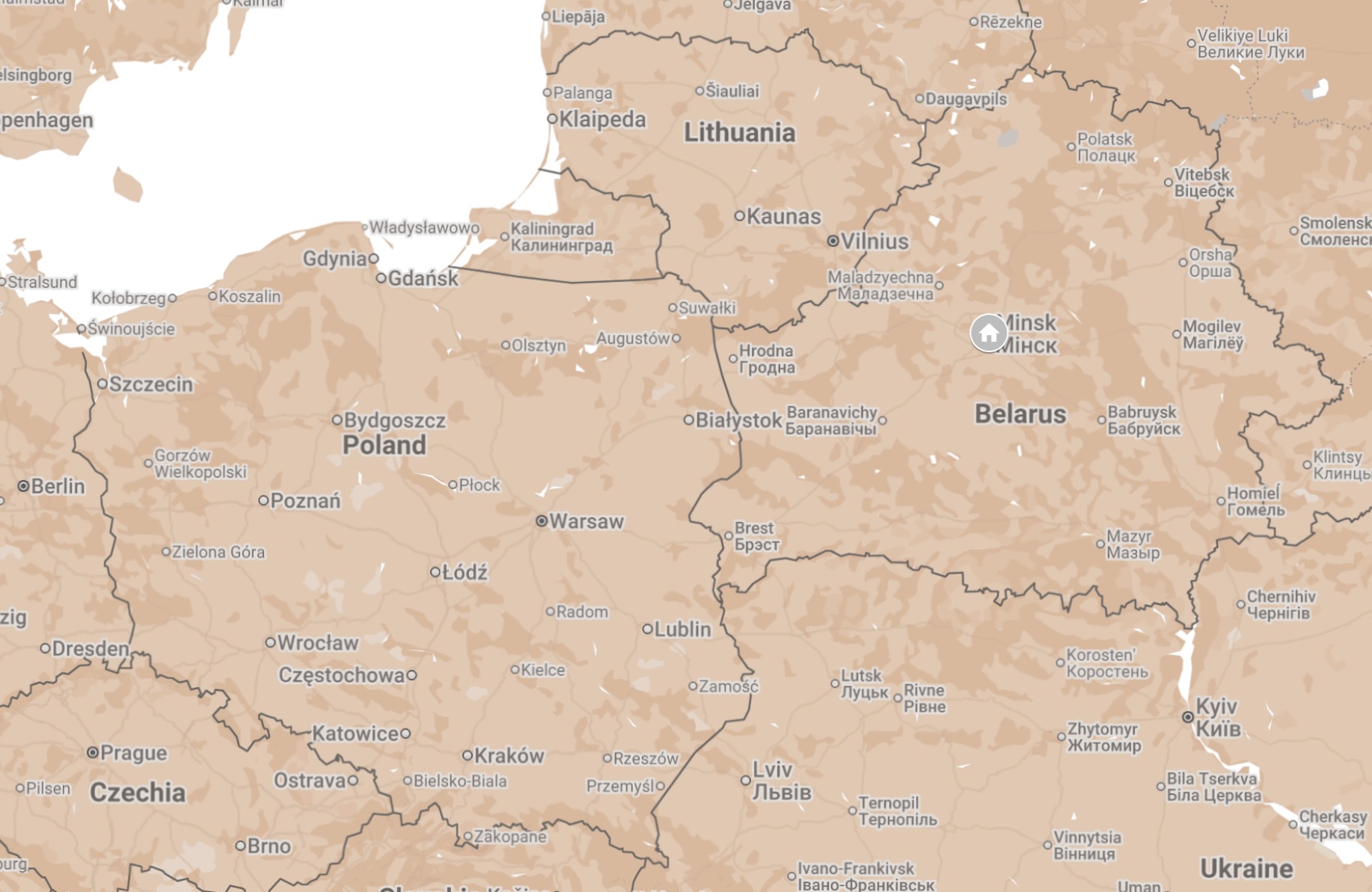
Members of the Boys were born in Minsk in Poland, which is now part of Belarus.
The Boys were teenage and child-Holocaust survivors, who were brought to the UK after the war for rest and rehabilitation.
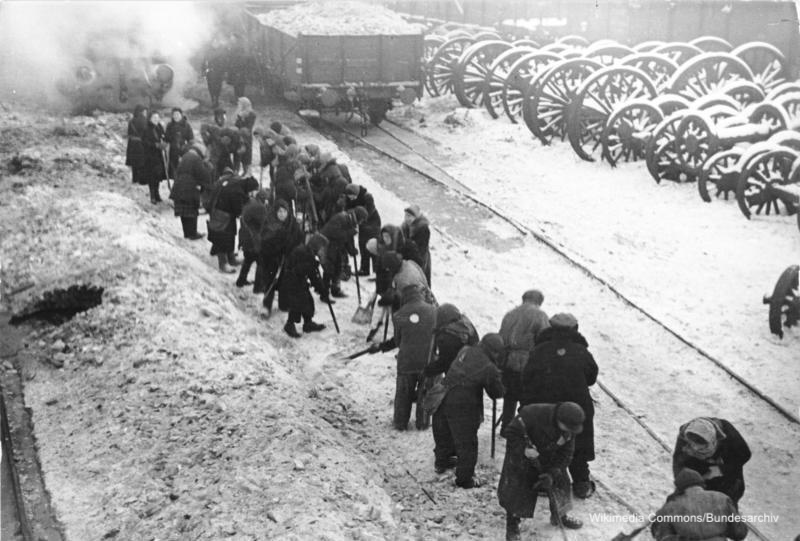
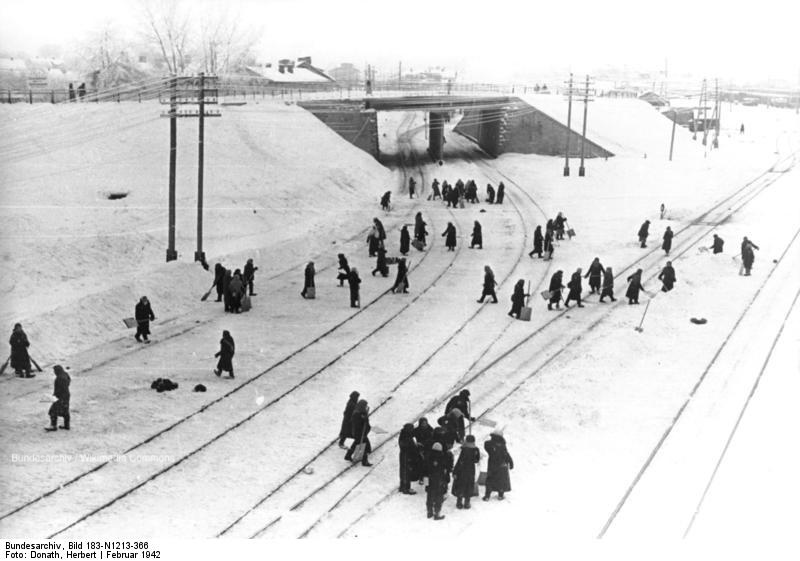
Members of the Boys were held in Nazi labour and concentration camps and used as slave labourers. They had also survived World War II in hiding or as lone children.
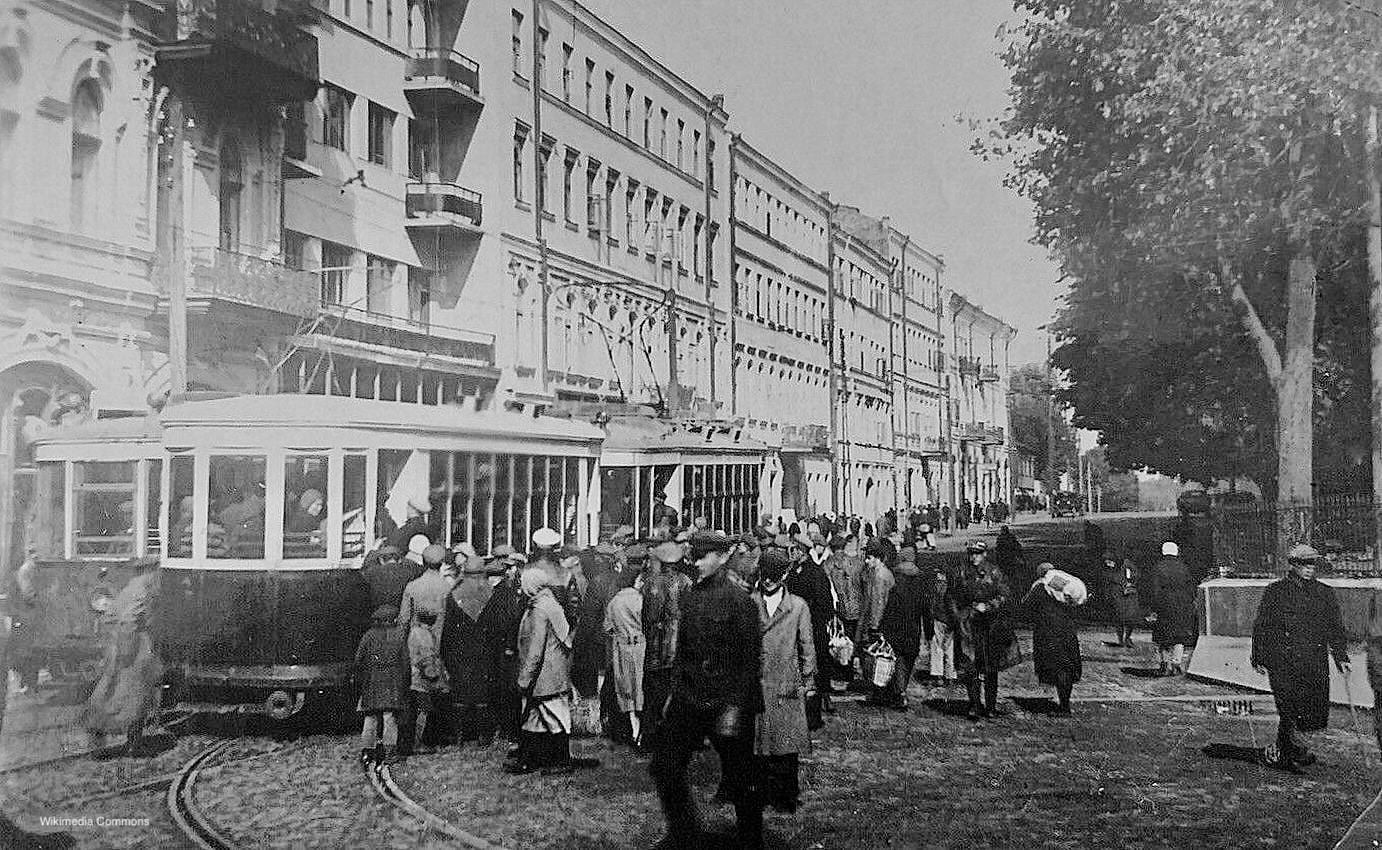
During the 17th and 18th centuries, Minsk became a centre for Jewish religious scholarship; its first yeshiva was founded in 1685.
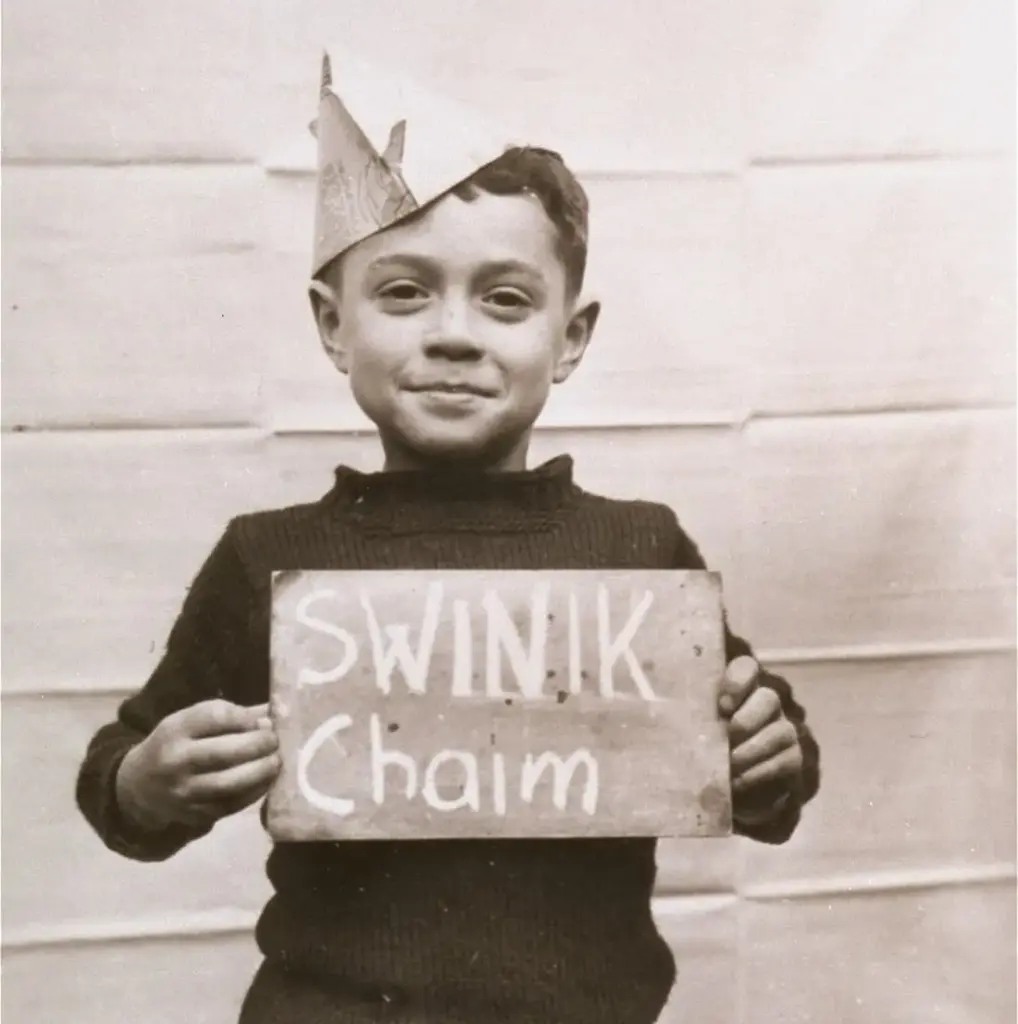
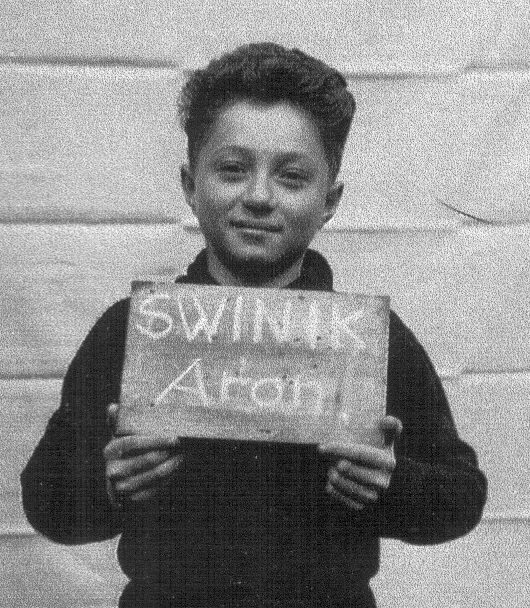
Minsk was the birthplace of the Swinik brothers. These pictures were taken at the Kloster Indersdorf DP camp after the liberation.
During the 19th century, Minsk was home to one of the largest Jewish communities in the Russian empire: in 1847 the city was home to some 13,000 Jews. By 1897, Jewish settlement had increased more than threefold, becoming the fourth largest community in the Pale of Settlement.
In 1926, Minsk, the capital of the Byelorussian SSR, had a Jewish population of 53,700, nearly 41% of the city’s inhabitants.
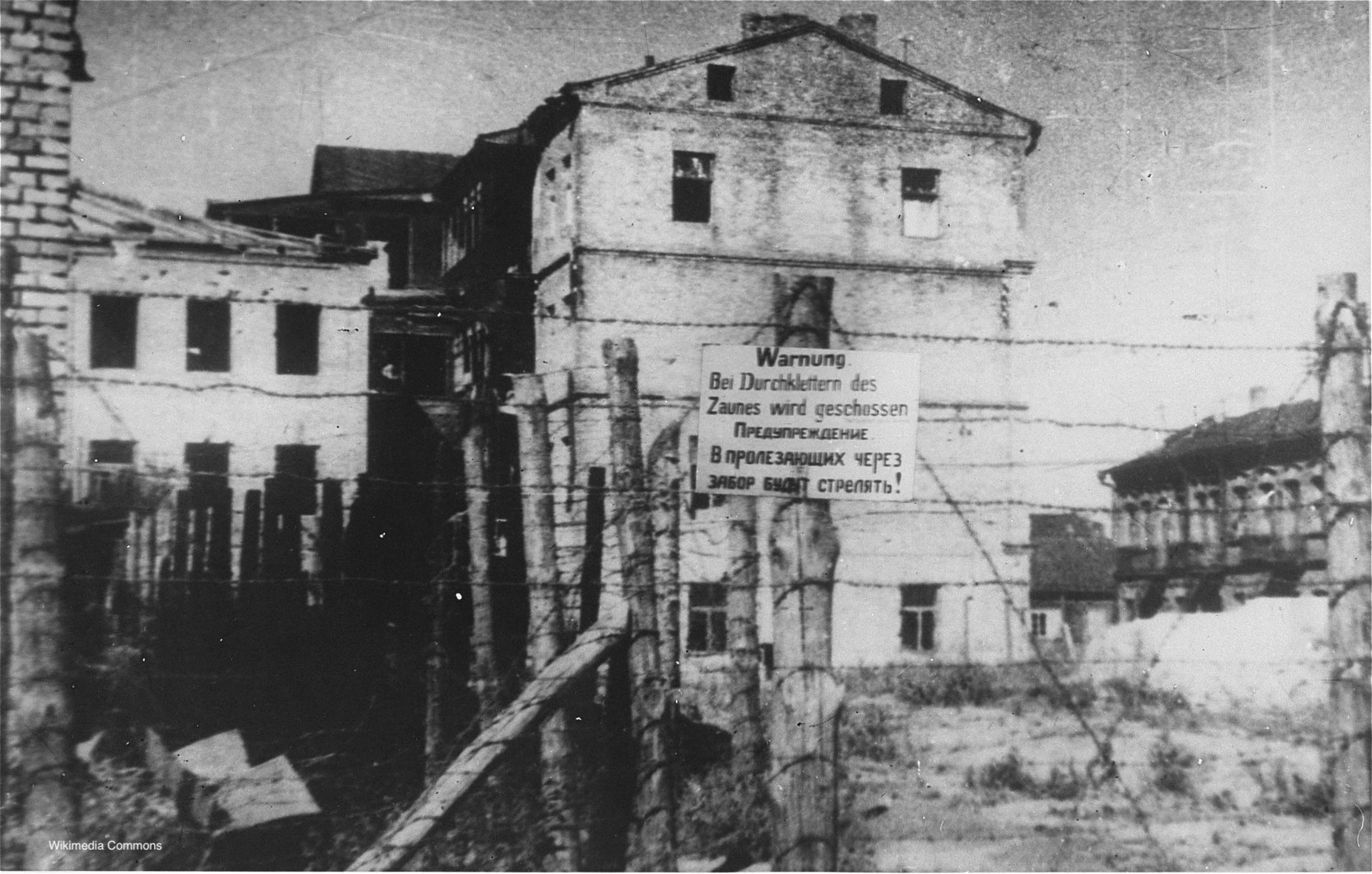
The Germans entered Minsk on 28 June 1941. A ghetto was created one month later. Between 1941 and 1943, the Minsk ghetto was the largest in occupied Europe with 100,000 occupants. To find out more about the ghetto and the Boys held in it click here.
Getting there
Owing to the current political situation and ongoing war in Ukraine, it is necessary to check the most up-to-date information on which border crossings are open. Normally, there are trains from Warsaw to Minsk and good international connections by air to Minsk.
Getting around
The metro is the best way to get around Minsk. To visit the former concentration camp at Maly Trostenets, it is best to take a taxi.
The only buildings that date from the ghetto period are on ul. Rakaŭskaya. A plaque installed in 2005 at ul. Gebelev 5 commemorates Mikhail Lievovich Gebelev, one of the leaders of the resistance movement.
Yama (The Pit) (ul. Melnikajte )A moving sculpture depicting a line of men, women and children descending into a pit, remembers the events of 2 March 1942, when approximately 5,000 Jews were executed near where the memorial now stands.
The Holocaust Workshop (Историческая мастерская; ul. Sukhaya) The research centre is in a house that formerly belonged to a Jewish family and is over 100 years old. Across the street from the museum, the old Jewish cemetery has several Holocaust memorials.
Maly Trostenets
The little-known Maly Trostenets labour and extermination camp was the largest Nazi concentration camp in the occupied Soviet Union. The camp was located in what is now a suburb of Minsk.
It was here that the mother of Jackie Young, one of the Boys, was murdered. From May to October Jews deported from the Reich were also shot in the nearby forests.
Trostenets Memorial Complex (Мемориальный Комплекс Тростенец; Bd Sialichkaha; free) is located southeast of Minsk city centre near the intersection of the M1 and M4 motorways. The park stretches over a large area and includes three distinct parts: the site of the former labour camp and the execution sites in Blagovshchina Forest and the Shashkova Woods.
 About
About History
 Education
 Quilts
 FIlms
FIlms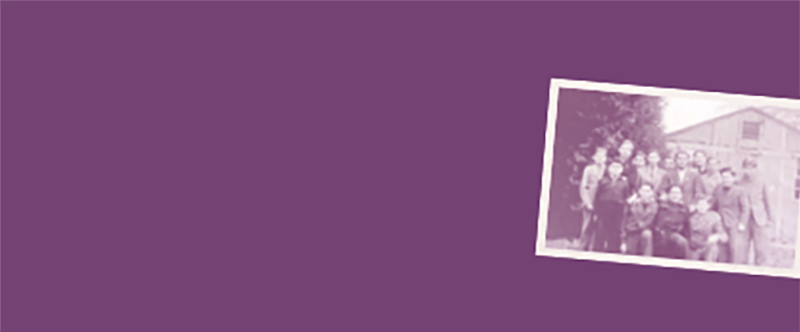 Photos
 News Media & Events
 Publications
 Donate