Stettin, Germany

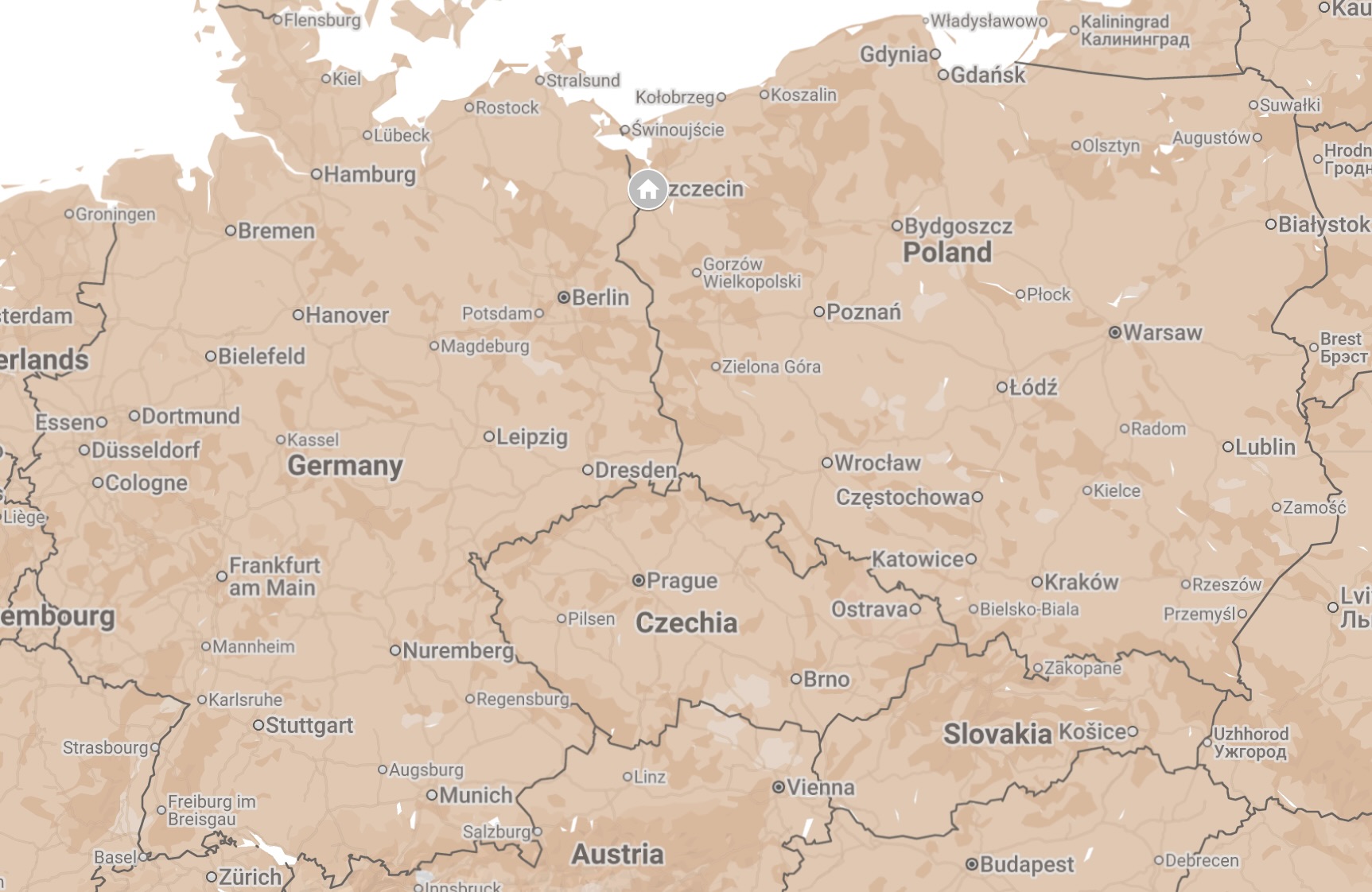
Members of the Boys were born in Stettin in Germany, which is now Szczecin in Poland.

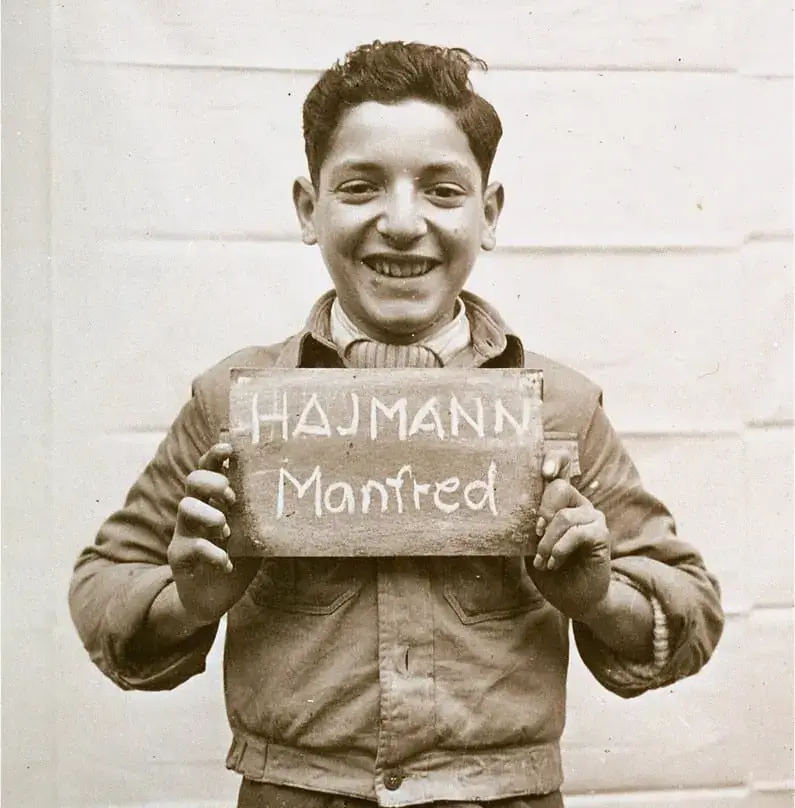
The Boys were teenage and child-Holocaust survivors, who were brought to the UK after the war for rest and rehabilitation.

Members of the Boys were held in Nazi labour and concentration camps and used as slave labourers. They had also survived World War II in hiding or as lone children.
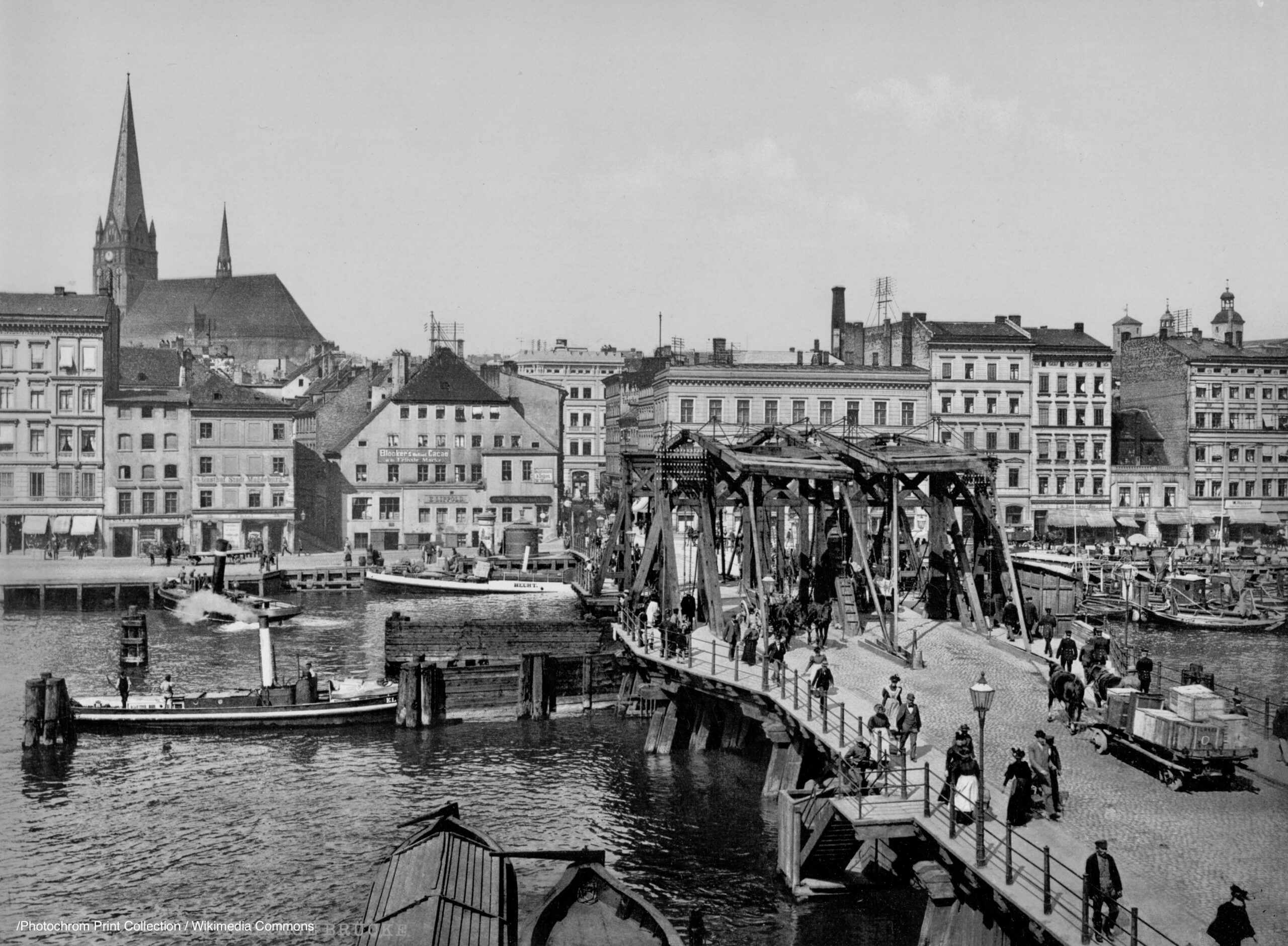
Photograph of the Great Bridge in pre-war Stettin, Germany

The Great Bridge in pre-war Stettin, Germany

Located near the Baltic Sea and the German border, the city is a major seaport. Stettin developed into a major Prussian port and became part of the German Empire in 1871.

Background

Only after the Prussian Edict of Emancipation of 11 March 1812, which granted Prussian citizenship to all Jews living in the kingdom, did a Jewish community emerge in Stettin. The first Jews settled in the town in 1814. Construction of a synagogue started in 1834; the community had a religious and a secular school, an orphanage (1855), and a retirement home (1893).

By 1873, the Jewish community had between 1,000 and 1,200 members and had grown to some 2,800-3,000 by 1927–28.

Third Reich

Manfred Heyman and his family were deported from Stettin in October 1938 as his parents were Polish Jews who did not have German citizenship. After the Kristallnacht pogrom on 9 November 1938 all male Jews from Stettin were deported to the Oranienburg concentration camp. In February 1940, the remaining 1,000 to 1,300 Jews of Stettin were deported to Lublin. The action was the first deportation of Jews from prewar Nazi Germany.

When the war began, the number of non-Germans in the city increased as slave workers were brought in. The first transports came from the Polish cities of Bydgoszcz, Torun and Łódź. They were mainly forced to work in a synthetic silk factory near Stettin. During the war, 135 forced labour camps for slave workers were established in the city.

Aftermath

The city became part of Poland in 1946.

While the Jewish community in Szczecin was significantly reduced during the Holocaust, there is still a Jewish presence in the city today.

Visiting Szczecin
>

Getting there There are direct flights form the UK and direct trains from Gdansk and Warsaw.

New Synagogue (Nowa Synagoga; ul. Dworcowa 9a) This was the city’s primary Jewish place of worship until it was burned down by Nazi forces during Kristallnacht in 1938. A commemorative plaque now marks the site.
Old Jewish Cemetery (corner of ul. Soplicy and ul. Gorkiego) Today, it is a city park. A lapidarium (consecrated in 1988) contains 11 preserved gravestones and a monument in Polish and Hebrew.
Jewish Section at the Central Cemetery ((ul. Ku Słońcu 125) Following the closure of the old cemetery, Jewish burials were moved to a dedicated section of the Central Cemetery. It contains over 100 gravestones in good condition with inscriptions in Hebrew, Yiddish, Polish, and German.
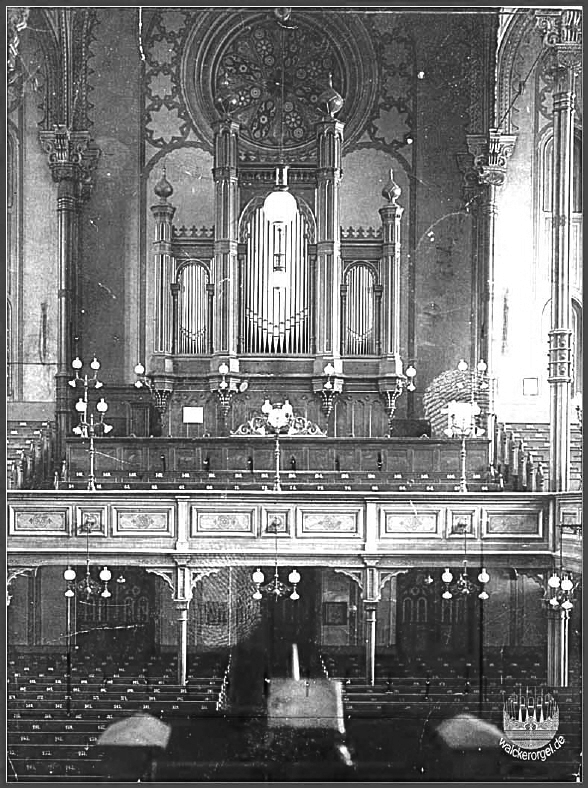

Stettin Synagogue 1914

Present day Country:
Poland
Pre 1939:
Germany
Associated Boys:
Manfred Heyman
Map:
Gallery:
Contact:
team@45aid.org
45 Aid Copyright 2026
45 aid society is a registered charity
in England and Wales (243909)
Design and development:
Graphical