Many members of the Boys were born in Subcarpathian Rus.
The Boys were teenage and child-Holocaust survivors, who were brought to the UK after the war for rest and rehabilitation.
Members of the Boys were held in Nazi labour and concentration camps and used as slave labourers. They had also survived World War II in hiding or as lone children.
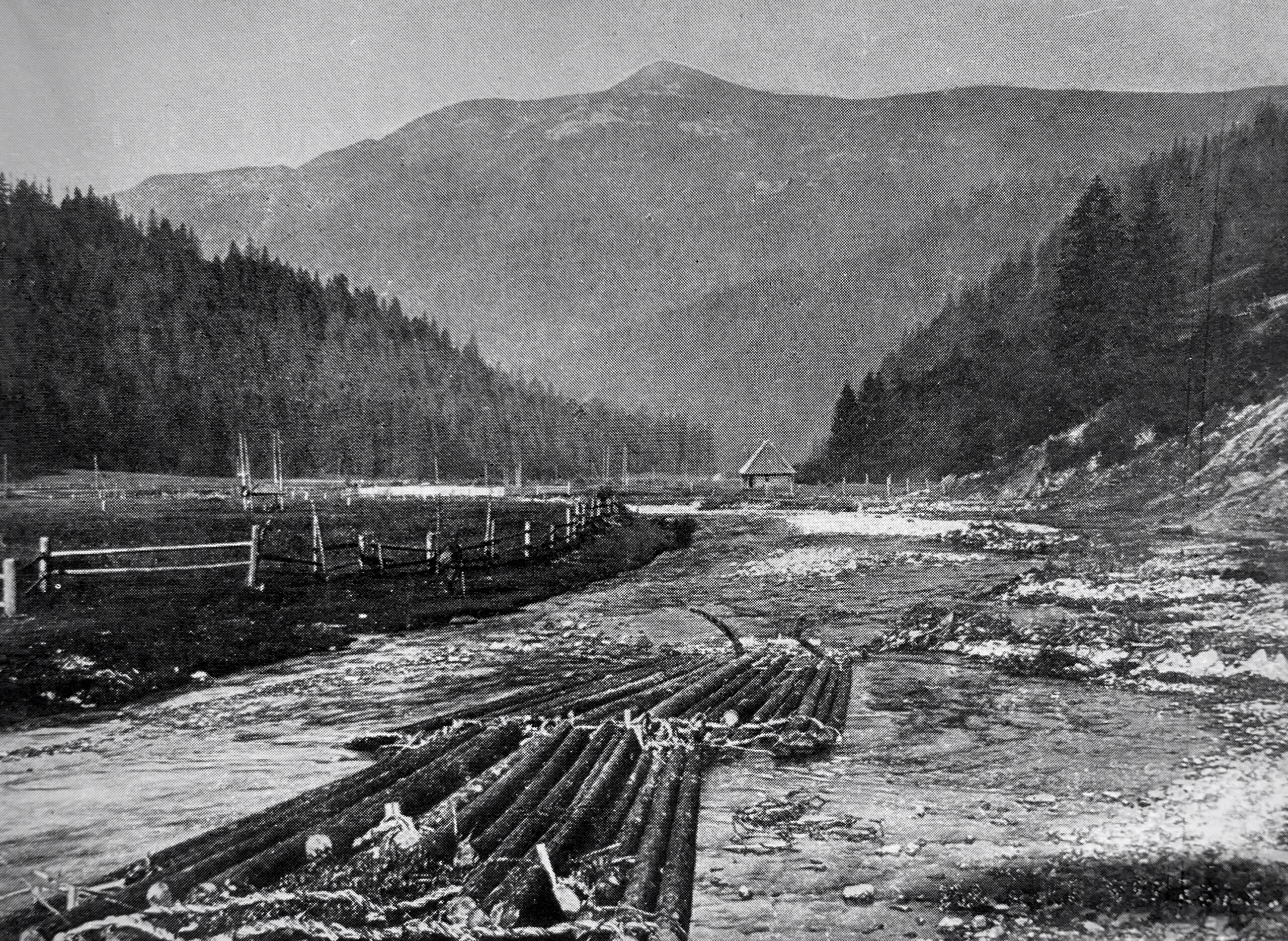
Subcarpathian Ruthenia was a region in the easternmost part of Czechoslovakia.
The area in Czechoslovakia was occupied by Hungary in 1938 and was annexed to Hungary in March 1939.
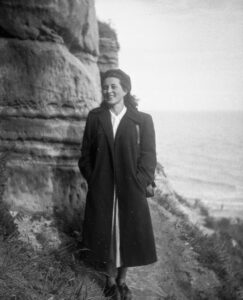
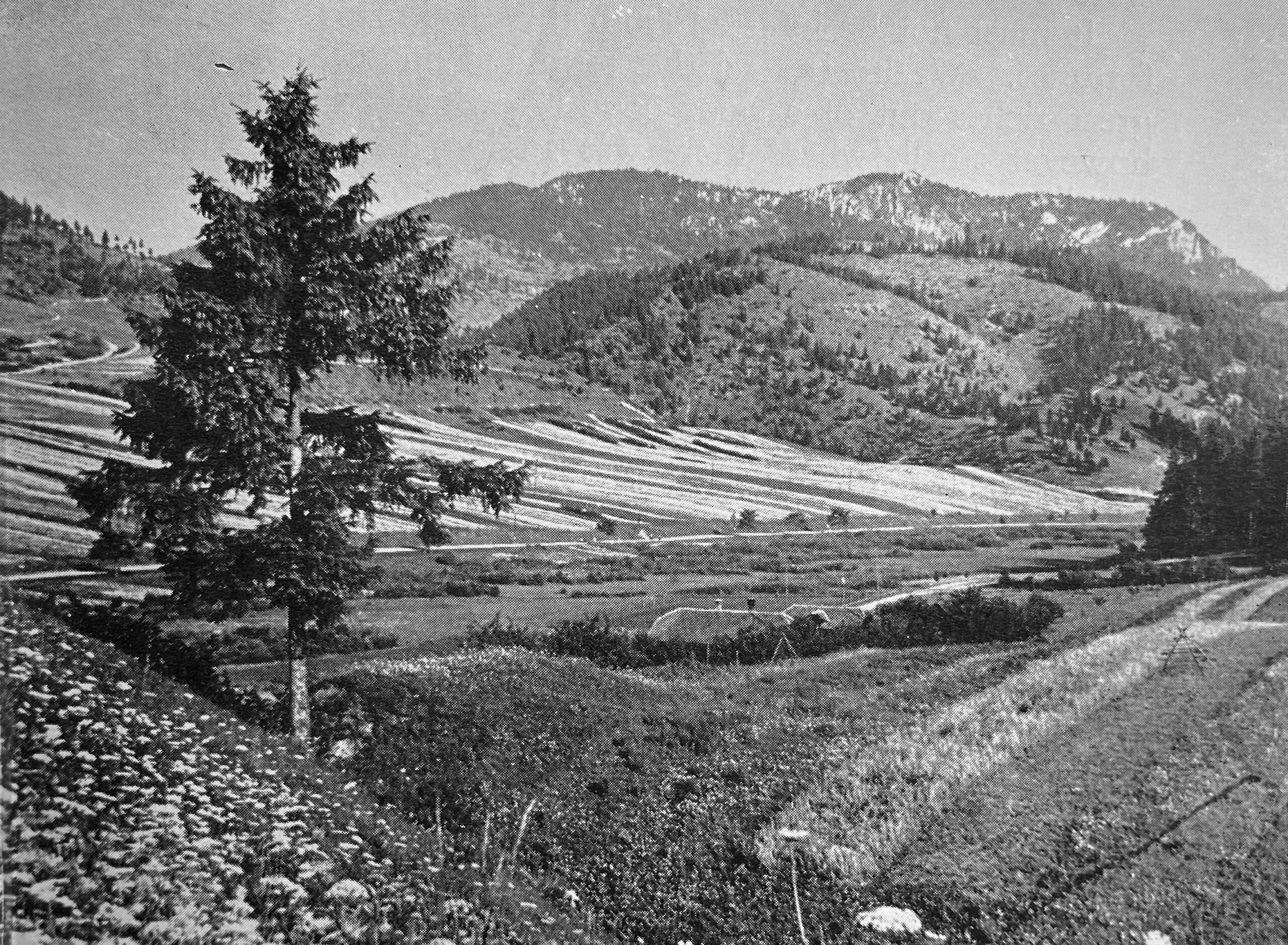
“Even though our village isn’t very big, it has nearly everything we need. When we walk down the street, many people I see are Jewish. Momma says there are about 2,000 people in Seredne and about 30 percent of them are Jewish. I can walk from one end of town to the other in 30 minutes. We don’t leave the village very often because we don’t need to. There are some things we buy at the general store like kerosene for our lamps, rice, barley, bars of laundry soup, sugar and nails. If we need to see a doctor or get something important that our town doesn’t have, we go to the large town on a bus that travels through once a week. Tata rode the bus to get his glasses.
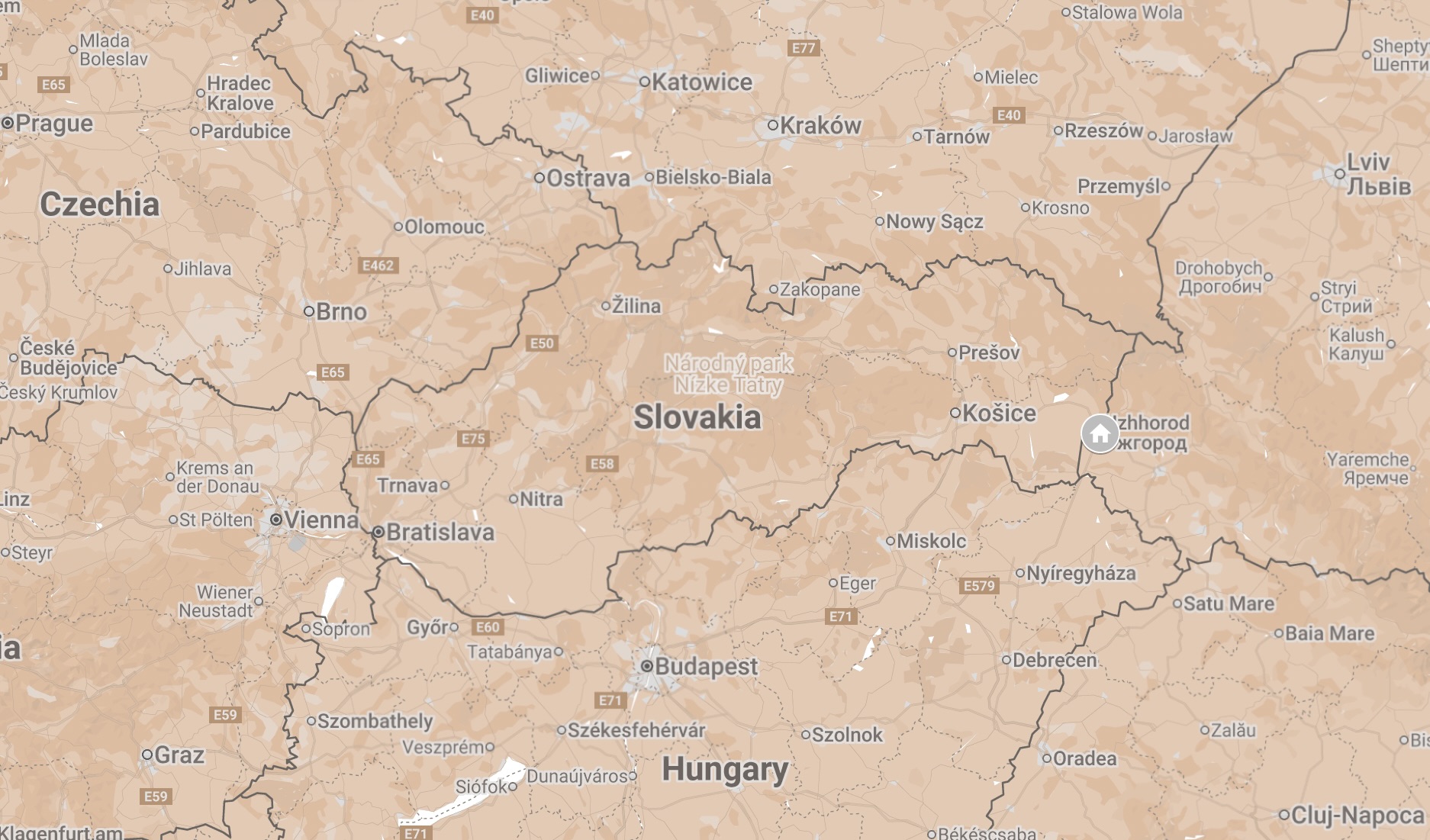
Tata says the two towns around us are each a three-hour walk away. Uzhhorod is to the west and Mukačevo is to the east. He says there is one dirt road that connects all three towns. Seredne is in the middle. In fact, the word seredne means ‘middle’.”
Rose Schindler, Two Who Survived: Keeping Hope Alive While Surviving the Holocaust (MRS, 2019).
From 1939, laws were introduced banning Jews from attending school or from running businesses. In the summer of 1941, Hungarian authorities deported about 18,000 Jews from Subcarpathian Ruthenia. Those men who avoided deportation were conscripted into slave labour.
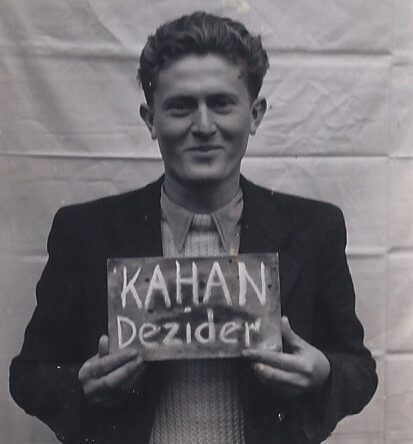
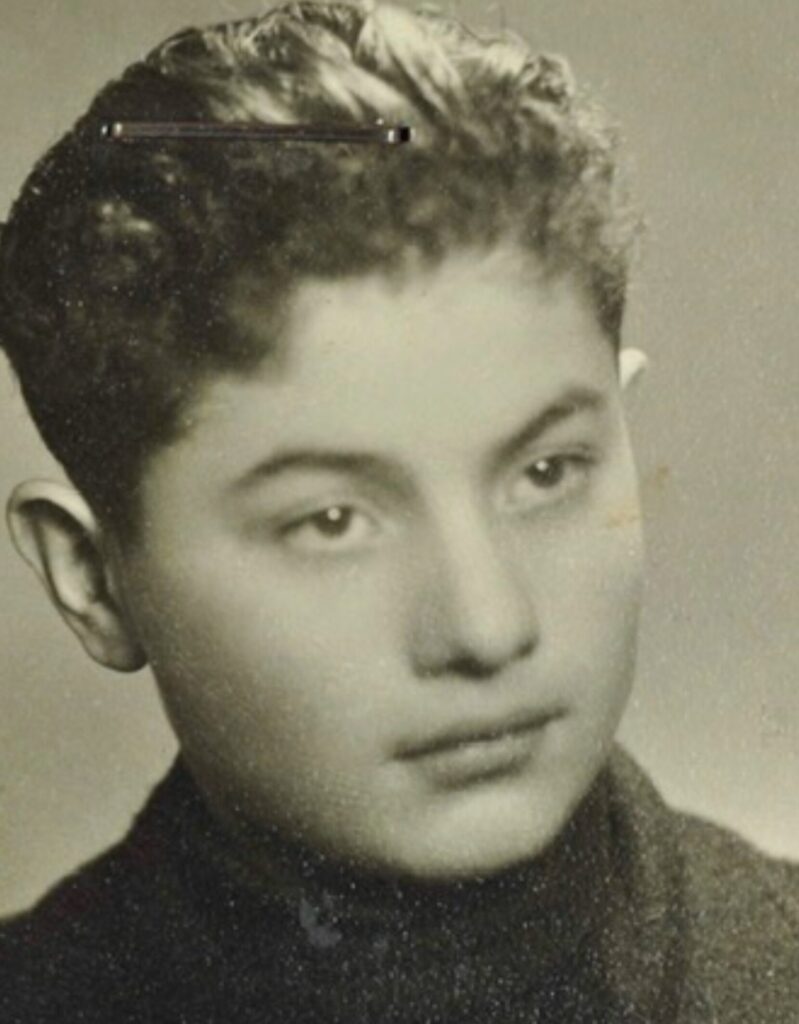
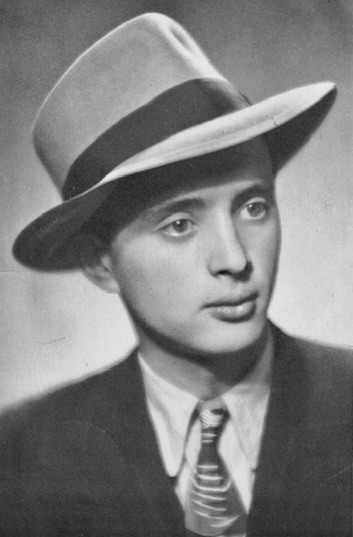
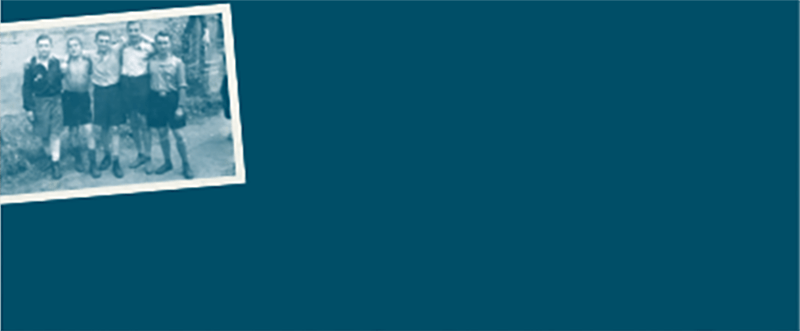
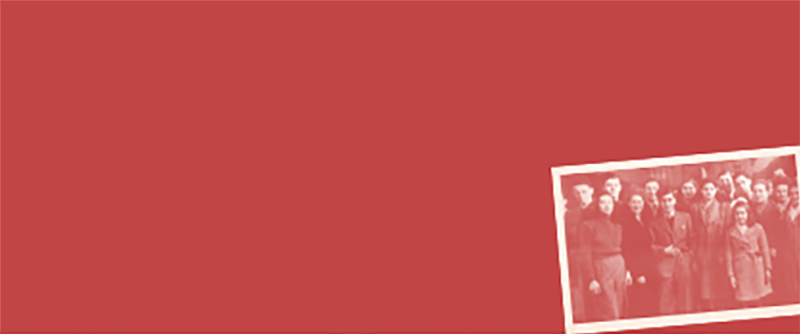
Three of the Boys from Transcarpathia. These photographs were all taken after the liberation.
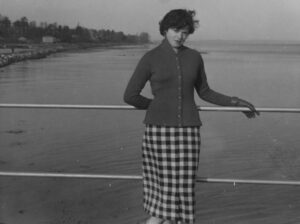
“It changed a lot because it was Hungary at one time and when I was born it was Czech. People also spoke Romanian, people in the mountains certainly all spoke Romanian, so our village was a mixture of all languages. Actually in the village itself mostly Jews lived there, in the surrounding mountains it was Romanian speaking people … and of course the Jews all spoke Yiddish, so I was brought up speaking Yiddish mainly … the village in the Carpathian Mountains was a beautiful place; small with about a hundred Jewish families and lots of traders.”
Rachel Levy written testament
1944
In March 1944, Germany invaded Hungary.
In April 1944, 17 main ghettos were set up in the region where 144,000 Jews were held until they were transferred to Auschwitz II-Birkenau concentration and extermination camp between May and June 1944.
Over 90,000 of the more than 100,000 Jews from the region were murdered in the Holocaust.
The vast majority of the third and fourth groups of the Boys came from Subcarpathian Rus.
Aftermath
In 1945, part of the region that had been in Czechoslovakia before World War II was incorporated into the Soviet Union. Most survivors who returned decided to leave as they could not practice their religion and Zionism could lead to imprisonment.
Getting there & around
Uzhhord is the main point of entry for the region. Trains run from Košice in Slovakia.
Note that the UK Foreign Office advises against travel to Ukraine because of the ongoing Russian invasion.
To explore the rural areas of the Carpathian Mountains you need your own transport.
The Boys came from a variety of small towns and villages. Larger towns and cities are listed separately in this section.
What to see
The synagogue building still stand in Kuzmin
Cemeteries
There are cemeteries in the following birthplaces:
Cherny Ardov, Dobron, Drahovo, Horinchovo, Kobyletska Polyana, Majdan, Nizni Verecky, and Seredne.
Vysni Apsa is remembered in A Vanished World, Roman Vishniac’s seminal work, which highlights the isolation and poverty of the rural Carpathian Jewish communities.
 About
About History
 Education
 Quilts
 FIlms
FIlms Photos
 News Media & Events
 Publications
 Donate