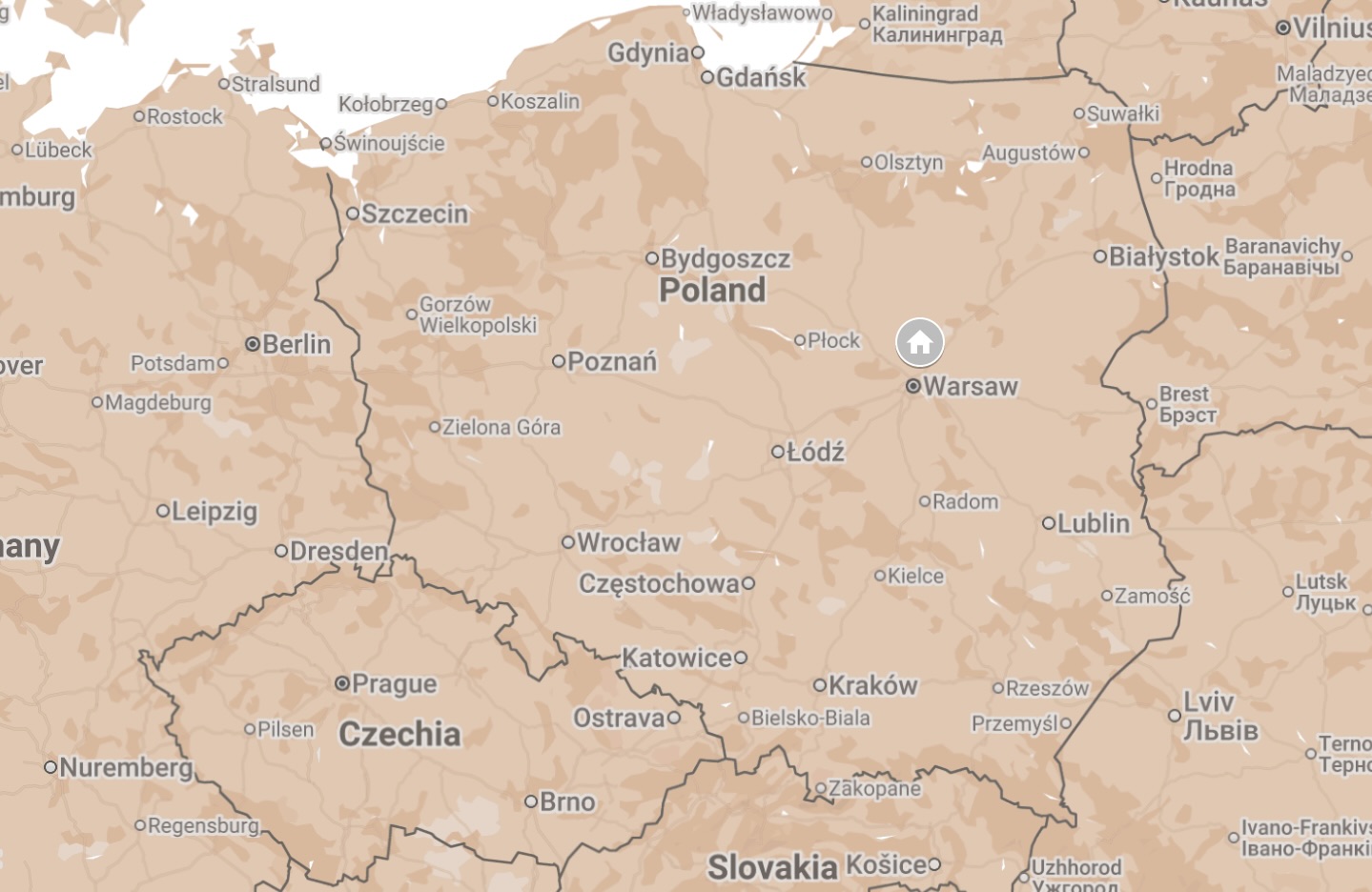
Members of the Boys were born in the Masovian Voivodeship in Poland.
The Boys were teenage and child-Holocaust survivors, who were brought to the UK after the war for rest and rehabilitation.
Members of the Boys were held in Nazi labour and concentration camps and used as slave labourers. They had also survived World War II in hiding or as lone children.
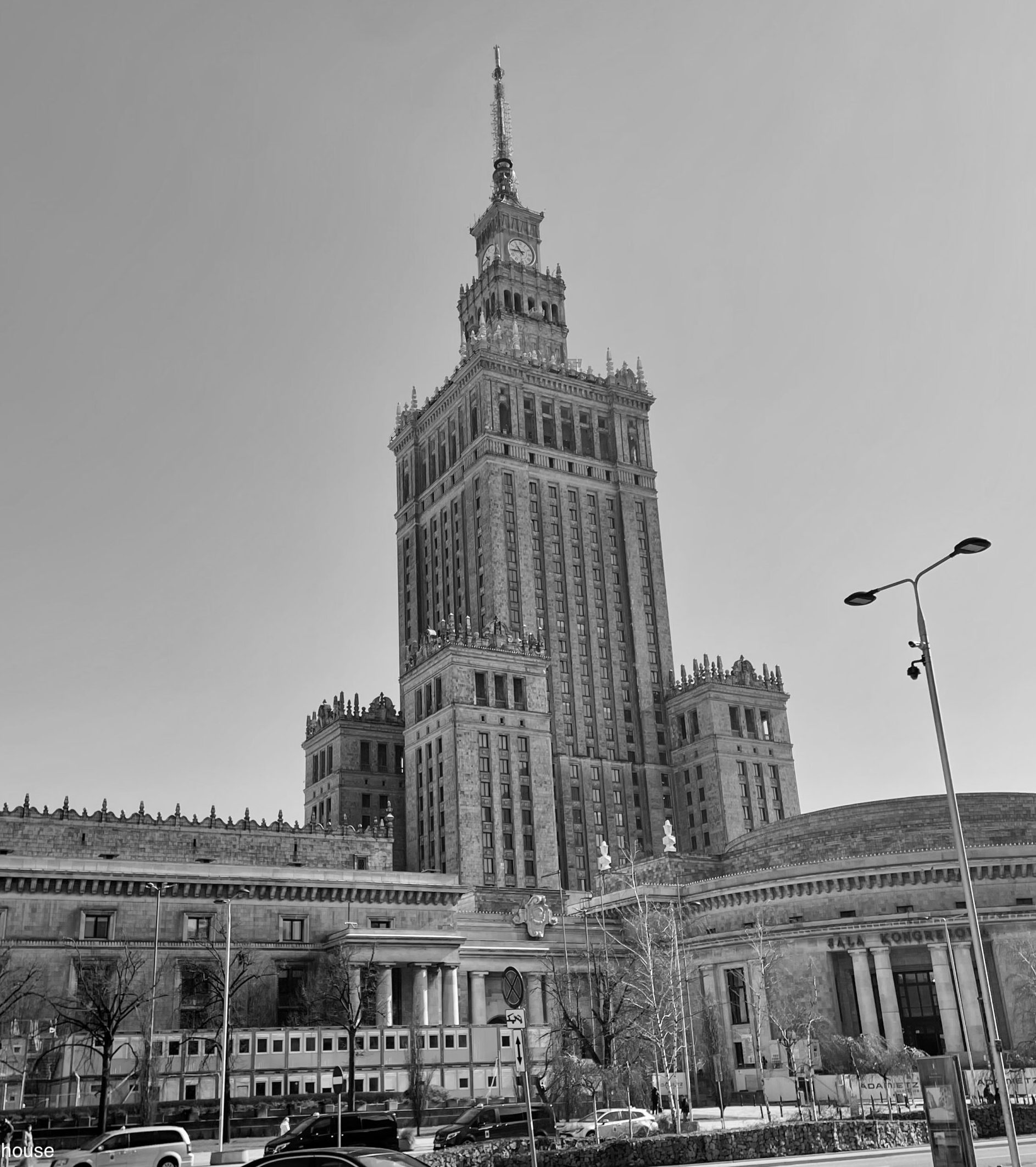
Palace of Culture and Science in Warsaw, Poland.
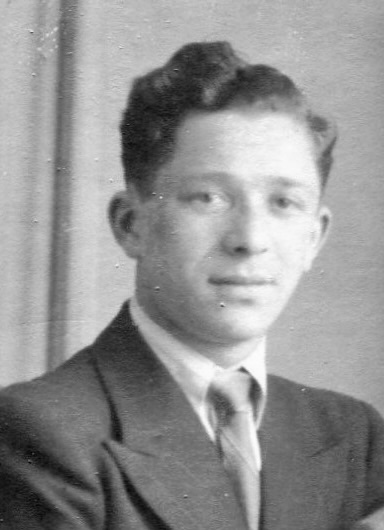
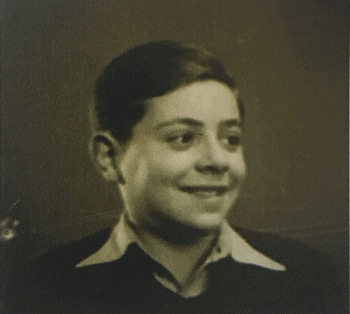
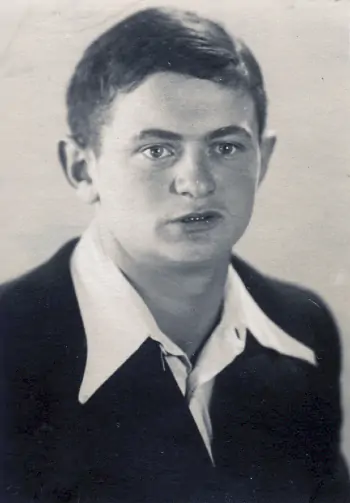
Three of the Boys born in the Masovian Voivodship. These photographs were taken after World War II.
Background
Masovia was annexed by Prussia in the 1795 during the third partition of Poland. In 1807 it became part of the Duchy of Warsaw during the Napoleonic Wars and later part of the Congress Poland after the Congress of Vienna. In 1918 Masovia was included within the newly formed the Second Polish Republic.
The Masovian Voivodeship historically had a significant Jewish population, with many towns and cities serving as shtetls or Jewish settlements.
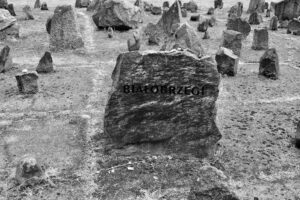
The Boys from the region grew up in Glowaczow, Gora Kalwaria, Jeziorna, Kozienice, Piaseczno, Płock, Siedlce, and Wiskitki. For more information on Białobrzegi click here.
World War II
During World War II, Nazi Germany occupied Poland and Masovia was divided between the General Government and the Province of East Prussia.
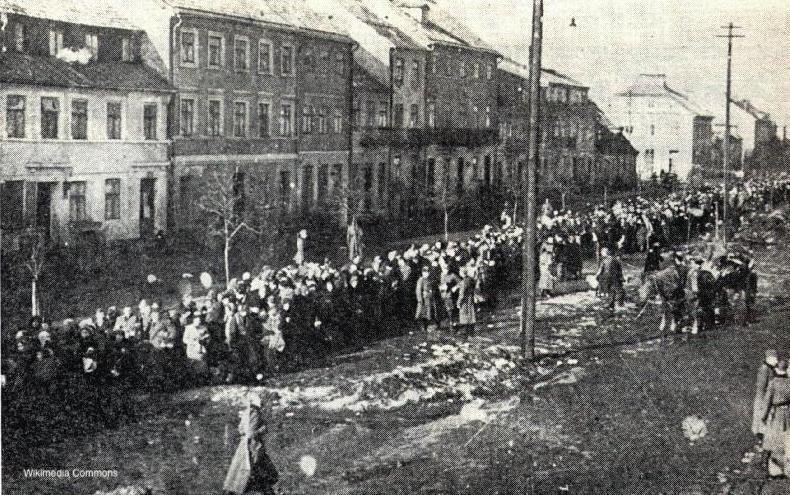
Ghettos were set up across the region in which the Boys and their families were held. For information on ghettos in the region click here: Białobrzegi, Kozienice, Płock and Warsaw.
Three Minutes
In the summer of 1938, David Kurtz, a New Yorker visiting his hometown of Nasielsk 53km north of Warsaw, filmed the people who lived there. Nasielsk was also the birthplace of Salomon Pantoffelmacher, one of the Boys.
The footage sat in a closet in Palm Beach in Florida until it was found by Kurtz’s grandson Glenn in 2009 – and just in time, as the film was about to be lost to the menace known as ‘vinegar syndrome’. It was rescued by the United States Holocaust Memorial Museum.
In 2014, Glenn Kurtz wrote a book about his grandfather’s experience, Three Minutes in Poland. An hour-long documentary made out of the footage, Three Minutes: A Lengthening (2022), recreates the story behind the people in the film, nearly all of whom were murdered in Treblinka. Shot in colour, the film has a vivid immediacy that brings the lost world of the Boys to life.
Present-day
Efforts are underway to remember and preserve Jewish history in the region, through museums like Warsaw’s POLIN Museum of the History of Polish Jews and the preservation of Jewish cemeteries.
Getting there & around Warsaw is both a major international air and railway hub. The region can be visited by public transport.
What to See
Glowaczow In 1940, the Nazis created a ghetto between Mariampol and Jasieniec streets. There are no other traces of Jewish life in Moniek Goldberg’s hometown.
Gora Kalwaria In Abraham Wertman’s birthplace, the Jewish Cemetery (Zakalwaria Street) contains the rebuilt ohel (tomb) of the Gerer Rebbes, which remains a site of pilgrimage for Hasidim. Two former synagogue buildings remain on Pijarska Street (5 & 10-12).
Jeziorna There is no trace of the Jewish community in Jeziorna, the hometown of Sam Freiman.
Kozienice Jacob Fersztand grew up in Kozienice, where the Jewish Cemetery (Radomska Street) devastated during the war has been partially restored. It contains a rebuilt ohel (tomb) of the Magid of Kozhnitz and a monument to Holocaust victims.
Nasielsk There are no traces of the Jewish community in Salomon Pantoffelmacher’s former home.
Piaseczno In Fishel Blumsztajn’s hometown, it is possible to see the Jewish cemetery (Tuwima Street). During 1942-1944, the Nazis used it as a site for mass executions of both Jewish and Polish citizens, with over 600 believed to be murdered there. A monument marks the site, and about 40 tombstones remain.
Plock Abraham Zwirek and Heniek Golde were both from Płock. The Museum of Mazovian Jews (Józefa Kwiatka Street, 7) is housed in a former synagogue. It features exhibits on religious traditions, local Jewish life, and architectural drawings of buildings once owned by Jews. Józefa Kwiatka Street (formerly known as Szeroka Street) was the heart of the Jewish district.
Serock In David Jonisz’s birthplace there is no trace of the Jewish community he grew up in.
Siedlce In Jacob Bajer’s hometown the New Jewish cemetery (Szkolna street) established in 1825 remains. The oldest Jewish cemetery in Siedlce established in the 17th century was located next to the former horse market near the synagogue, between what are now Biskupa Świrskiego Street (formerly Długa Street), Berka Joselewicza Street (formerly Żydowska Street), and Józefa Piłsudskiego Street. It is marked by a monument.
Wiskitki Moshe Pinczewski’s hometown still has its Jewish Cemetery (Spółdzielcza Street) The cemetery was established in the first half of the 19th century. It contains about 60–80 preserved tombstones.
For more information on visiting Białobrzegi, Poland click here.
Treblinka
Treblinka was the site of one the Germans’ deadliest extermination camps, and between 800,000 and 920,000 Jews from ten different countries were murdered here between 1942 and 1943.
Close to the Bug River in remote countryside, Treblinka was chosen for the site of the camp as it was close to the main Warsaw–Białystok railway line. Today, it is a quiet, lonely place which gets few visitors.
Getting there It is much cheaper to visit Treblinka on your own steam. If you do not have a car take a taxi from the station in Małkinia Górna (7km away) and ask the driver to wait. Be sure to arrange the price first. It takes under an hour to see the site. Be aware that the route follows that taken by the trains to Treblinka.
What to see
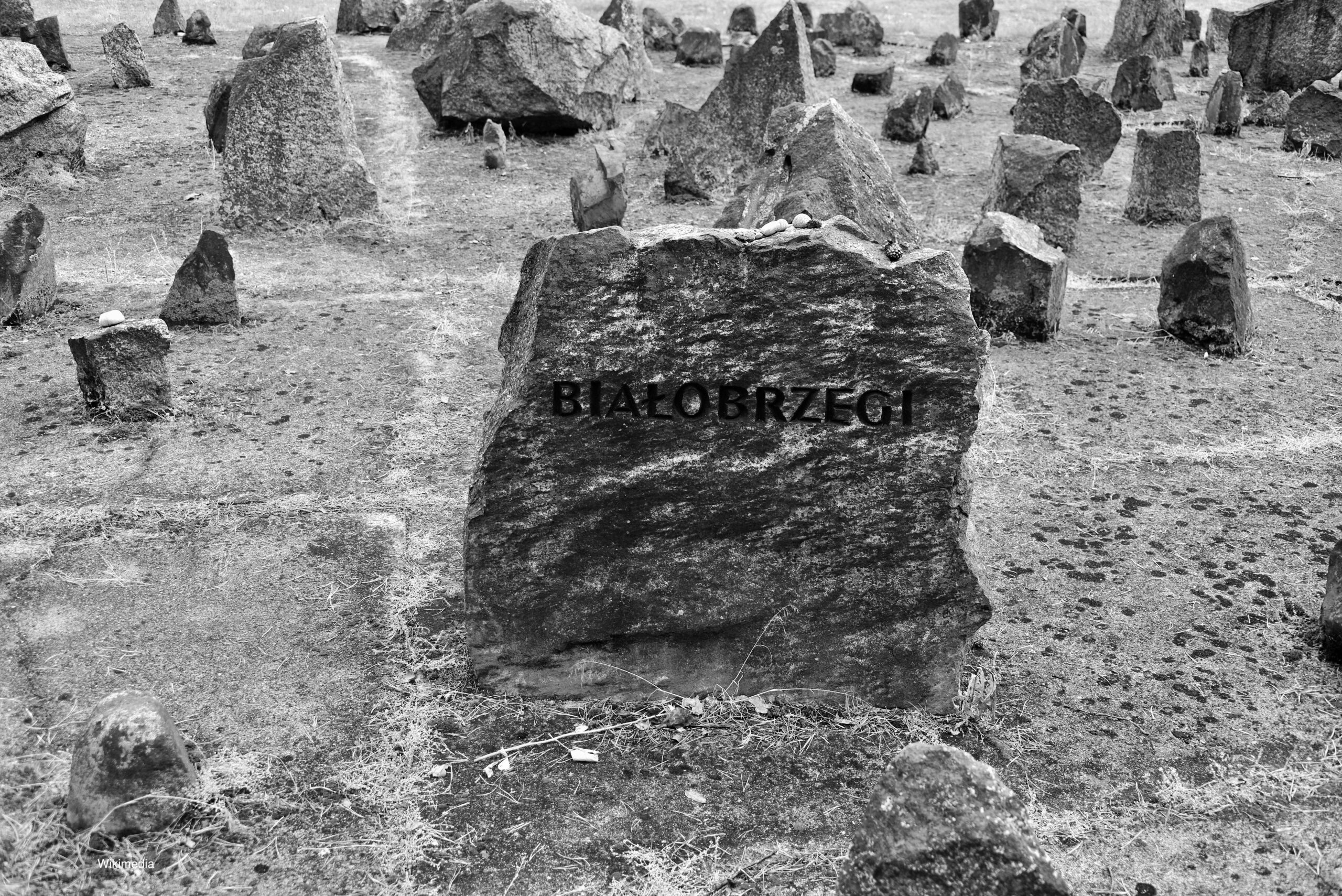
The site at Treblinka is over 2km long. The main area which was once the extermination camp, Treblinka II, is a short walk from the car park. The labour camp, Treblinka I, is at the other end of the forest complex from the museum and main memorial. It is possible to drive there, where there is a second car park.
There is no need to book in advance to visit Treblinka, access is 24 hours and free.
The Treblinka Museum (open daily; free) is next to the main car park.
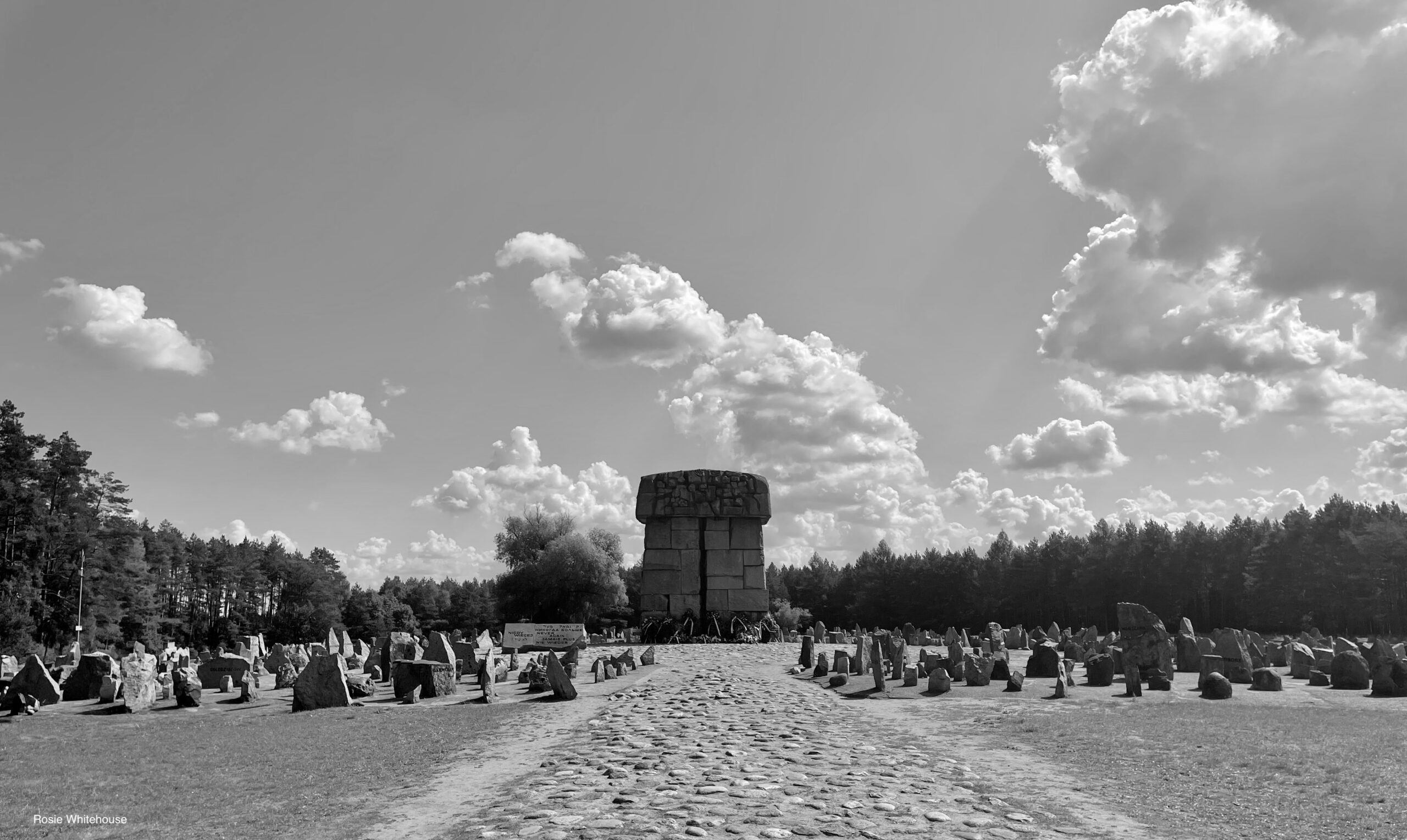
Nothing remains of the camp, which is now covered by 17,000 stones, 216 of which are marked with the names of communities destroyed by the mass murder in Treblinka. They stand on the site of the mass graves and buried ashes.
The path from the car park takes you past the memorial. The railway line is marked by stone slabs that lead to the ramp. The path continues behind the main monuments and curves back to the car park and visitors’ centre.

 About
About History
 Education
 Quilts
 FIlms
FIlms Photos
 News Media & Events
 Publications
 Donate